🎨 A. Iron Oxide Pigments
They act as a physical barrier (like a shirt on your skin). These micronized particles block UV rays before they reach the wood. The rule is simple: the more tint (pigment), the higher the protection.
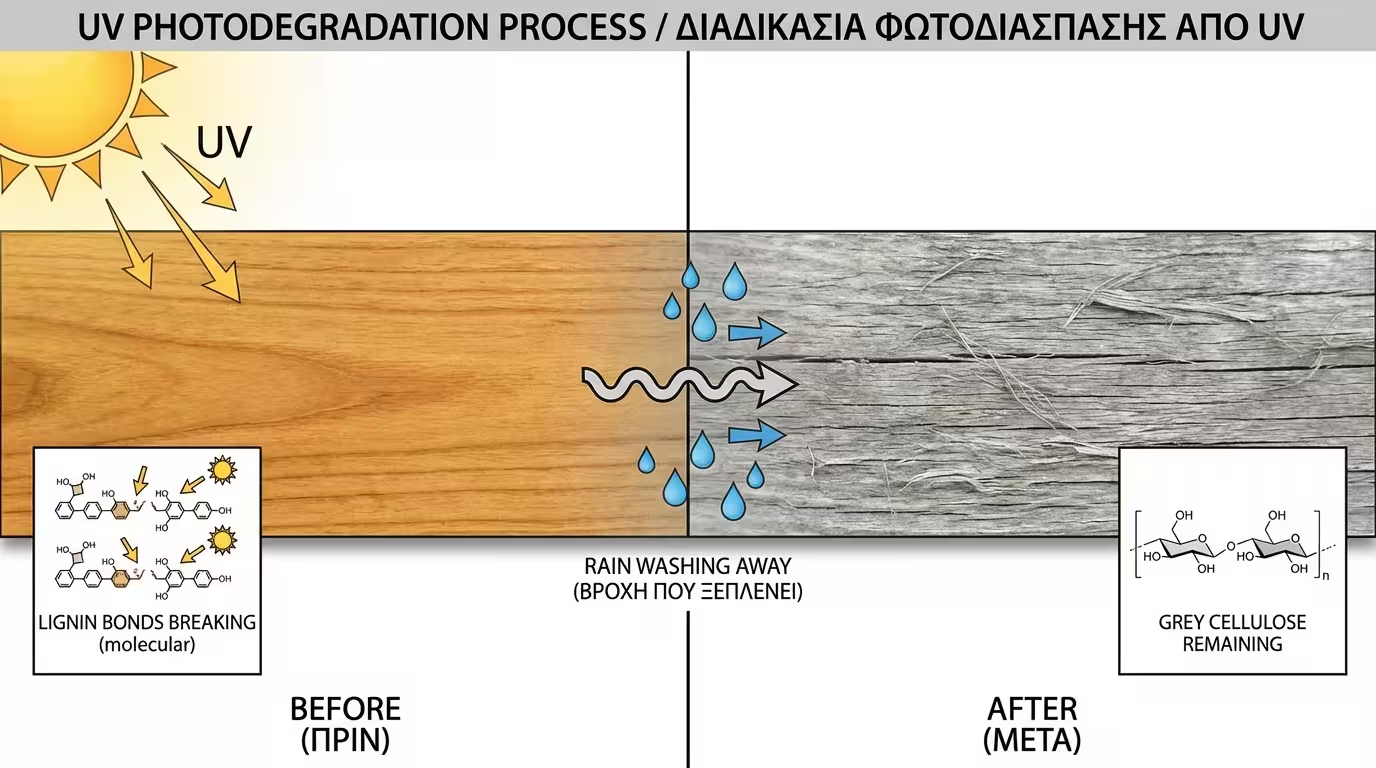
While we enjoy the Mediterranean sun, our wooden structures are under constant attack. UV radiation doesn't just fade the colour; it chemically dismantles the very structure of the wood, turning a solid timber beam into a grey, brittle surface that rain can easily wash away.
Understanding the science of UV protection is the difference between a varnish that flakes after one summer and one that lasts for years. We analyze the three defense systems-Pigments, UVA absorbers, and HALS-and explore how nanotechnology is changing the rules of "invisible" protection.
Wood consists mainly of Cellulose and Lignin. Lignin is the "natural glue" that holds the cells together. When UV rays hit the wood, they break the chemical bonds of the lignin.
Once the lignin is damaged, it becomes water-soluble. The first rain then washes it away, leaving only the white/grey cellulose fibers behind. This "silvery" look is a sign that the wood's structural integrity is actively being eroded.
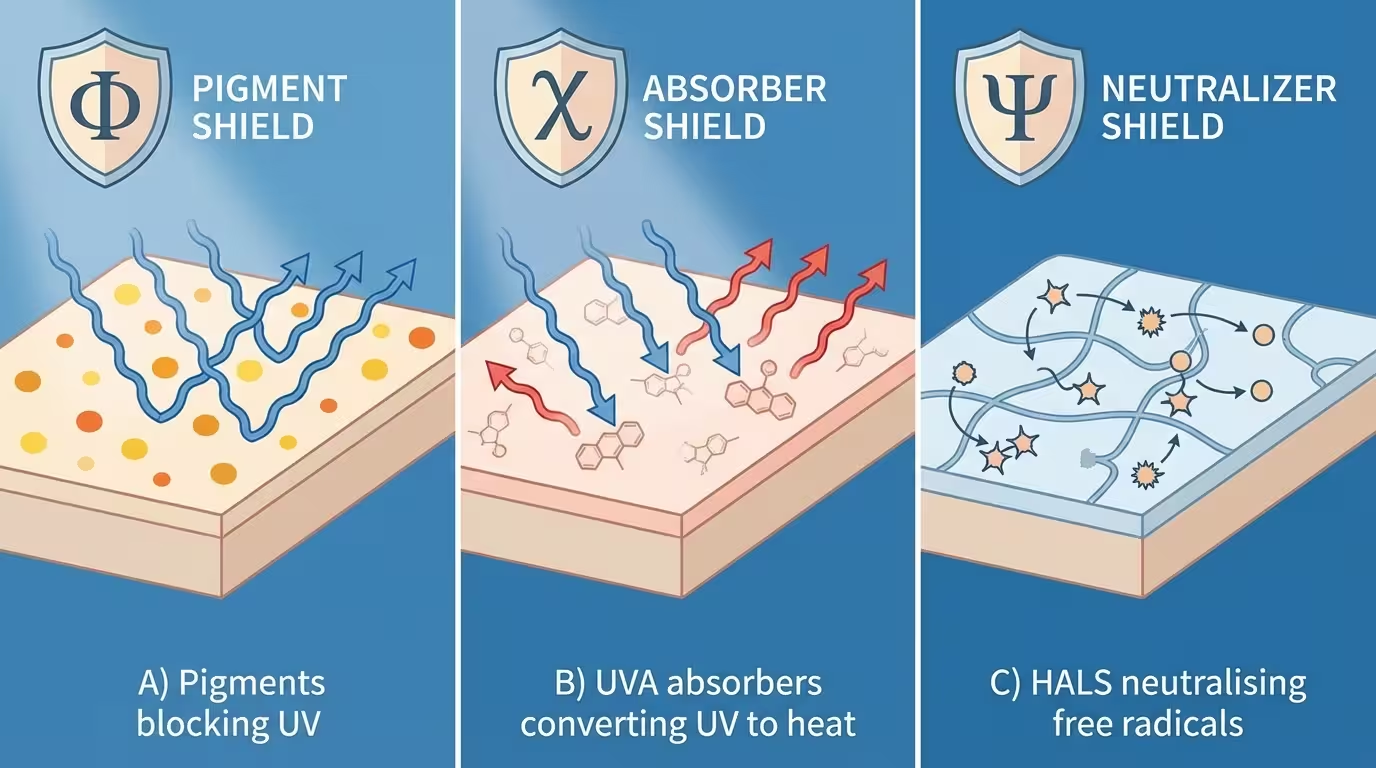
Modern varnishes combine three mechanisms:
They act as a physical barrier (like a shirt on your skin). These micronized particles block UV rays before they reach the wood. The rule is simple: the more tint (pigment), the higher the protection.
Specialized chemicals (benzotriazoles) that function like sunscreen lotion. They absorb the energy of UV radiation and convert it into harmless heat. However, they are "sacrificial" and wear out over time.
Hindered Amine Light Stabilizers act as "firefighters." They neutralize the free radicals created during the chemical attack. They don't block the sun, but they prevent the varnish film itself from cracking and peeling.
The biggest decision in exterior wood protection:
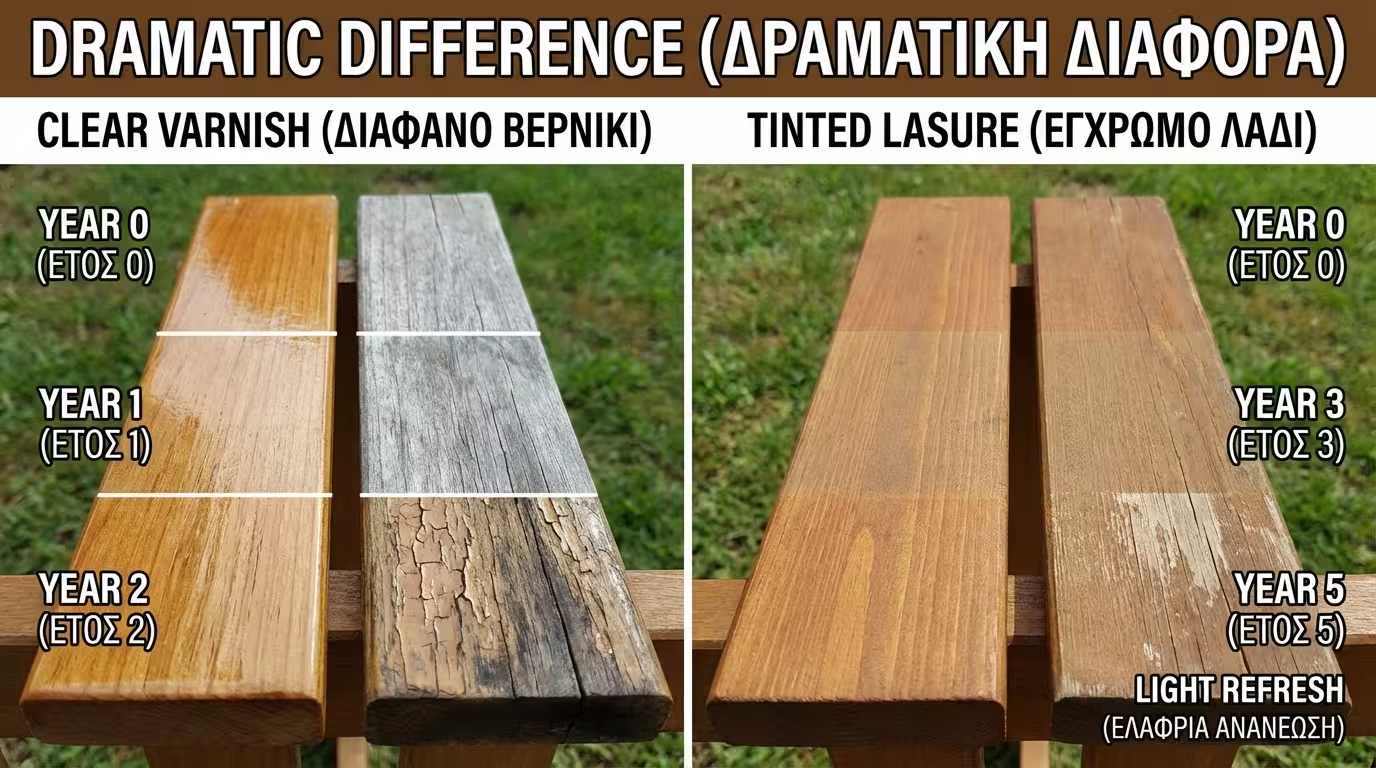
Relies solely on UVA/HALS. Once these are consumed by the sun (usually in 12-18 months), the wood starts to grey underneath. Requires frequent maintenance to keep the look.
By adding a wood tone (Oak, Teak, Pine), the pigments provide a permanent shield. This can extend the maintenance interval from 1 year to 3-5 years, depending on the exposure.
💡 Pro DIY Strategy: For the best balance of aesthetics and defense, apply two coats of tinted woodstain for protection, followed by one coat of clear UV-resistant varnish to add depth and gloss.
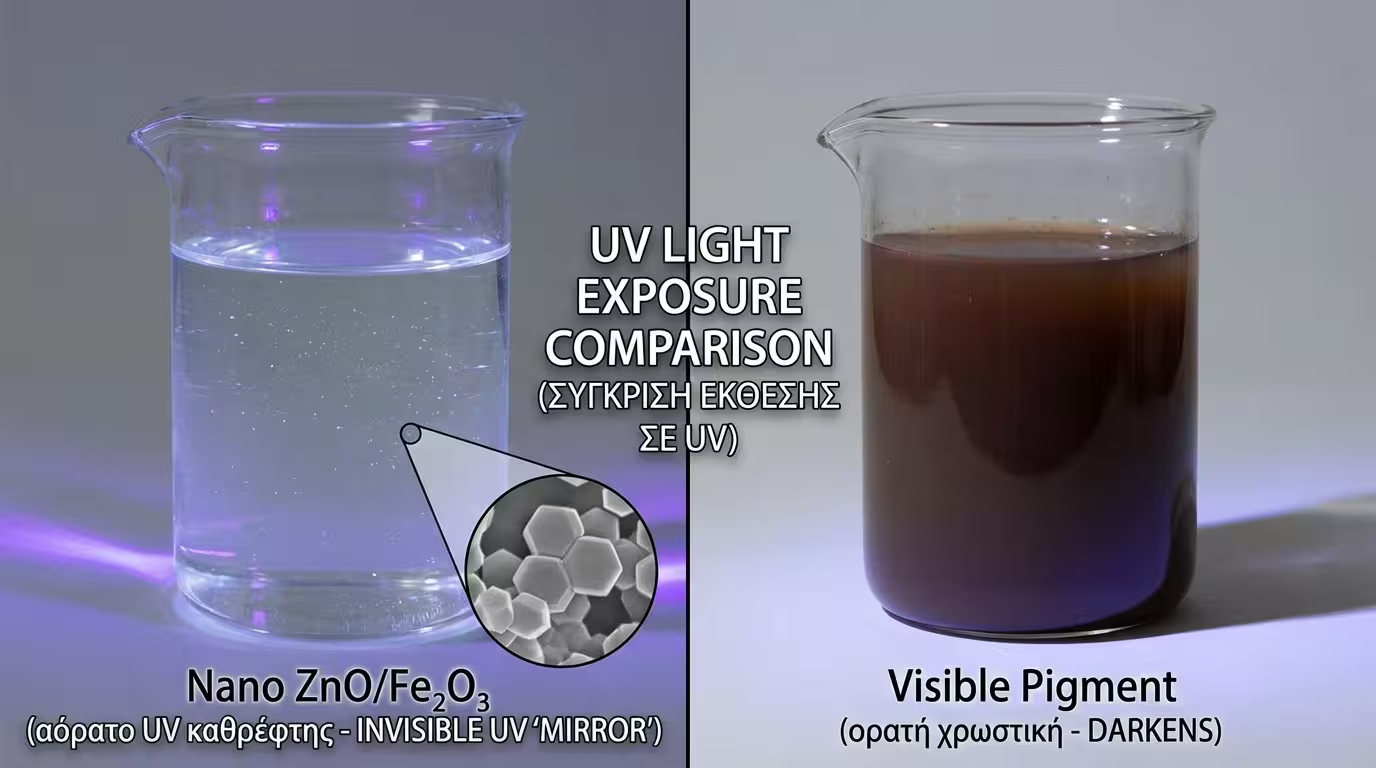
Nano-scale metal oxide particles (ZnO, Fe₂O₃): invisible yet act as UV "mirrors". Protect cellulose and lignin without darkening the wood.
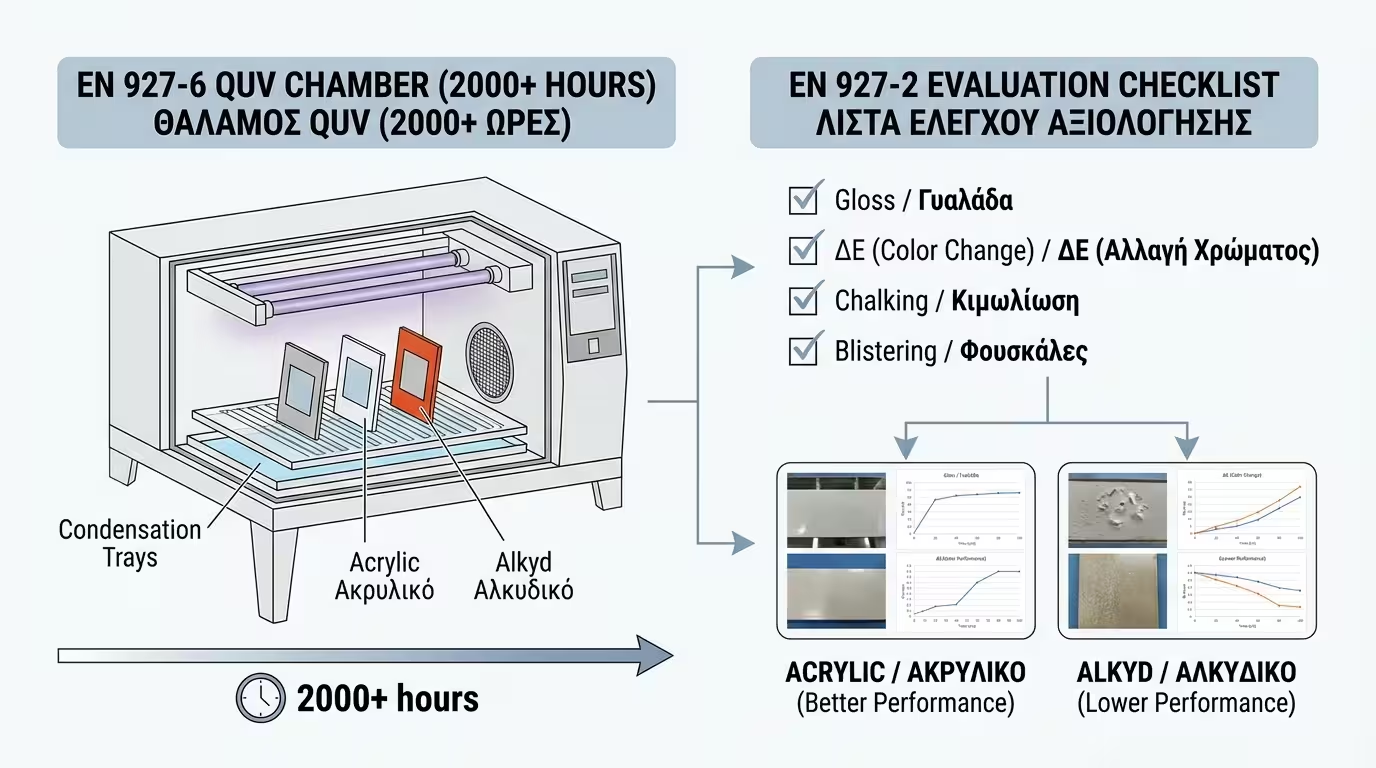
How UV resistance is documented:
This is the benchmark test. Specimens are placed in QUV chambers for 2,000+ hours, alternating between UV lamps and water sprays to simulate years of exposure in weeks.
This standard classifies coatings by their end-use (stable, semi-stable, non-stable) and sets limits for blistering, cracking, and flaking after the weathering cycle.
Water-based Acrylic/PUR hybrid binders are inherently more stable under UV than traditional Alkyds, which tend to yellow and become brittle as they age in the sun.
Return to category.
Go to categoryReturn to the central guide.
Go to guide