⚪ White Rust
In humid conditions, galvanised steel develops a white powder (zinc oxide). It must be cleaned with a nylon brush and water before any painting.
Preparation and painting guide for galvanised steel without peeling.
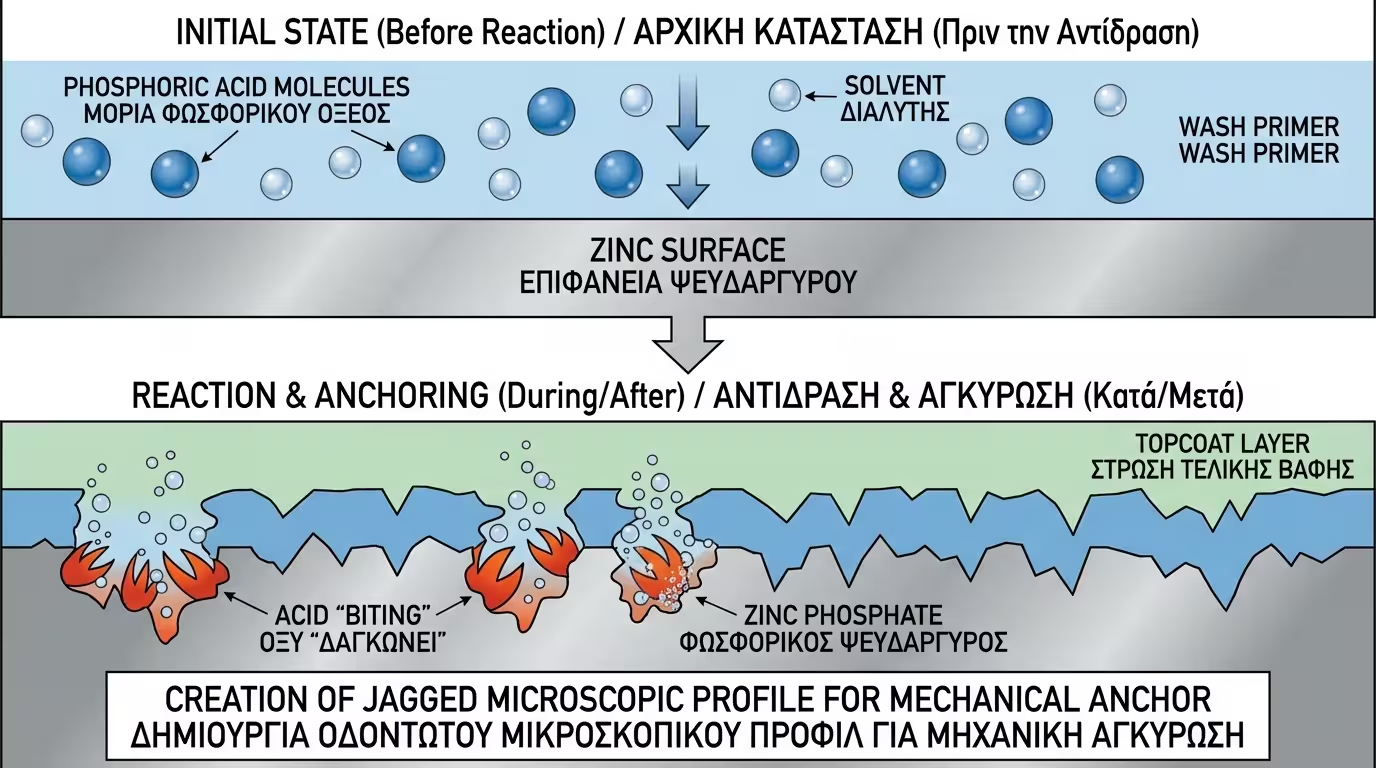
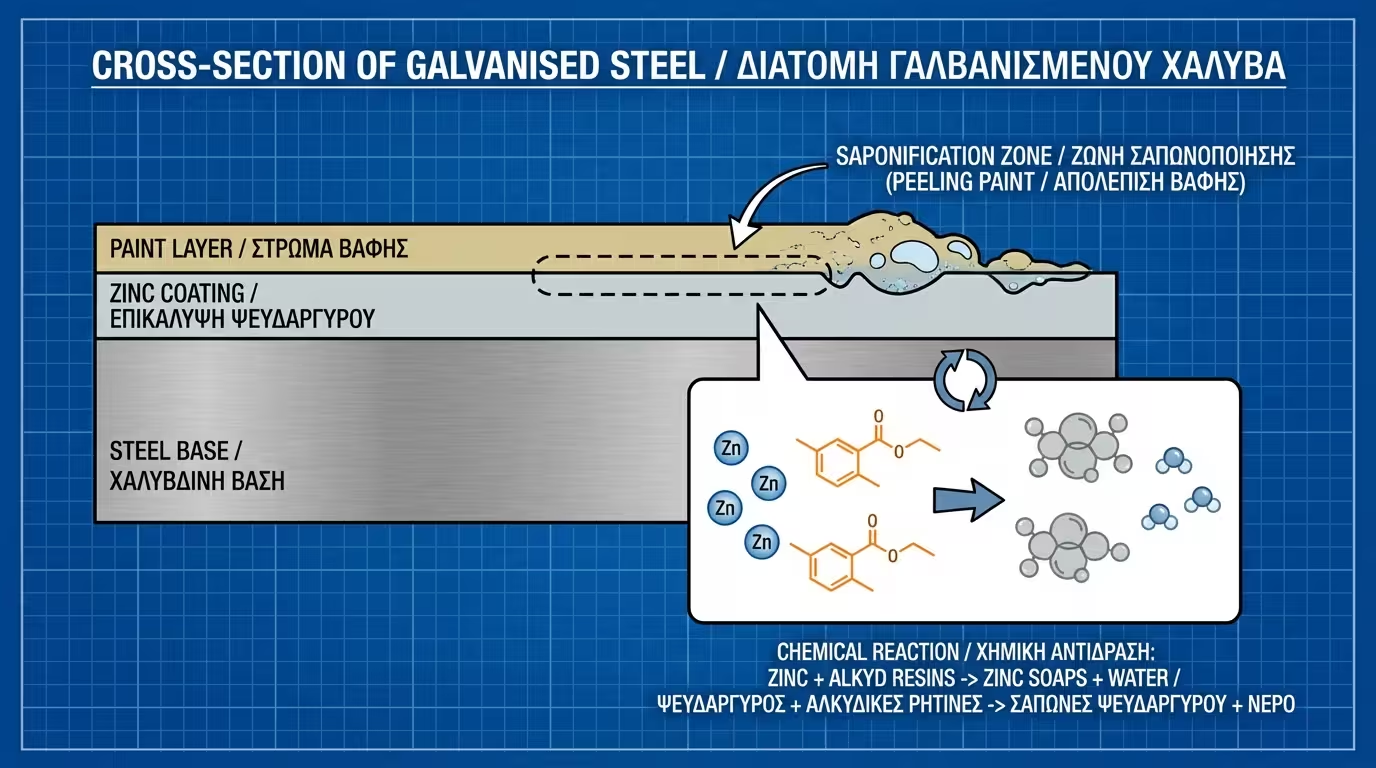
Galvanised metal (steel coated with zinc) is extremely durable, but it's a "painter's nightmare." The smooth zinc surface and the chemical reaction of oil-based paints with the metal (saponification) lead to total paint failure and peeling within months.
In humid conditions, galvanised steel develops a white powder (zinc oxide). It must be cleaned with a nylon brush and water before any painting.
Do not use wire brushes! They destroy the protective zinc patina. Only use mild abrasive means for cleaning.
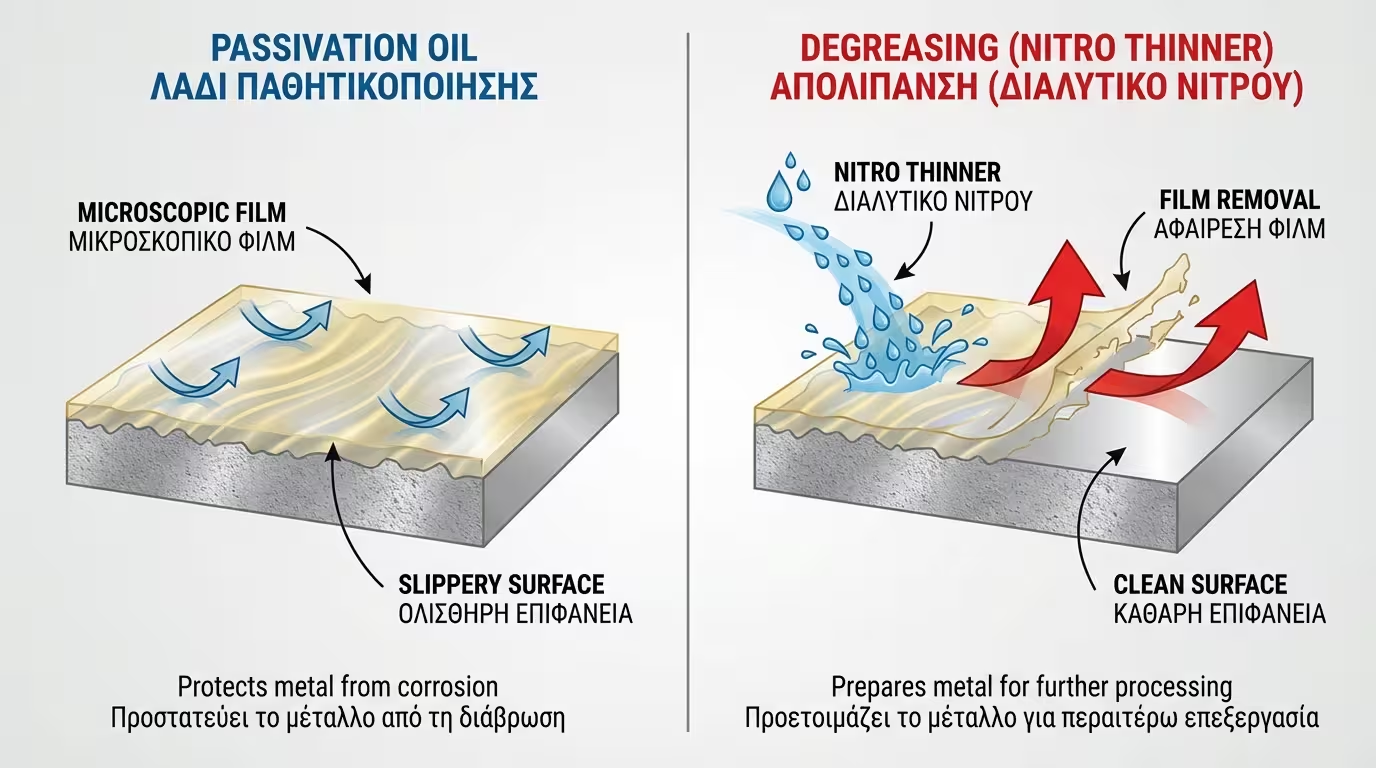
New galvanised metals have a layer of oil (passivation) from the factory. If not removed, the paint will fail 100%.
Never apply oil-based paint directly to bare galvanised steel. You need an adhesion "bridge":
The "gold standard." It contains special acids that chemically "bite" the surface (self-etching), ensuring perfect adhesion in no time.
The solution for industrial environments. It creates a thick, impermeable film but requires light mechanical abrasion (sweep blasting) to adhere properly.
📐 Engineering Rule: Adhesion failure on galvanised steel is usually due to the saponification of alkyd resins. Always use a primer that chemically isolates the topcoat from the zinc.
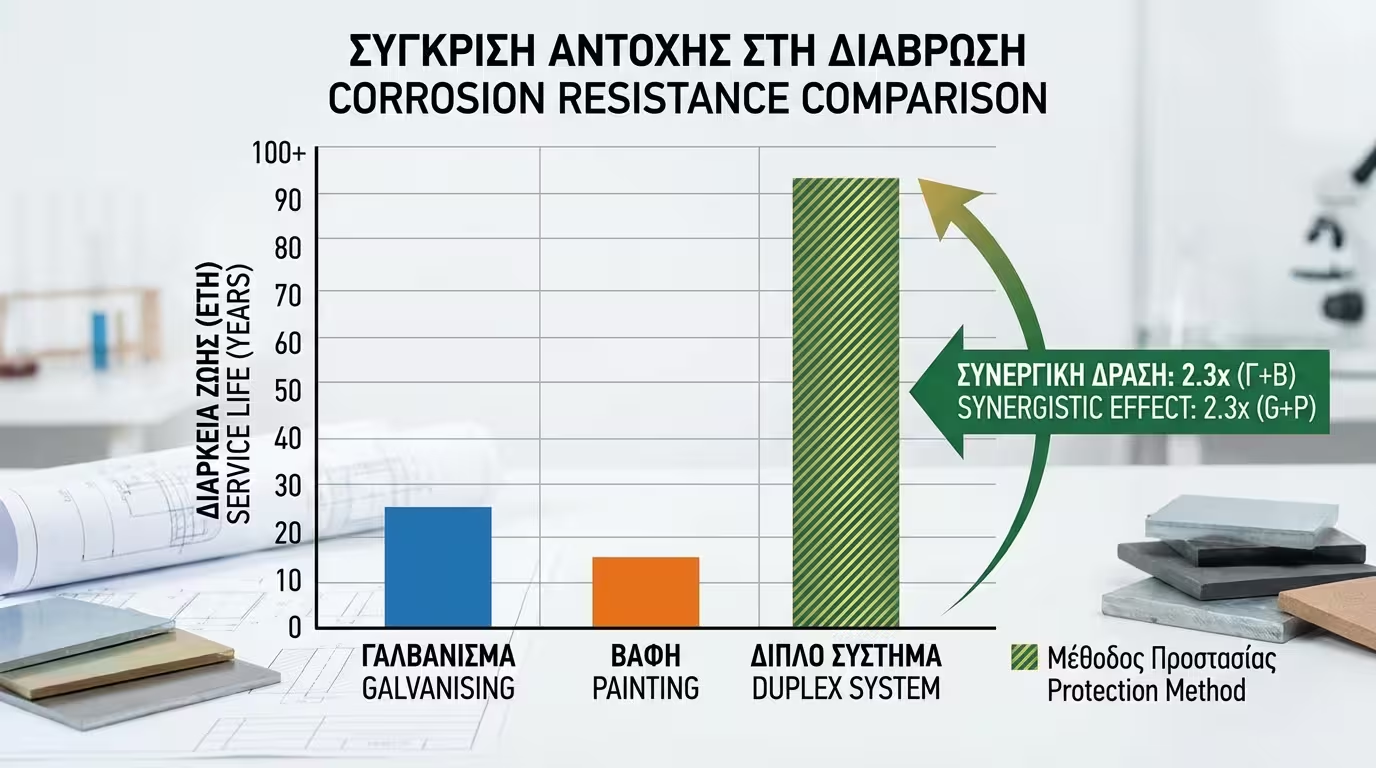
The combination of galvanising and painting is called a Duplex System. The result is synergistic: the paint protects the zinc, and the zinc prevents corrosion under the paint.
The lifespan of a Duplex system is 1.5 to 2.3 times longer than the sum of the durability of the two methods separately, often reaching a century without maintenance.
Return to category.
Go to categoryReturn to the central guide.
Go to guideReturn to the main metal painting guide.
View moreNeed a professional specification for a Duplex system?
Contact us