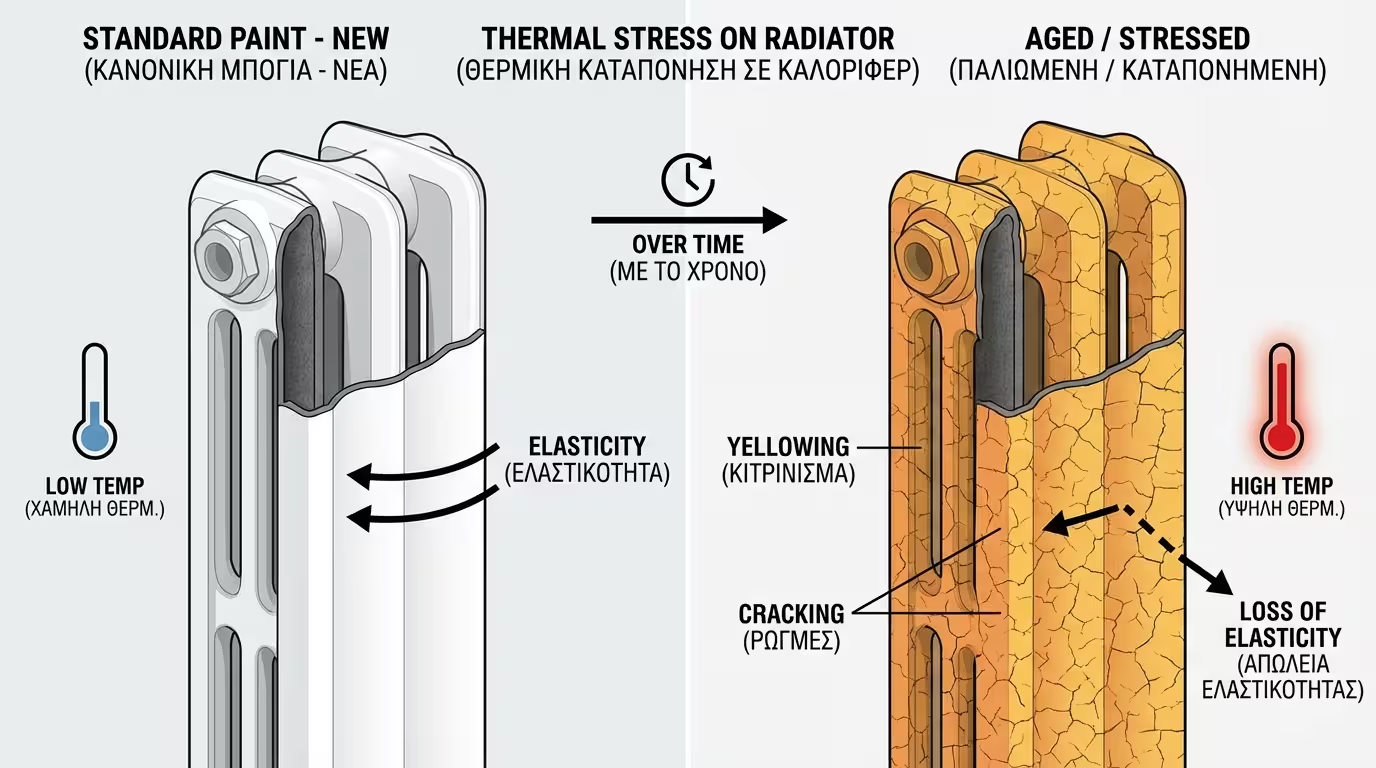
☀️ Yellowing Resistance
Specialized radiator paints feature resins that do not oxidize from heat, keeping their white color intact up to 100°C.
Technical guide for painting radiators with high-temperature resistance.
Radiators aren't just metallic surfaces. They are bodies subject to constant thermal stress. Standard enamel paints yellow quickly due to heat and lose their elasticity, causing them to flake off after just one winter.
Specialized radiator paints feature resins that do not oxidize from heat, keeping their white color intact up to 100°C.
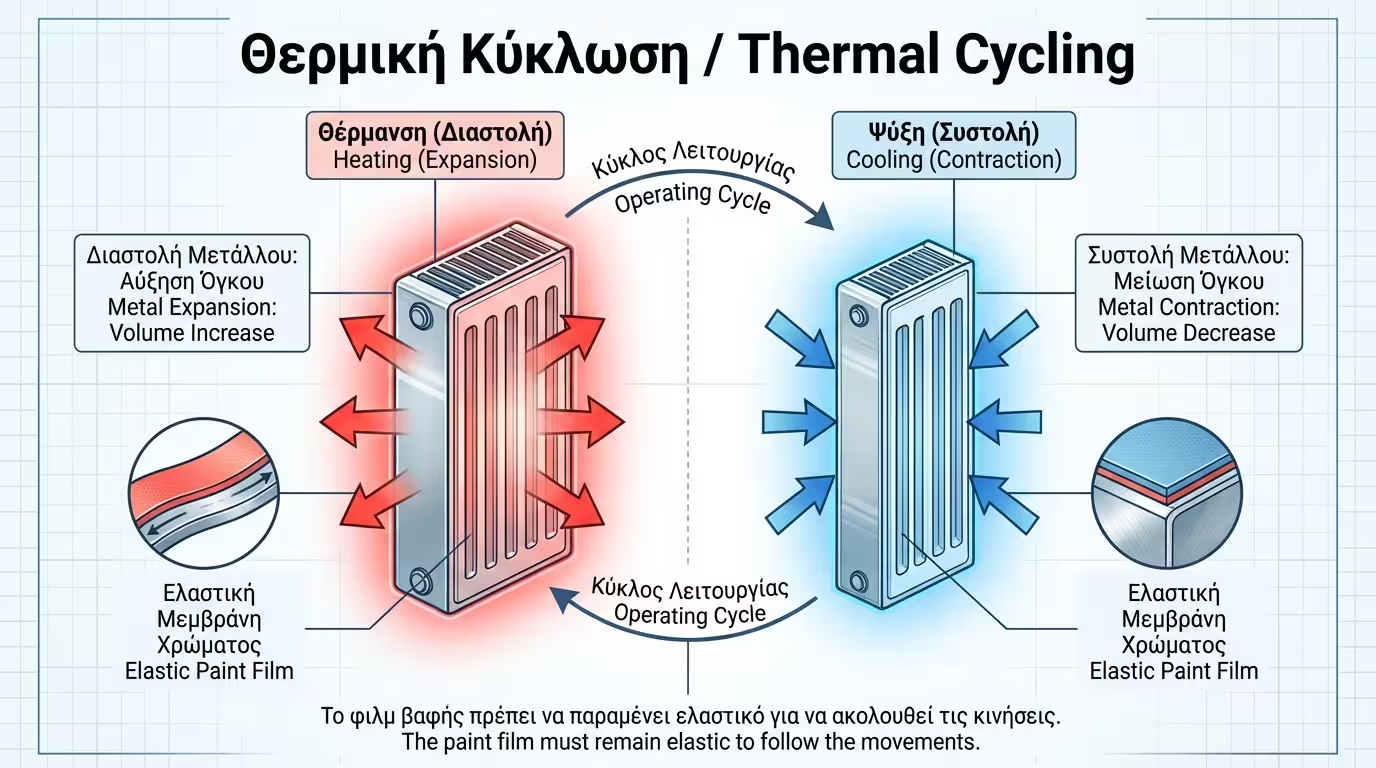
Metal expands when heated. The paint must be elastic enough to follow these micro-movements without cracking.
Never paint a radiator that is in operation! High temperatures will instantly evaporate solvents, preventing the paint from leveling out and anchoring to the metal.
The result will be a rough surface with visible brush strokes and very low adhesion. The ideal time for painting radiators is in the autumn, before the central heating is turned on.
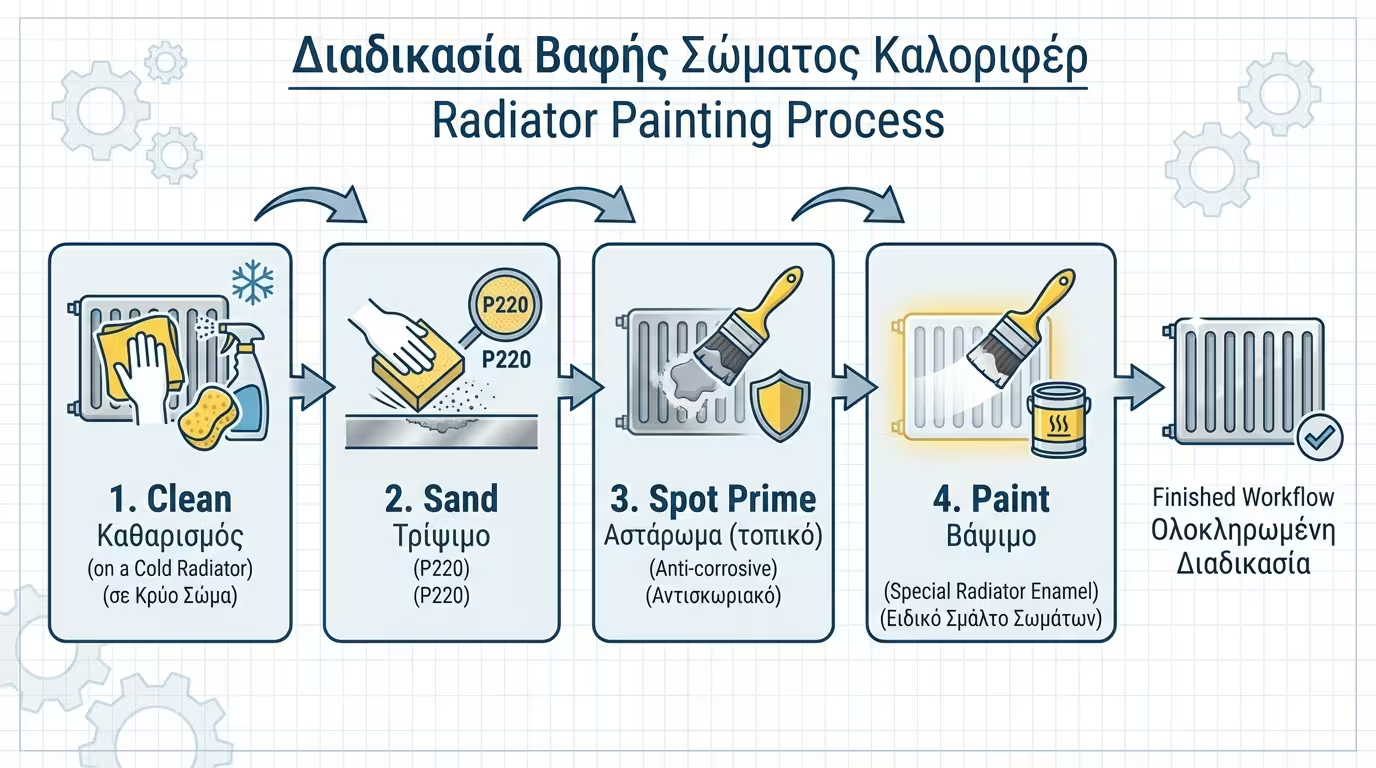
Success depends on preparation:
Remove dust and grease. Sand lightly with No 220 sandpaper to create a "tooth" in the old paint.
If there are rusted spots, sand down to bare metal and apply a high-temperature anti-corrosive primer.
Prefer water-based acrylic polyurethane. It dries fast, is odorless, and does not yellow.
Wait at least 48 hours before turning on the radiator so the paint can develop its final strength (curing).
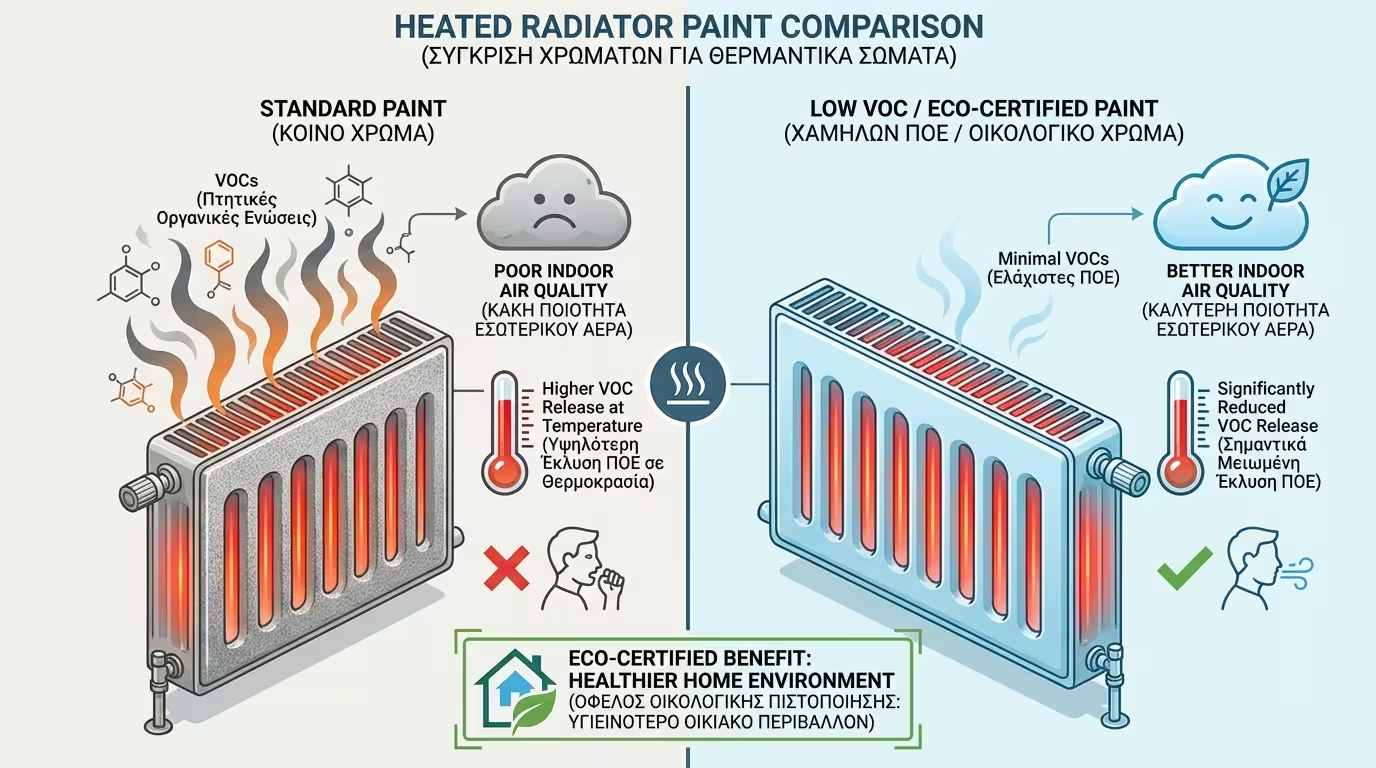
When a painted body is heated, any residual solvents are released into the air. Using eco-friendly paints (Low VOC) is critical, especially in bedrooms and children's rooms.
📐 Technical Note: Modern water-based radiator paints comply with the strictest emission limits, ensuring that your home heating won't be accompanied by unpleasant and unhealthy odors.
Return to category.
Go to categoryReturn to the central guide.
Go to guideReturn to the main metal painting guide.
View moreDo you want to change the color of your radiators with a professional result?
Contact us