
🚿 Freshwater Rinse
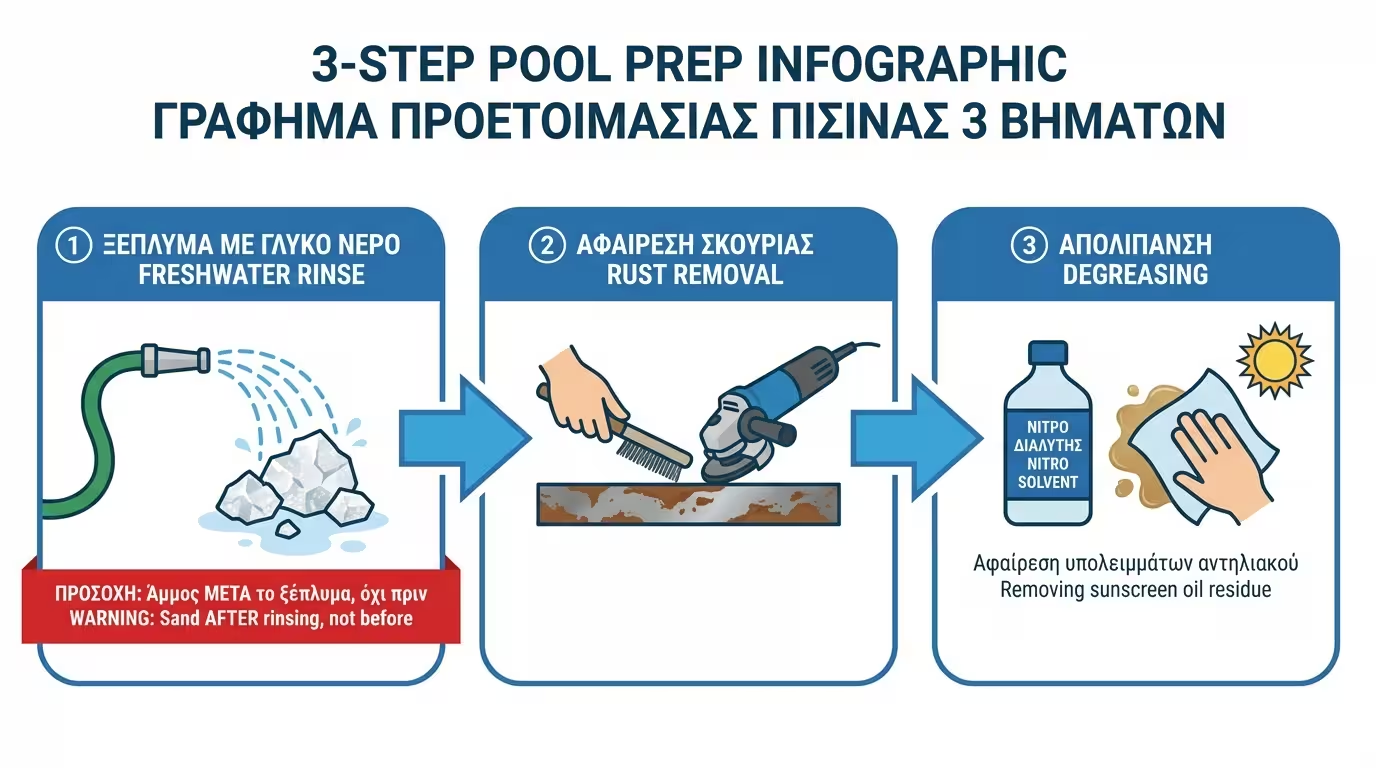
Before anything else, rinse thoroughly with plenty of clean water. If you sand while chlorine residues remain, you'll trap them in the pores - corrosion under the paint.
The pool environment is one of the harshest testing grounds for metals. Learn the right materials and techniques for permanent protection.
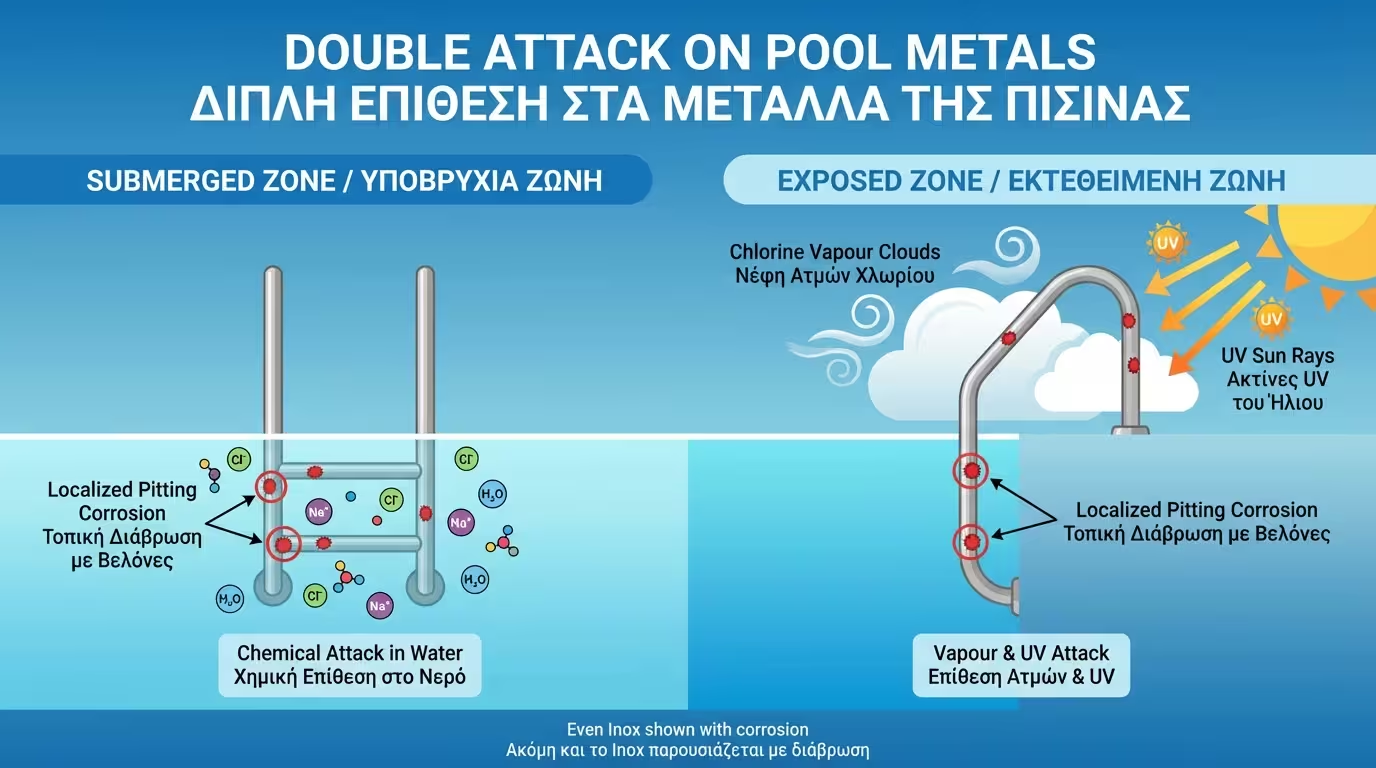
Metals face a double attack: submerged parts (ladder bases) endure chemical stress, while exposed parts (railings, canopies) suffer chlorine vapour and UV. Even stainless steel (Inox) is not immune - chlorine causes localised pitting corrosion.
Preparation in the pool environment is unique due to salt and chlorine deposits.
Before anything else, rinse thoroughly with plenty of clean water. If you sand while chlorine residues remain, you'll trap them in the pores - corrosion under the paint.
Mechanical removal with grinder, wire brush or abrasive blasting.
Wipe with nitro solvent for an absolutely clean surface free of sunscreen oils and contaminants.
Two main categories of pool paints, depending on requirements and experience level:
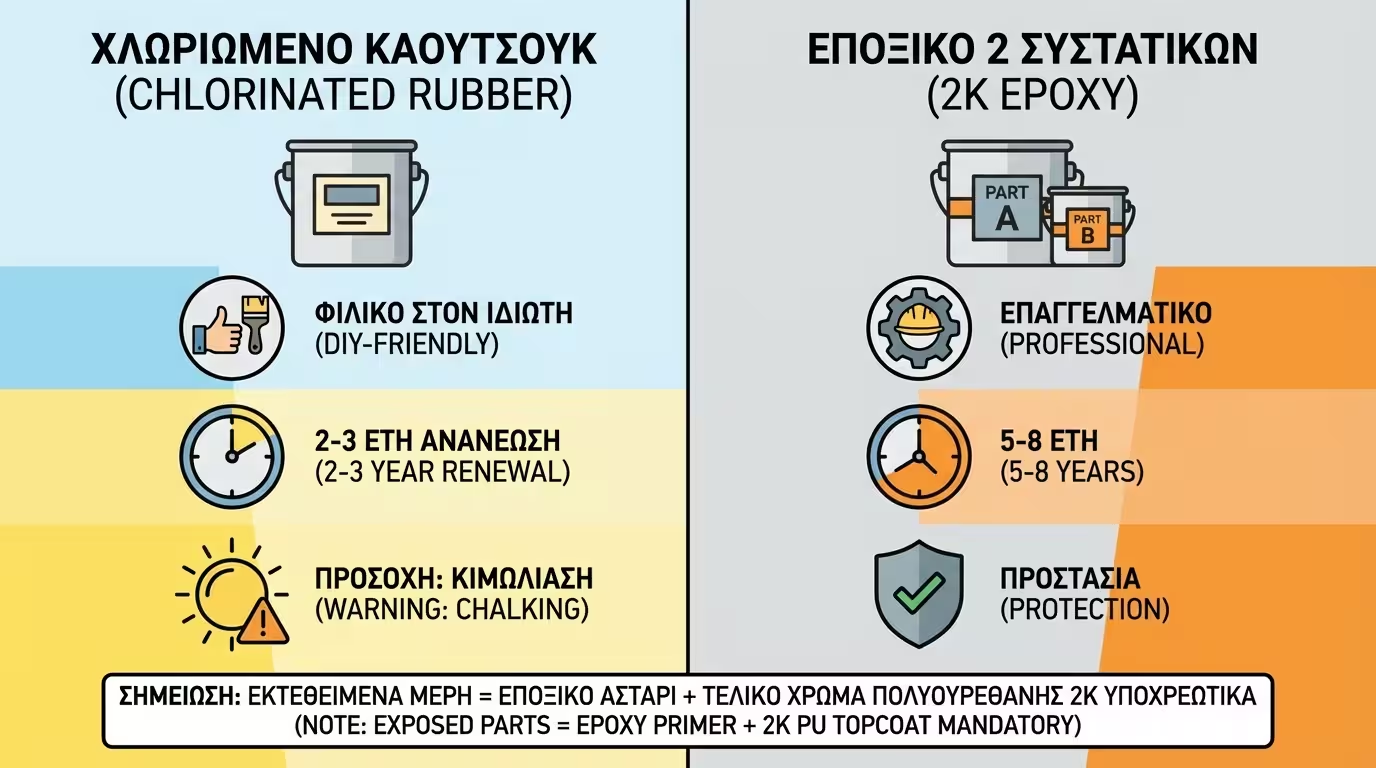
The easiest DIY solution (single-component). Good chemical resistance, easy application. Downsides: wears faster (renewal every 2-3 years), chalks in sunlight.
Impervious, hard film with excellent resistance to chlorinated/saltwater - 5 to 8 years before renewal. Weakness: poor UV resistance. On exposed parts (pool railings), used strictly as primer and sealed with a 2K PU topcoat.
Stainless steel ladders and handrails take heavy punishment in the pool environment.
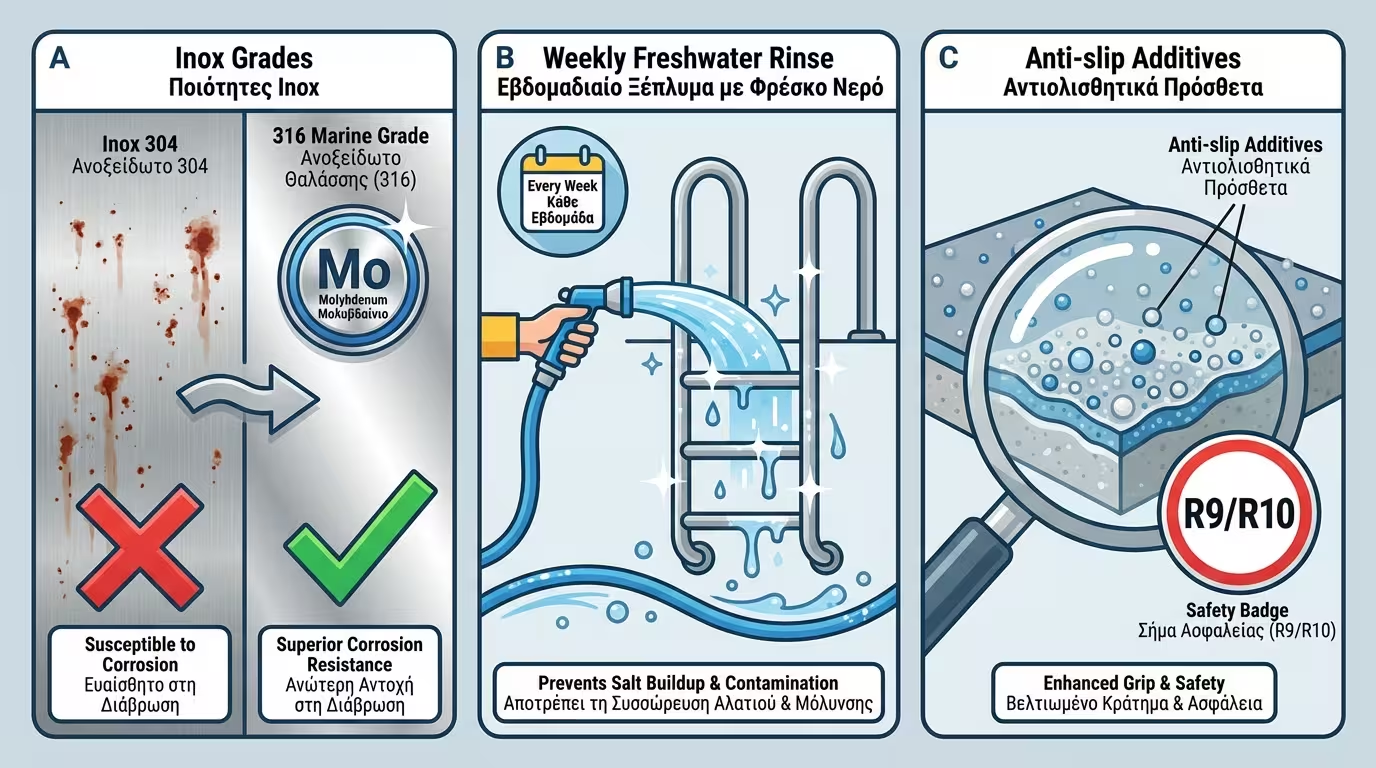
Common Inox 304 develops staining. Recommended: Grade 316 (Marine Grade) with molybdenum - outstanding chloride resistance.
Weekly rinse with freshwater to remove chlorine and salt deposits.
On painted metal steps, add anti-slip additives to the topcoat - achieving R9 or R10 safety rating.
Indoor pool environment: C4 (High). Submerged structures: Im1 (freshwater) or Im2/Im4 (seawater). Heavy-duty High Build epoxy systems required.
Before painting, measure chloride levels with a Bresle Test. If concentration is high, re-wash - otherwise osmotic pressure will cause blistering under the coating.
Return to category.
Go to categoryReturn to the central guide.
Go to guide