Curing Time
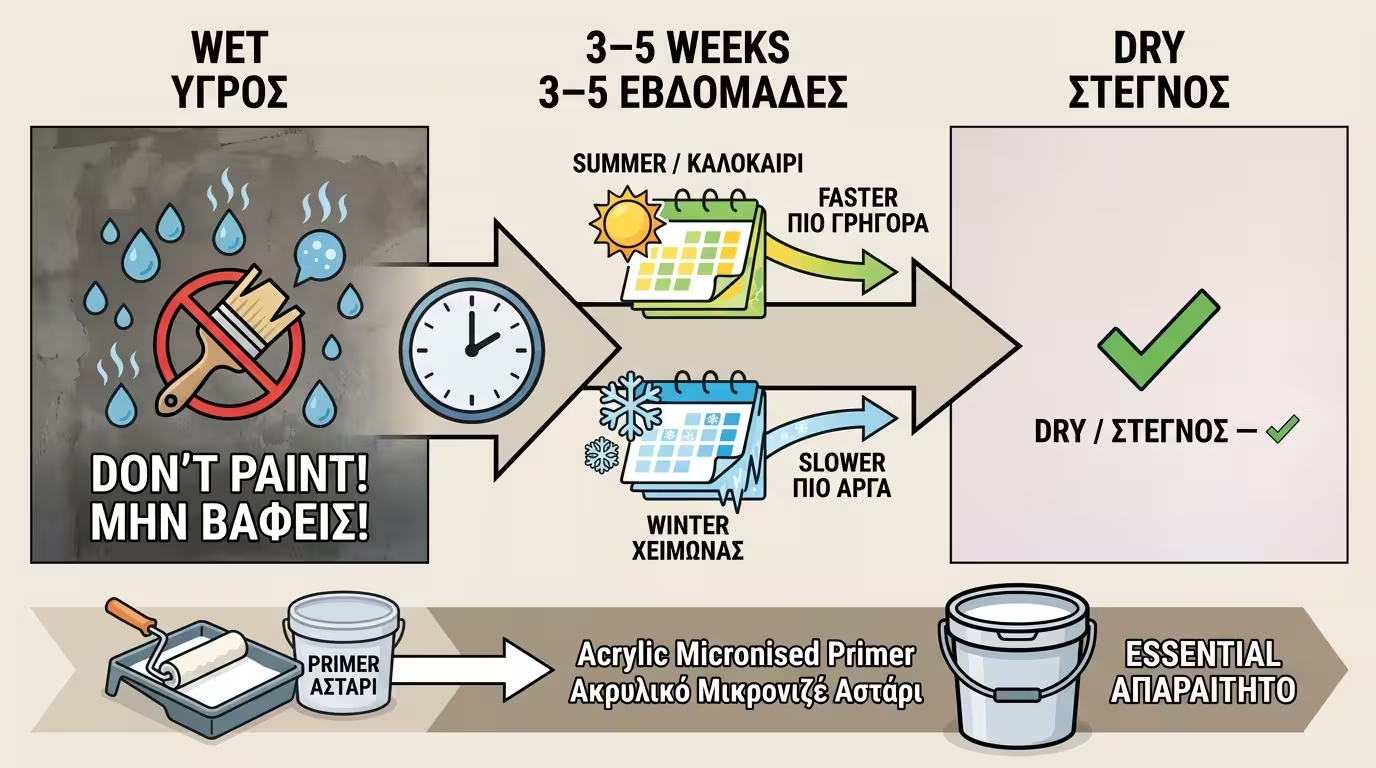
3–5 weeks depending on thickness, ventilation and season. Painting too early = blistering, peeling, cracking.
A new wall isn't just a blank canvas. It has chemical reactions in progress, holds moisture and has uneven absorbency. The rush to paint is the number one cause of coating failure. Here's what you need to know.
Traditional plaster (cement, sand, lime) is highly alkaline and needs time to equilibrate:
3–5 weeks depending on thickness, ventilation and season. Painting too early = blistering, peeling, cracking.
Wet = dark grey/brown. Dry = uniform light white/pink, doesn't feel cold to the touch.
Essential: new plaster "thirsts." Without primer it absorbs all resin → patchy result. The primer seals pores + creates an adhesion bridge.
Dry-lining doesn't require a long wait, but two different surfaces (paper + filler) absorb paint completely differently:
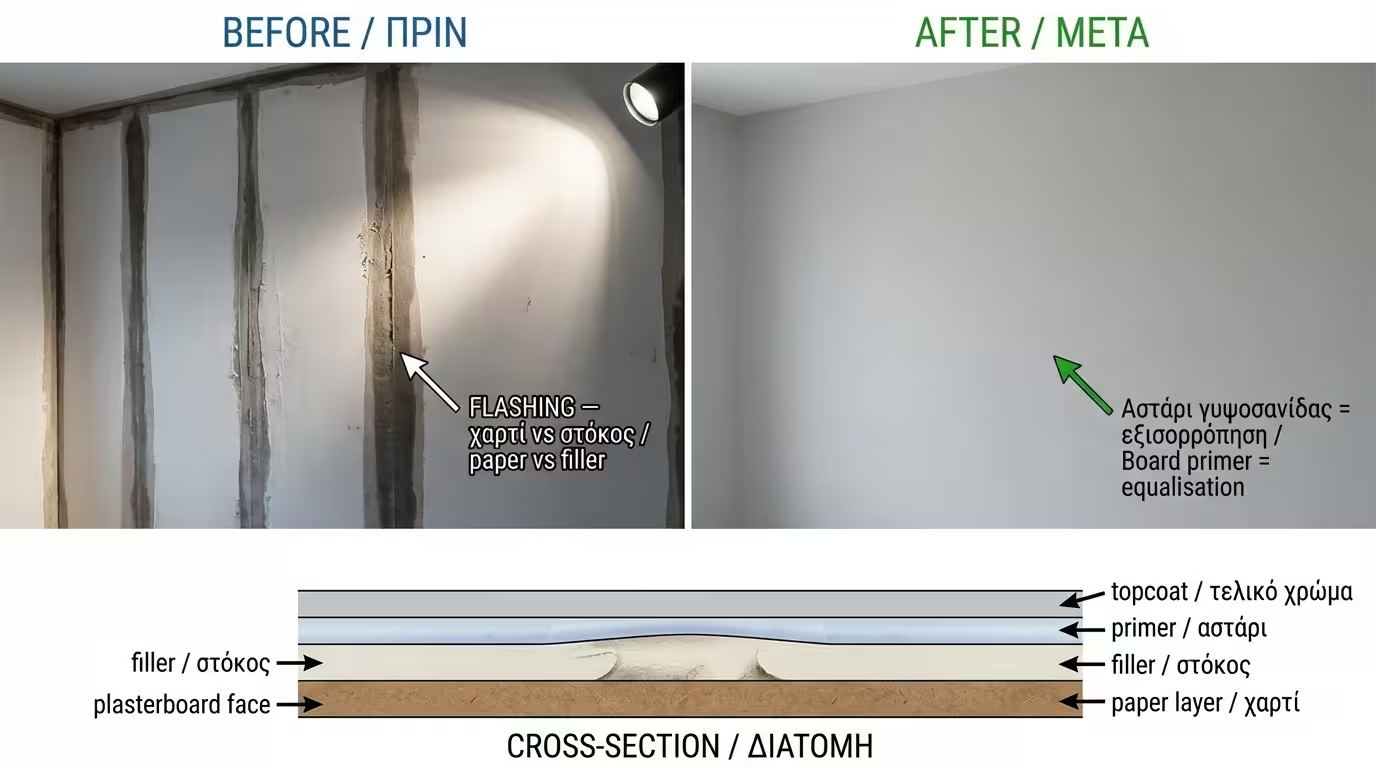
Fibre tape or paper tape at joints, filler, sand with fine-grit paper (No. 180) = smooth surface.
Without primer: shadows + visible joints (flashing) under side-lighting. A plasterboard primer equalises absorbency across paper and filler.
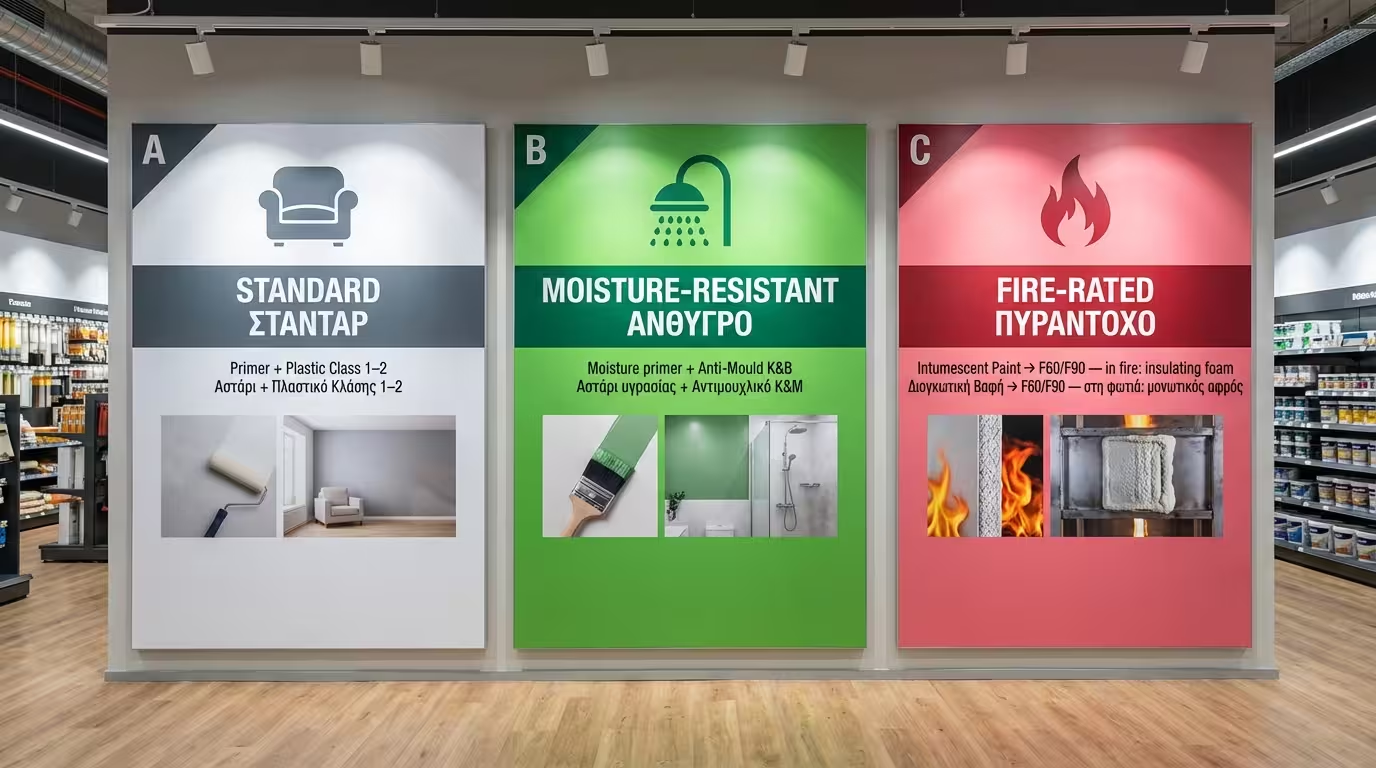
Each plasterboard type requires a different painting strategy:
Spaces: living rooms, bedrooms. Standard primer + eco emulsion (Class 1–2). Matte hides construction imperfections.
Spaces: bathrooms, kitchens, basements. Waterproofing primer + Anti-Mould (Kitchen & Bath) or anti-condensation paint.
Spaces: boiler rooms, fireplaces, stairwells. Intumescent paint: in fire it swells → insulating char foam - maintains fire rating (F60/F90).
A quick comparison to choose correctly:
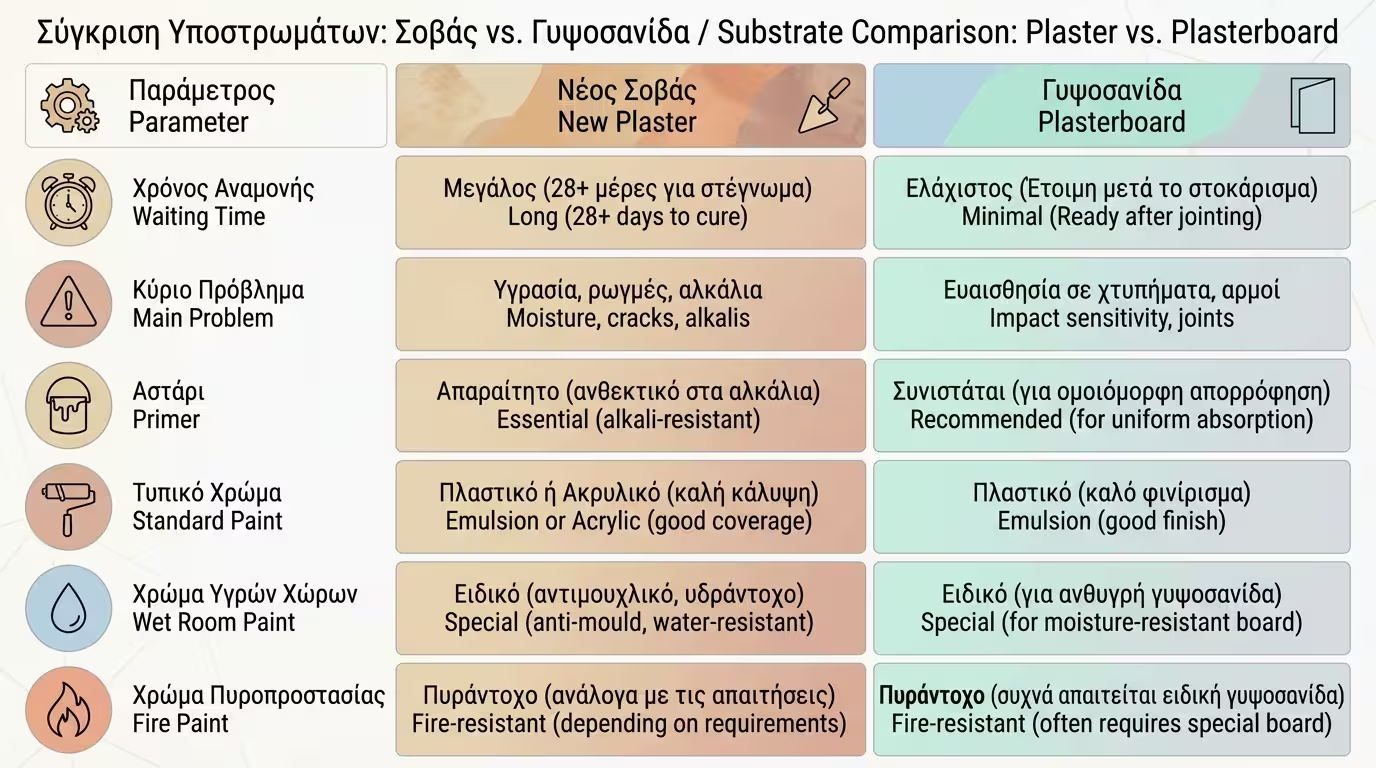
| Parameter | New Plaster | Plasterboard |
|---|---|---|
| Waiting time | 3–5 weeks | 24–48 hours (filler) |
| Main problem | Trapped moisture | Uneven absorbency (flashing) |
| Primer | Acrylic micronised | Plasterboard-specific |
| Paint (standard) | Emulsion Class 1–2 | Emulsion Class 1–2 |
| Paint (wet room) | Anti-Mould K&B | Anti-Mould K&B |
| Paint (fire safety) | - | Intumescent |
New plaster demands patience to dry and a quality micronised primer - otherwise the paint peels. Plasterboard demands equalisation via primer for invisible joints. In every case, choose the right topcoat (standard, anti-mould or intumescent) to match the board type.
Return to category.
Go to categoryReturn to the central guide.
Go to guide