☀️ UV Photodegradation
The sun breaks down the lignin that binds wood fibers together. Without UV filters, the surface becomes "dusty" and grey, allowing the topcoat to lose its anchorage and eventually peel off.
Pergolas and fences are the most vulnerable wooden structures on any property. Constantly exposed to vertical rain, intense overhead sun, and the abrasive action of wind-blown dust, they require more than just a simple coat of paint-they require a dedicated protection system.
Should you use a thick varnish or a thin lasure? How do you ensure that your fence doesn't rot from the bottom up? We explore the engineering behind modern wood protection and provide a professional blueprint for a long-lasting, beautiful finish that won't peel after the first winter.
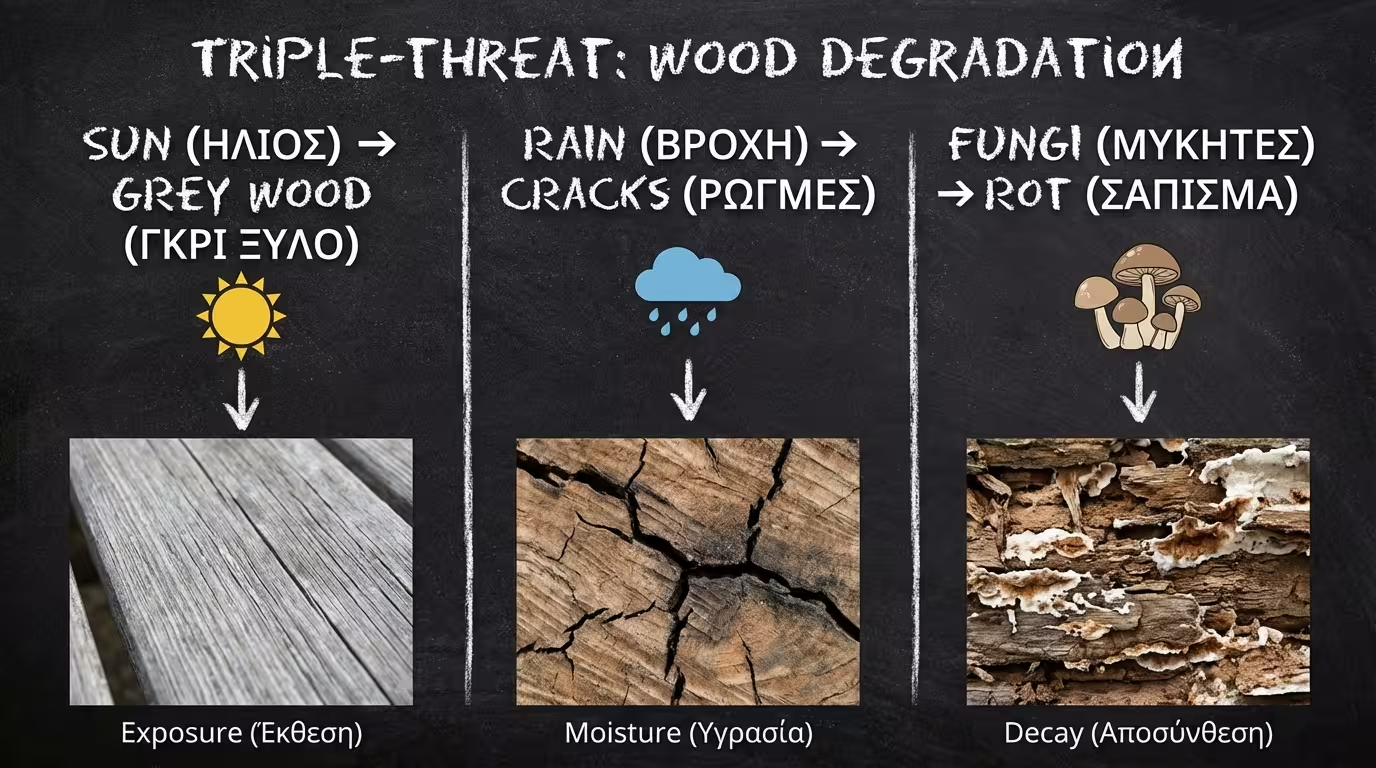
Three "enemies" every exterior wood structure faces:
The sun breaks down the lignin that binds wood fibers together. Without UV filters, the surface becomes "dusty" and grey, allowing the topcoat to lose its anchorage and eventually peel off.
Wood is hygroscopic; it absorbs and releases water. This swelling and shrinking creates micro-cracks in rigid paint films. Once water enters these cracks, the wood begins to rot from the inside.
"Blue stain" and "soft rot" fungi thrive in the moist, warm environments of wooden joints. Without a biocidal primer, the wood structure can be compromised beyond repair within just 3-5 years.
Every proper exterior protection system includes:
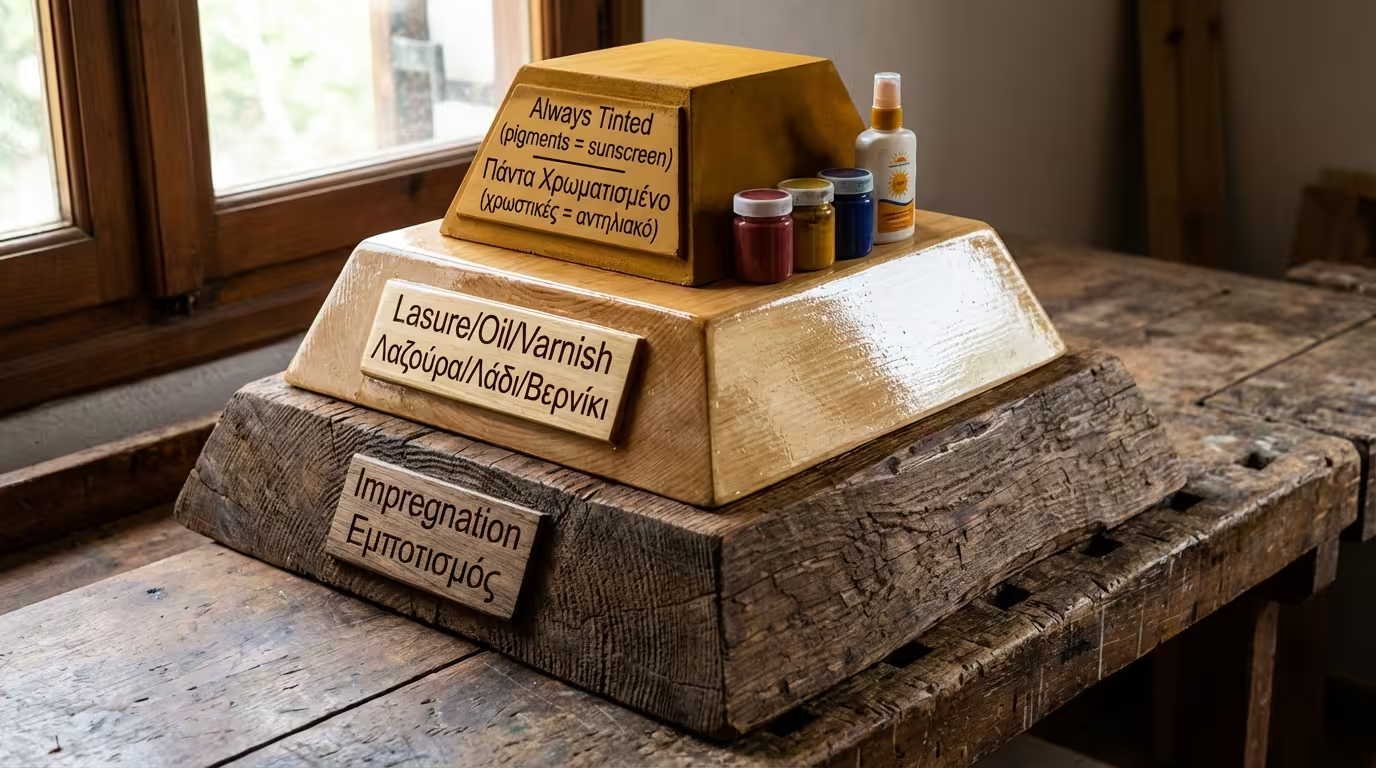
The foundation of the system is a thin Impregnation Preservative. It must contain fungicides and insecticides (complying with EN 599-1) to "poison" the wood against biological threats.
The topcoat must be "breathable". If we trap moisture inside the wood with an impenetrable plastic film, the resulting vapor pressure will eventually "push" the paint off in large flakes.
Always choose semi-transparent or opaque pigmented colors. These pigments act as physical UV blocks (miniature sunscreens) that protect the lignin for significantly longer than clear alternatives.
The big choice per application:
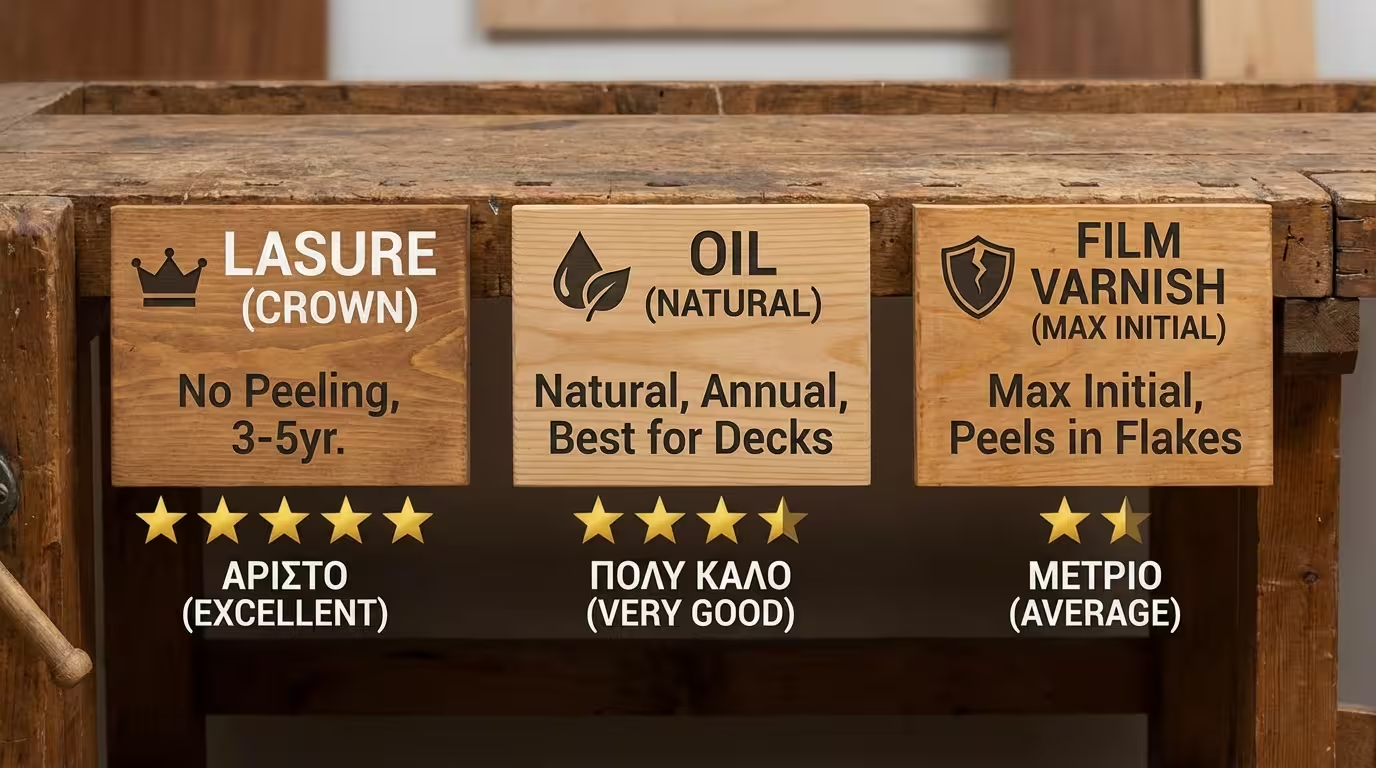
The "Gold Standard" for pergolas. It is semi-permeable and never peels in flakes. When it's time to maintain (after 3-5 years), you simply wash, light-sand, and recoat.
Offers the most natural, matte "premium" look. Perfect for fences where you want a rustic aesthetic. The downside is the need for annual or bi-annual "refreshing" coats.
Creates a hard, glossy shell. While initially beautiful, it is too rigid for large outdoor structures. Once it cracks, maintenance requires total removal by stripping/sanding.
⭐ For pergolas and fences Lasure is the best balance of durability and easy maintenance.
Step-by-step correct application:
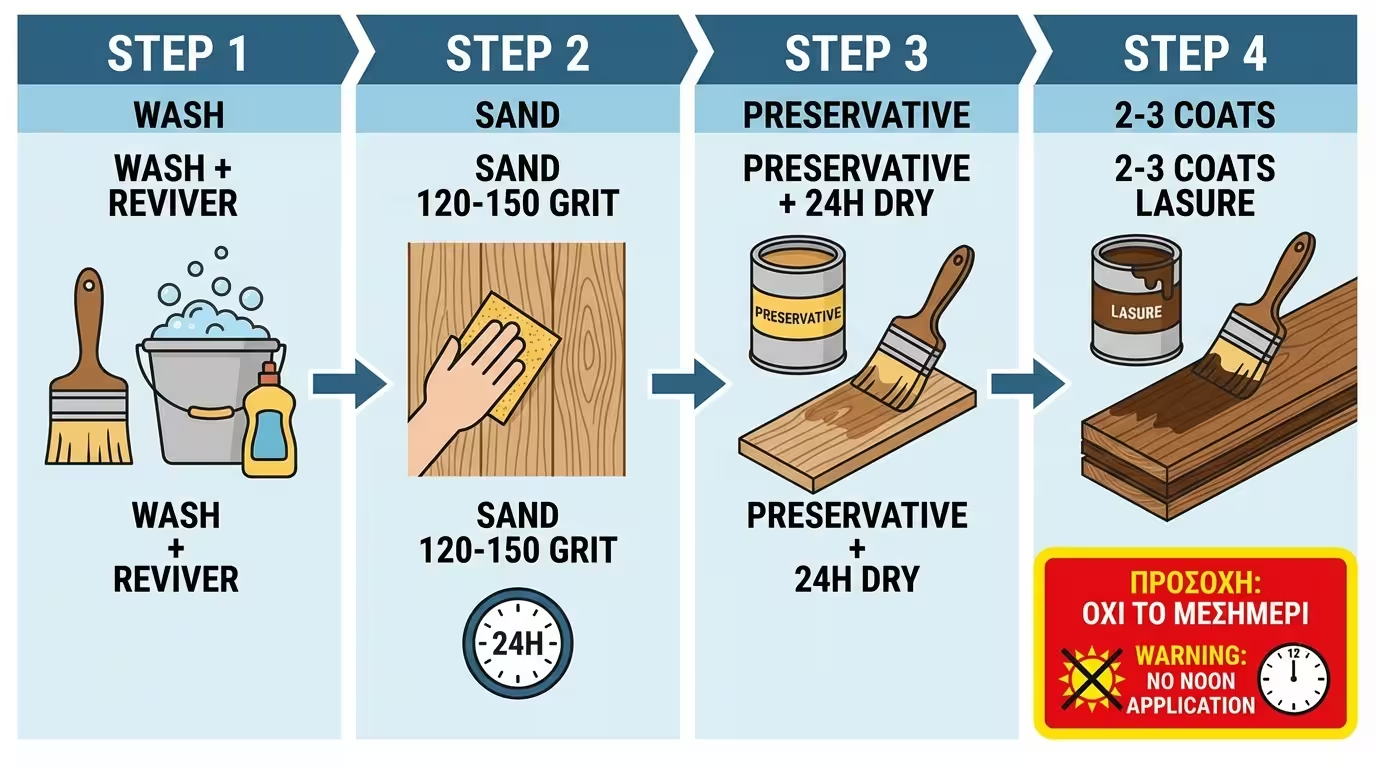
Remove any mildew with a bleach solution or Wood Reviver. Ensure the moisture content is <16%; painting over wet wood is the #1 cause of failure.
Sand the wood with 120-150 grit. This opens up the cells of the timber, allowing the impregnation primer to dive deeper into the structure rather than sitting on top.
Apply the preservative generously. Pay special attention to joints and end-grains. Let it stabilize for 24 hours before applying the decorative finish.
Apply 2-3 thin coats of tinted woodstain. Avoid painting at noon in direct sunlight, as the product will dry too fast and won't have time to "anchor" in the grain.
Technical standards and specifications:
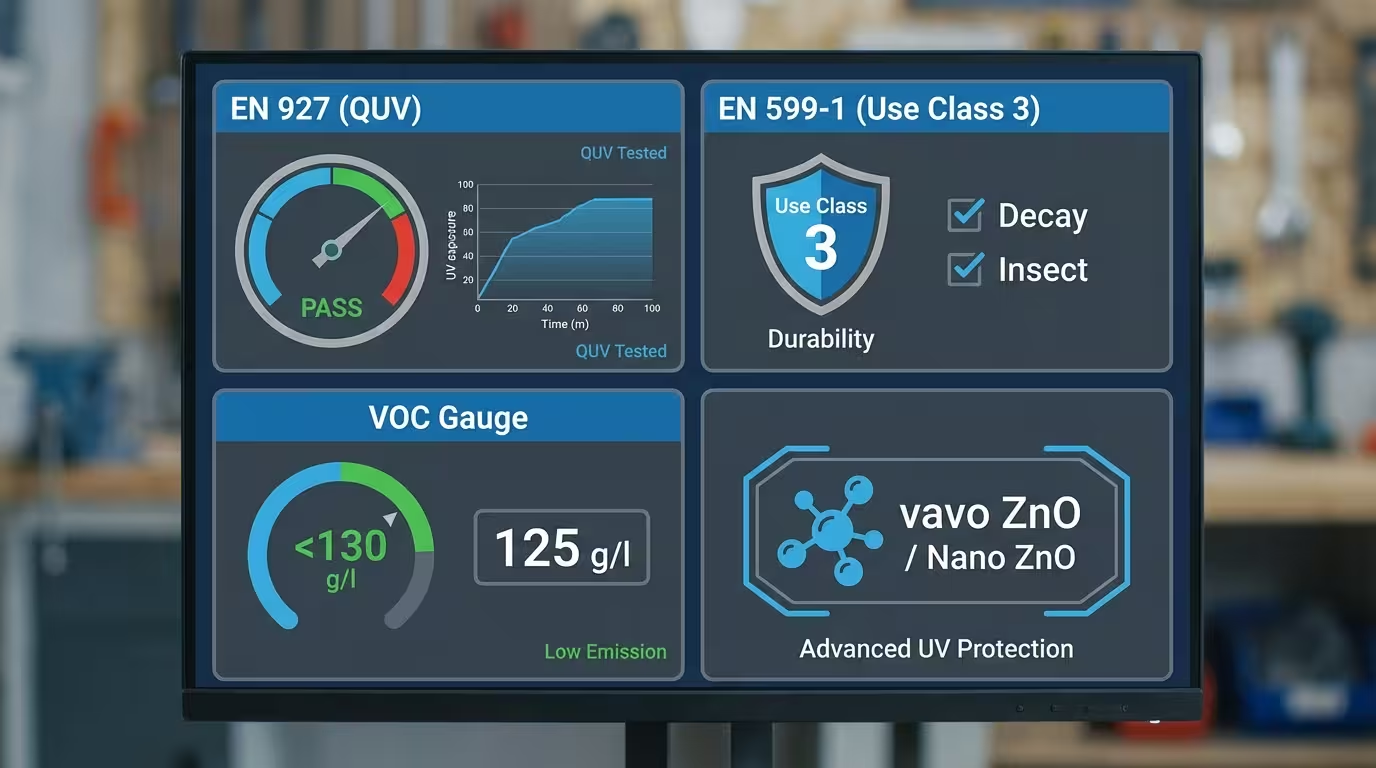
Modern coatings are certified by EN 927-6 for weathering resistance. This ensures the material won't chalk or crack under simulated long-term solar exposure.
For pergolas and fences, preservatives must be Use Class 3. This guarantees protection for wood exposed to rain but not in direct contact with the ground.
Modern water-based hybrids stay far below the 130 g/l limit set by EU Directive 2004/42/EC, making them safe for garden environments and professional use.
Return to category.
Go to categoryReturn to the central guide.
Go to guide