🏠 Renovation Paint
Specialised water-based paints (Additiv technology) for lacquer/melamine. No primer needed, satin finish, withstands frequent washing.
The smooth, glass-like lacquer surface is the biggest challenge in painting - just paint on top and it will slide off and peel instantly.
The paint industry has created products that forgive the lack of sanding:
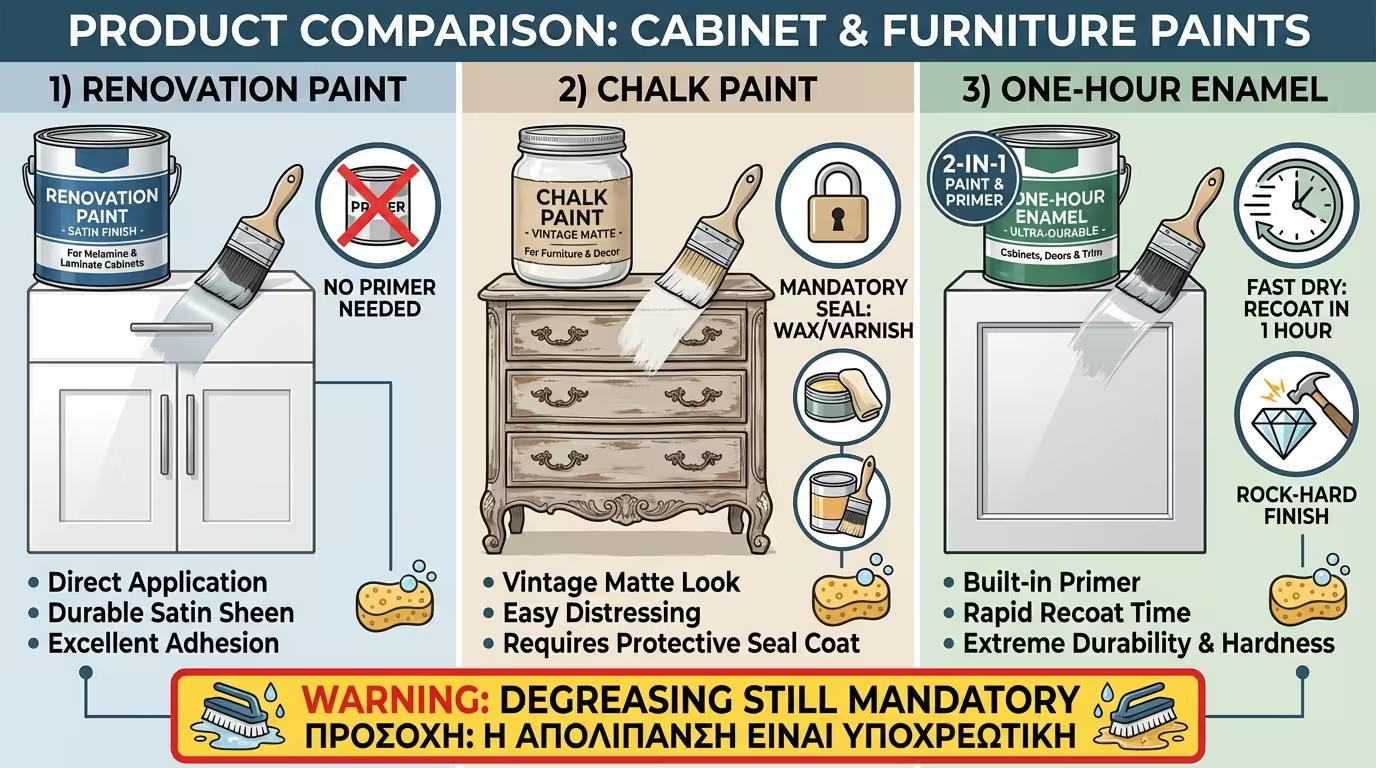
Specialised water-based paints (Additiv technology) for lacquer/melamine. No primer needed, satin finish, withstands frequent washing.
Adheres to any surface (even glossy lacquer) without sanding/primer. Matte vintage (shabby chic). Must seal (wax or matte varnish)!
2-in-1 (paint + built-in varnish). Dries blazingly fast, rock-hard finish. Ideal for cabinets/doors.
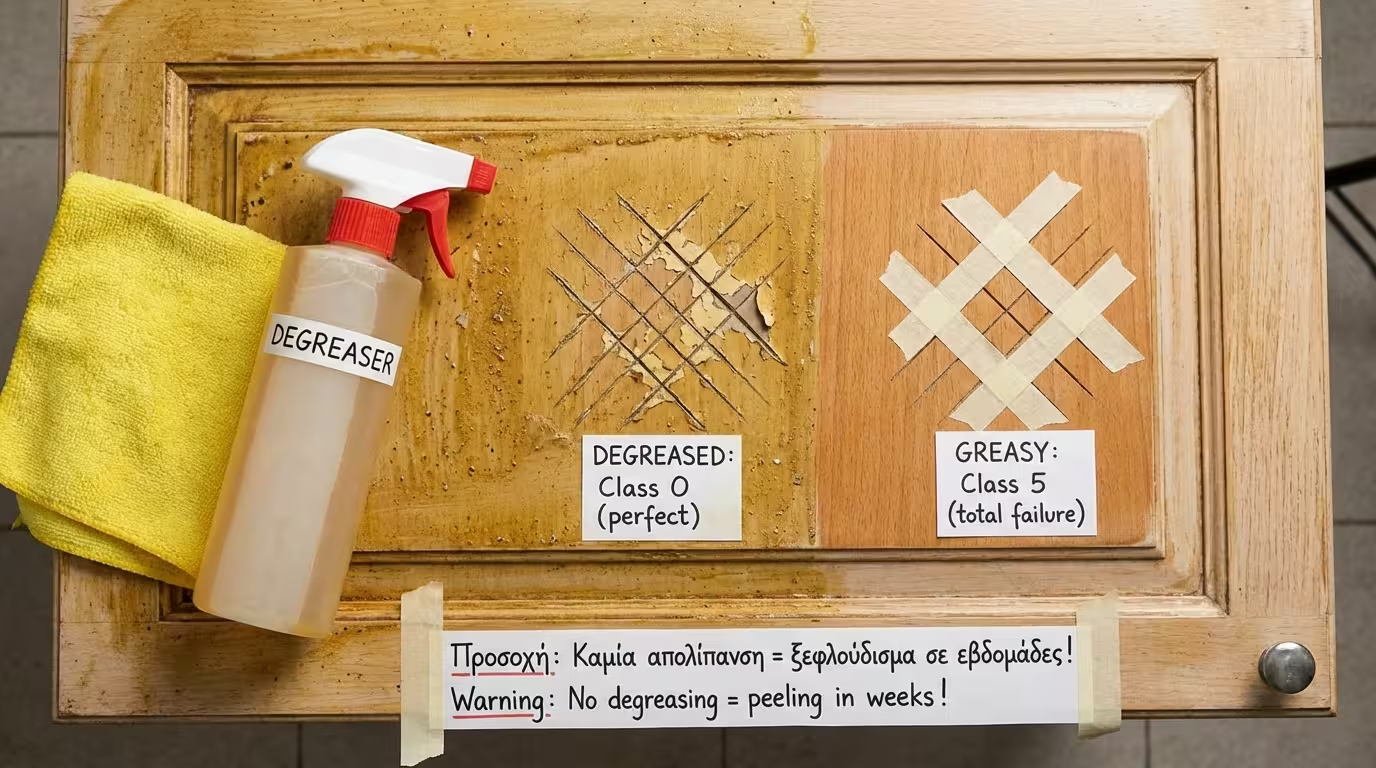
⚠️ Even without sanding: thorough degreasing with a powerful degreaser is NON-NEGOTIABLE. If there's grease, no paint will stick.
For a flawless, "factory" result with zero risk of peeling:
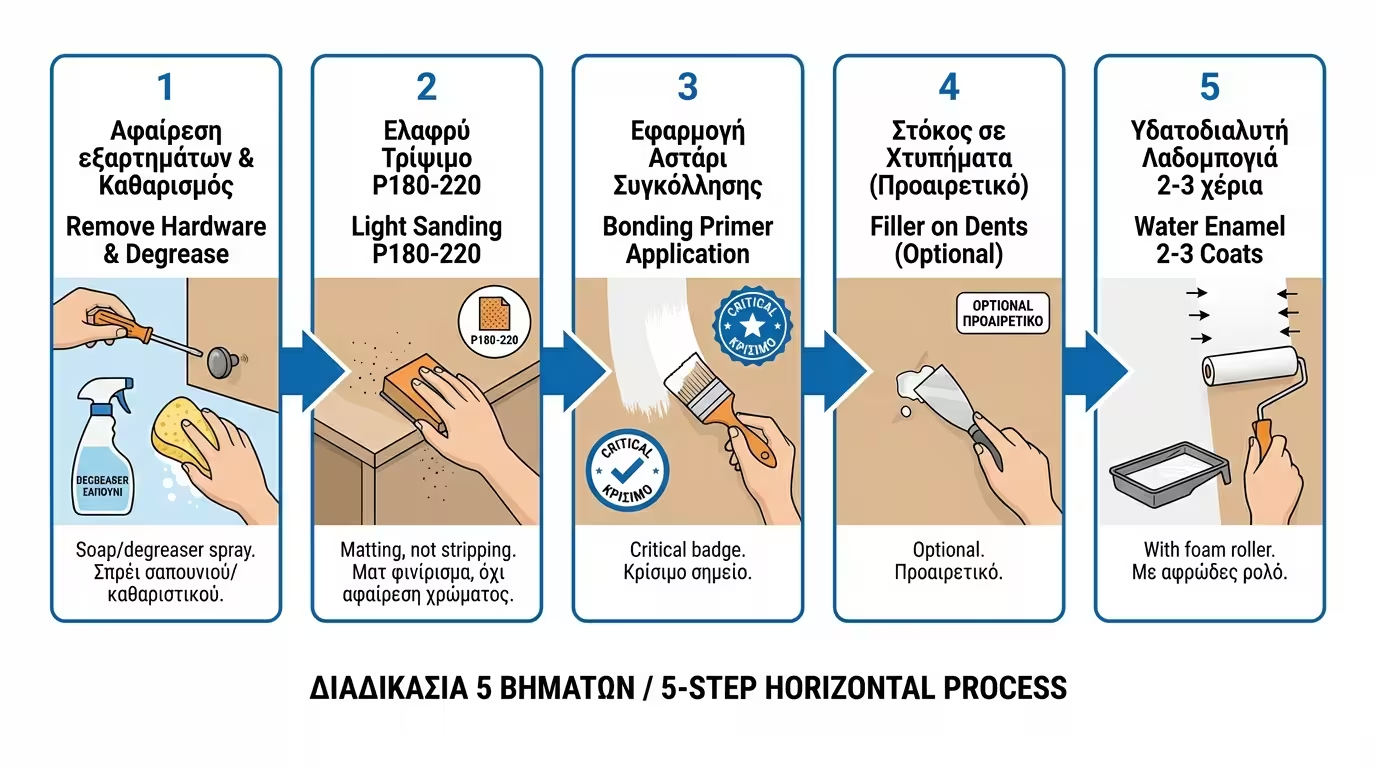
Remove handles, hinges. Thorough degreasing with soapy water or specialist degreaser.
Don't remove the lacquer - just roughen for microscopic scratches ("tooth"). De-dust perfectly.
The critical step! Eco-friendly water-based acrylic - bridges old lacquer ↔ new paint. Let dry fully.
Only if dents or cracks exist. Acrylic wood filler → dry → sand locally to level.
2-3 thin coats. Foam roller or spray gun. Non-yellowing, hard, washable, no toxic fumes.
Kitchen cabinets collect years of grease and steam. Even with Renovation Paint or Chalk Paint, without thorough degreasing no paint will stick.
💡 Strong degreaser → wipe → rinse → dry. Then paint!
Critical considerations for professional projects:
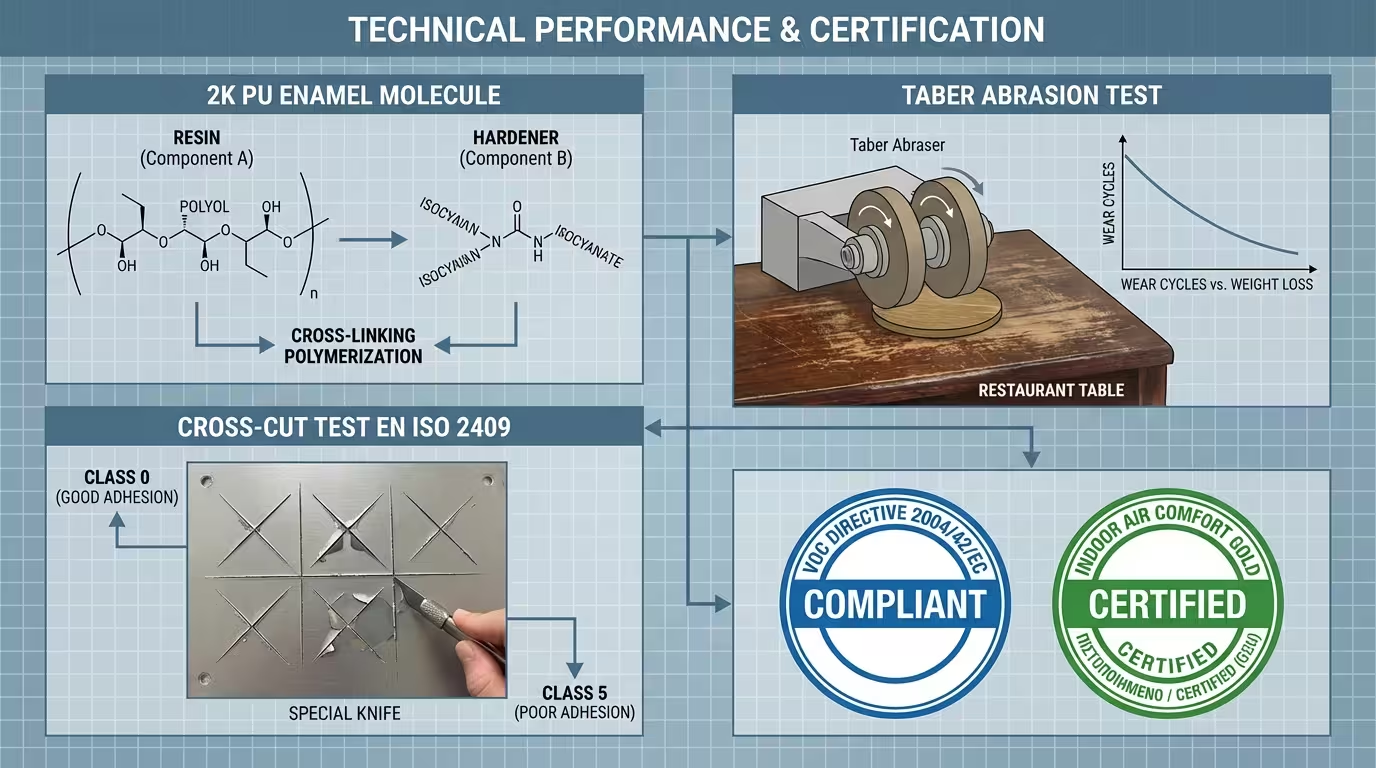
For bars, restaurant tables, counters. Top resistance to chemicals, alcohol, and scratching (Taber Abrasion Resistance).
Adhesion test for bonding primer on old factory 2K lacquer. Class 0-1 = pass.
Two-component (2K) catalyzed enamels initiate molecular cross-linking. This creates a dense polymer lattice that is impermeable to alcohol, grease, and harsh household chemicals.
Older furniture lacquer is likely Pre-Cat (easier to recoat) or Post-Cat (extremely hard, acid-catalyzed). Post-cat finishes require aggressive matting with P150-180 to ensure inter-coat adhesion.
Return to category.
Go to categoryReturn to the central guide.
Go to guide