The Chemistry of the Problem
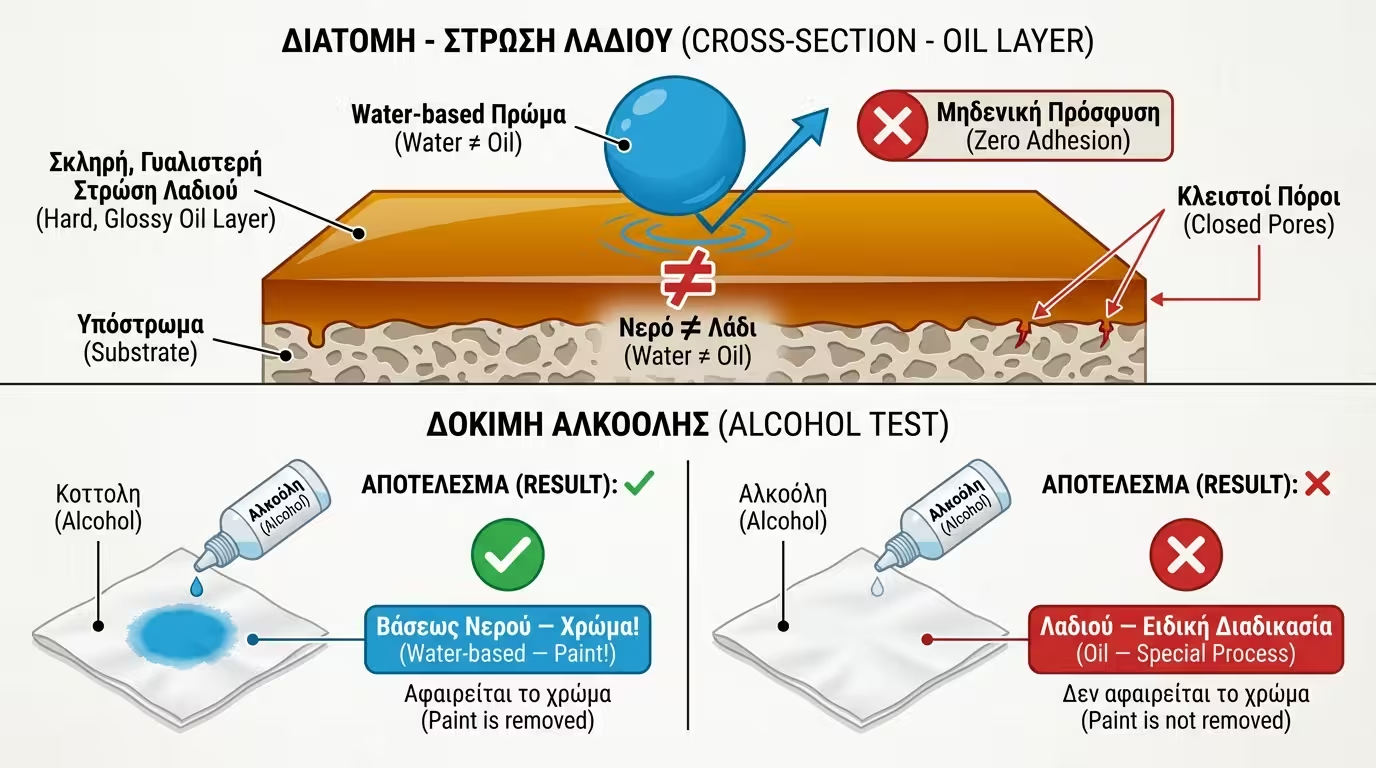
Oil paint (alkyd resin) = hard, glossy, "closed" film. Water-based (acrylic) dries without adhesion - like a sticker on glass.
If you're renovating an older home, you'll encounter walls finished with glossy oil-based paint. Today we want matte or satin water-based emulsions - but applying directly means the new paint will peel like a sticker. Here's why, and how to avoid it.
The rule: water and oil don't mix. Alkyd resin creates a hard, non-porous surface - acrylics can't anchor:
Oil paint (alkyd resin) = hard, glossy, "closed" film. Water-based (acrylic) dries without adhesion - like a sticker on glass.
Wet a cloth with methylated spirits, rub firmly. Softens? → Water-based (safe to paint over). Stays intact? → Oil-based (follow the special process).
The correct transition from oil-based to water-based paint:
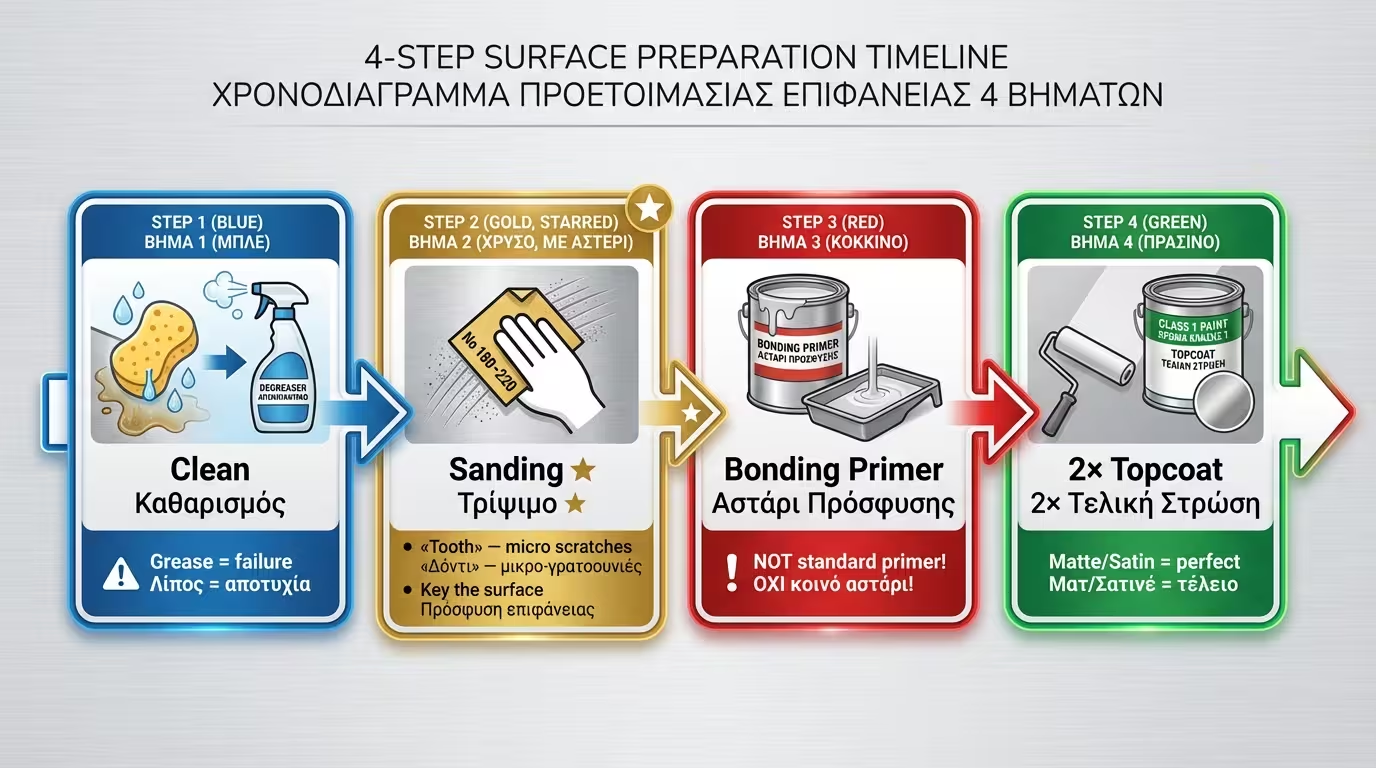
Grease, salts, grime? Hot water + degreaser. If grease remains → even the best primer won't stick.
The most important step! Sandpaper No 180–220 across the entire surface. Goal: "key" the surface - microscopic scratches. Wipe down with a damp cloth.
NOT a standard wall primer! You need a Bonding Primer - sticks like glue even to glass/tiles. Creates a perfect absorbent base.
Once dry (2–4 hours), 2 coats of Class 1 eco emulsion. You keep the durability without the gloss.
For engineers and contractors - standards, chemistry and hazards:
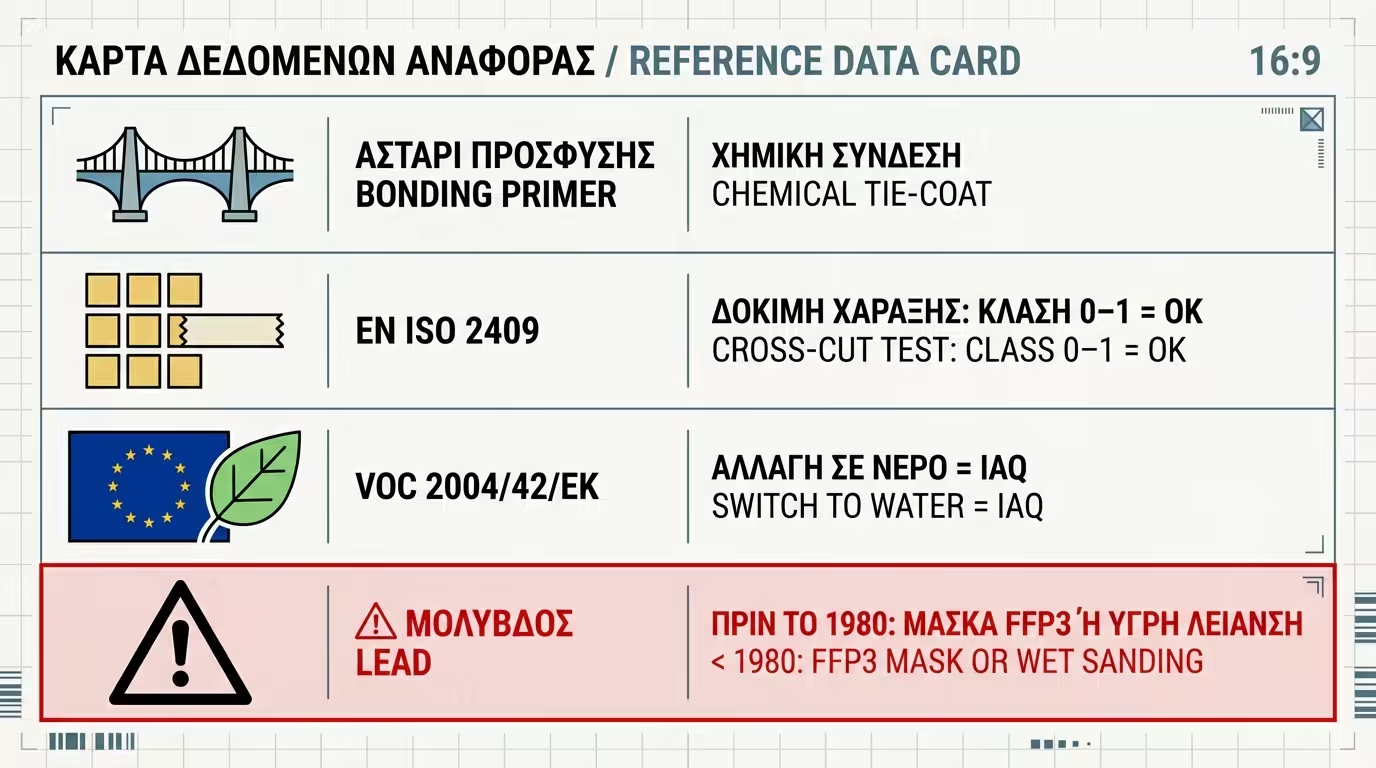
| Parameter | Description | Why It Matters |
|---|---|---|
| Bonding Primer | Chemical tie-coat between alkyd and acrylic polymers | Reduces surface tension - ensures adhesion |
| EN ISO 2409 | Cross-cut test: grid + tape → Class 0–1 = reliable adhesion | Official project handover test |
| VOC 2004/42/EC | Switching to water-based = compliance with EU VOC limits | Indoor Air Quality certification |
| ⚠️ Lead Hazard | Pre-1980 buildings: old oil paints may contain Pb | FFP3 mask or wet sanding - toxic dust! |
Quick decision guide - from wall to final coat:
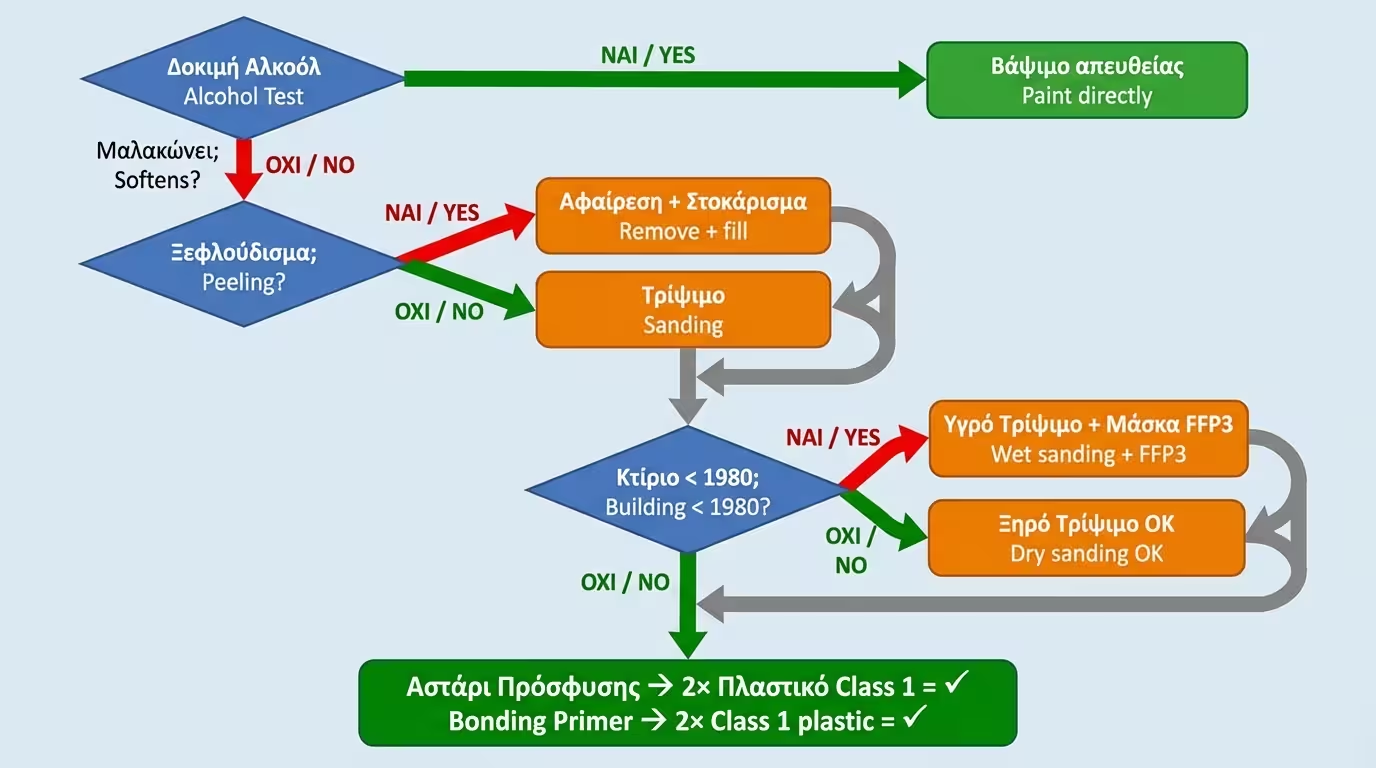
Softens? → Water-based - paint directly. Stays? → Oil-based - proceed to the steps.
Peeling? → Remove loose paint + fill. Stable? → Sand only (No 180–220).
YES → Possible lead. Wet sanding + FFP3. NO → Dry sanding OK.
Bonding Primer (1 coat) → 2× Class 1 emulsion. Result: matte/satin finish with no peeling.
You can ditch the glossy oil paint without stripping the whole house. The secret: proper sanding + Bonding Primer. Skip these steps and you'll pay for the job twice.
Return to category.
Go to categoryReturn to the central guide.
Go to guide