🩹 Salvaging Worn Parquet
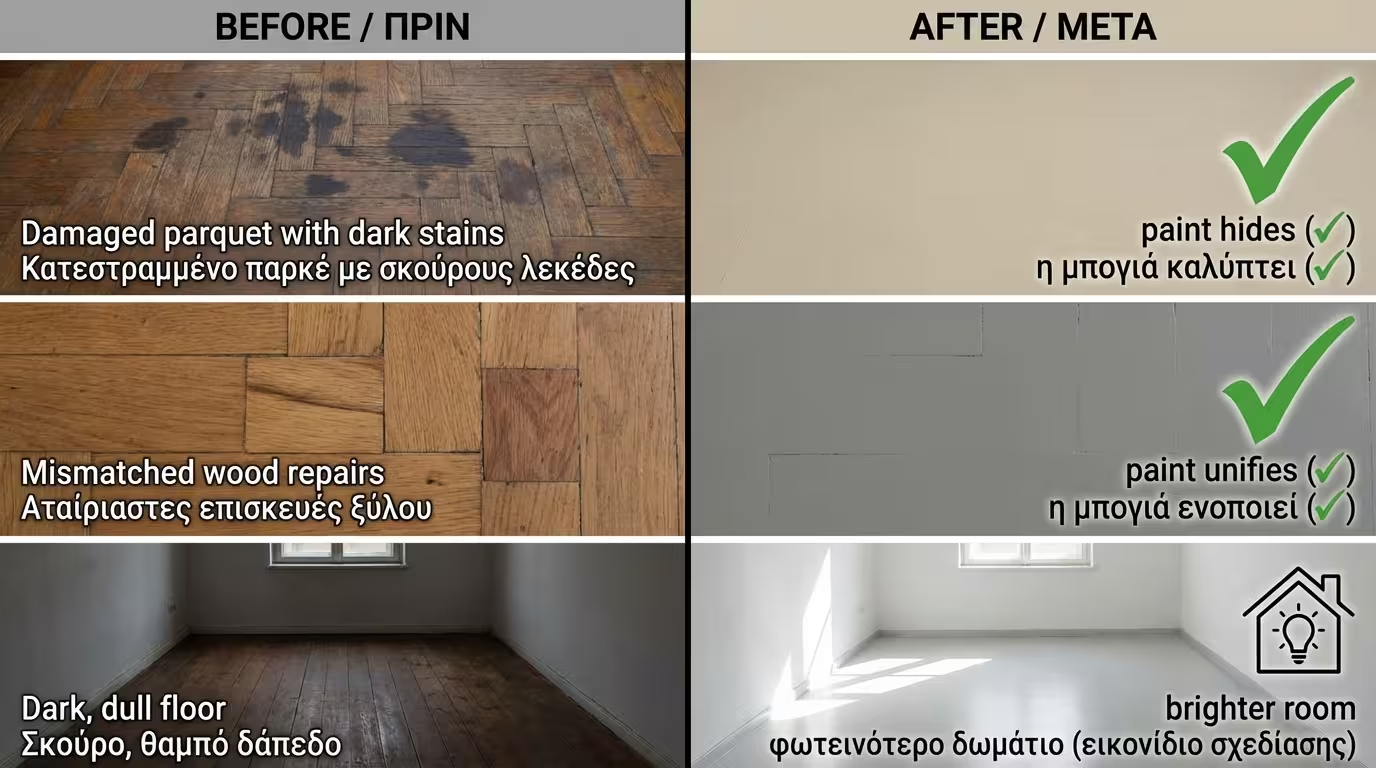
On old floors with permanent stains, darkened "grain" from moisture, or borer holes, varnish would highlight the flaws. Opaque paint hides them under a smooth, uniform surface.
When the natural look of wood can no longer be saved, or when interior design demands a bold change, opaque floor paint provides the solution.
From Scandinavian white to industrial grey, we analyze the technical challenges: the "tannin barrier," the choice between 1K and 2K systems, and the critical top-coating that ensures your new floor remains flawless for years.
Paint instead of varnish is the ideal (and often only) solution:
On old floors with permanent stains, darkened "grain" from moisture, or borer holes, varnish would highlight the flaws. Opaque paint hides them under a smooth, uniform surface.
In renovations where new boards are added that don't match the old ones, painting is the only way to homogenize the floor without "patching" being visible.
White floors (White Wash effect) or deep grey are at the top of trends. They create bright, modern spaces that look larger and cleaner aesthetically.
Standard wall paints or furniture enamels won't survive on floors:
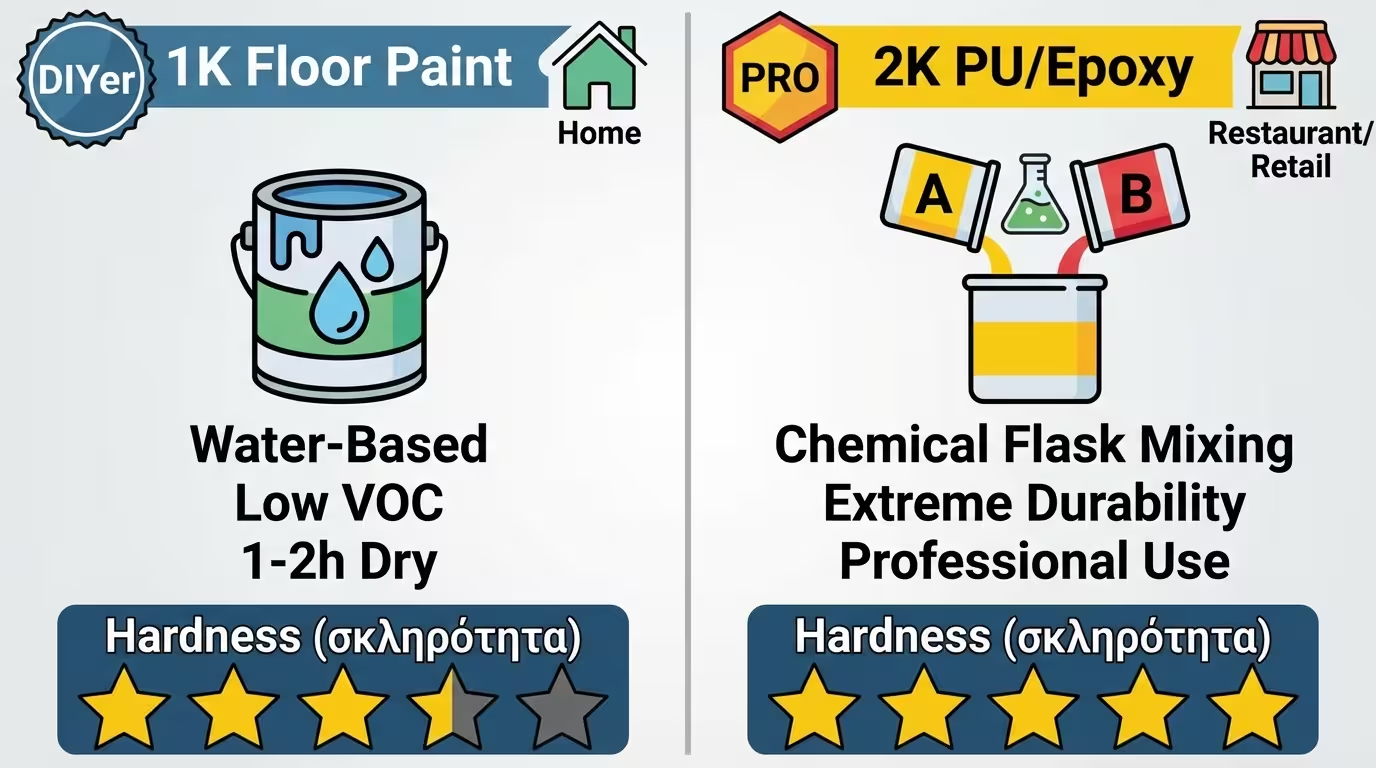
Water-based paints reinforced with PU. They are virtually odourless and ideal for DIY application in bedrooms. They offer good resistance for typical residential use and easy refreshing.
The "king" of durability. Required for heavy-use areas (kitchens, hallways) or commercial spaces. The chemical structure makes it resistant to scratches and strong cleaners.
Success depends 80% on preparation:
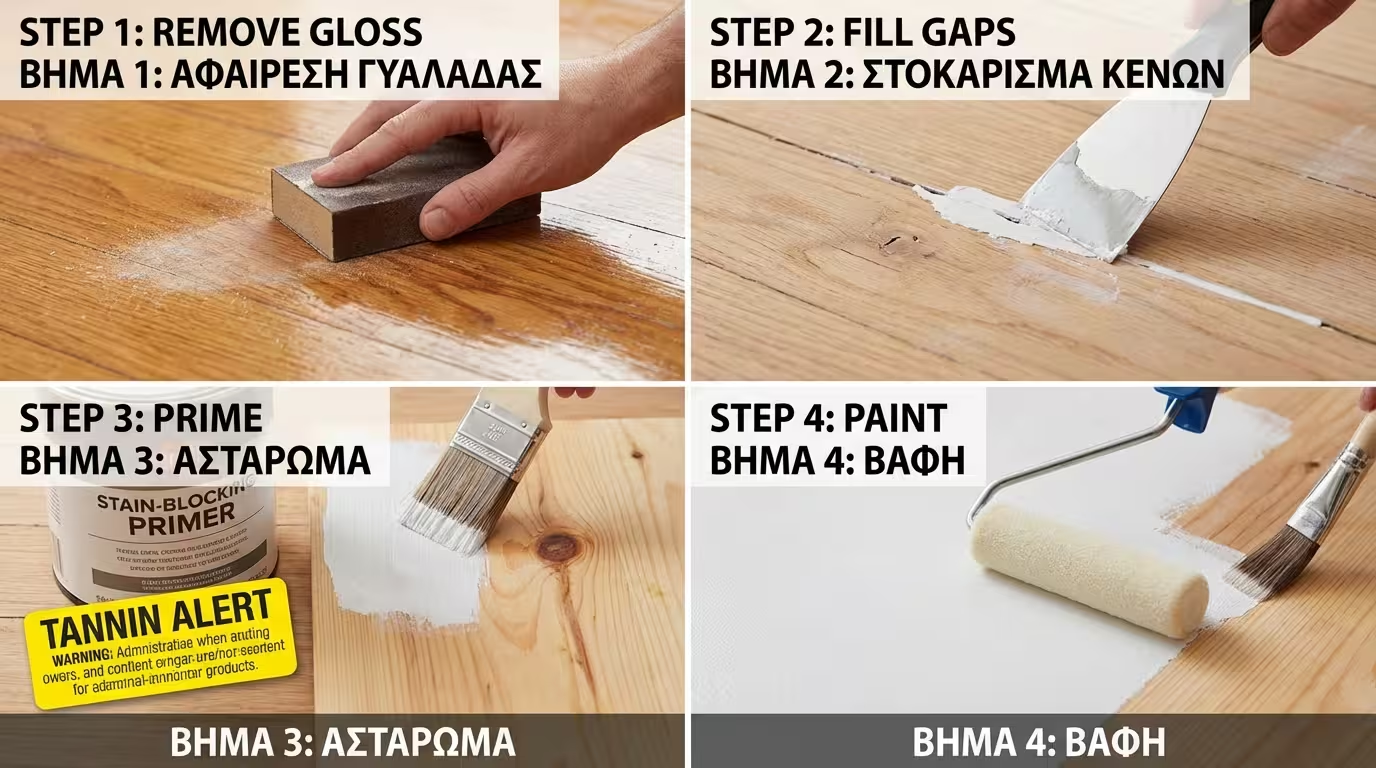
You don't need to reach bare wood if the old varnish is sound, but you must "break" the gloss with 100-120 grit so the new paint can "anchor."
THE MOST CRITICAL STEP. Woods like oak and pine contain tannins. Without a special isolating primer, your white floor will be riddled with yellow and brown stains in just a few weeks.
Apply at least 2-3 coats with a short-nap roller (microfiber). Each coat should be thin to avoid "runs" and ensure even drying.
⚠️ Without proper primer, yellow tannin stains will bleed through your white floor within days.
For professional applications, critical points:
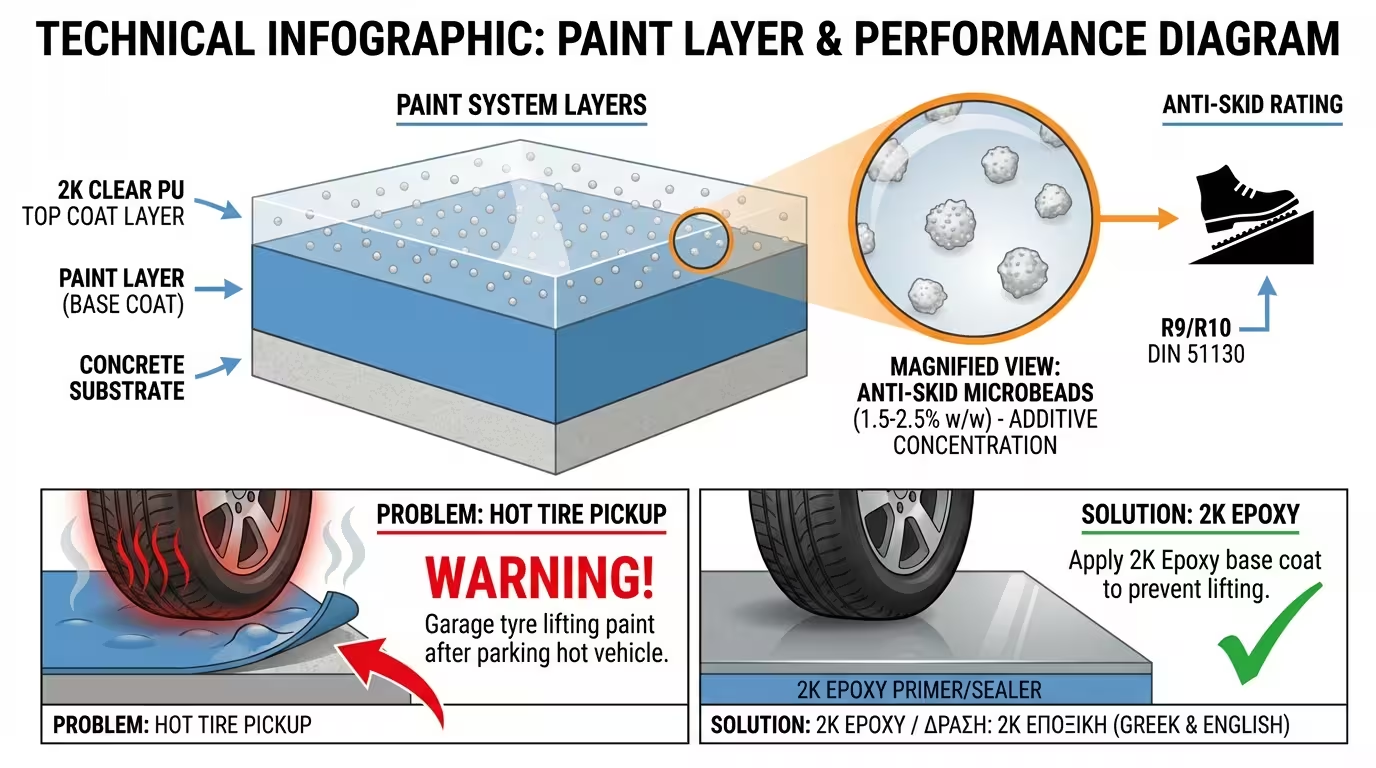
To prevent the paint itself from wearing, apply 2 coats of 2K Clear PU varnish over the paint. Thus, the floor gains the hardness of an industrial floor while keeping the color unchanged.
In the last coat of Top-coat, we add non-slip beads. Especially important for stairs and kitchens where water presence can make the painted floor slippery.
In commercial spaces or garages with wood flooring, watch out for car/trolley tires. A chemically resistant 2K system is required to avoid permanent discoloration.
Return to category.
Go to categoryReturn to the central guide.
Go to guide