🌡️ Ambering & Depth
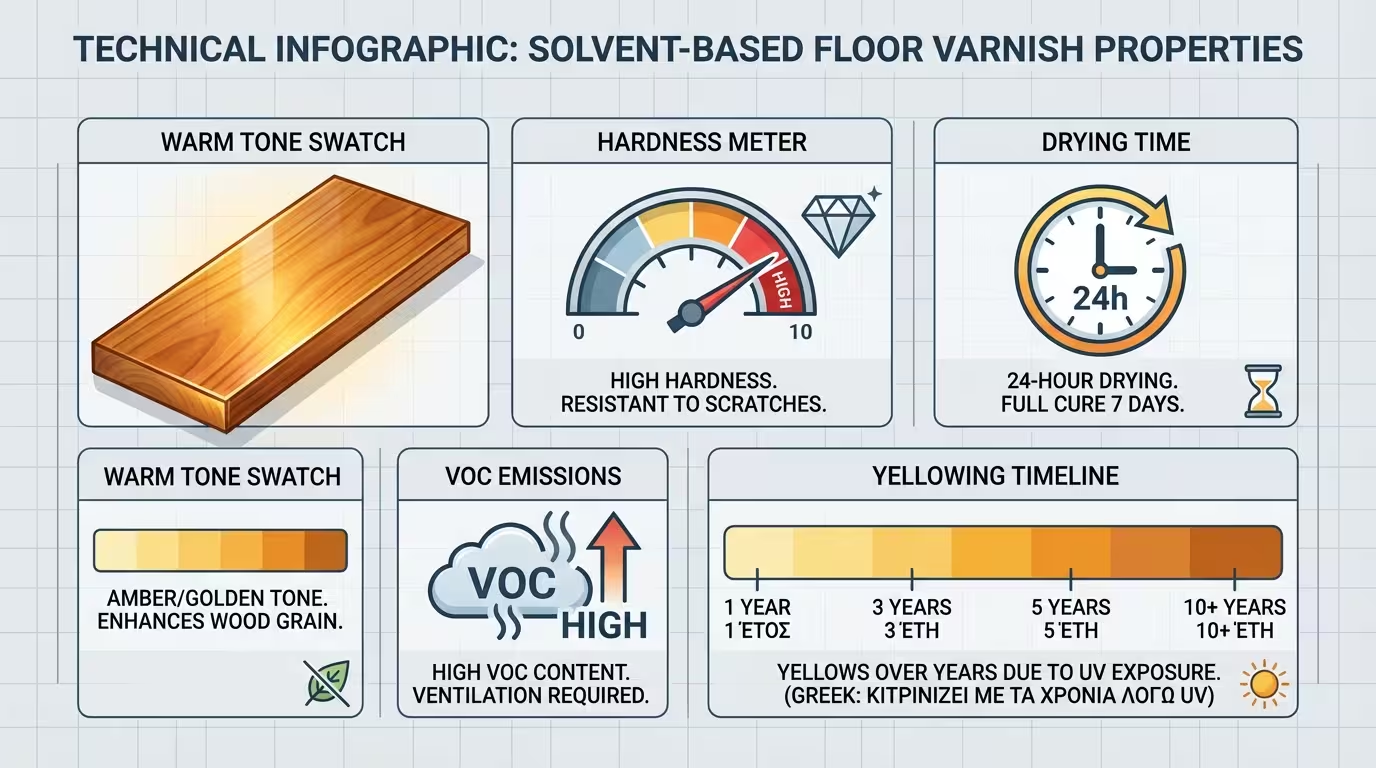
Solvent varnishes penetrate deep and oxidize, giving the wood a classic amber glow. Ideal if you want to highlight the traditional warmth of old oak parquet.
Choosing between water and solvent is no longer just about smell-it's about resin chemistry, cross-linking density, and long-term aesthetic evolution.
We analyze the "ambering" effect, Taber abrasion resistance, and the critical VOC standards that define the future of architectural wood flooring.
The traditional choice used by craftsmen for decades. Based on organic solvents and resins that harden through oxidation.
Solvent varnishes penetrate deep and oxidize, giving the wood a classic amber glow. Ideal if you want to highlight the traditional warmth of old oak parquet.
They create a thick, "plastic-like" film with high solids. While hard, they are more brittle compared to elastic water-based varnishes, which can lead to stress cracking.
The major drawback: High VOCs. The fumes are hazardous to health, and the space requires meticulous ventilation for at least 48-72 hours before re-entry.
Modern water-based varnishes dominate the market, delivering industrial-grade durability with an eco-friendly profile:
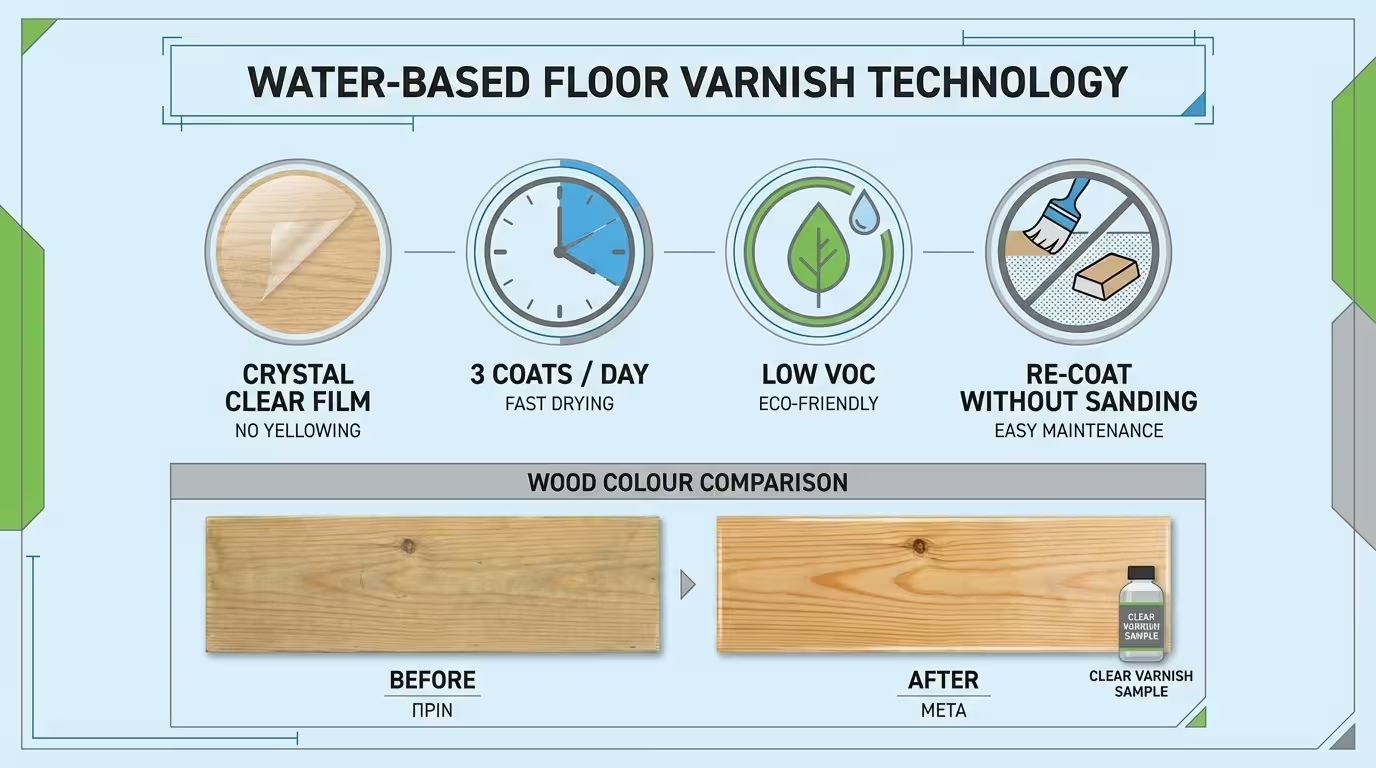
Minimal VOCs, no toxic fumes. They allow for immediate occupancy. Essential for sensitive environments like hospitals, schools, or occupied residences.
Up to 3 coats in a single day. They dry by evaporation and harden through chemical cross-linking, significantly reducing the downtime of any commercial project.
A perfectly transparent aliphatic polyurethane film that never yellows. It preserves the natural, raw look of light woods like maple or ash indefinitely.
Unlike solvent-based films, modern water-based resins are highly elastic. They follow the wood's micro-movements without cracking, ensuring long-term integrity.
Regardless of the varnish type, the secret to a long-lasting floor lies in the system logic: 1 coat of primer followed by 2-3 coats of high-performance varnish.
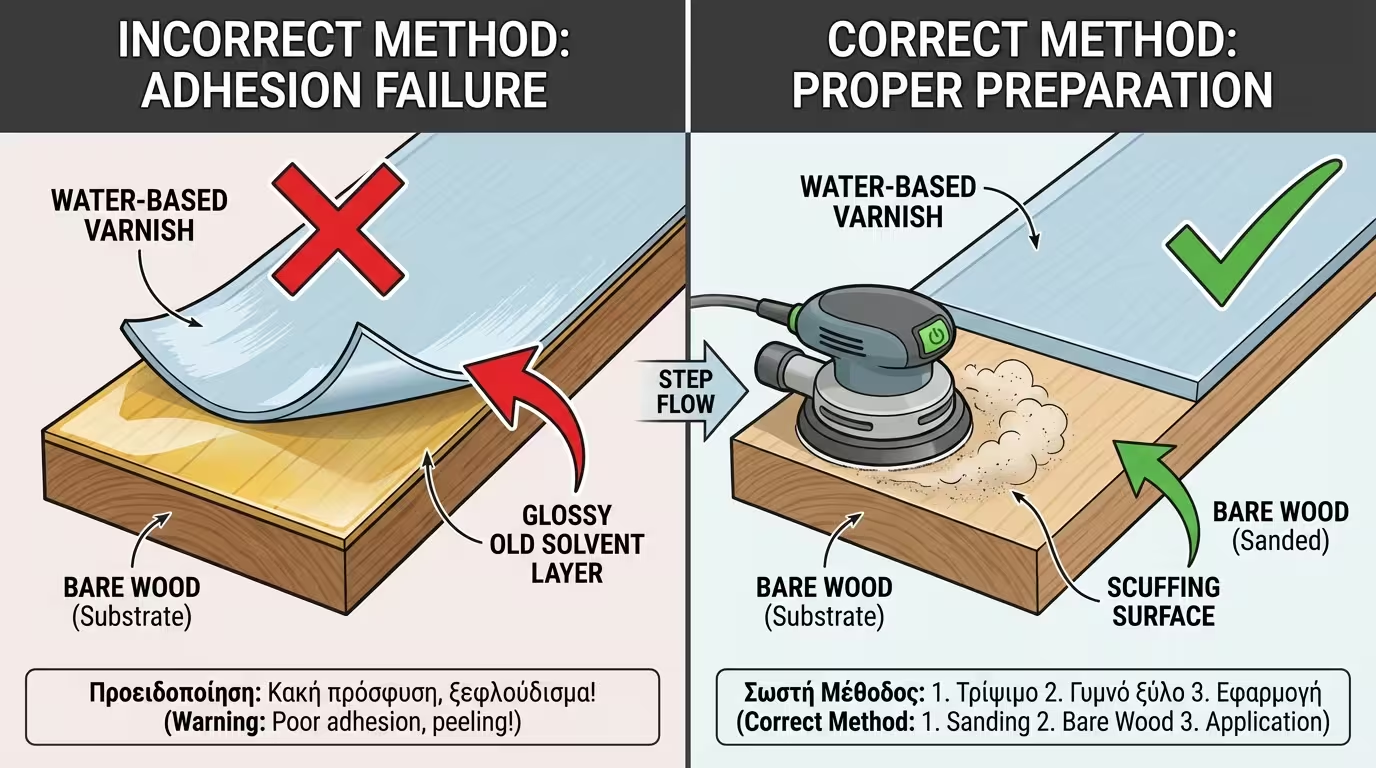
💡 The "Peeling" Trap: Never apply water-based varnish over old solvent lacquer without total mechanical removal or specialized adhesion primers. The low surface energy of old oils will repel water-based resins, leading to catastrophic failure.
For engineers and professional contractors, specifying the right floor system requires technical criteria:
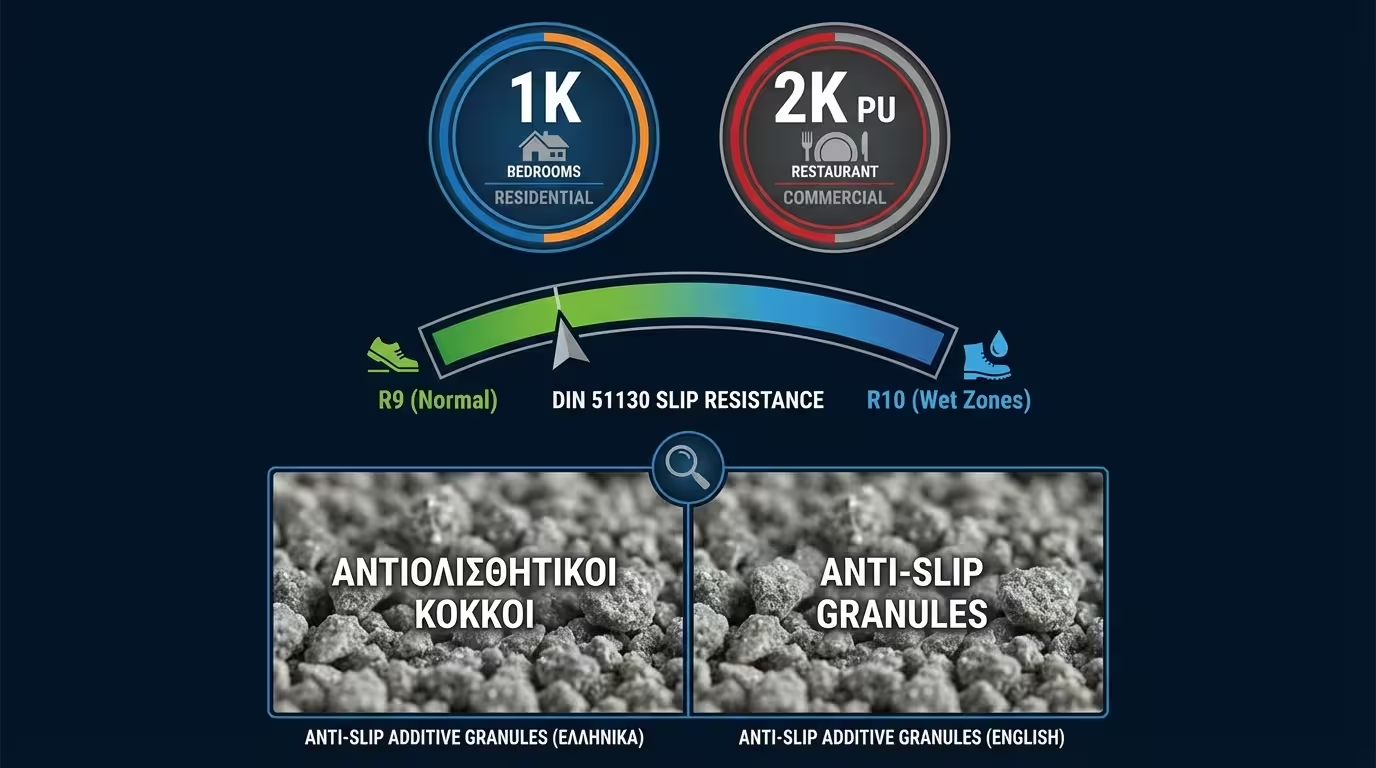
More than enough for residential use (bedrooms, living rooms). Simple application, no mixing required.
Mandatory for restaurants, hotels, retail. The hardener creates a dense chemical network - extreme resistance to chemicals, impacts, and moisture.
R9: Standard residential/commercial spaces (6°-10°). R10: Stairs, bathrooms, utility areas with moisture (10°-19°). Anti-slip additives in the final coat.
Answer the following to make your final decision:
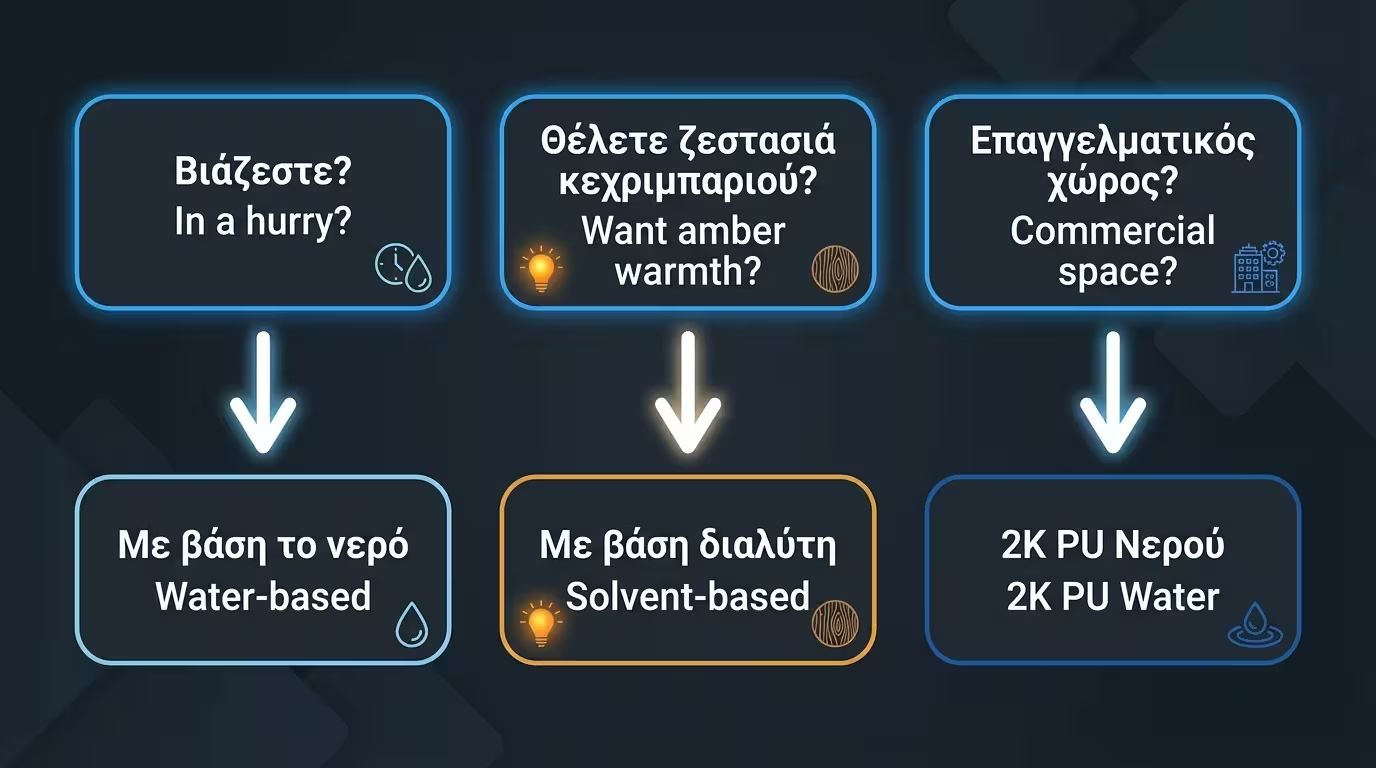
Strictly Water-Based. No odour - walk on the floor the next day.
Water-Based (Matte or Satin). Crystal clear, light-coloured finish.
Water-Based 2K for maximum durability + R10 anti-slip if required.
Solvent-Based. Make sure to ventilate the space thoroughly for several days.
💡 In 9 out of 10 cases today the answer is: water-based. Technology has surpassed solvent in durability, speed, and ecology.
Return to category.
Go to categoryReturn to the central guide.
Go to guide