✅ Depth and Warmth (The Amber Effect)
The greatest advantage of solvent-based varnish is aesthetic. It highlights the wood grain and gives it a deep, warm "golden" or amber (ambering) hue. It is ideal for traditional, classic furniture.
Wooden elements - whether they are floors (parquet), interior doors, or furniture - add unsurpassed warmth and elegance to any home. However, wood is a "living" material that needs protection. Choosing the right varnish (finish) determines not only its durability over time but also its final aesthetic character.
The biggest dilemma you will encounter at the paint store is one: Water-based or Solvent-based (oil-based) Varnish? Let's analyze the differences, pros, cons, and technical specs to help you make the right choice.
Wood is porous; it absorbs moisture, expands, contracts, and scratches easily. The only way to protect it long-term is to "seal" it with a varnish. The fundamental difference between the two main categories lies in the carrier medium of the resin: in solvent-based varnishes, this is an organic liquid (white spirit, mineral spirits), while in water-based varnishes, it is - obviously - water.
This seemingly simple difference drastically affects the aesthetics, drying time, odour, environmental impact, and long-term behavior of the coating film.
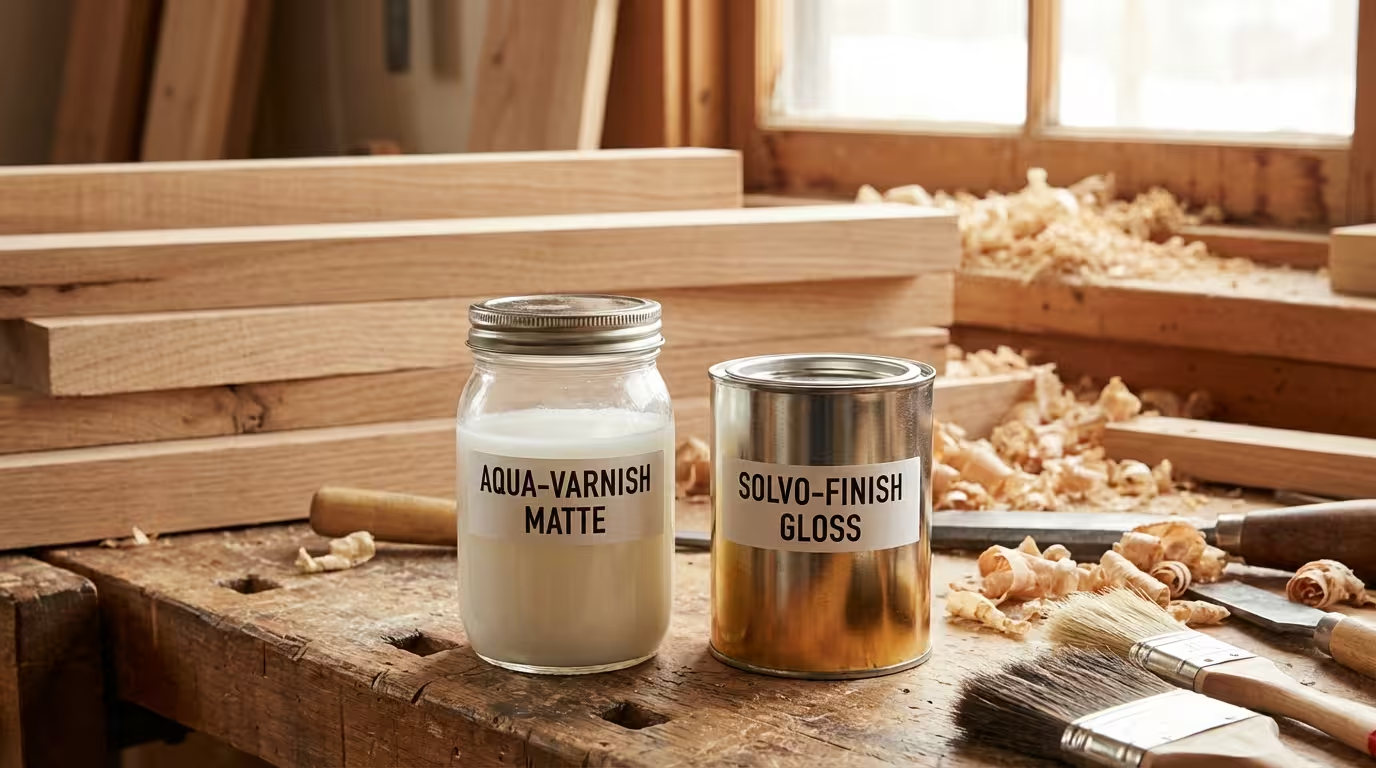
Solvent-based varnishes, which are based on organic solvents (like white spirit or mineral spirits), have been the traditional choice for woodworkers for decades.
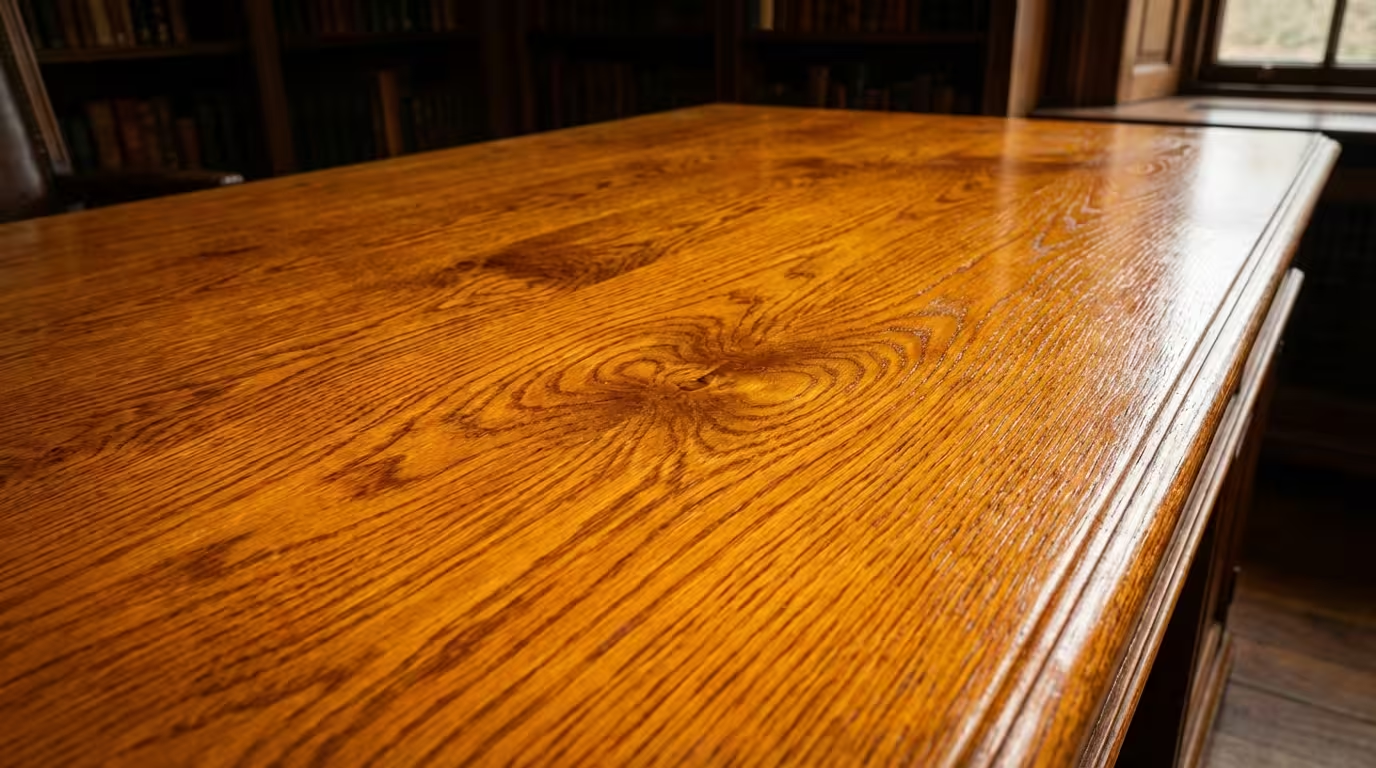
The greatest advantage of solvent-based varnish is aesthetic. It highlights the wood grain and gives it a deep, warm "golden" or amber (ambering) hue. It is ideal for traditional, classic furniture.
They form an exceptionally hard and durable film, providing a strong shield against wear, scratches, and chemicals.
They have a longer "open time" (working time). This means they dry slower, allowing the DIYer or professional time to work the material with a brush and avoid lap marks or imperfections.
Due to the solvents, they have a very high content of Volatile Organic Compounds (VOCs). The smell is heavy, and the space requires days of intense ventilation before it can be inhabited.
They usually need 2 to 6 hours to become touch dry, and a second coat can only be applied after 24 hours.
While the amber hue is often desired, solvent-based varnishes (especially polyurethanes) tend to yellow more over the years. Brushes are cleaned only with white spirit.
The modern industry, driven by ecological requirements, has rapidly evolved water-based varnishes (acrylic or polyurethane), making them equally popular.
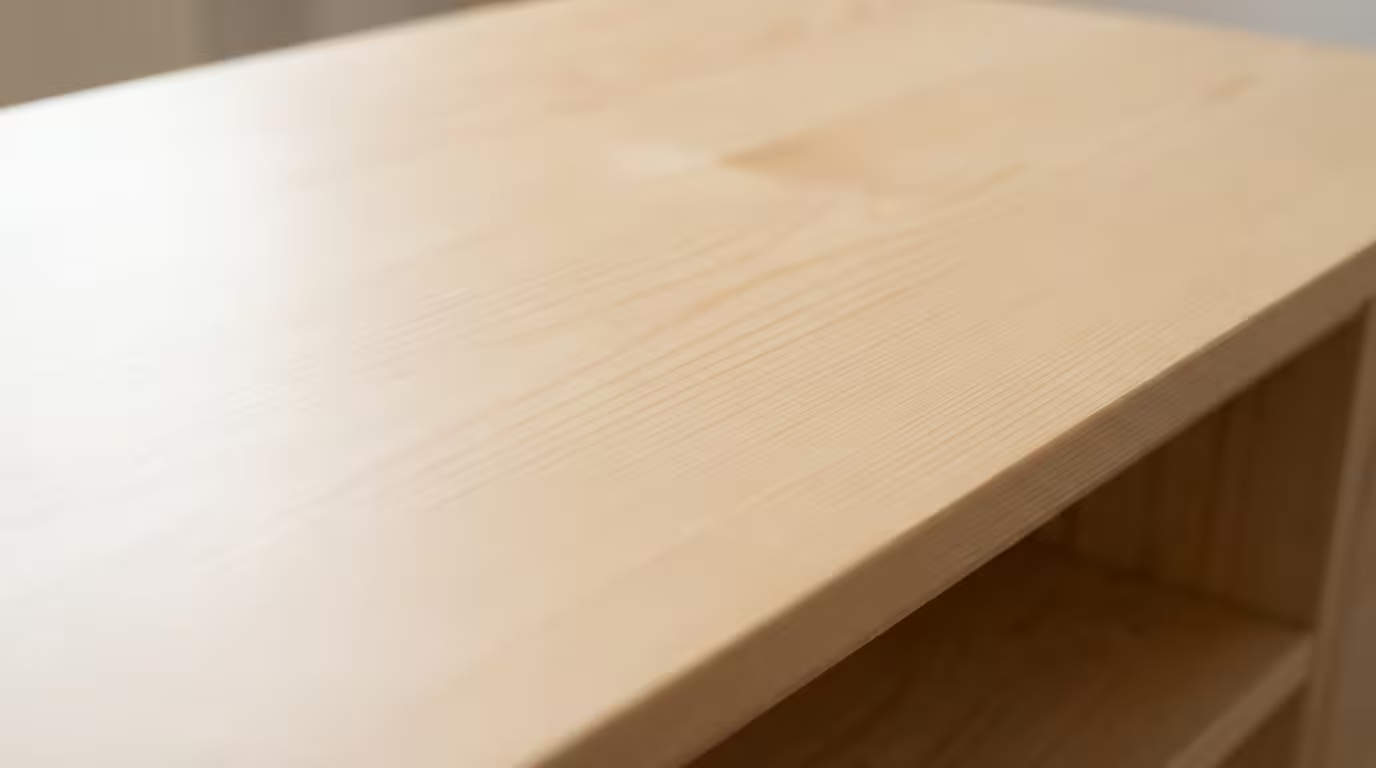
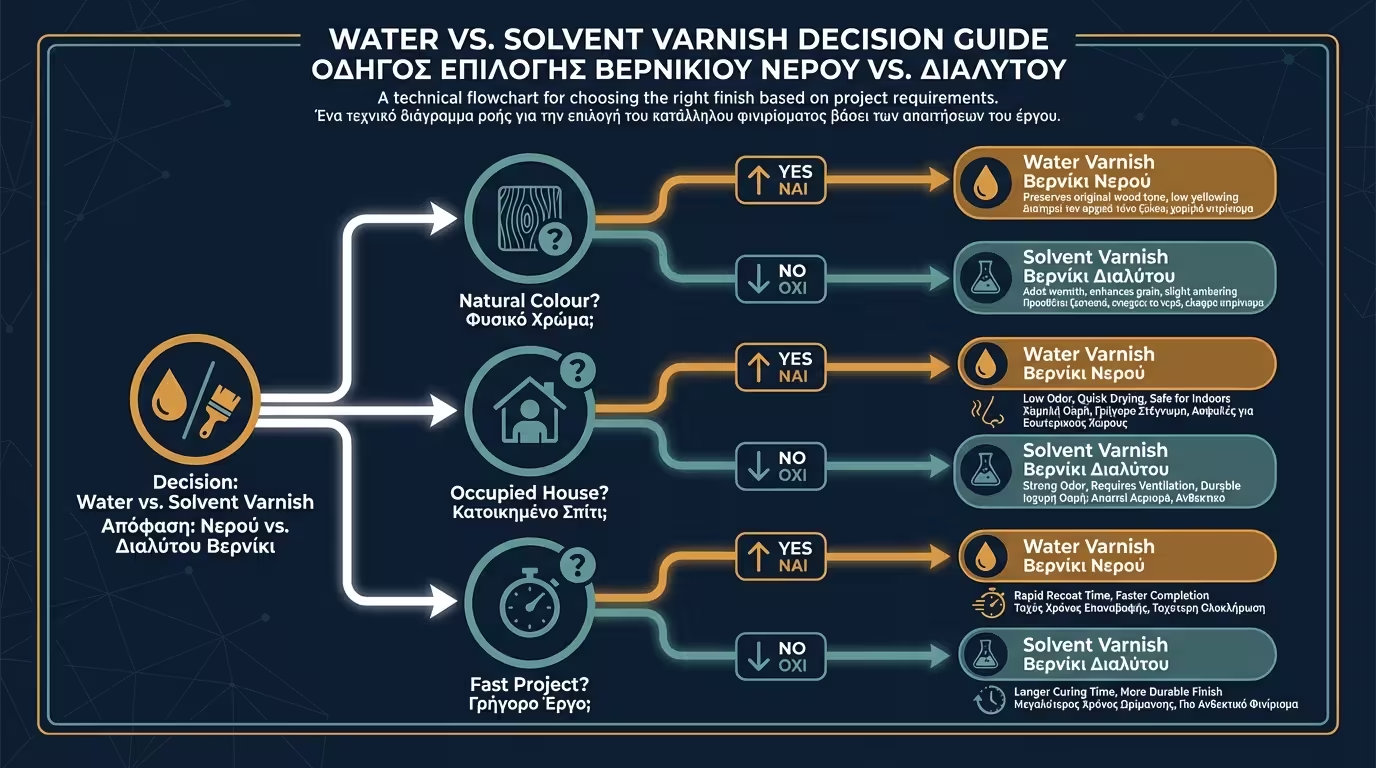
If you want the wood (e.g., a light-coloured pine or oak) to maintain its natural, original colour without "yellowing," water-based varnish is the only way. In the can, it looks like white milk, but it dries to a perfectly clear (crystal clear) film.
They have very low VOCs. They are ideal for interiors, children's rooms, and inhabited homes, as they do not smell and do not affect air quality.
They are "touch dry" in about one hour. You can apply multiple coats within the same day, drastically reducing project completion time.
Tools, brushes, and even your hands clean up easily with plain water and soap.
For those who love the traditional, rich look of wood, water-based varnish might seem slightly "cold" or "plastic" aesthetically, although this is now a trend in modern design.
| Feature | Solvent-Based | Water-Based |
|---|---|---|
| Aesthetics | Warm, amber tone | Crystal clear, natural wood colour |
| Odour / VOCs | High VOCs, strong odour | Low VOCs, nearly odourless |
| Touch dry | 2–6 hours | ~1 hour |
| Recoat time | 24 hours | 2–4 hours |
| Tool cleanup | White spirit | Water & soap |
| Yellowing | Yes, over time | No |
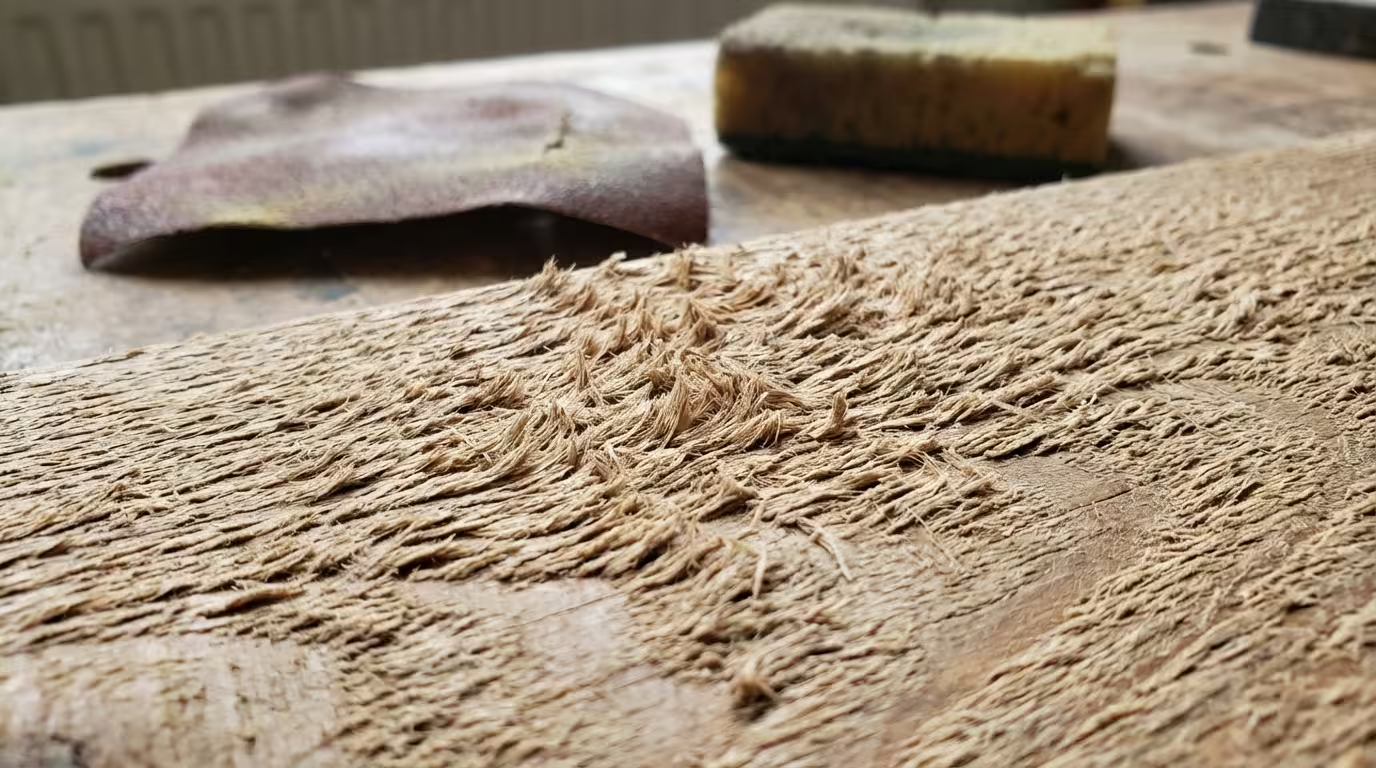
If you choose water-based varnish on bare wood, the water raises the microscopic fibres, making the surface feel rough like sandpaper. This is not a defect - it's easily solved.
The fix: Before varnishing, lightly wet the bare wood with a sponge and distilled water. Let it dry overnight. Sand with fine sandpaper (300+) to cut the "fuzz". Dust off and apply the varnish - the surface will stay perfectly smooth.
For project specifications, the choice between water and solvent is often dictated by Volatile Organic Compound (VOC) legislation and curing mechanisms.
Under EU Directive 2004/42/EC, the maximum limit (Phase II) for interior/exterior varnishes for trim and cladding (Sub-category e) is strictly set at 130 g/l for water-borne (WB) and 400 g/l for solvent-borne (SB) systems. In projects aiming for green certifications (LEED, BREEAM), the choice of water-based resins is practically mandatory due to tighter limits.
The two technologies behave differently during film formation. Solvent-based polyurethane varnishes typically "cure" through solvent evaporation followed by reaction of the oils and resins, creating an exceptionally durable protective cross-linked mesh.
In contrast, in water-based varnishes, the film is created as water evaporates and the polymer particles come closer together and coalesce.