Marine Varnishes: The Ultimate Selection & Protection Guide
Wood is a "living" material that adds warmth and luxury, but in a marine
or coastal environment, it faces its toughest test. Salt spray, intense
UV radiation, and constant moisture can turn a beautiful wooden deck or
window into a peeling mess in just one season.
Is "Yacht Varnish" always the best solution for your front door? What is
the real role of PU resins and UV filters in modern yachting technology?
Let's demystify the myths and explore how to achieve a professional,
long-lasting finish that can withstand the harshest seaside conditions.
1. What Is It and How Does It Differ?
A specialised coating for the harshest conditions - moisture, UV,
temperature swings:
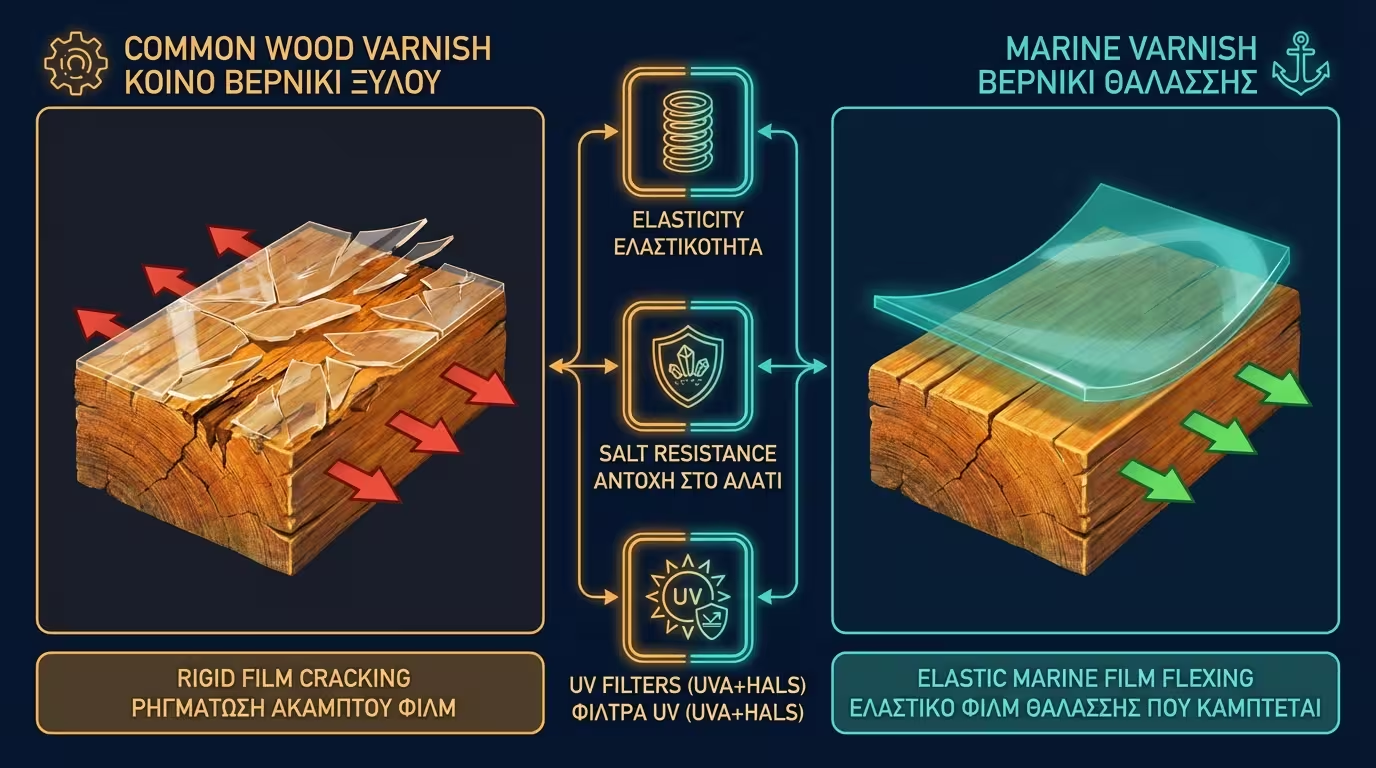
🔄 High Elasticity / Long Oil
Traditional marine varnishes are formulated with "Long Oil" Alkyd resins. This means they are engineered to be extremely flexible,
following the dimensional movements of the wood (swelling and
shrinking) without cracking or becoming brittle.
☀️ Triple UV Defense
Unlike interior varnishes, marine-grade products contain a heavy
load of UVA absorbers and HALS (Hindered Amine Light
Stabilizers). These act as a high-SPF sunscreen, preventing the sun from
breaking down the lignin in the wood.
🌊 Salt & Water Barrier
The chemical composition creates an impermeable barrier against salt crystals, which can act as abrasives on regular coatings.
Modern hybrid versions include Polyurethane (PU) for added scratch resistance
without losing elasticity.
2. When Is It Really Necessary?
Its use extends well beyond boating - ideal for:
🏖️ Coastal Properties
Any wood within 5km from the sea (windows, shutters, doors,
balconies) is under constant attack. Marine varnish is mandatory here to prevent the "silvering" (greying) of the wood fibers.
🪵 High-Exposure Structures
Pergolas, decks, and garden furniture that are not under a roof. The
high resin content provides a thick, durable film that
can withstand horizontal water ponding better than any other material.
🛥️ Boat & Yacht Detailing
Traditionally used for handrails, masts, and interior cabins. It
offers that classic, high-gloss yachting aesthetic while
providing professional-grade protection against constant immersion and
salt.
🚫 Interior Wood?
Rarely needed indoors. In fact, because marine varnishes are
designed to be "soft" and flexible, they are poor choices for interior floors (parquet) where you need a much harder, non-elastic PU finish.
3. Water or Solvent-Based?
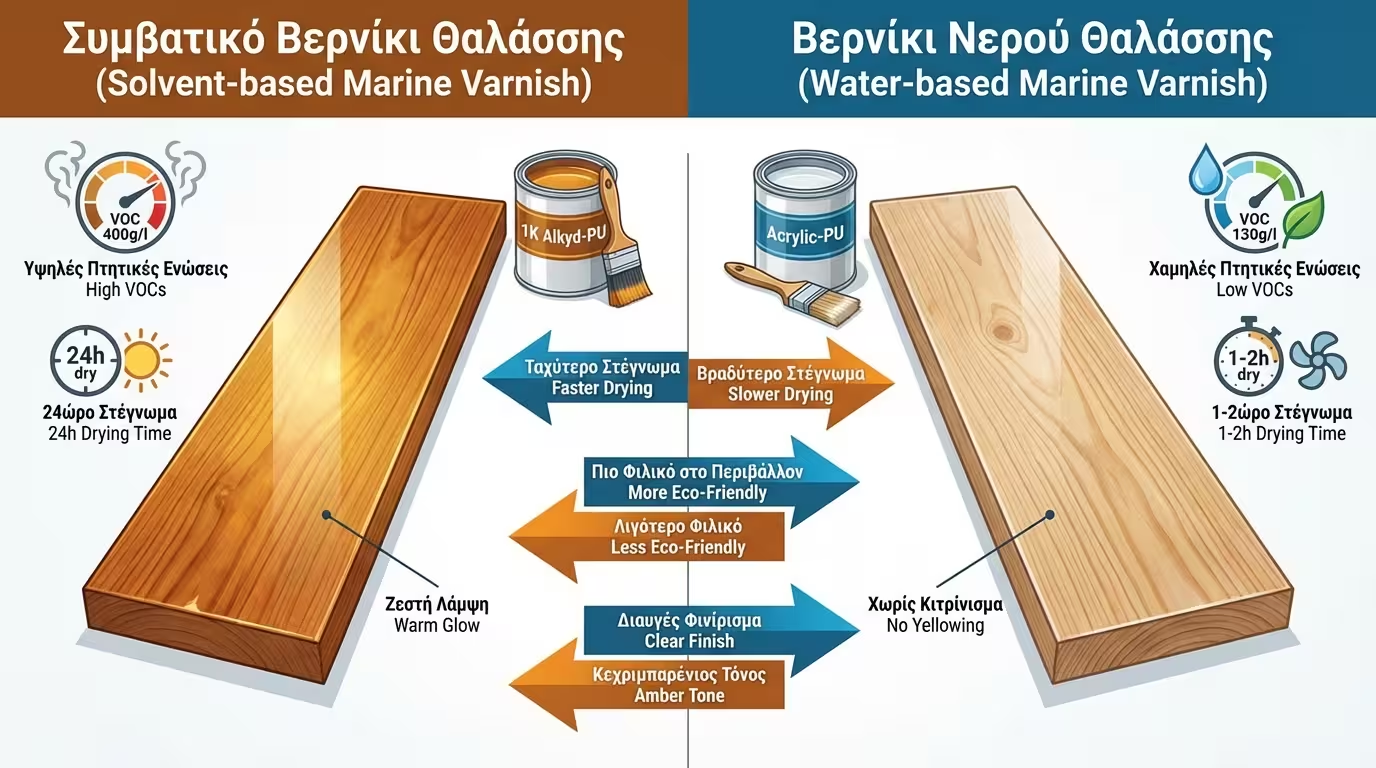
Two categories - the choice depends on the desired aesthetic:
🧪 Solvent-Based (1K Alkyd-PU)
Classic, proven choice. Warm, amber tone (amber effect). Thinned with white spirit.
💧 Water-Based (Acrylic-PU)
Odourless, fast drying (1-2h), no yellowing. Ideal
for preserving the natural, pale wood tone.
4. DIY: How to Prevent Peeling
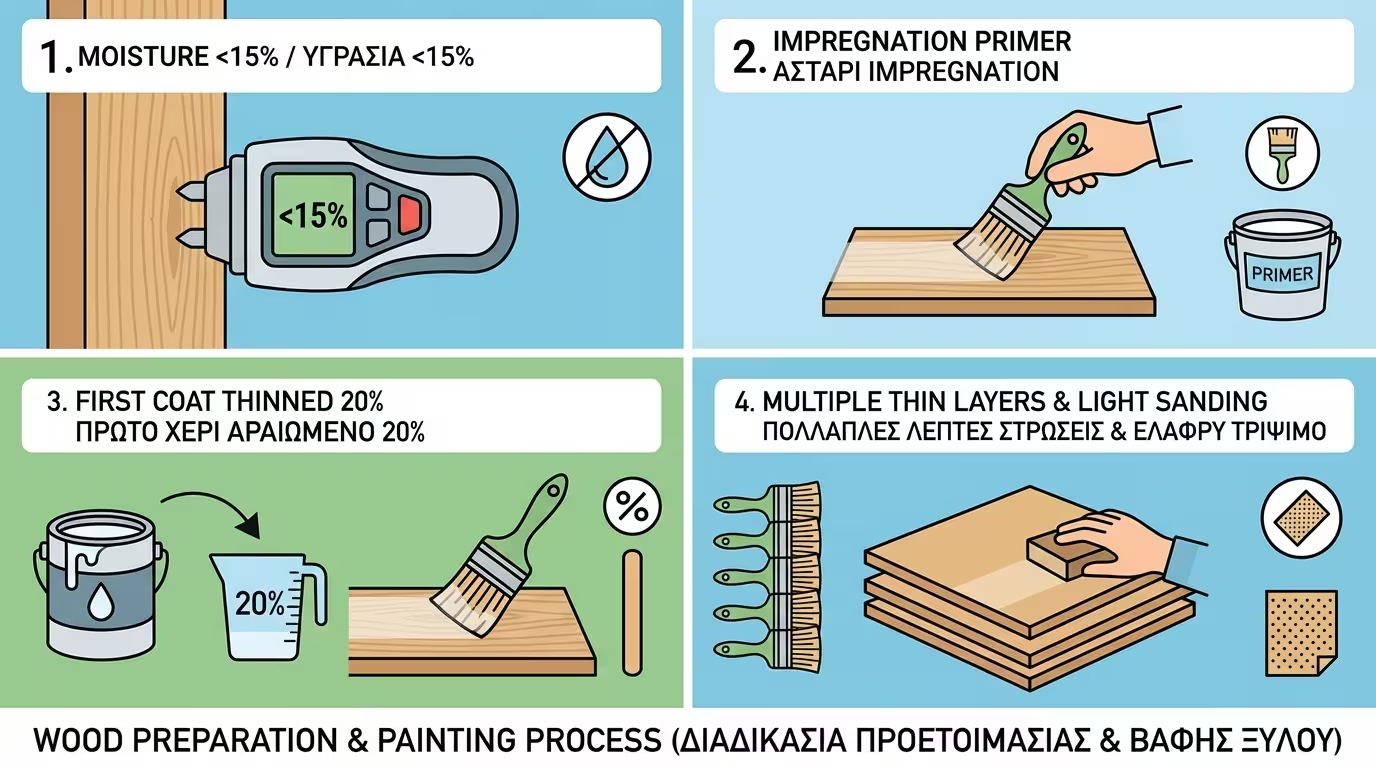
The most common complaint: it peels after 1 year. Follow these steps:
1️⃣ Wood Inspection
The wood must be dry (moisture <14%). If you are
coating oily woods like Teak or Iroko, you must first wipe the
surface with cellulose thinned cloth to remove surface
oils that prevent adhesion.
2️⃣ Impregnation First
Varnish protects the surface; Impregnation Preservative protects the heart. Apply one coat of clear preservative to kill any
existing woodworm eggs and prevent future fungi.
3️⃣ "The Thinned Coat" Rule
Never start with full-strength varnish. Dilute the first coat by 15-20% with White Spirit. This allows the material to "anchor" deep into the
pores before the film-forming coats follow.
4️⃣ High-Solid Layers
Avoid thick, "heavy" coats. Apply 3-4 thin layers with light sanding
(240 grit) between. This creates a laminated effect of
maximum durability and crystal-clear depth.
⚠️ Golden Rule: Never apply marine varnish under direct midday
sun (30°C+). The solvents will evaporate too fast, causing surface bubbles
and permanent loss of gloss.
5. The Engineer's Corner
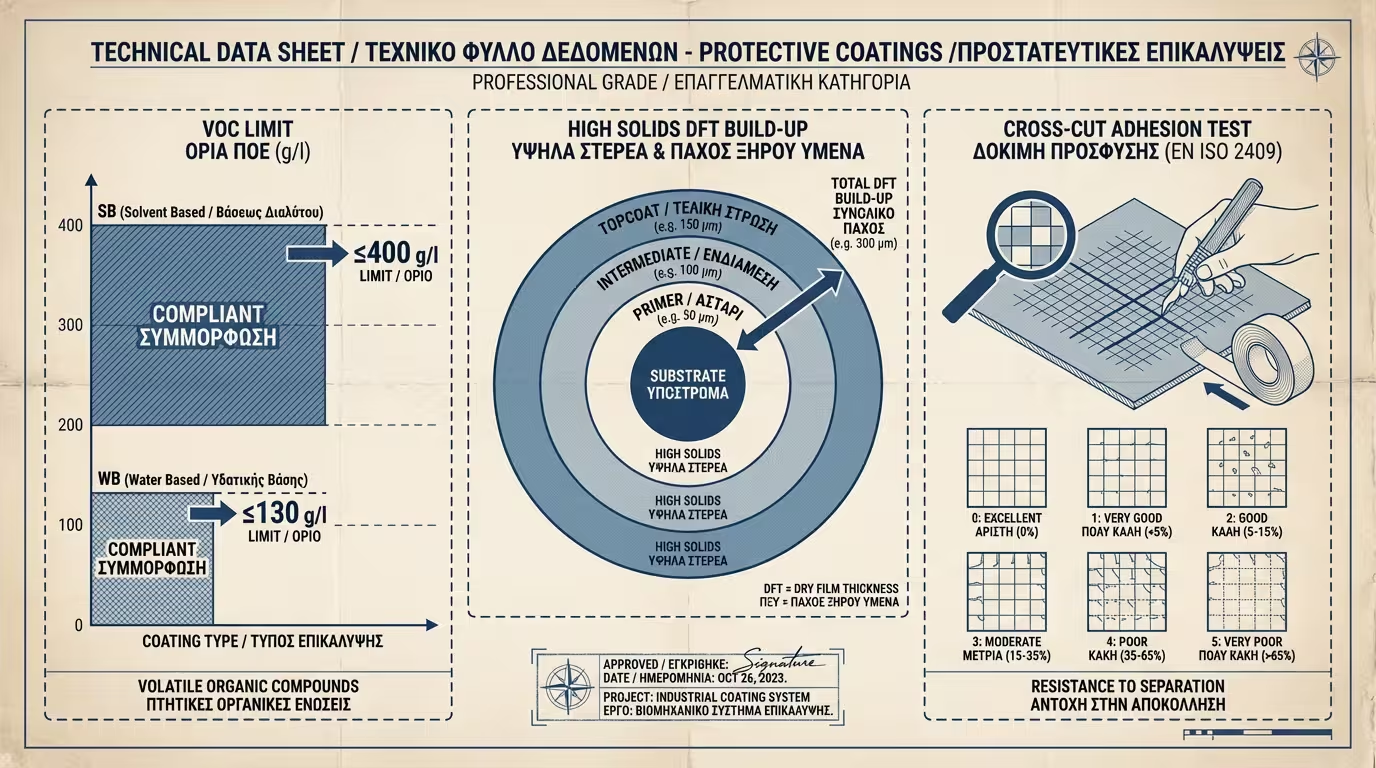
Critical technical parameters that determine the specification:
📋 VOC Compliance
According to Directive 2004/42/EC, marine varnishes fall under
subcategory "e". High-quality solvent-based products stay below 400 g/l, while modern water-based alternatives are below 130 g/l.
🔬 DFT (Dry Film Thickness)
For marine use, a total DFT of 60-80 microns is required.
This is why multi-coat application is critical; a single thick coat will
not provide the same chemical resistance as three thin layers.
🧪 EN ISO 2409 Adhesion
Top-tier varnishes are tested using the Cross-Cut method. This ensures that the coating won't delaminate from the wood even
under extreme thermal shock or constant UV degradation.