Why Does Paint Peel?

It's not the paint - it's what happened before the first coat went on

A problem that doesn't start with the paint

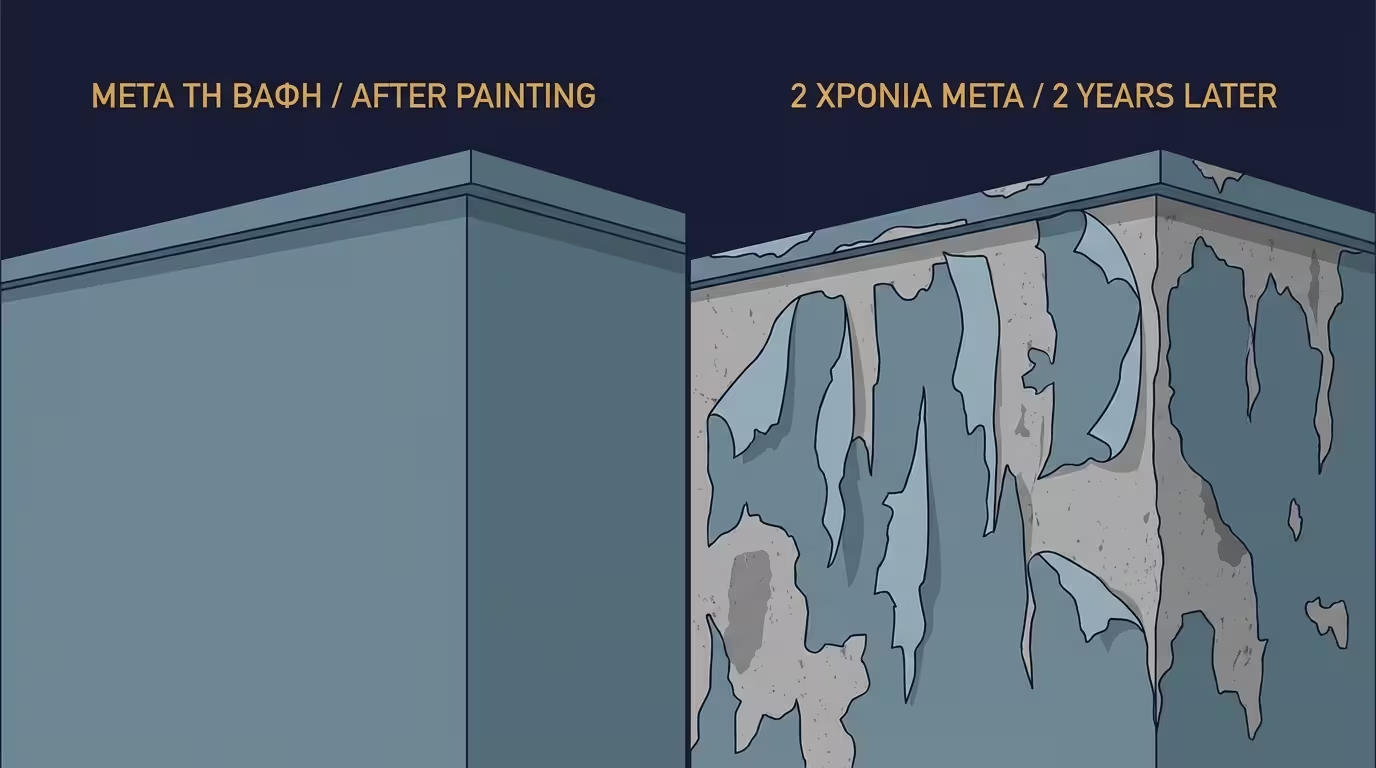
The building was painted two years ago. Already, strips of paint are curling off the wall. The first instinct? "They used cheap paint." The reality is quite different - and unless you understand it, you'll pay for the same mistakes again in another two years.

Peeling doesn't begin on the wall. It begins long before the first tin is opened. It starts with preparation that never happened, a primer that "wasn't needed", moisture that was overlooked. Unless those are addressed, even the finest paint on the market will peel.

Before and after - facade right after painting vs 2 years later with peeling

What actually happens when paint peels

Think of paint like a sticker: if the surface isn't clean, dry and stable, the sticker won't stick - or it will for a while, then start lifting at the edges. That's exactly what peeling is: loss of adhesion.

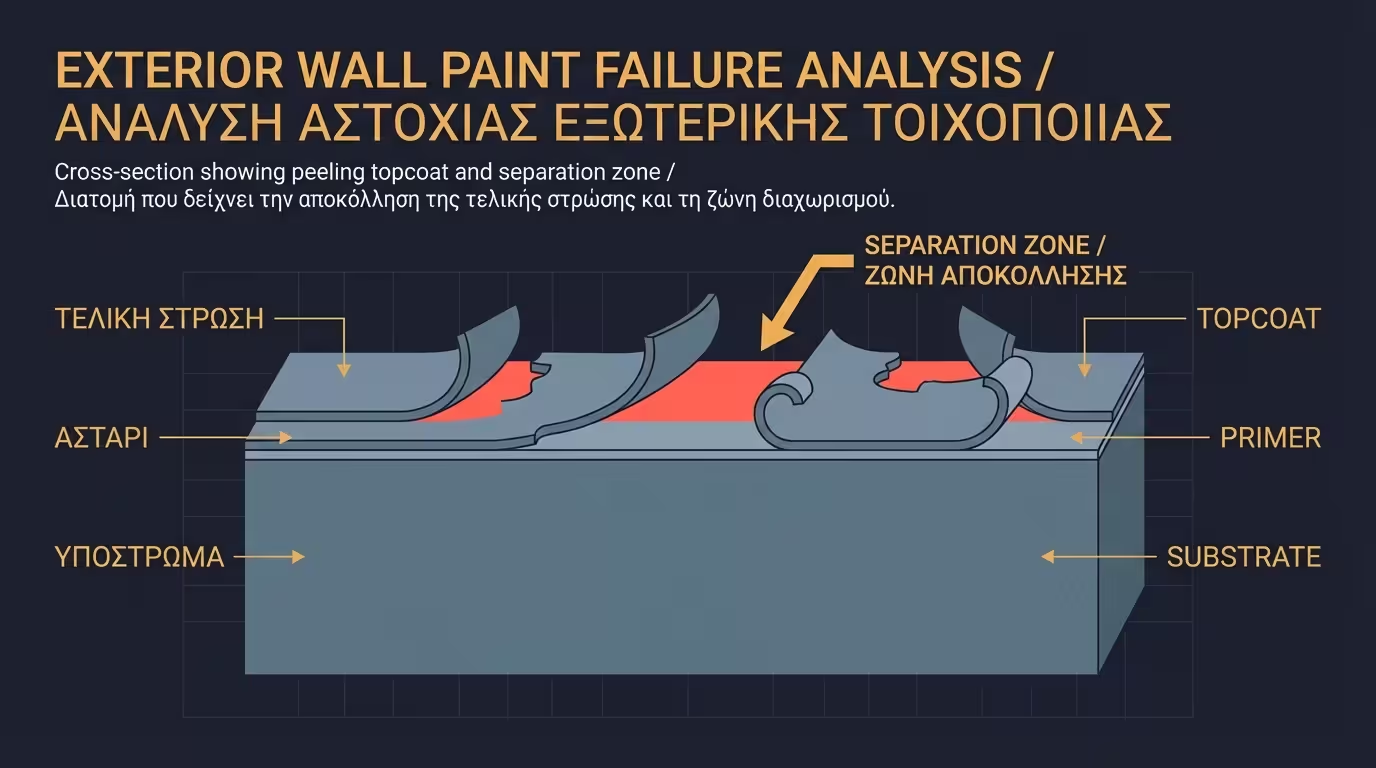
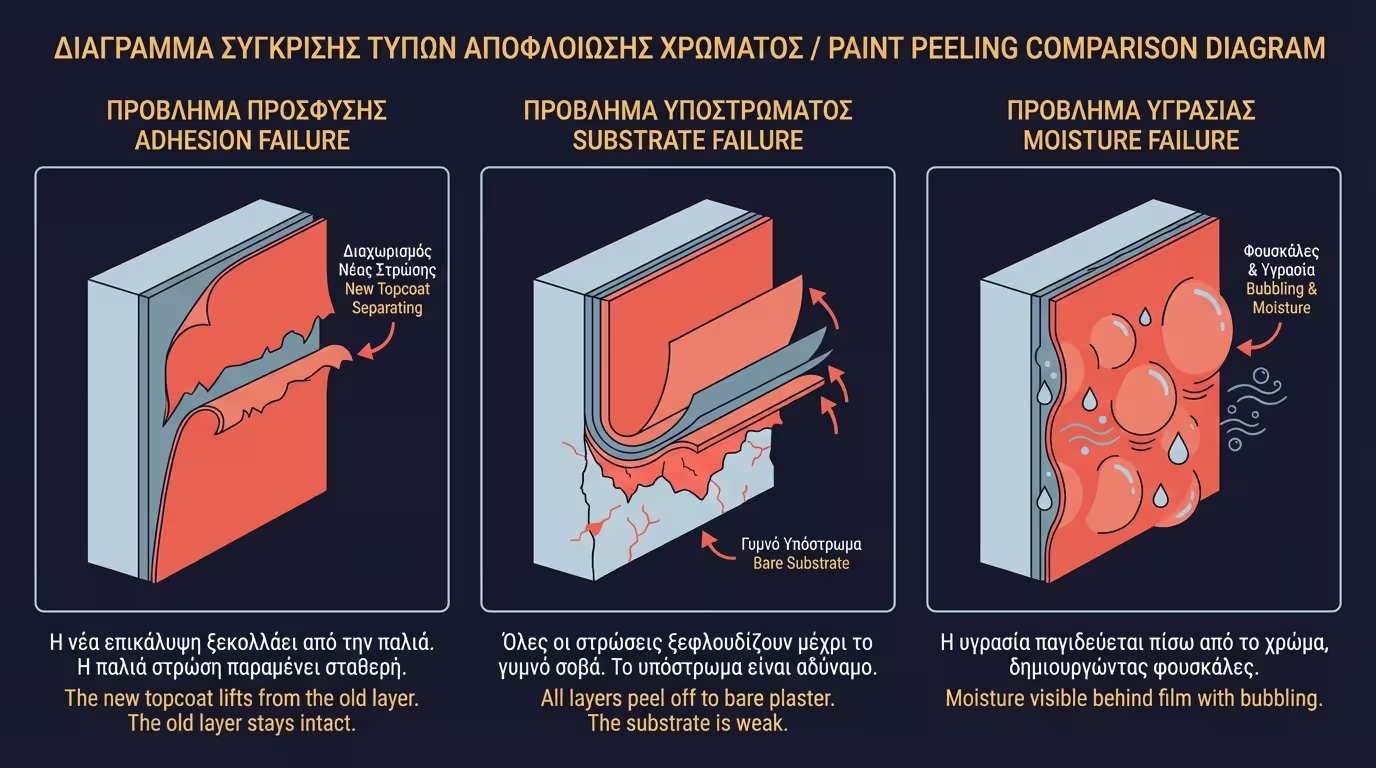
The separation happens at one of two layers: between the new coat and the old one (the new paint didn't bond), or between the entire coating system and the plaster - meaning nothing anchored to the wall at all. The distinction may sound academic, but in practice it determines whether the fix is a local patch or a full restoration.

Wall cross-section - paint layers peeling away from the substrate

Four causes that explain almost every case

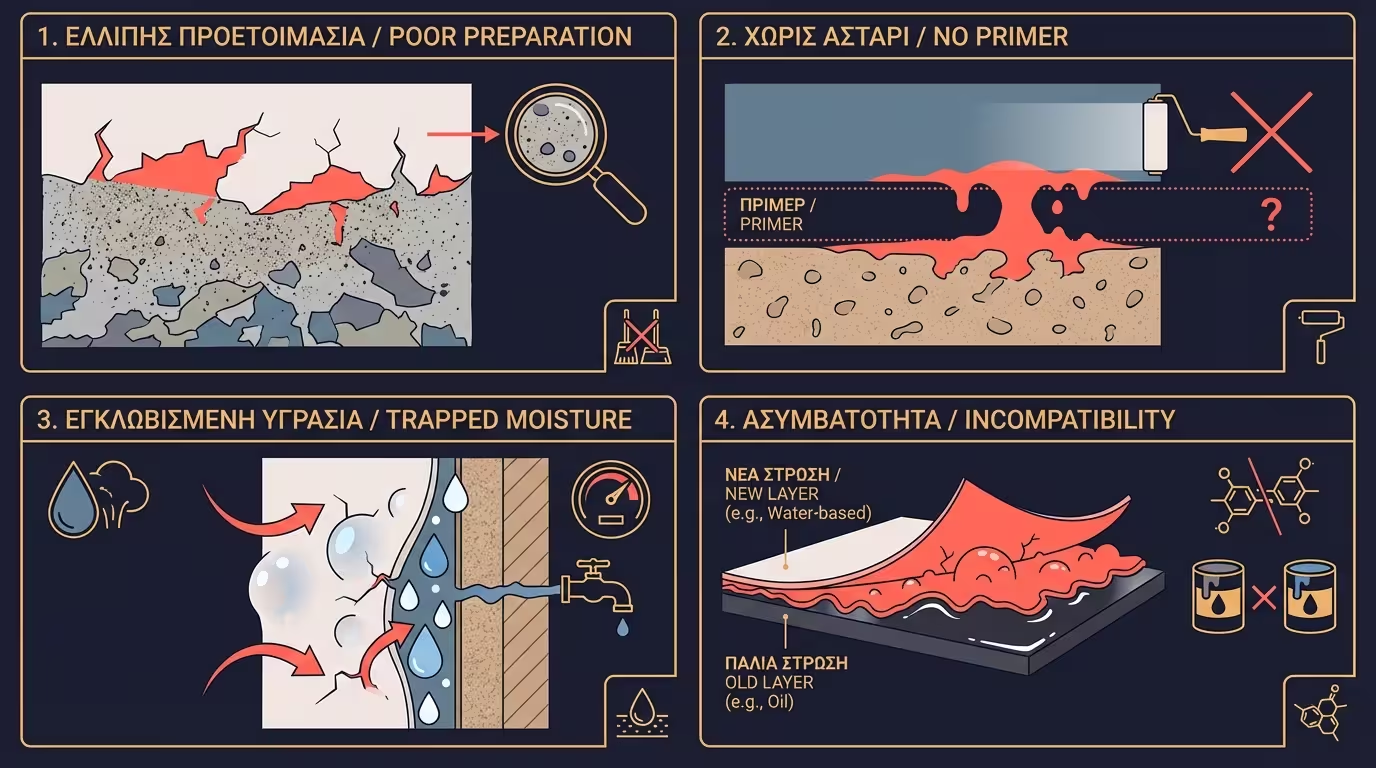
Four causes of peeling: poor preparation, no primer, trapped moisture, incompatibility

Across dozens of buildings we inspect every year, peeling traces back to four root causes. Sometimes they act alone, but more often we find a combination.

1. Poor preparation

Old, flaking layers weren't removed. Dust, contaminants, even salt deposits stayed on the wall. The new paint was applied on unstable ground - like painting on top of dust. It looks fine the first few weeks, but the bond is essentially non-existent.
2. The "unnecessary" primer

Primer is not a luxury - it's the bridge between substrate and topcoat. It regulates the plaster's absorbency, stabilises friable spots, and ensures uniform adhesion. Without primer, the paint sits on the surface - like paper on glass.

3. Ignored moisture

The most insidious cause. It may not be visible during application - especially on warm days. But trapped moisture turns to vapour in the heat, builds pressure behind the film, and triggers delamination. Capillary rise, waterproofing cracks, undried plaster.

4. Incompatible systems

Acrylic over old solvent-based paint. Silicone over acrylic without an adhesion primer in between. Every system has a chemical "language" - if the two systems don't speak to each other, delamination is just a matter of time.

How to tell what went wrong

Peeling diagnosis - three failure types: adhesion, substrate, moisture

Before picking up a roller, look at what is peeling. The answer lies in how the paint comes off - and that determines whether the repair will hold or whether you'll be back in two years.

What you see What it means Likely cause
Only the new coat lifts - old one stays Adhesion problem Poor preparation or wrong primer
Everything comes off down to bare plaster Substrate problem Friable render, salt deposits
Moisture behind the film Moisture problem Poor waterproofing, capillary rise
Correct diagnosis doesn't just change the repair method - it determines whether the repair will last.

Prevention doesn't cost more - repeating the job does

Preventing peeling doesn't require a more expensive paint. It requires the right sequence of actions - five steps that cost less than repainting.

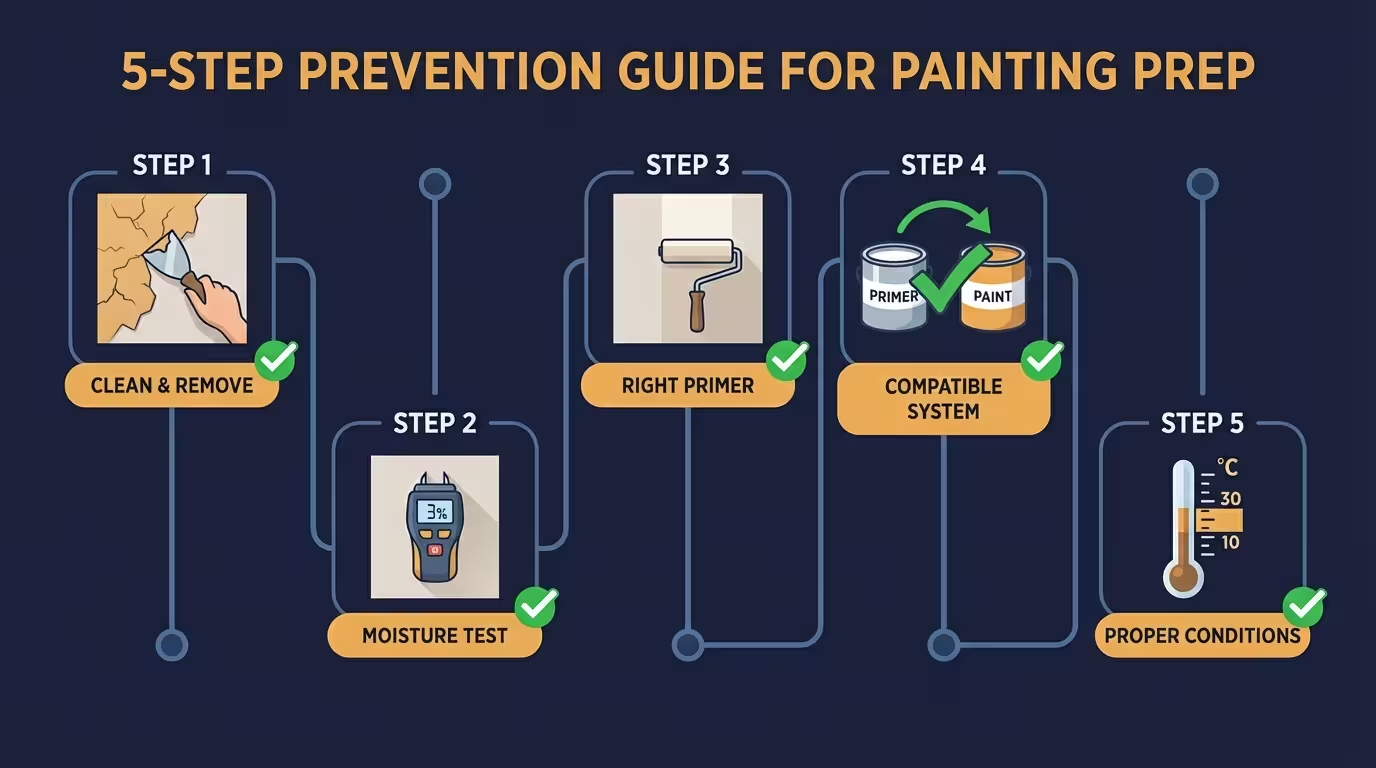
5 prevention steps: clean, moisture test, primer, compatible system, proper conditions

① Clean & remove

Strip every flaking layer. Don't paint over something that's already coming off - that's like sticking a label on dust.

② Test for moisture

Especially on exposed, north-facing facades or near the roof line. Moisture isn't always visible, but if it's there it will destroy everything.

③ Right primer

Micro-molecular for friable plaster, adhesion primer for smooth or glossy surfaces. Primer isn't "optional" - it's the bridge.

④ Compatible system

Not everything goes over everything. Chemical compatibility between old and new systems determines whether the coating will hold.

⑤ Proper conditions

10–30 °C, no direct sun, no wind. Paint needs time to cure - if it dries too fast, it won't bond properly.

Peeling isn't "bad luck." It is the natural consequence of steps that were skipped.

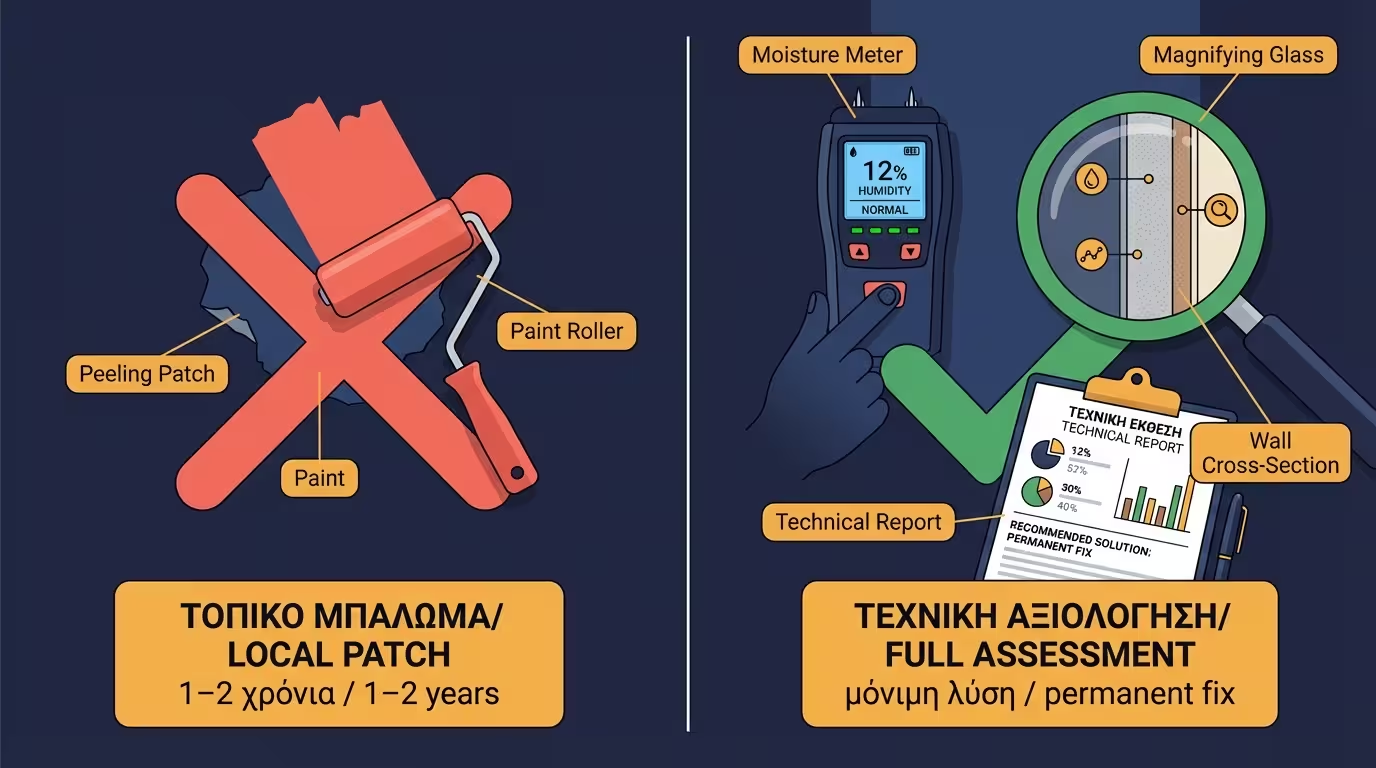
When a patch isn't enough

If peeling covers large sections, if it reappears after recent painting, or if it correlates with cracks and damp patches - then we're not talking about a local repair. We're talking about a full technical assessment.

Comparison: local patch (1–2 years) vs full technical assessment (permanent fix)

Local patch

Quick and cheap - but it only delays the problem by 1–2 years. If the root cause remains (moisture, friable substrate), it will come back.

Full assessment

Moisture measurement of the masonry, analysis of the old coating system, a restoration plan - not simply repainting. Eliminates the cause and lasts.

Related Articles

Preview