Scuffs & Marks
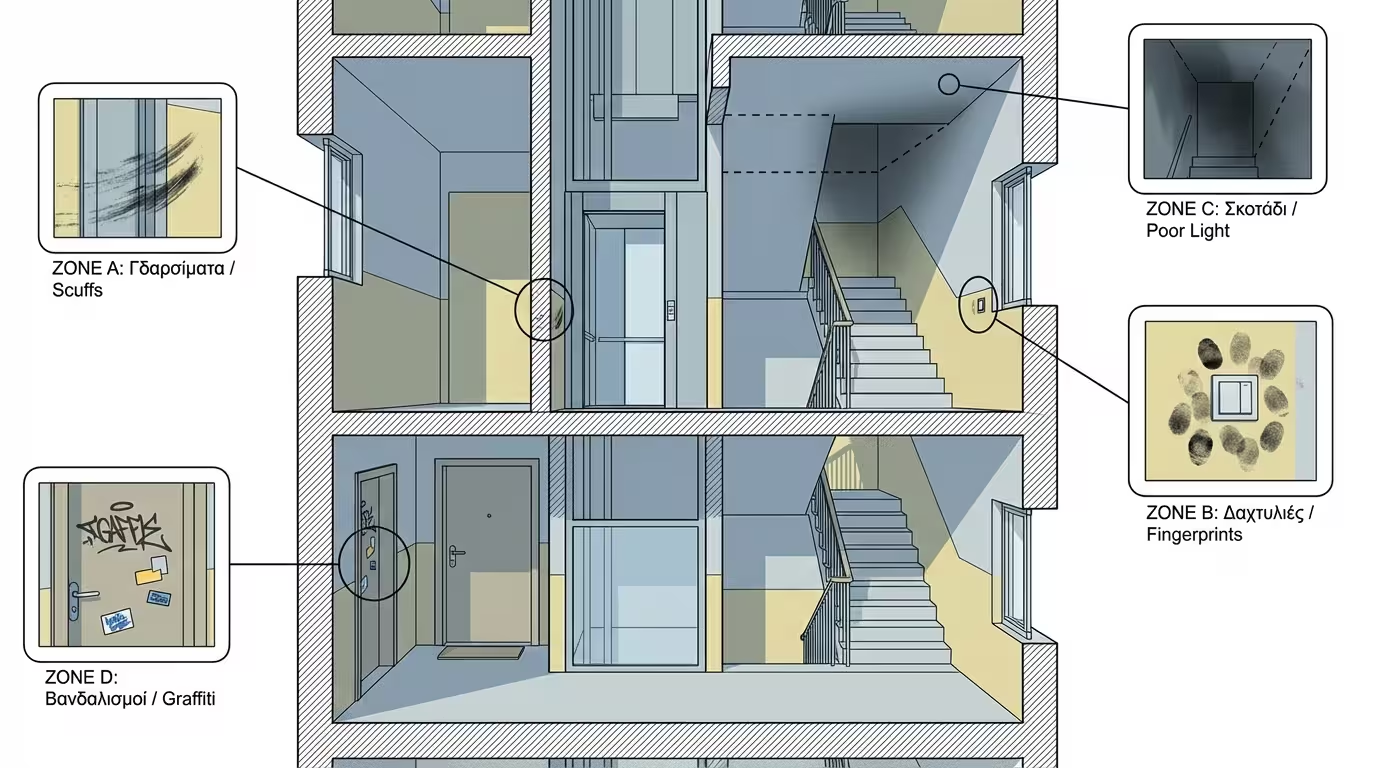
Bags, bicycles, shoe soles - they leave black marks that don't wipe off easily.
The stairwell is the "first impression" of every apartment building - and simultaneously its most punished area. Daily foot traffic from dozens of residents, furniture moves, bicycles and hands constantly touching walls near lift buttons. If you paint with a cheap living-room emulsion, within a year the walls will be covered in scuff marks, scratches and finger stains.
A stairwell faces entirely different challenges from a living room:
Bags, bicycles, shoe soles - they leave black marks that don't wipe off easily.
Around doors, light switches and handrails, natural skin oils create dark stains over time.
Most internal stairwells rely on artificial light - every mark shows up twice as clearly.
Entrances and lobbies are frequent targets for graffiti and stickers - they need specialist protection.
For paint to survive the tough conditions of a stairwell, look for four technologies in the TDS:
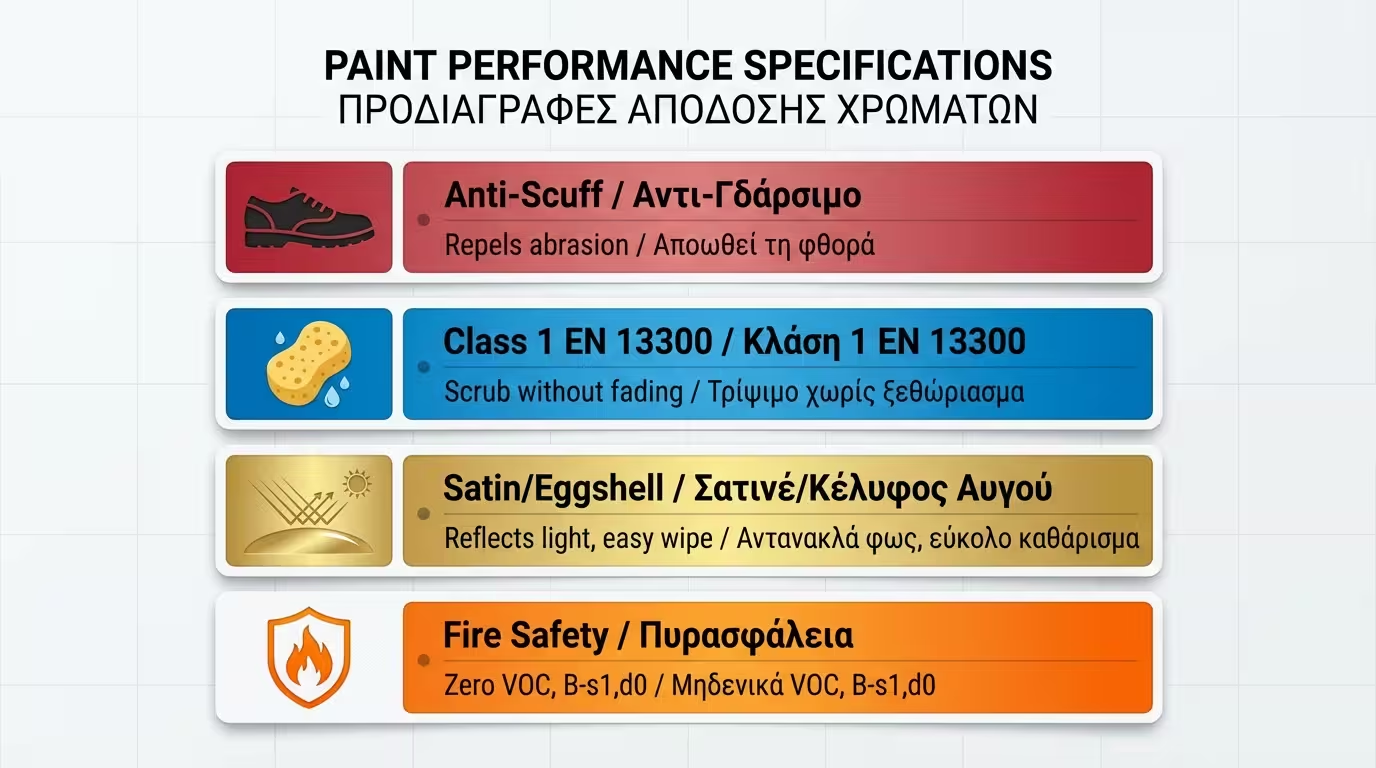
Anti-Scuff paints repel abrasion - they won't show black marks even when hard objects rub against them.
Non-negotiable. Cleaning crews can scrub walls with sponge and mild detergent without the paint fading or peeling.
Avoid flat matte - it traps dirt. Satin reflects light (helping dark corridors) and wipes down effortlessly.
Stairwells = Escape Route (Greek Fire Code PD 41/2018). Choose water-based Zero VOC paints or certified fire-rated coatings (Class B-s1,d0).
The right paint works wonders - but it can't replace proper preparation:
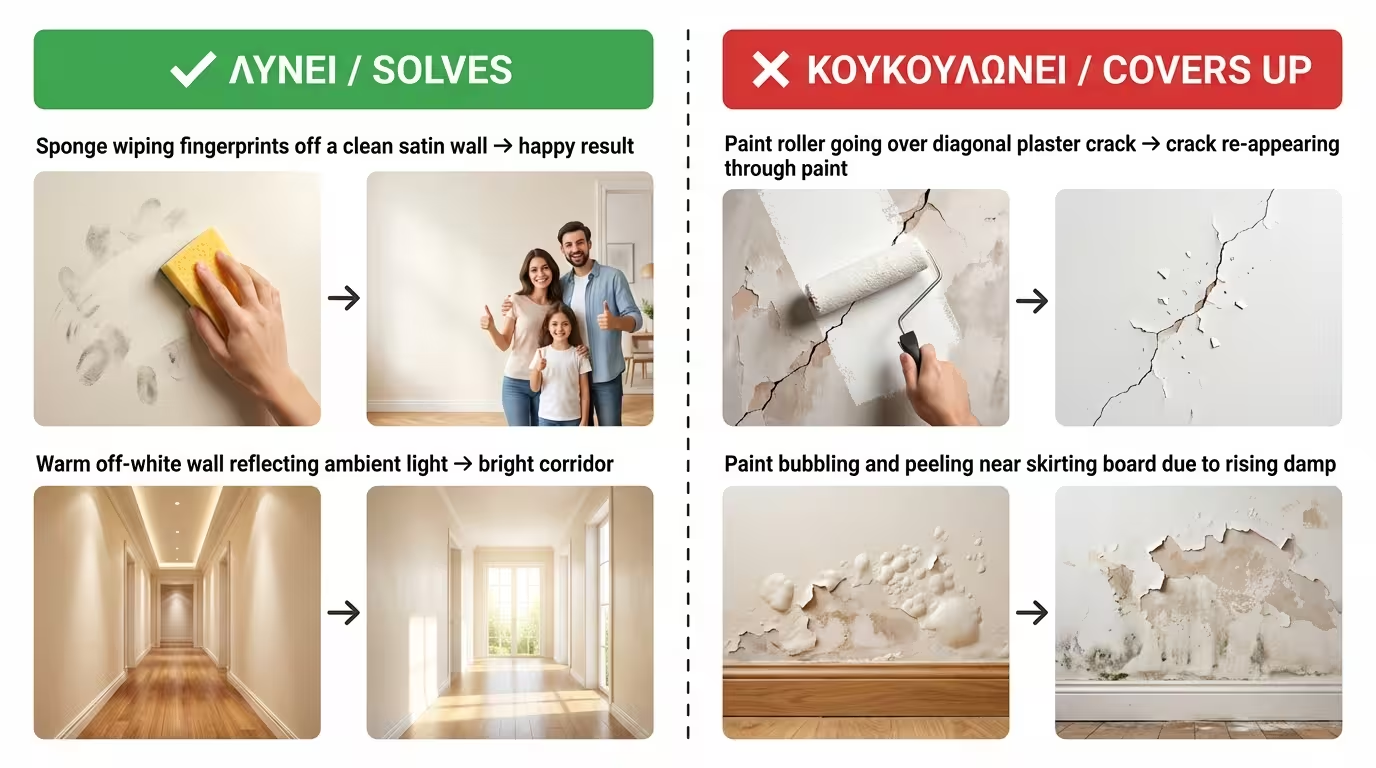
A Class 1 paint eliminates the need for a re-paint every 2 years - marks come off with a quick wipe.
A warm off-white/ivory reflects available light and visually widens narrow corridors - far better than "dead" bright white.
Diagonal plaster cracks reopen within a month. Solution: V-cut + elastic filler before painting.
Blistering and salt stains near the skirting? An impervious paint will produce huge blisters. A breathable repair system or plaster removal is needed.
Follow four steps to make the right decision at the building's general meeting:
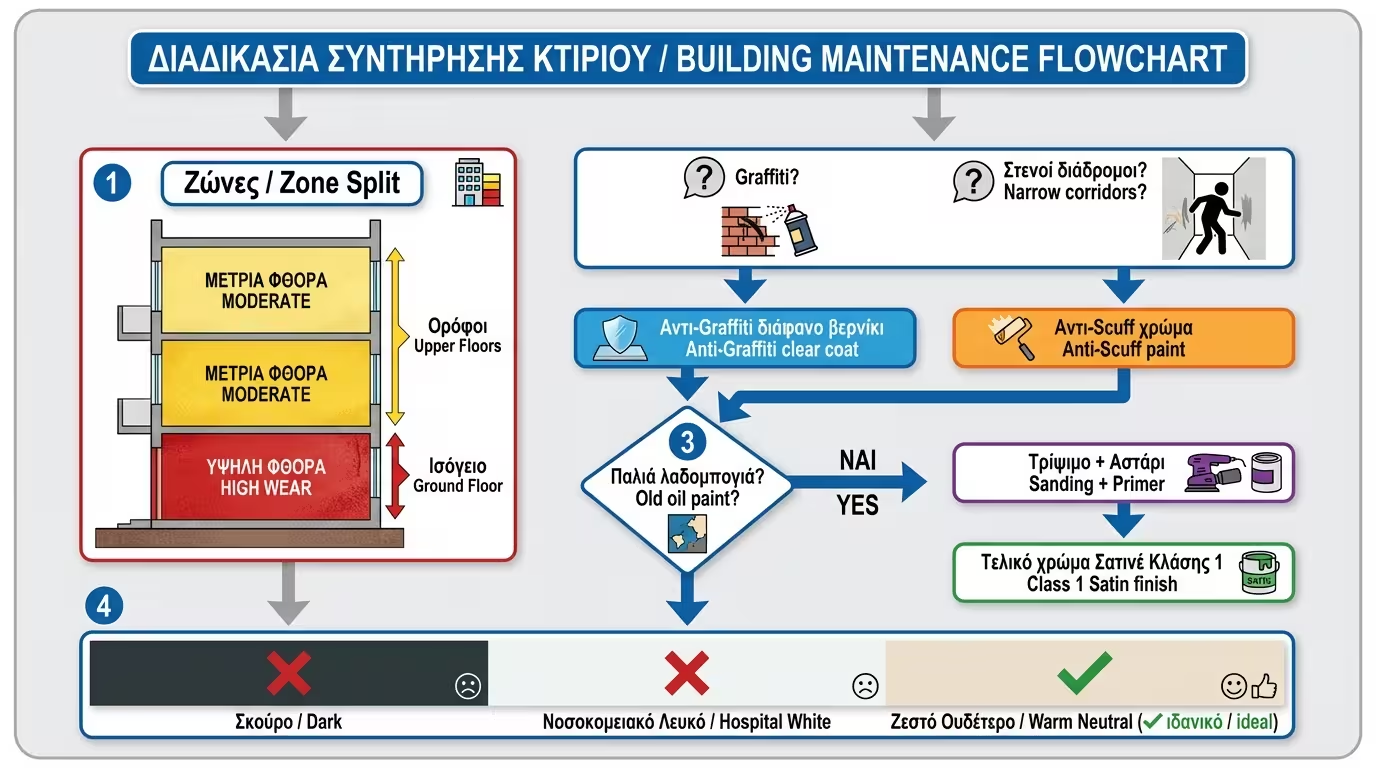
Ground floor / Entrance: maximum-wear zone - invest in the toughest materials. Upper floors: a step more economical but still quality, same shade.
Graffiti risk? → acrylic paint + Anti-Graffiti clear coat (2K polyurethane). Narrow corridors? → certified Anti-Scuff paint.
Old oil paint? → sanding + bonding primer first. Topcoat: premium Class 1 Satin/Eggshell - don't cut corners, or labour costs will double.
Avoid dark colours (show scratches) and "hospital white" (looks dirty fast). Ideal: warm neutrals (off-white with ochre/greige) - hide dust, reflect light, feel welcoming.
Choosing stairwell paint isn't just about aesthetics - it's about durability, safety and long-term savings. Split the zones, invest in Anti-Scuff and Class 1 at the entrance, and pick warm neutral shades in a satin finish. The initial investment pays for itself many times over.
Return to category.
Go to categoryReturn to the central guide.
Go to guide