Where Are They?
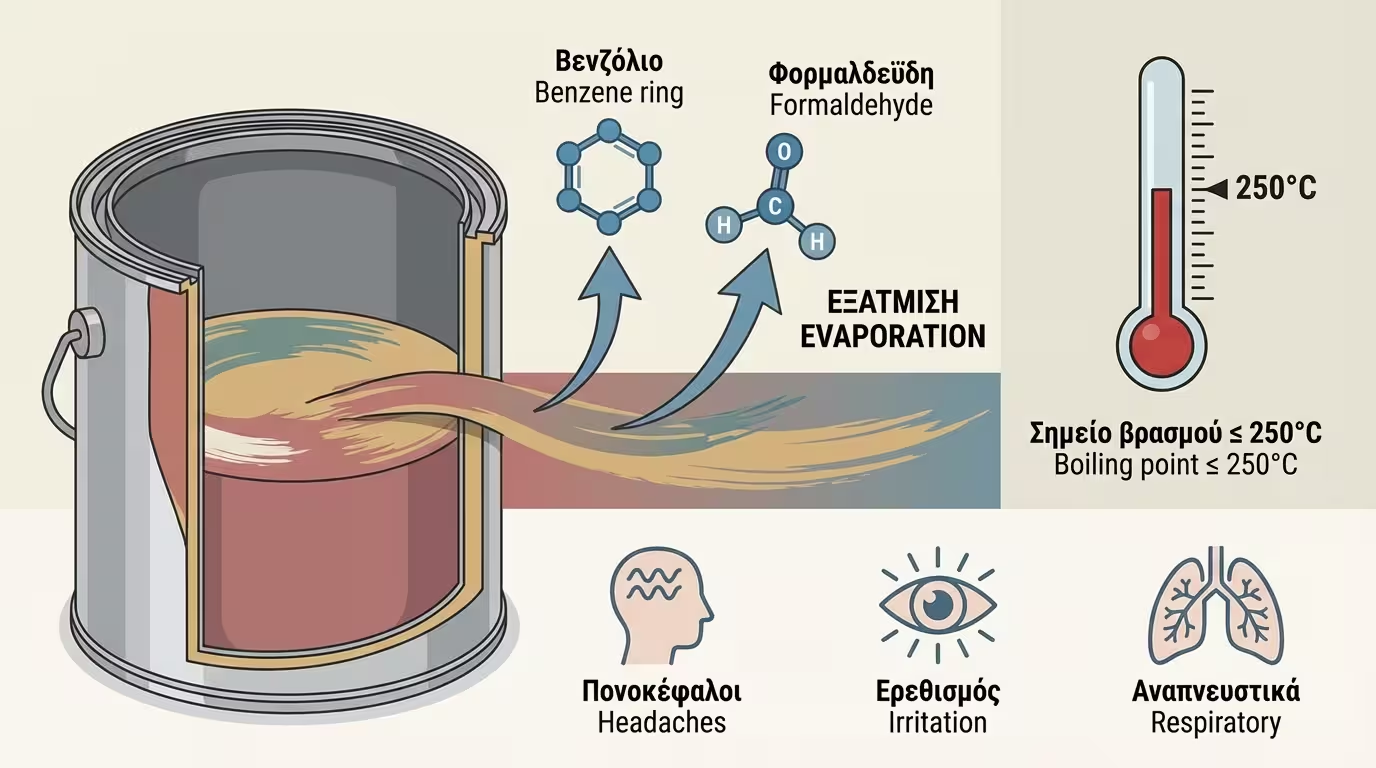
In the solvents & additives of the paint. As it dries they're released into the air → headaches, eye/throat irritation, long-term respiratory damage.
The smell of a freshly painted room once meant "cleanliness" - in reality it's chemical air pollution. We spend 90% of our time indoors - air quality matters. What does VOC mean, which certifications count and what should you watch out for?
VOC = Volatile Organic Compounds. Chemical substances with a boiling point ≤ 250°C that evaporate at room temperature:
In the solvents & additives of the paint. As it dries they're released into the air → headaches, eye/throat irritation, long-term respiratory damage.
The industry classifies paints by VOC content:
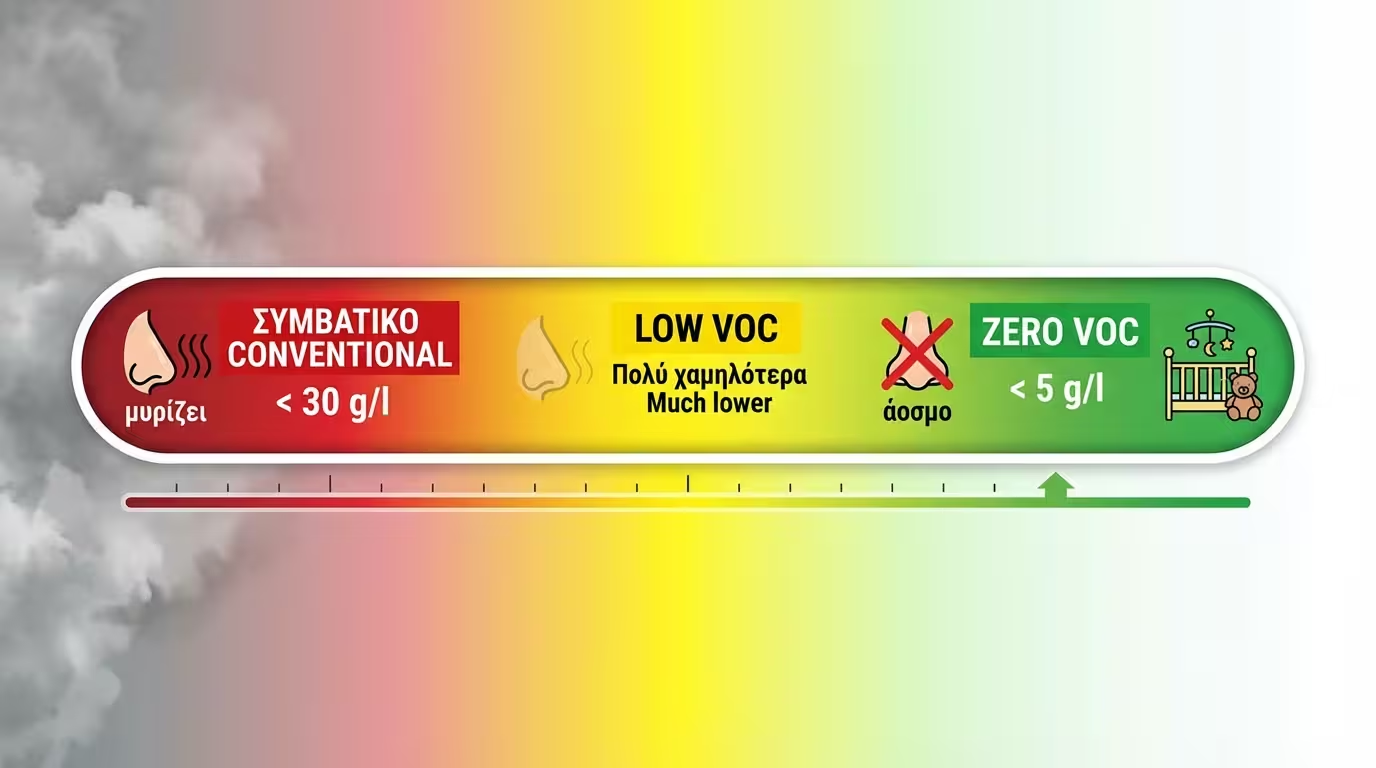
Complies with legislation (< 30 g/l for matte interior). Noticeable smell during application.
Significantly lower than the legal limit - far fewer fumes.
< 5 g/l. Practically odourless. Room can be used immediately (nurseries, bedrooms, clinics).
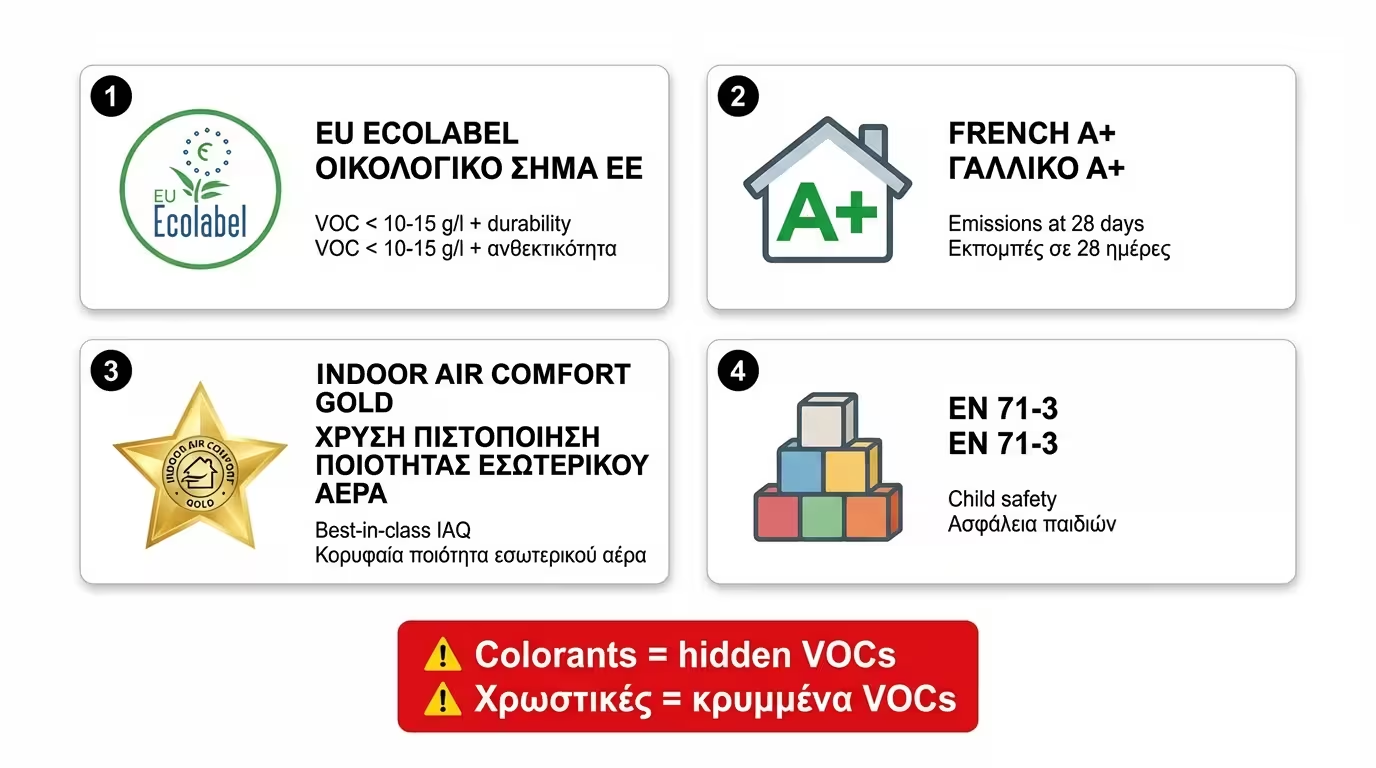
"Eco-friendly" on the tin isn't enough - look for official marks:
| Certification | What It Guarantees | Ideal For |
|---|---|---|
| EU Ecolabel | VOC < 10-15 g/l, no heavy metals/carcinogens + high opacity | General interior use |
| French A+ | Room air emissions at 28 days - highest grade | Building certification |
| Indoor Air Comfort Gold | Combines strictest EU criteria (AgBB, A+, BREEAM, LEED) | Best-in-class IAQ |
| EN 71-3 | Toy safety - no migration of heavy metals | Children's rooms, nursery furniture |
VOC levels on the tin refer to the white base. Dark colorants can add VOCs! Make sure the store uses Zero VOC Colorants.
For engineers, architects & specifiers:
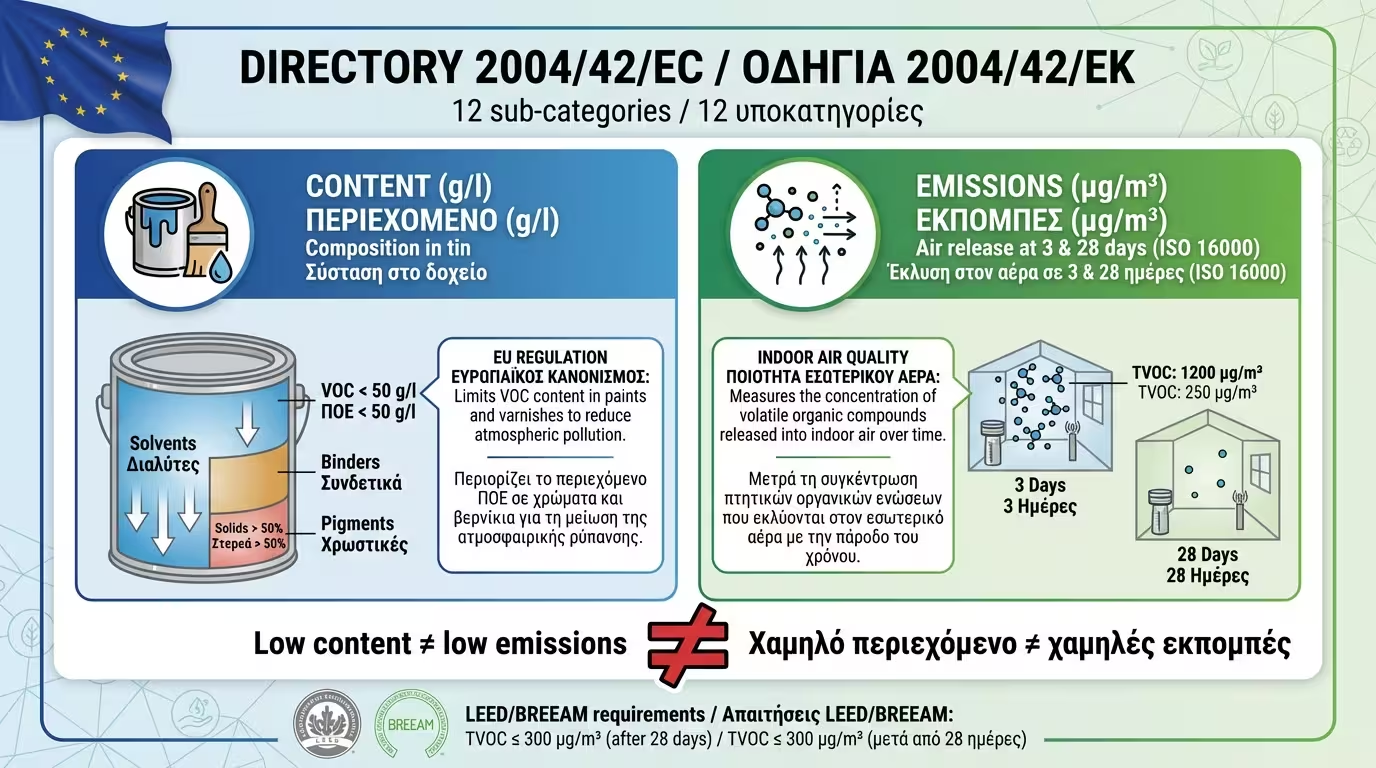
EU regulatory core. 12 sub-categories (A/a-A/l) with maximum VOC content (g/l) "ready for use." Category A/a (matte interior) = 30 g/l.
VOC Content (g/l) = composition in the tin. VOC Emissions (µg/m³) = release rate at 3 & 28 days (ISO 16000). Low content ≠ low emissions!
2004/42/EC compliance isn't enough - they require Emissions Evaluation (Indoor Air Comfort Gold, EMICODE EC1+). TVOC ≤ 300 µg/m³ at 28 days.
Low-VOC paints protect indoor air quality without compromising durability. Look for certifications (EU Ecolabel, A+, Indoor Air Comfort Gold), ask about the colorants and - if targeting building certification - request an emissions certificate.
Return to category.
Go to categoryReturn to the central guide.
Go to guide