👆 Touch Dry (Dust Free)
Surface no longer tacky, but the paint is still very fragile underneath. Does not mean you can apply the next coat!
Impatience is the number one enemy of metal painting. Learn to read technical data sheets and respect the correct time windows.
Three key terms you'll encounter in every technical data sheet (TDS):
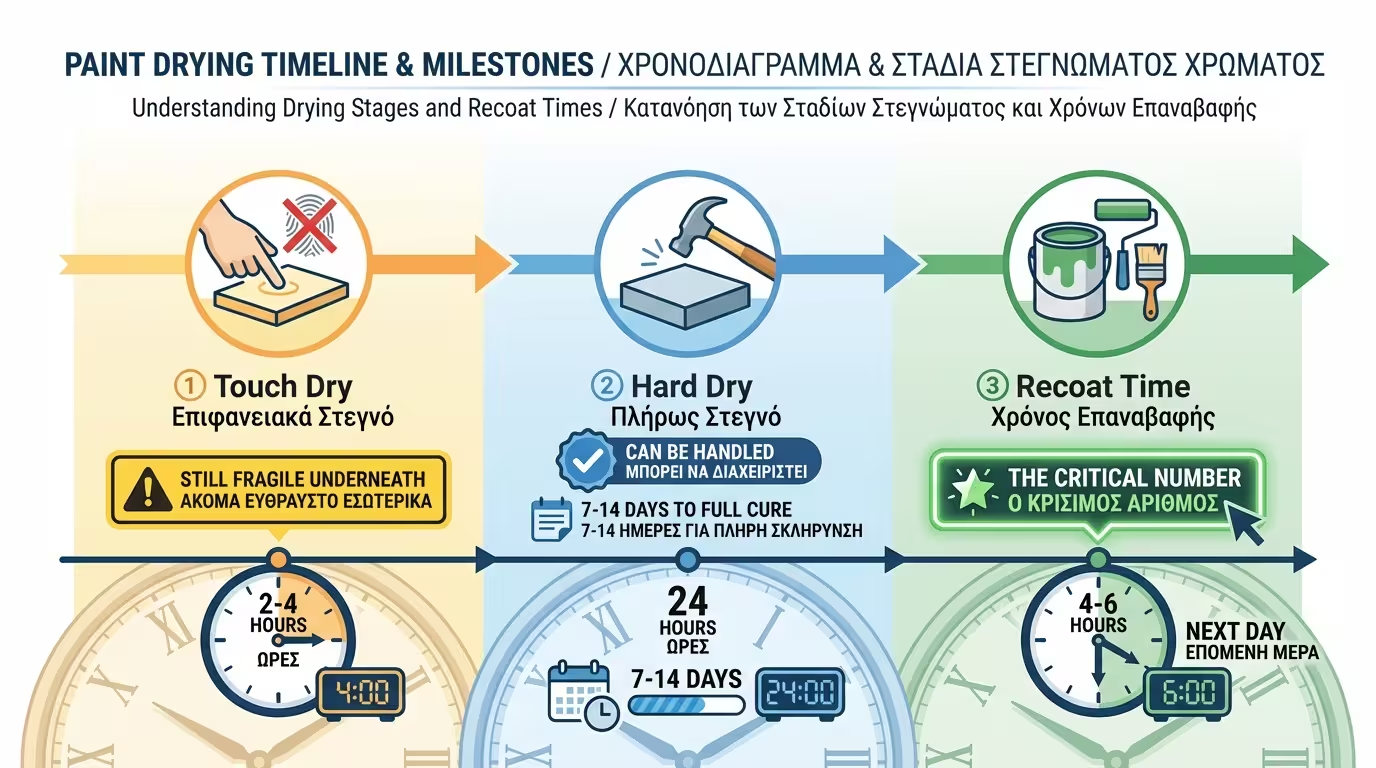
Surface no longer tacky, but the paint is still very fragile underneath. Does not mean you can apply the next coat!
Hard throughout its thickness. The structure can be handled, but full cure takes 7-14 days.
The most critical number - the time window for applying the next coat.
The recoat time always has a minimum and maximum limit:
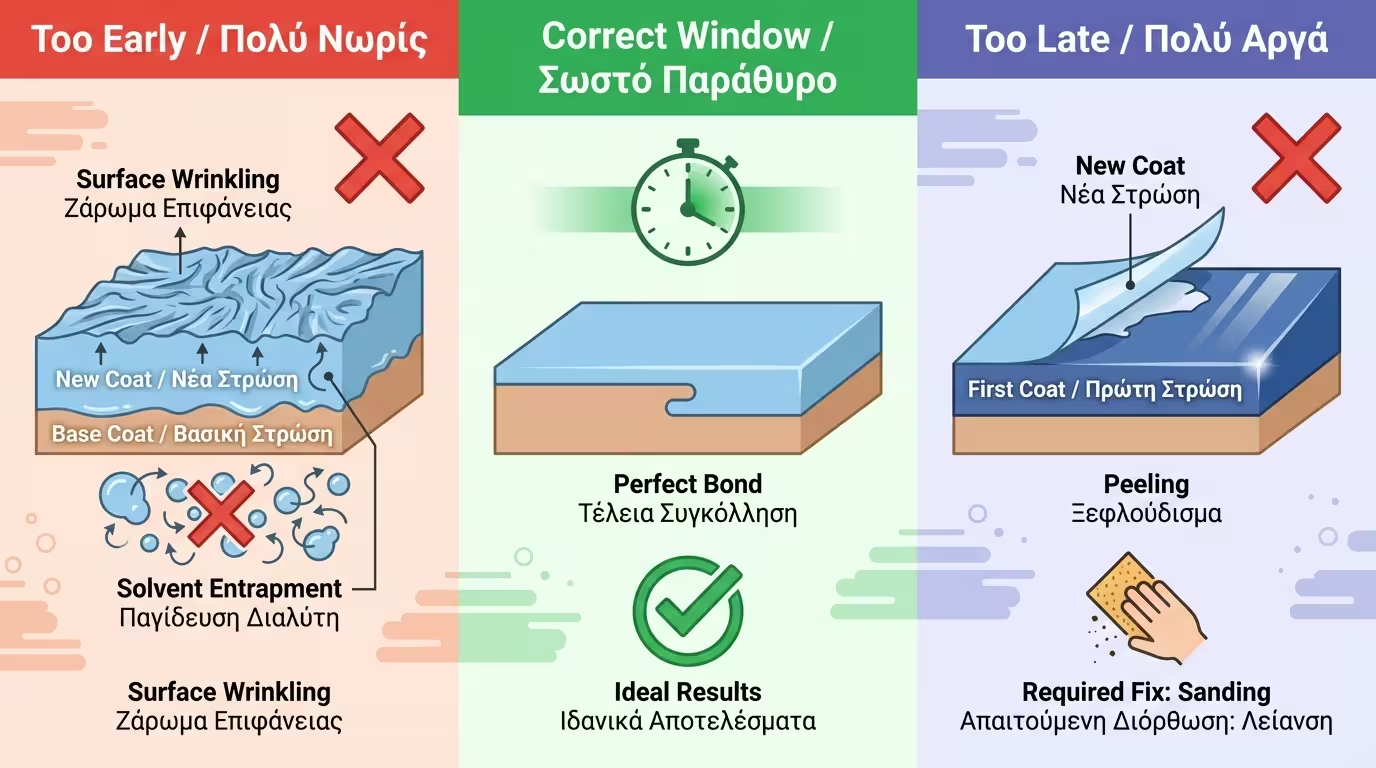
Solvent gets trapped underneath (solvent entrapment). Result: blistering, wrinkling, paint stays soft like chewing gum.
Mainly affects 2K products (epoxy/PU). The first coat becomes glass-like - the new coat peels off like a sticker. Solution: light sanding + cleaning.
Times on the tin are based on 20°C / 50% humidity. In reality:
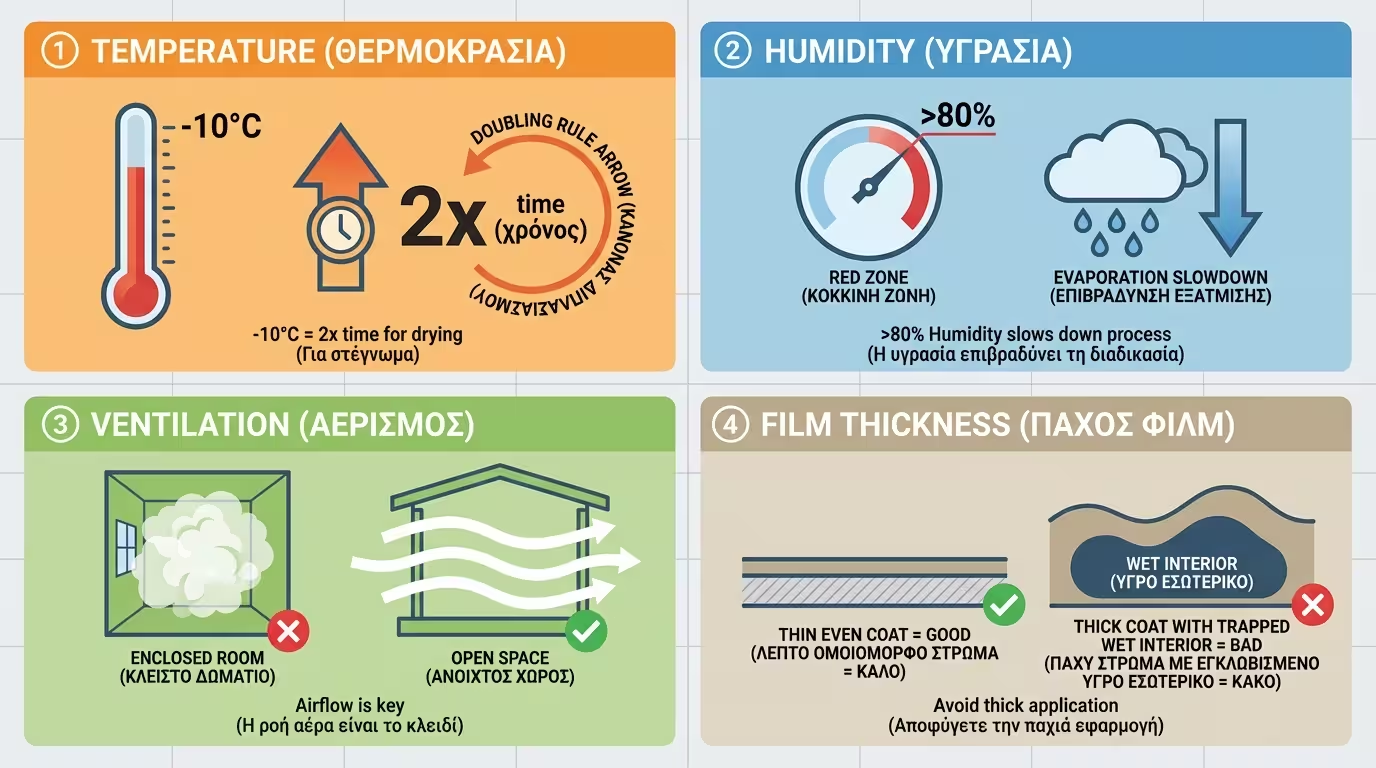
Golden rule: every 10°C drop → double the drying time. Painting at 10°C? Expect twice the wait.
Above 80% → solvent evaporation slows dramatically. Painting is not recommended.
Enclosed space? Solvent vapours sit on the metal. Good airflow = dramatically faster drying.
Thick coat = surface "skins over" while inside stays wet. Always apply thin, even coats.
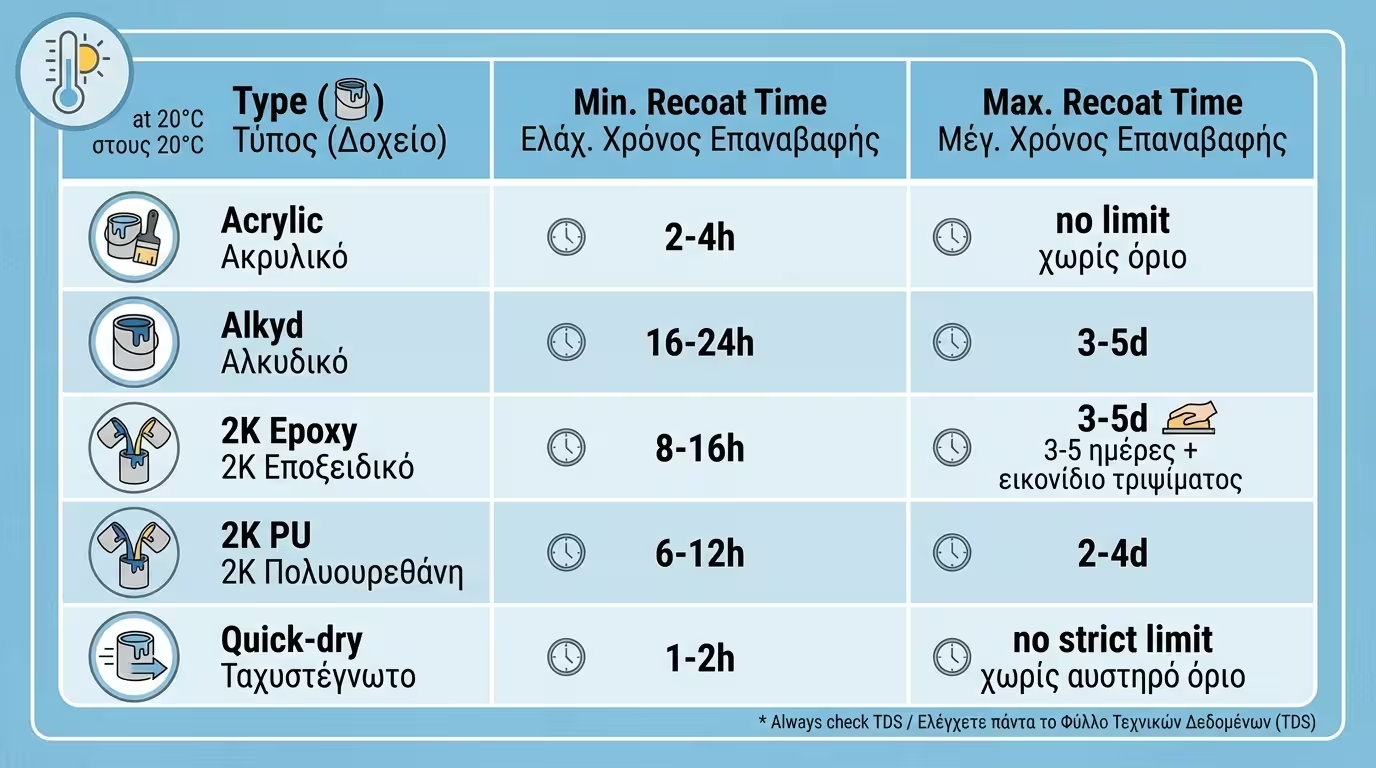
Always consult the manufacturer's TDS. General guidelines:
Minimum: 2-4 hours. Maximum: No strict limit (usually).
Minimum: 16-24 hours. Maximum: 3-5 days.
Minimum: 8-16 hours. Maximum: 3-5 days (then sanding required).
Minimum: 6-12 hours. Maximum: 2-4 days.
Return to category.
Go to categoryReturn to the central guide.
Go to guide