⏱️ Drying (Flash-off)
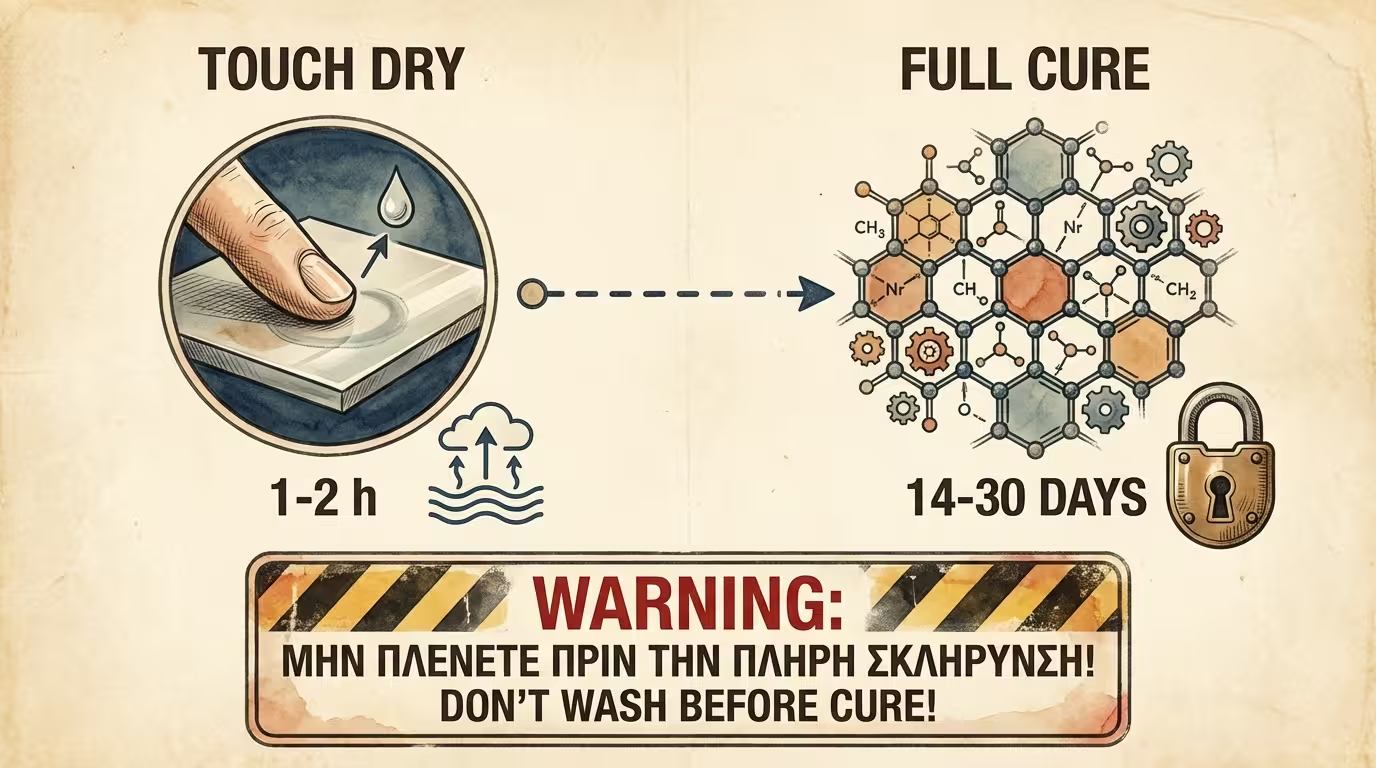
The initial phase of volatile evaporation (VOCs). The surface becomes "touch dry", but the film remains soft as coalescence of the resin particles is not yet complete.
The biggest trap in painting: understanding when a paint dries vs when it truly hardens - the secret to not ruining your work.
"Dry" doesn't mean "ready for use". The process has two entirely different stages:
The initial phase of volatile evaporation (VOCs). The surface becomes "touch dry", but the film remains soft as coalescence of the resin particles is not yet complete.
A molecular kinetic process where polymer chains form cross-links. In solvent-based varnishes this occurs via oxidation, while in 2K systems it's a chemical reaction, providing the final mechanical and chemical resistance.
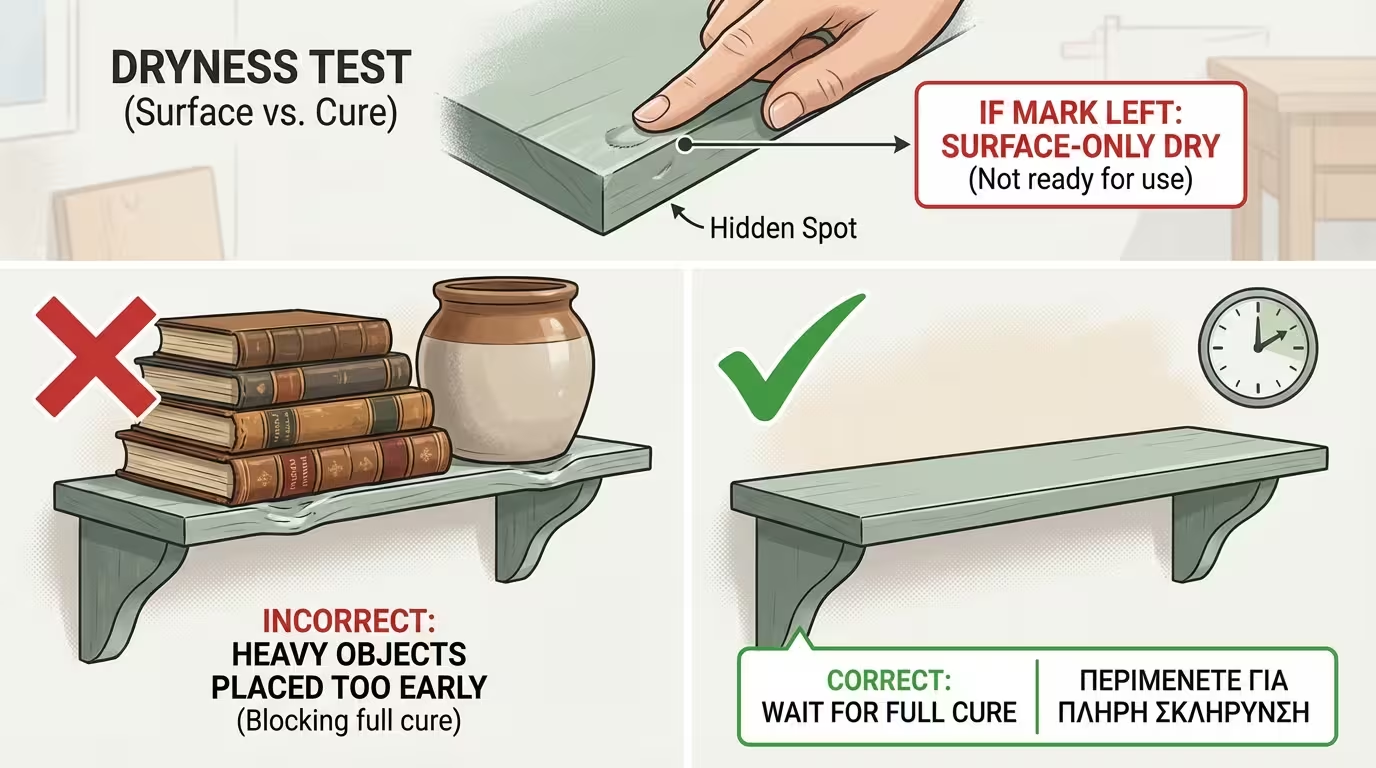
⚠️ 2nd coat = at "recoat time". Washing walls or placing heavy objects = only after full cure!
Times depend directly on the material's chemical composition:
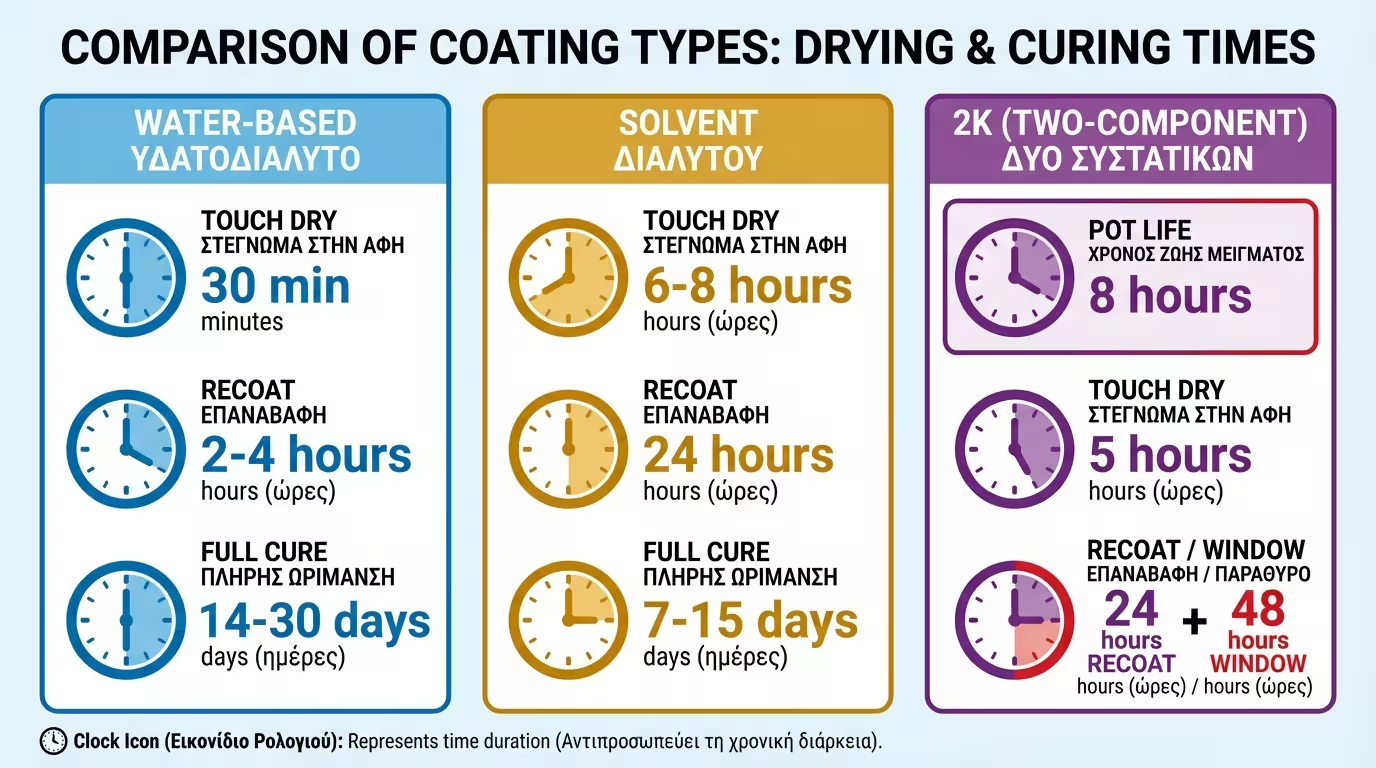
Touch: 30min-1.5h · Recoat: 2-4h · Cure: 14-30 days. Complete primer + 2 coats in 1 day!
Touch: 6-8h · Recoat: strictly 24h · Cure: 7-15 days. Rushing = blistering from trapped solvent.
Pot Life: 8h · Touch: 5h · Recoat: 24h. After 48h the surface becomes so hard it requires mechanical sanding for the next coat.
TDS values apply to ideal conditions (20-25°C, 50% RH). In practice:
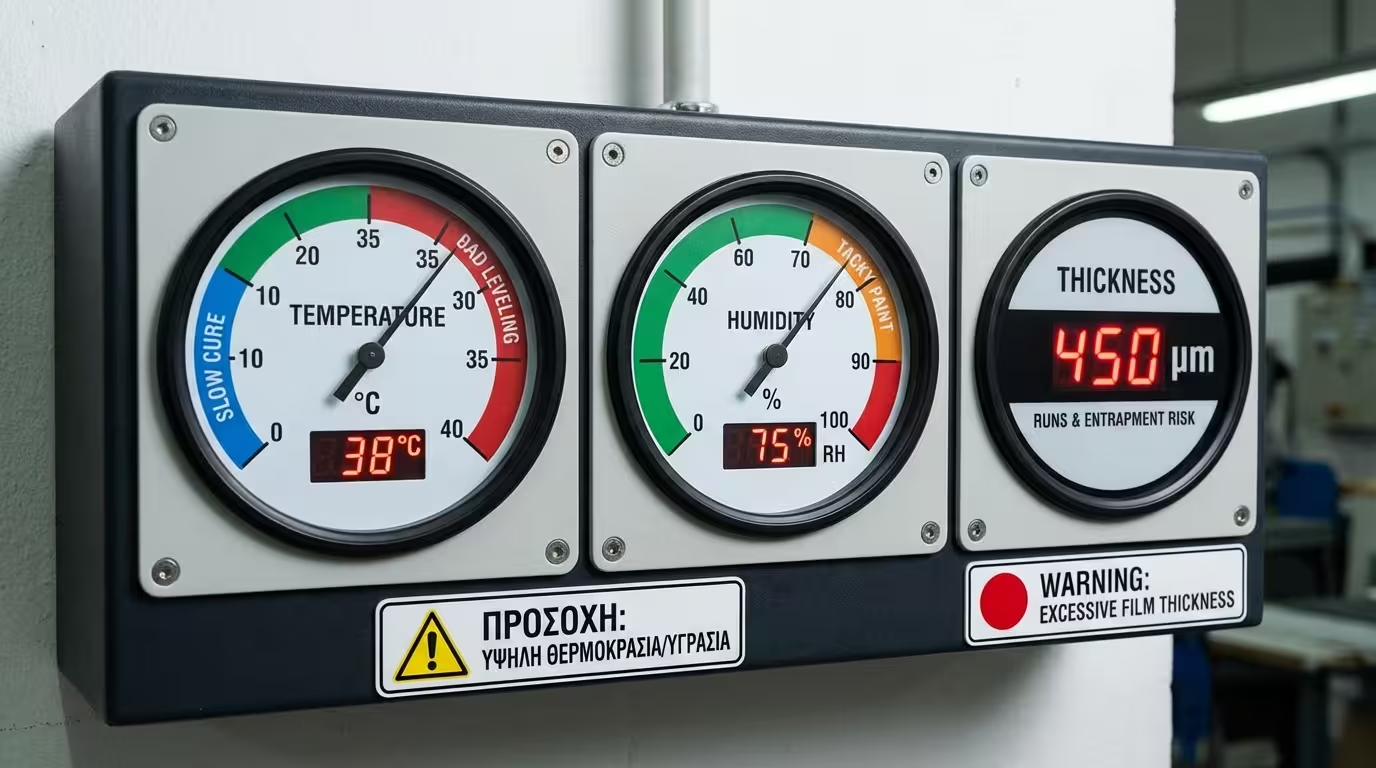
Cold = dramatic slowdown. Extreme heat (>35°C) evaporates liquids too fast → poor leveling, won't flow properly.
The air is saturated with water vapour, dramatically reducing the evaporation rate of water from the paint. The film remains tacky, risking moisture entrapment beneath a premature surface "skin".
Thick coat = slow drying + runs + solvent entrapment. Several thin coats > one thick coat.
How do you know if the furniture is ready? Press your nail lightly on a hidden spot. If it leaves a mark or indentation, the paint has dried only on the surface (it's formed a "skin") but hasn't cured internally. Don't place heavy objects (books, plant pots) - they'll stick (blocking).
Drying times determine the project timeline (Gantt chart) and delivery quality:
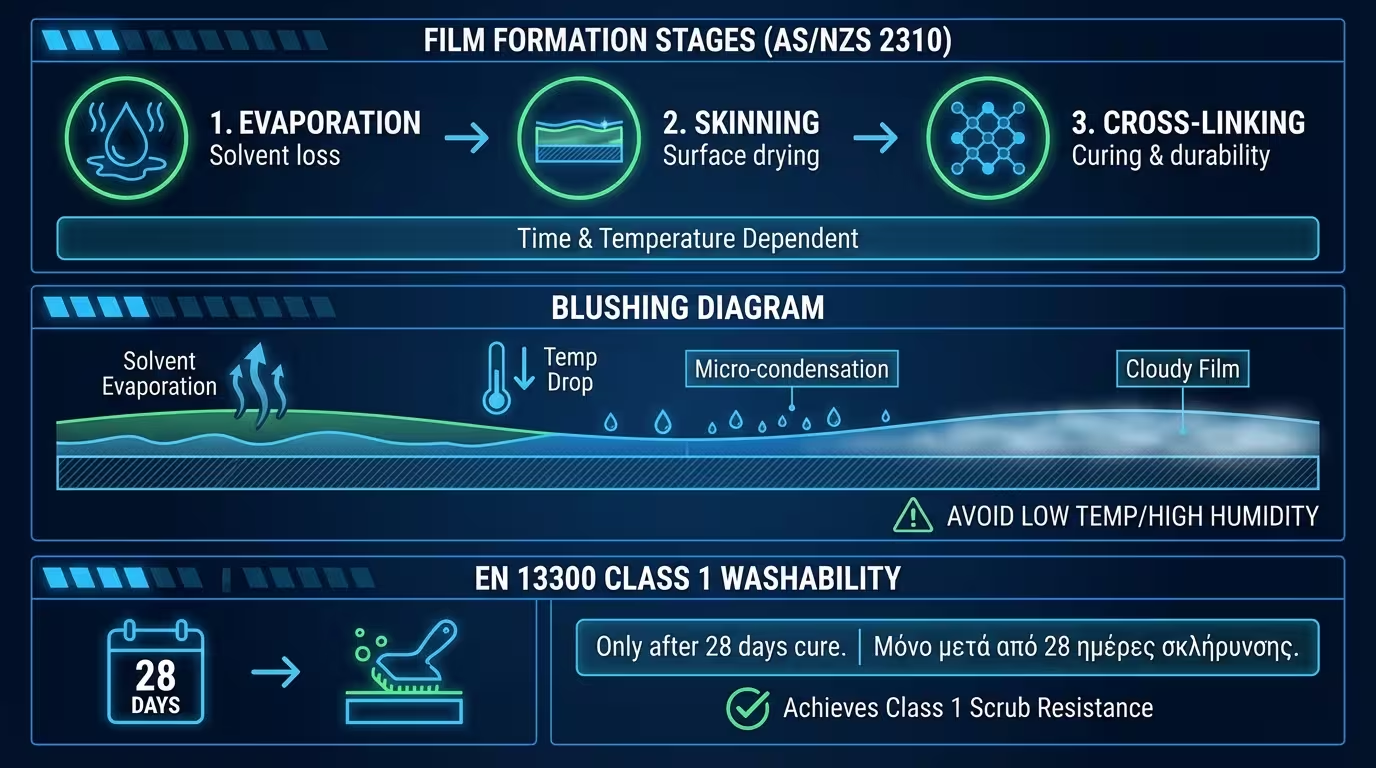
The coating: volatile evaporation → "skin" formation (skinning stage) → cross-linking of polymers.
In solvent-based varnishes: rapid evaporation drops surface temperature → local condensation of water vapour (micro-condensation) → clouding/whitening of the film.
Class 1 washable paints achieve their certified rub resistance only after full cure (up to 28 days). No wet cleaning before this period!
Return to category.
Go to categoryReturn to the central guide.
Go to guide