
Water vs solvent varnishes
Differences in durability, odour and application between water and solvent varnishes for interior wood.
Read more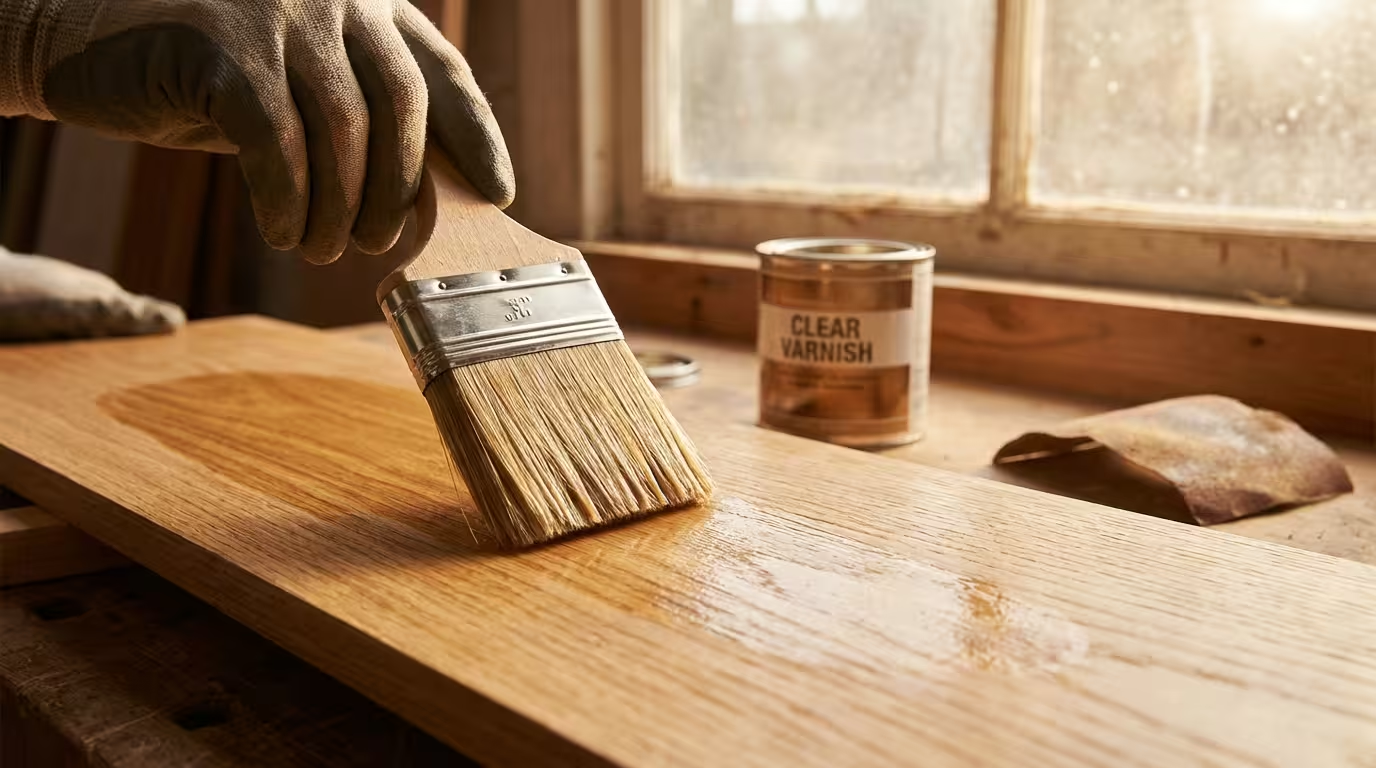
Wood is a living material - it breathes, expands and contracts. The right choice of varnish, oil or paint depends on the wood species, location (interior or exterior) and use (floor, door, furniture, pergola).
In this section we analyse varnishes, oils, opaque paints, protection and restoration - so every choice is made with evidence.
Interior wood surfaces (doors, frames, banisters): water or solvent, polyurethane or lacquer, clear or opaque - how to choose correctly.
Differences in durability, odour and application between water and solvent varnishes for interior wood.
Read moreWhen polyurethane is worth it for maximum interior wood durability.
Read more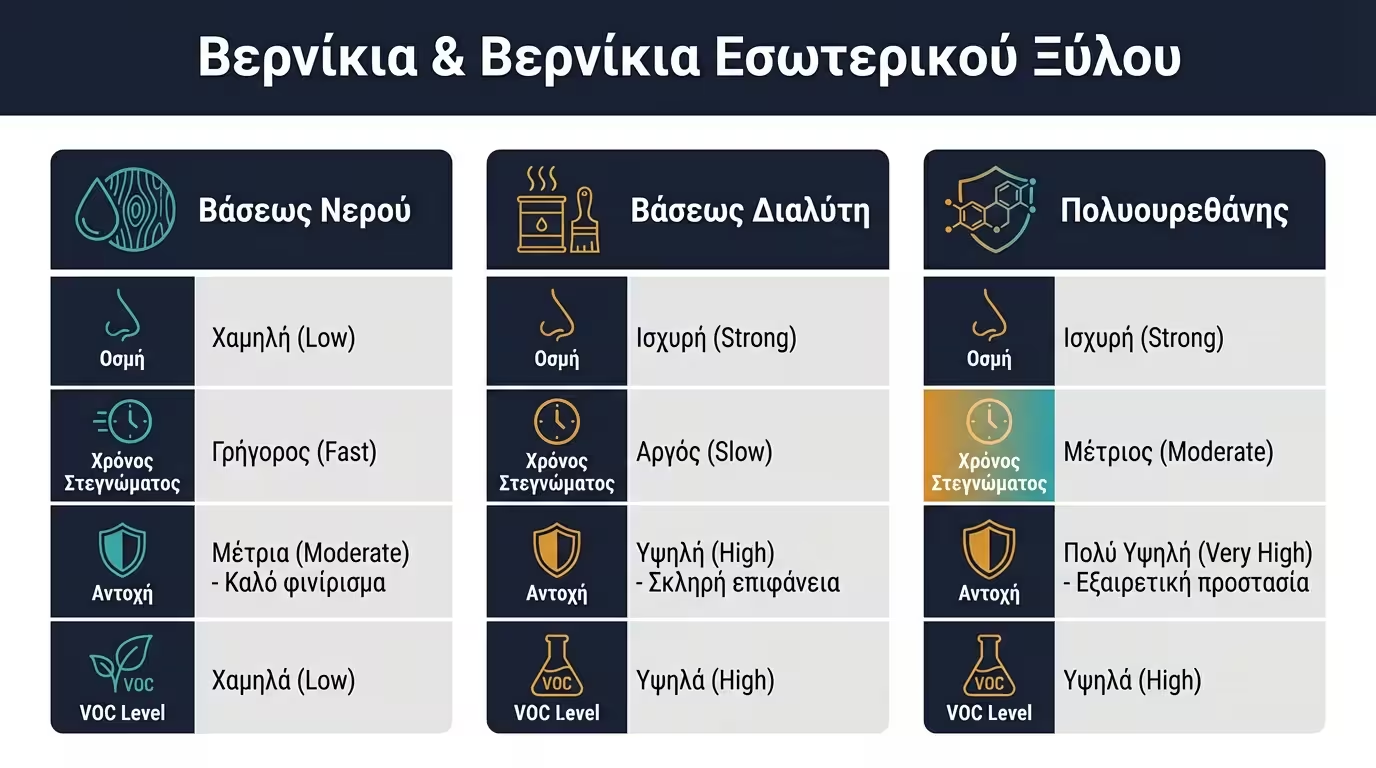
How choosing a clear or tinted varnish affects wood appearance.
Read morePractical differences between lacquer and varnish on wood.
Read moreWhen to paint rather than varnish interior wood surfaces.
Read moreDurability and aesthetic result per finish on wooden surfaces.
Read moreSun, rain, UV, fungi: exterior wood has its own enemies. Marine varnishes, impregnation, oils and the right maintenance cycle.
Resistance to sun and moisture - when marine varnish is needed.
Read moreProtection before the final finish with impregnation and wood preservatives.
Read more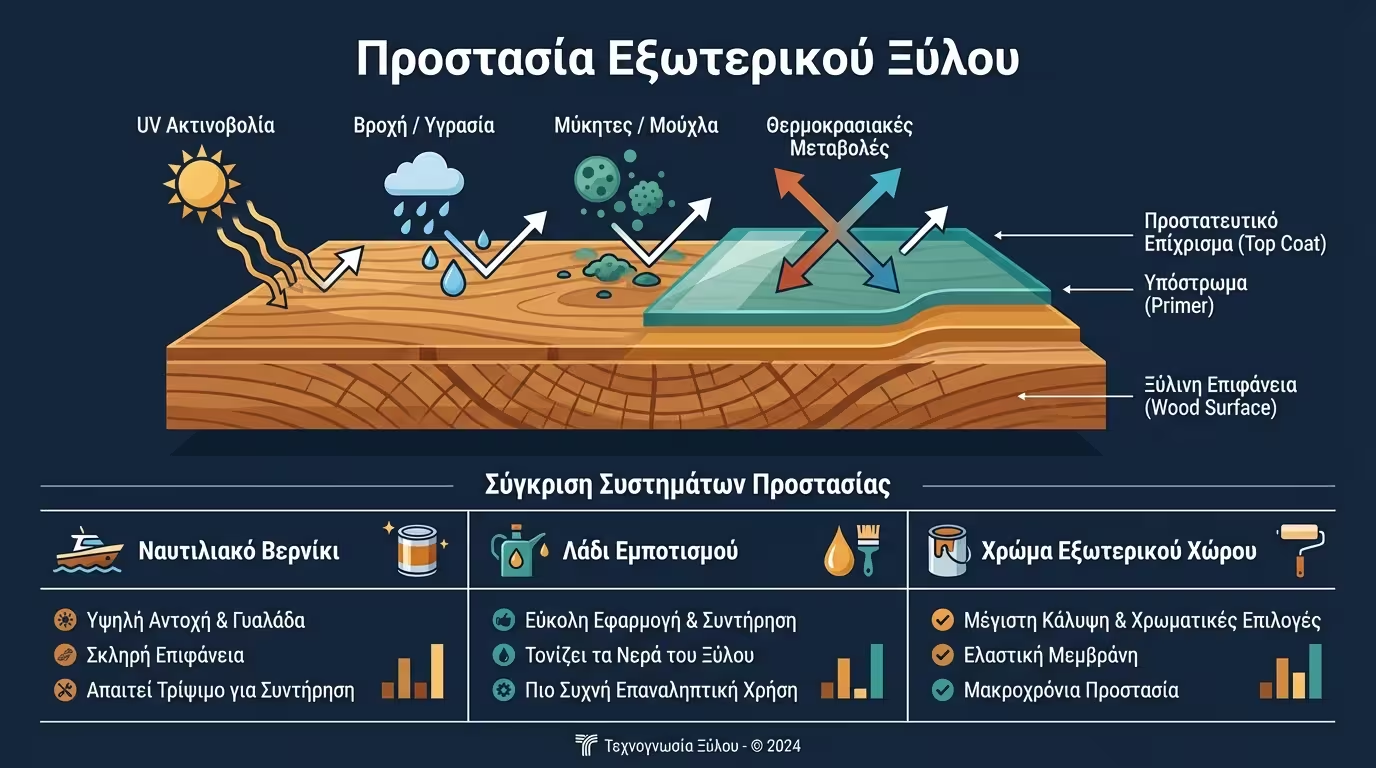
Advantages and limitations of oils for exterior wood.
Read moreHow to prevent greying and UV radiation damage.
Read moreCorrect application system for pergolas and wooden fences.
Read moreWhen renewal is needed and the correct maintenance cycle.
Read moreVarnishing, oiling or painting wood floors: the right choices for durability, aesthetics and easy maintenance.
Durability and drying time per floor varnish type.
Read moreWhen a professional polyurethane solution is required for floors.
Read more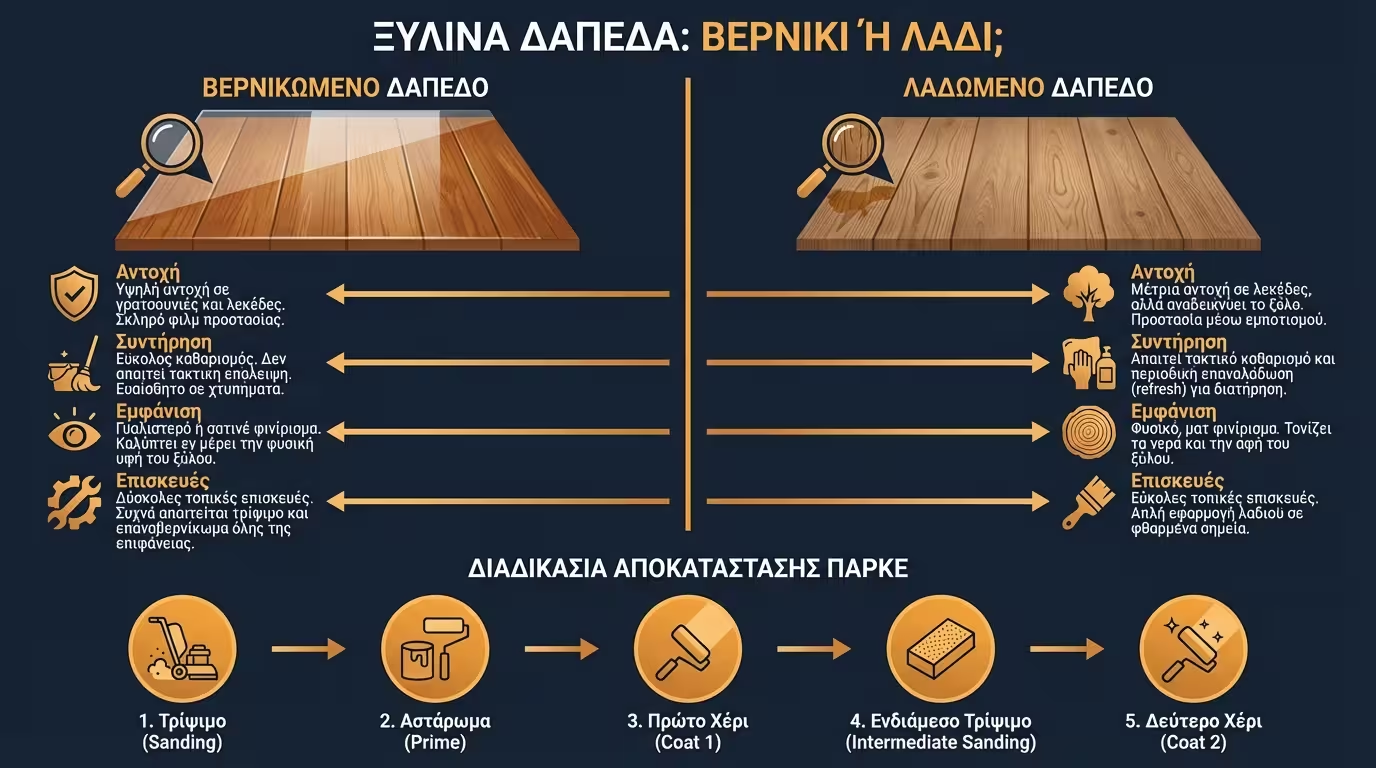
Sanding, priming and final finish step-by-step.
Read moreMaintenance and lifespan - comparing oil and varnish.
Read moreAdvantages and risks of painting a wood floor with opaque paint.
Read moreBubbling, marks and peeling - how to avoid them.
Read moreRestoration, stripping old paint, sanding, priming and painting lacquered furniture - the complete guide.
From bare wood to finish - complete restoration process.
Read moreCorrect sandpaper grading and wood sanding technique.
Read more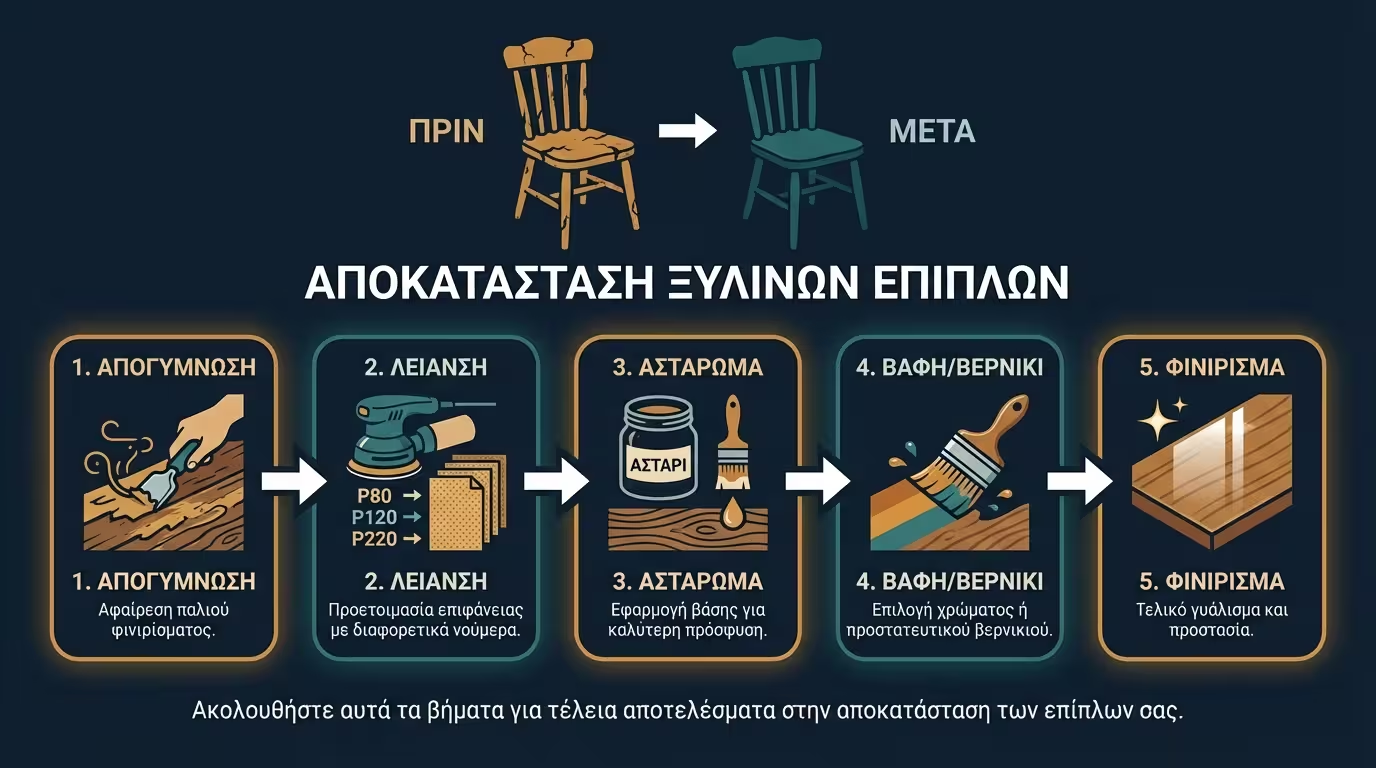
Chemical strippers, heat gun or sanding? Which method for which case.
Read moreWhen primer is essential before painting wooden furniture.
Read moreHow to achieve proper adhesion on lacquered surfaces.
Read moreSolutions without full removal for yellowed varnishes.
Read moreSoftwoods, hardwoods, tropical, resinous, MDF or thermally modified: each wood requires a different approach.
Absorption and finish depending on wood hardness.
Read moreHow the wood species affects the final result.
Read more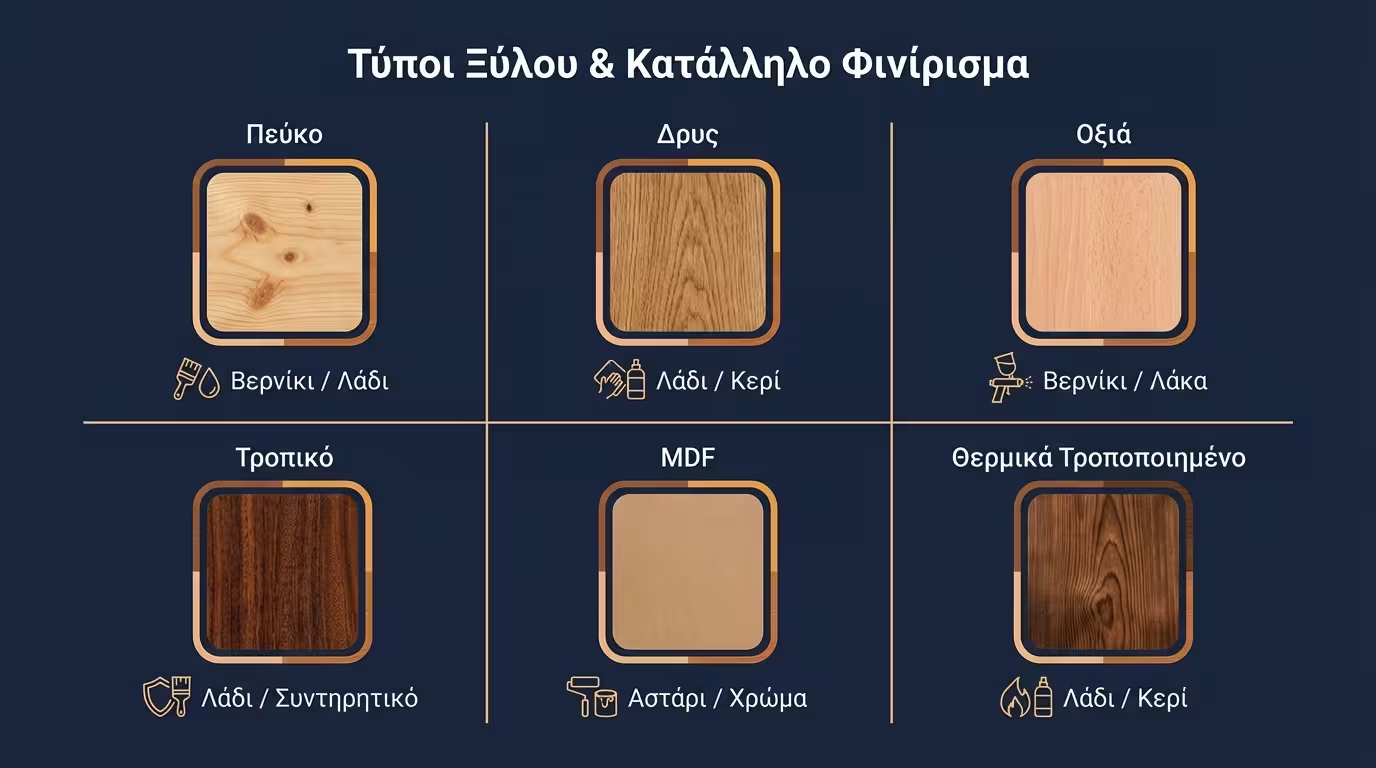
Application specifics for tropical woods.
Read morePreparing plywood and MDF before painting.
Read moreHow to avoid resin stains in resinous woods.
Read moreWhat protection thermally modified wood needs.
Read moreWood moisture, primers, pore filling, layer structure, drying times and application tools.
Ideal moisture percentages before varnishing and how to test.
Read moreAdhesion and pore sealing - which primer for which wood.
Read more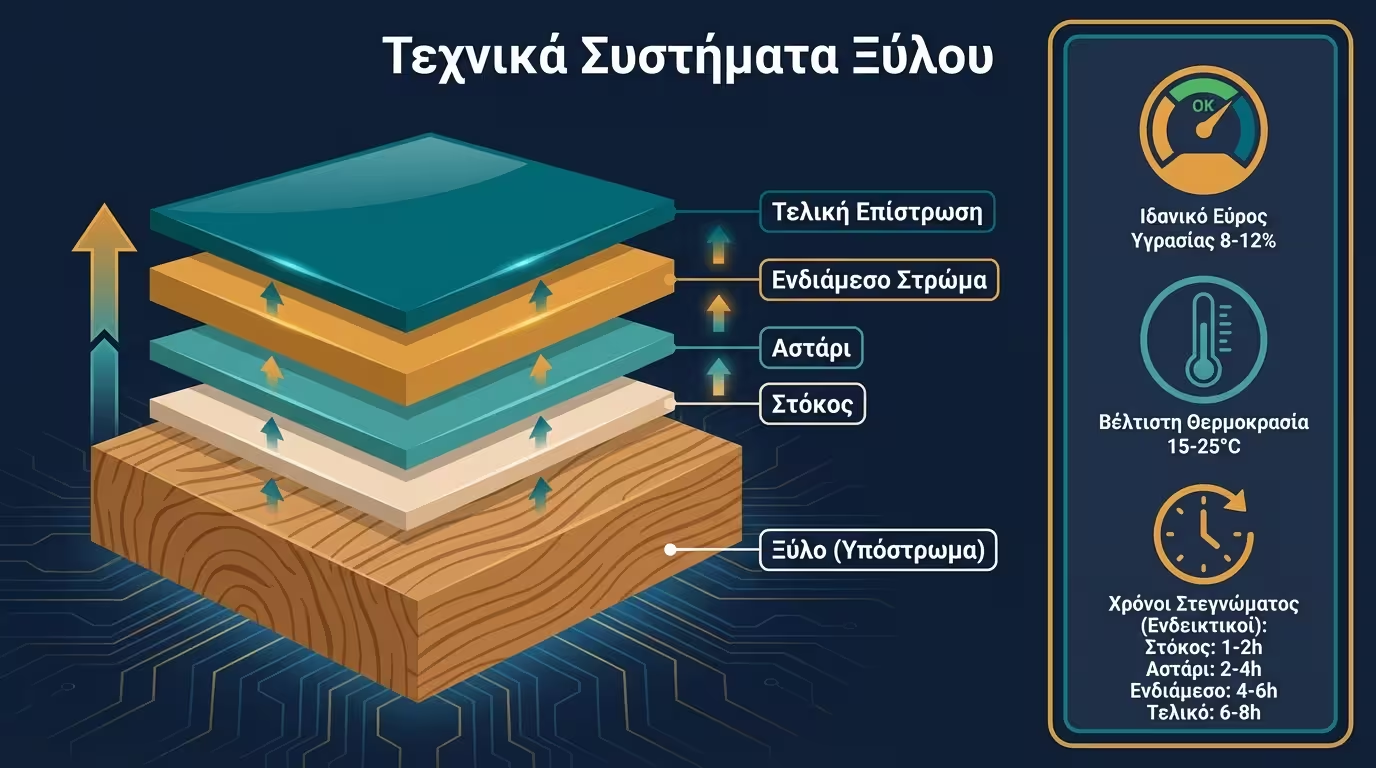
When a smooth surface is required and how to do it right.
Read moreLayer structure in transparent and opaque wood coating systems.
Read moreWhat affects drying times and how to avoid mistakes.
Read moreAdvantages of each application method on wooden surfaces.
Read moreReturn to the complete paint guide. Interior, exterior, metal and technical data are covered separately.
Go to guideIf you are planning wood painting or varnishing and want professional advice - get in touch.
Contact us