Capillary rise
Moisture rising from the ground through porous materials. Appears in lower areas - ground floors, basements, wall bases.
The hidden cause behind most paint failures
Moisture is the single most important factor affecting paint durability on apartment buildings. It may not be visible on the day of application, but it almost always reveals itself within the first few years.
Paint doesn't fail because it "wasn't good enough". It fails because the substrate wasn't stable and dry. If there's water beneath the film, no paint will hold.
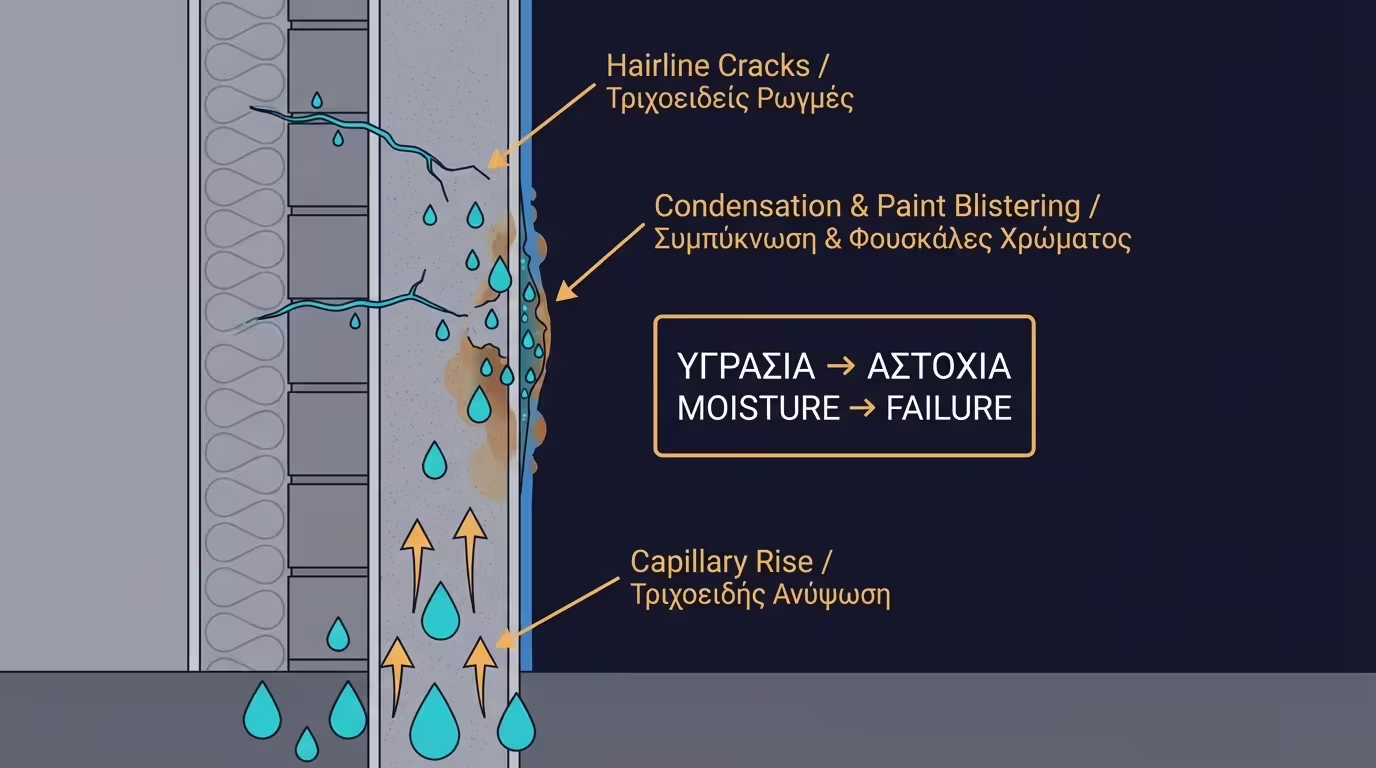
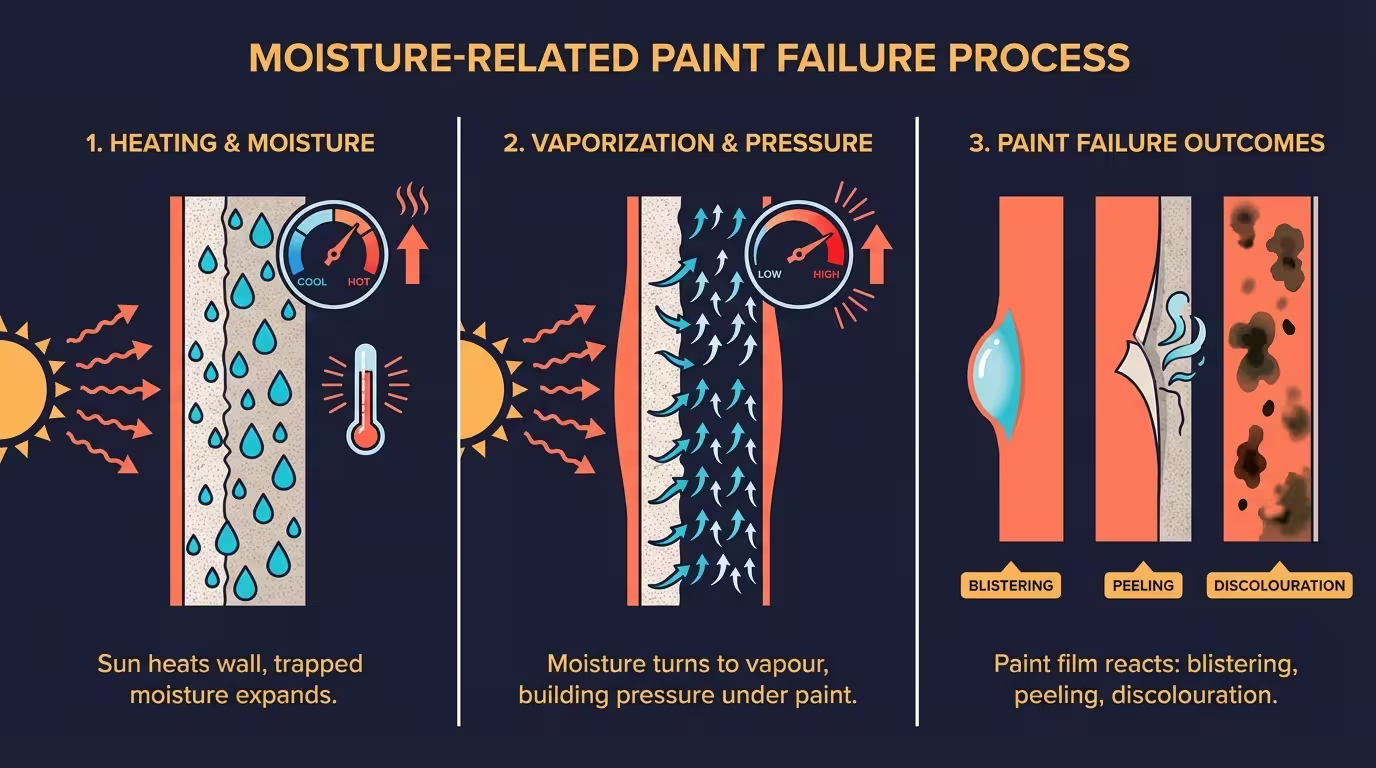
Moisture can reside inside the plaster, behind cracks, or beneath old paint layers. When the surface is exposed to sunlight, moisture turns to vapour, creating pressure beneath the film.
If the system doesn't allow breathability, the result is threefold: blistering, delamination, and peeling. Three failures that all start from the same cause.
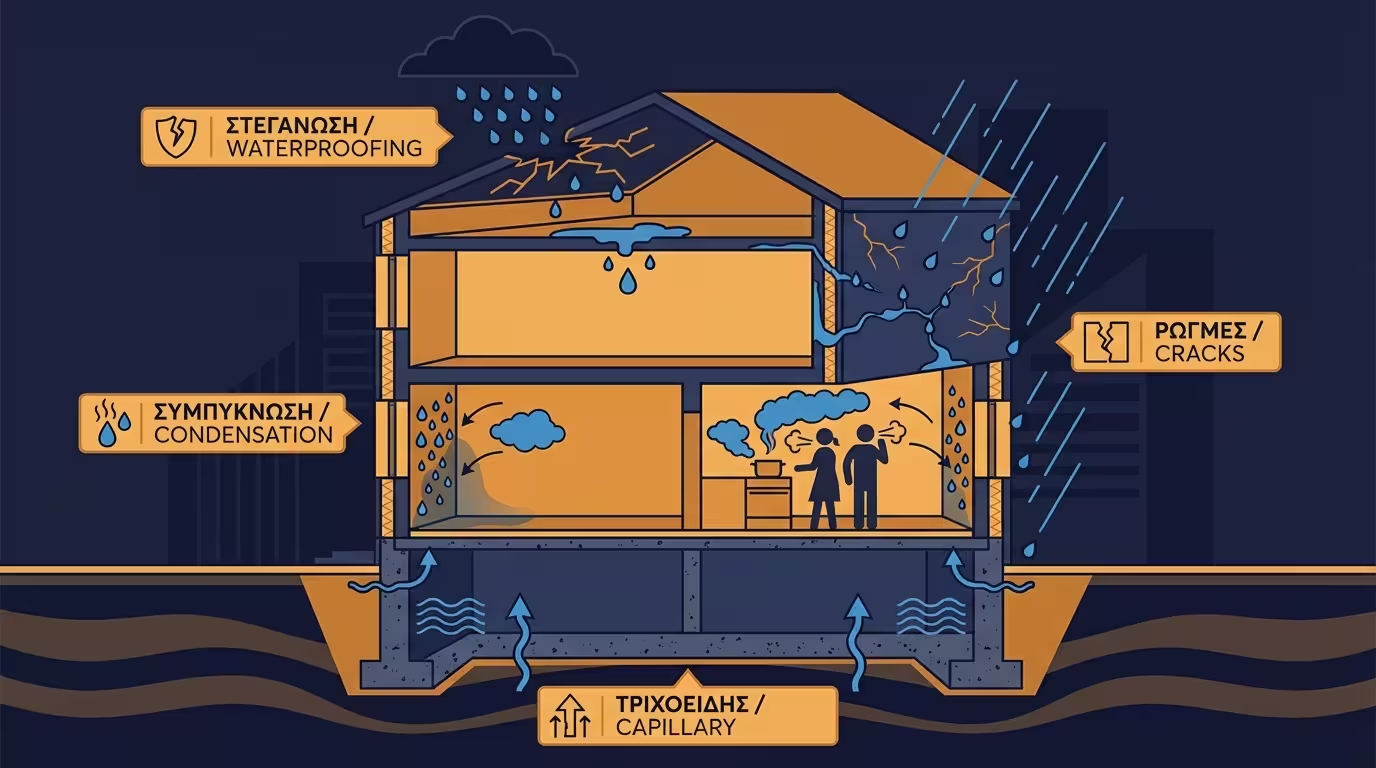
Moisture doesn't just "appear". It always comes from somewhere. Identifying the source is the first step to any proper solution.
Moisture rising from the ground through porous materials. Appears in lower areas - ground floors, basements, wall bases.
Water entering through rooftops, terraces, deteriorated membranes. Damage appears inside or at exterior corners.
Rainwater entering through plaster cracks or diagonal cracks near windows. Even hairline cracks are enough.
In interior spaces with inadequate ventilation - kitchens, bathrooms, closed rooms. Vapour condenses on cold walls.
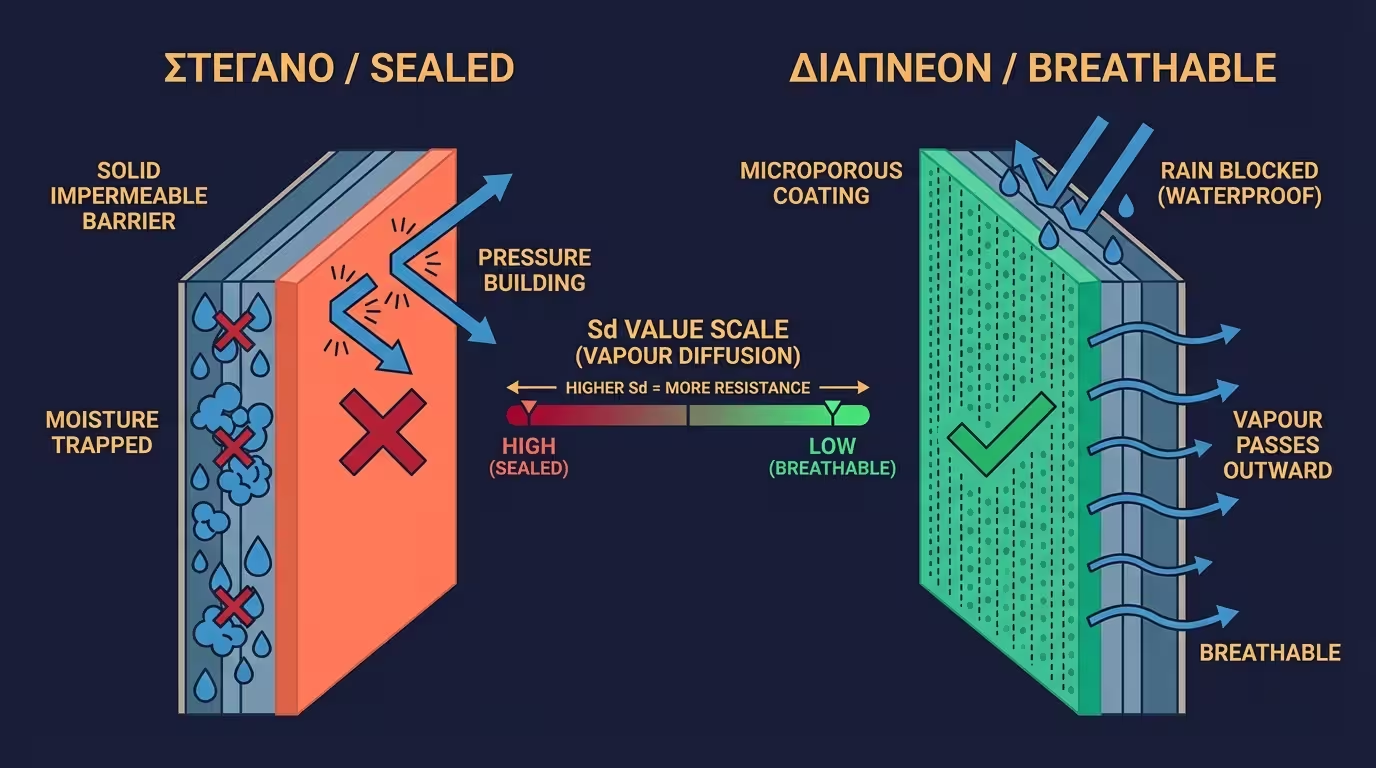
Waterproofing prevents water ingress. Breathability allows vapour to escape. These are not opposites - the right system does both: blocks rain but lets vapour escape.
The Sd value (equivalent air thickness) measures how well a film "breathes". Low Sd = high breathability. High Sd = sealed "lid". The wrong choice traps moisture - and the paint is lost within months.
The wrong choice can trap moisture inside the wall - making things worse than before.
Paint must not be applied on a substrate with high moisture content. Four simple checks prevent months of failure.
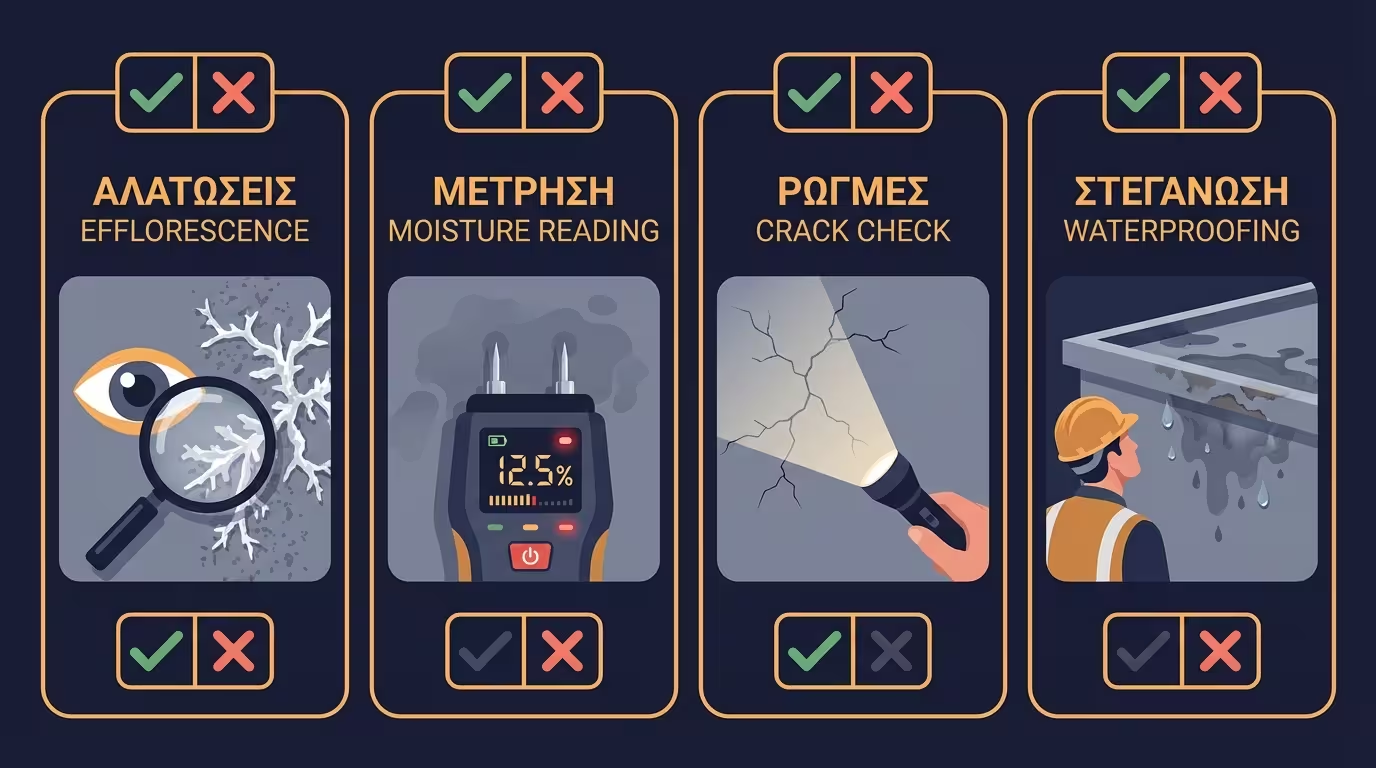
Visual check for white crystalline deposits on the surface. If efflorescence is present, moisture is present - don't paint.
With a digital moisture meter. Readings above 4–5% mean the wall still needs time to dry.
Every crack - even hairline - can let water in. Identify and seal before painting.
Check the condition of insulation and waterproofing. If the roof leaks, there's no point painting the facade.
Moisture cannot be hidden with more paint. Proper treatment always starts with diagnosis - and follows a specific sequence.
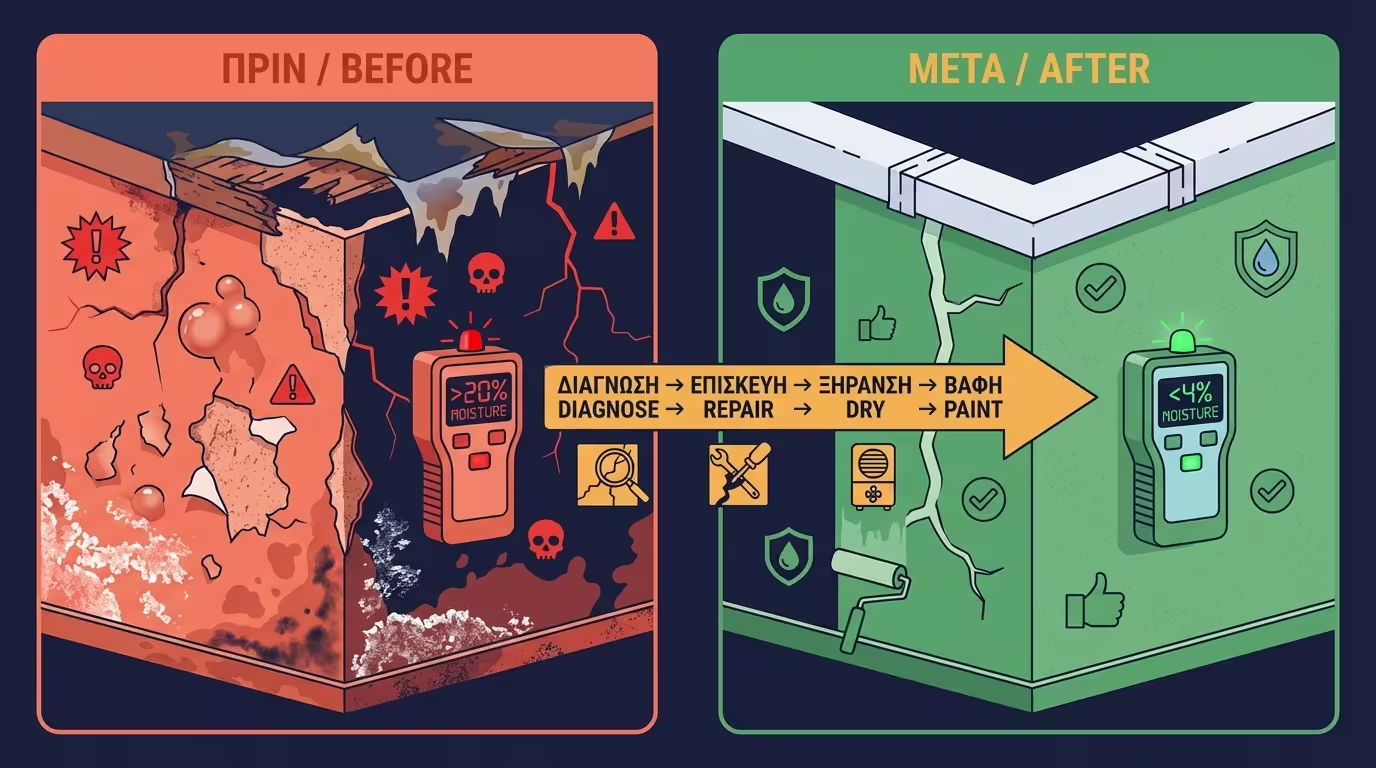
Identify the moisture source. Capillary? Waterproofing? Cracks? Without proper diagnosis, every fix is guesswork.
Restore waterproofing, seal cracks, fix plaster. Paint cannot solve structural problems.
The wall must dry completely. New plaster needs 28+ days of curing. Rushing = failure.
Choose a paint system with an appropriate Sd value - breathable yet waterproof. Primer + topcoat at the correct thickness.
The correct sequence is always: diagnose → repair → dry → paint. Never the other way around.
Return to category.
Go to categoryReturn to the central guide.
Go to guide