💧 Osmotic Blistering
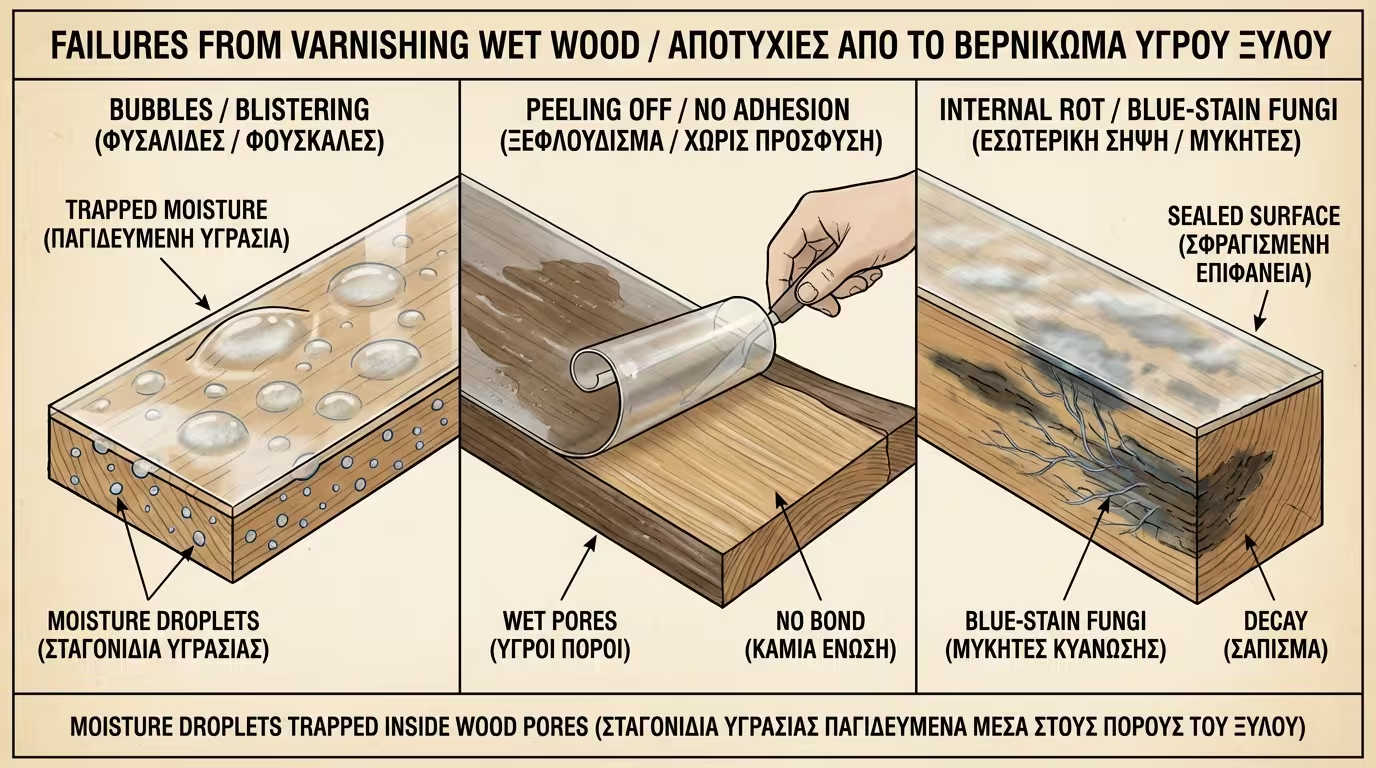
As ambient temperature rises, moisture turns into vapour, exerting osmotic pressure on the film. Blocked by the varnish, it pushes outward creating unsightly bubbles that will eventually lead to cracking.
Wood is a "living", hygroscopic organism. Understanding the Fiber Saturation Point (FSP) and measuring the moisture content is the "secret" to a finish that will stand the test of time.
When you apply a film-forming or polyurethane varnish to wood, you essentially create an impermeable membrane (seal). If the wood contains Free Water in the cell cavities or excessive Bound Water in the cell walls, the following will happen:
As ambient temperature rises, moisture turns into vapour, exerting osmotic pressure on the film. Blocked by the varnish, it pushes outward creating unsightly bubbles that will eventually lead to cracking.
Water inside the wood's pores acts as a barrier. The varnish (especially solvent-based) cannot penetrate and "grip" the fibres, causing it to peel off like a sticker.
Sealing moisture inside the wood creates the perfect greenhouse for fungi, mould and blue stain development, which will rot the wood internally.
The ideal percentage depends directly on where the wooden structure will be placed. The goal is for the wood's moisture to match the Equilibrium Moisture Content (EMC) of the environment.
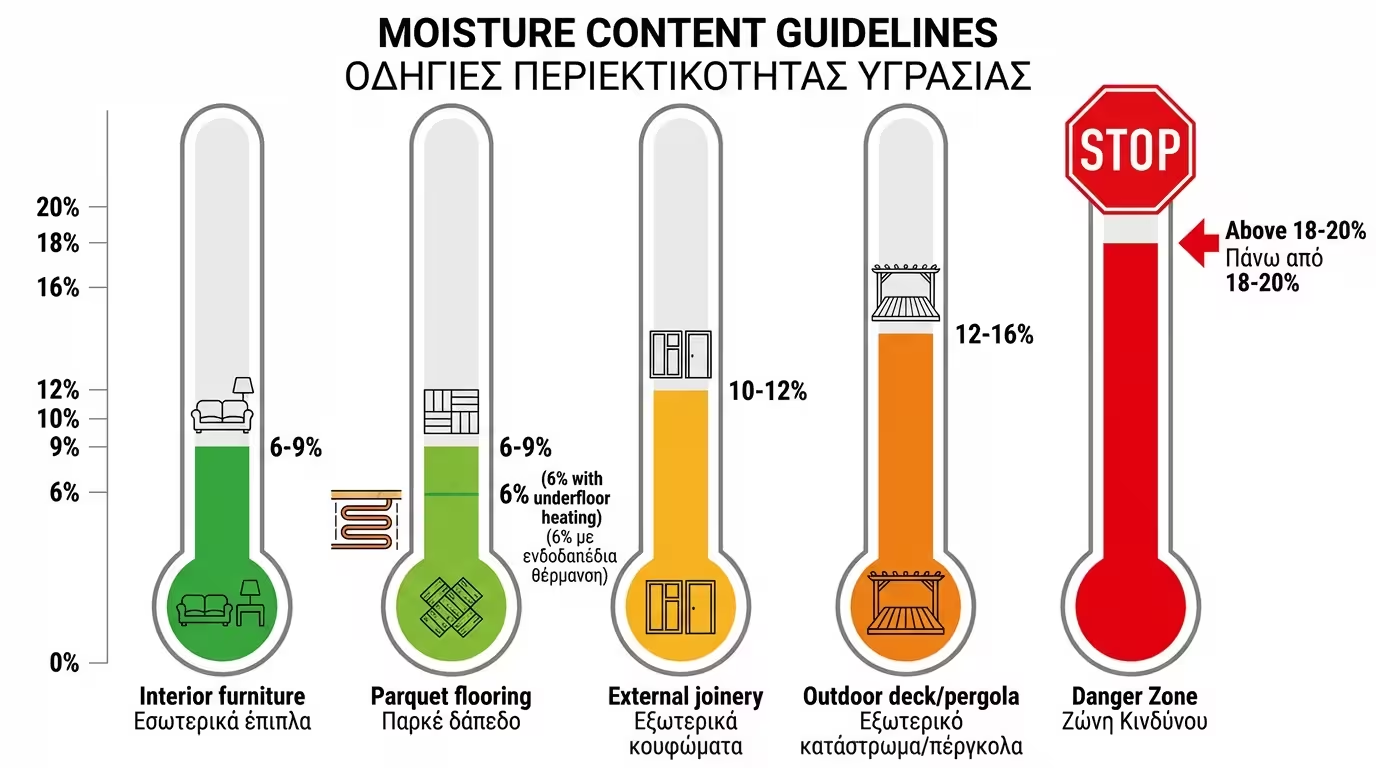
Strict requirements for dining tables, cabinets, interior doors. Indoor timber must be very well dried.
To avoid warping, moisture should be 6-9%. With underfloor heating, the limit drops strictly to 6%.
Doors and windows affected by outdoor conditions. The ideal percentage is around 10-12%.
For wood exposed to the elements, 12-16% moisture is perfectly normal and acceptable for penetrating varnishes and oils.
⚠️ Golden Rule: Never apply varnish if wood moisture exceeds 18-20%, regardless of application.
The only safe way to check wood is using a Moisture Meter. There are two types:
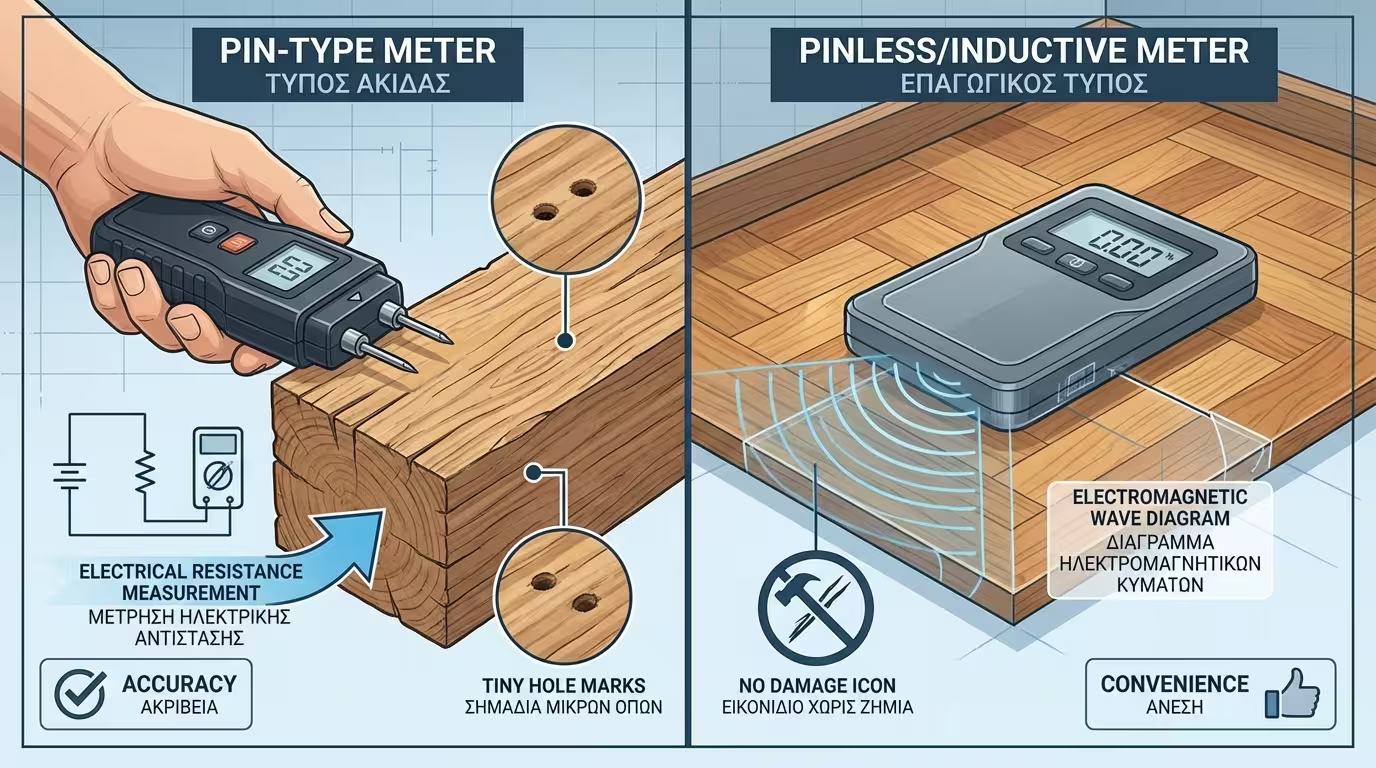
Feature two metal pins that are lightly pressed into the wood. They measure electrical resistance (water = conductor, dry wood = insulator). Very accurate but leave two microscopic holes.
Work by placing a sensor pad on the surface, emitting electromagnetic waves. Ideal for finished furniture or floors (no damage) and scan a larger area. Require a flat surface.
If you're making small projects at home and don't have a moisture meter, you can get an approximate picture (not recommended for critical work):
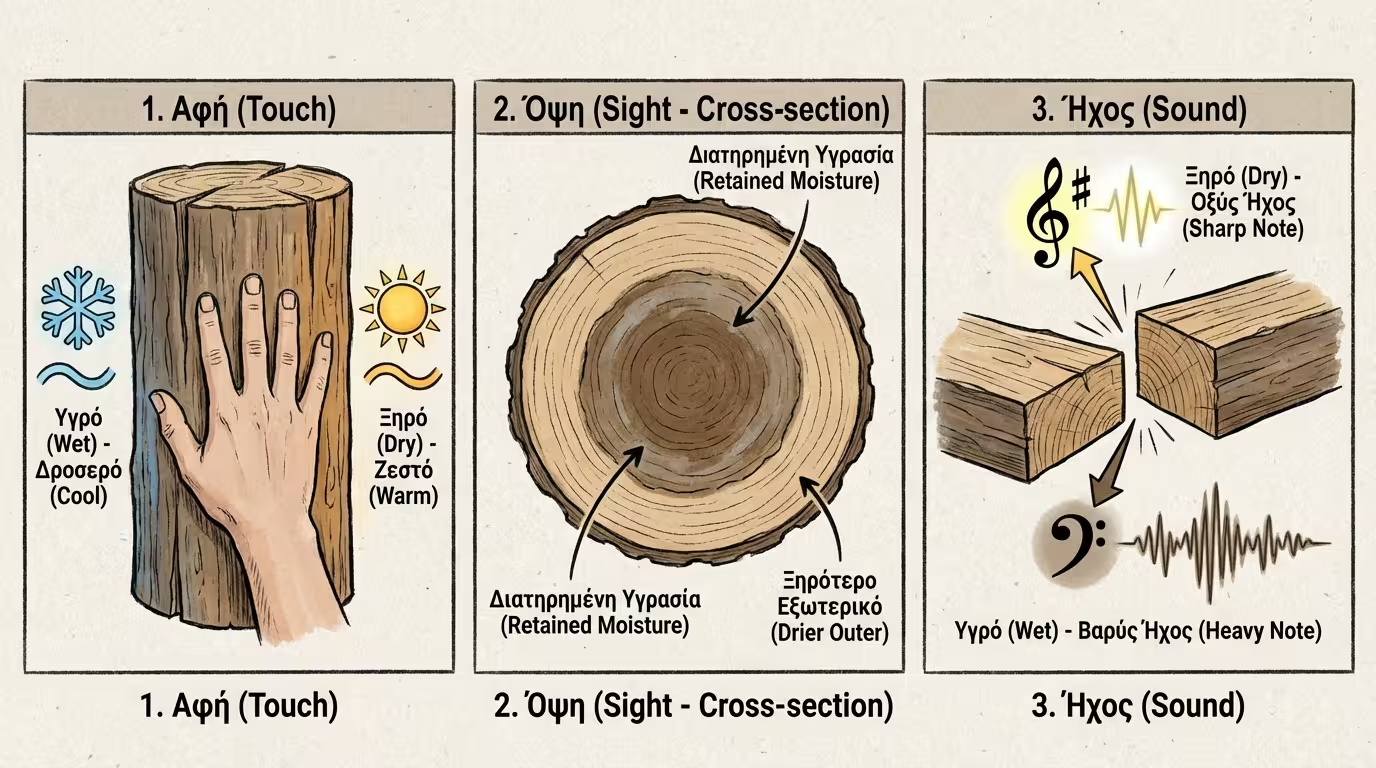
Touch Test: Wet/green wood gives a cool, clammy feel to the hand, while dry wood feels room temperature.
Visual Check & Cut Colour: If you cut the wood and see a darker shade at the centre compared to the outside, it means it has retained water.
Tap Test: Strike two dry pieces of wood together - they'll produce a sharp, crisp sound (like a bell). Wet wood produces a heavy, "dull" sound.
Changes in construction specifications require particular attention to moisture:
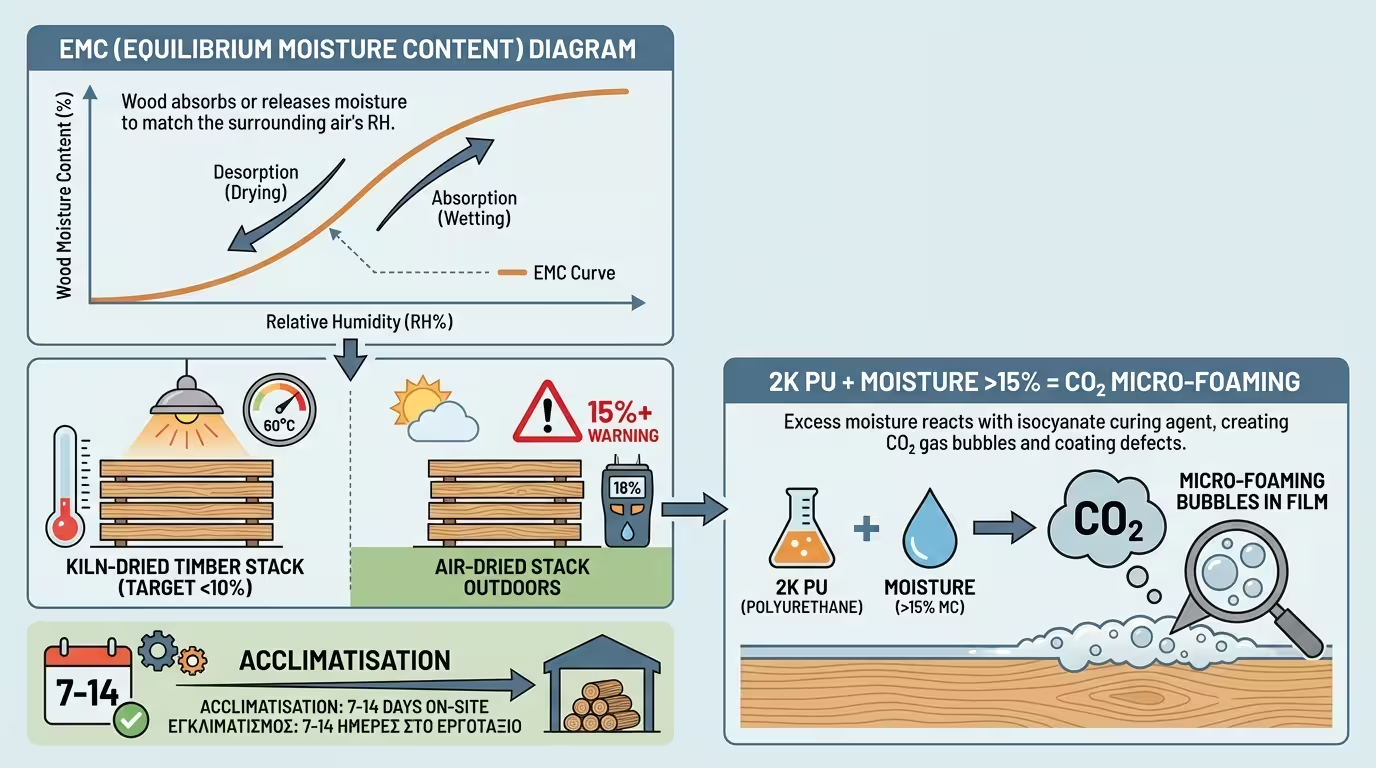
Using kiln-dried timber immediately after delivery is a common mistake. 7-14 days of acclimatisation in the installation space is required (especially for flooring), allowing the wood to equilibrate with the building's relative humidity (RH).
In two-component systems, the isocyanates in the hardener react with water instead of the resin. This side reaction produces CO₂ gas, causing micro-foaming in the film and making the coating brittle and prone to impact failure.
In Greece, logs arrive at sawmills at >80% moisture. Natural air drying rarely falls below 15-18%. For interior woodwork, the use of kiln-dried timber is mandatory.
💡 Before opening the varnish tin, make sure your wood is ready to accept it. Investing in a simple moisture meter costs very little but will save you countless hours of sanding and repairs in the future.
Return to category.
Go to categoryReturn to the central guide.
Go to guide