
🏗️ Frame Material
Standard profiles are out of the question. Heavy-duty thermally broken aluminium (special curtain wall profiles) or even steel sub-structures clad in aluminium are required to bear the loads safely.
For many homeowners and hospitality professionals, there is one ultimate architectural dream: a space bathed in natural light, offering unobstructed views of the sky and nature, while simultaneously providing complete protection from the cold, rain and wind.
A Sunroom or a Winter Garden is the answer to this desire. However, constructing a room that is almost entirely made of glass (including the roof) is not a simple "window installation" job. It represents one of the most complex engineering challenges in the glazing industry.
If poorly designed, your beautiful sunroom will turn into a freezing "refrigerator" in winter and an unbearable "oven" (due to the greenhouse effect) in summer. Let's examine the critical structural elements, materials and technical rules that guarantee a sound and energy-efficient result.
When we talk about a sunroom, the greatest challenge is above your head. The glass roof bears enormous loads: the (considerable) self-weight of the glass panes, wind pressure, rainwater and, crucially, the snow load in winter.
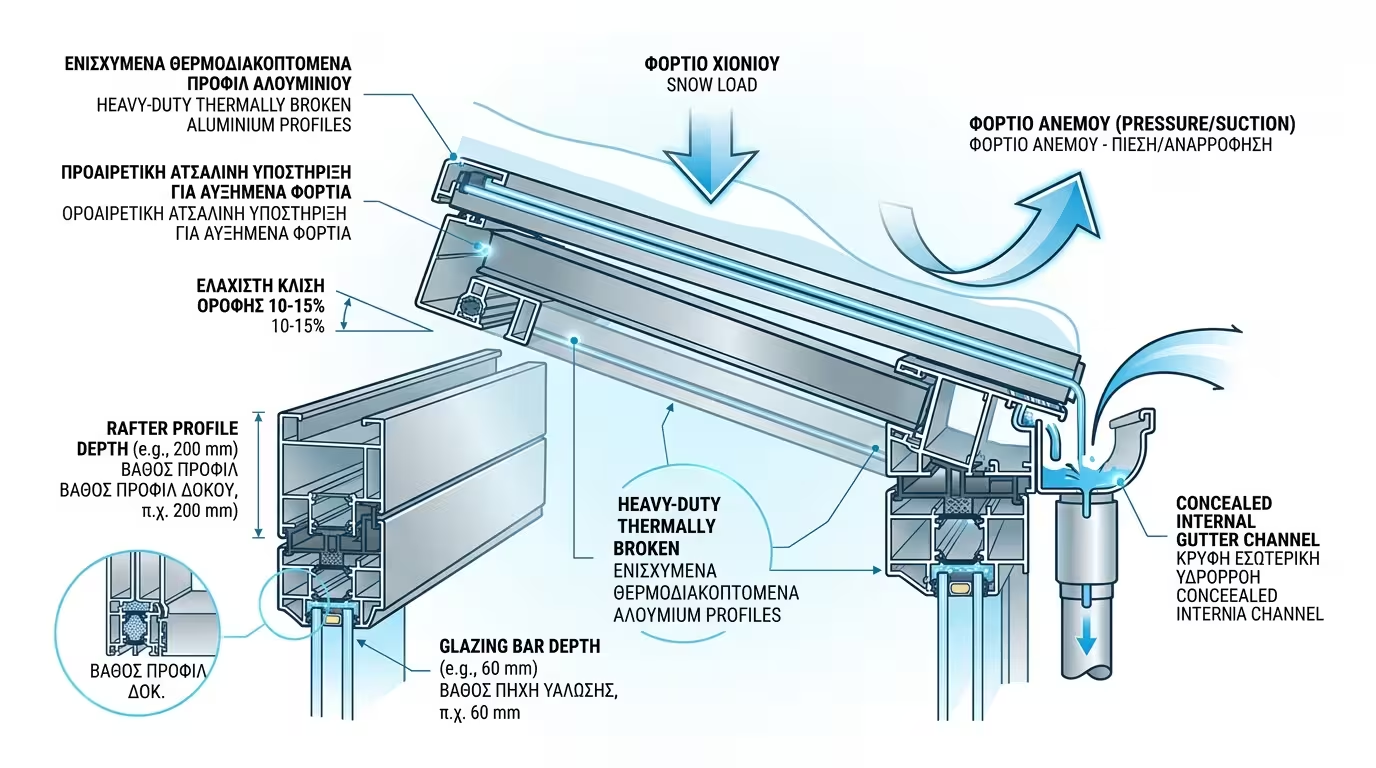
Standard profiles are out of the question. Heavy-duty thermally broken aluminium (special curtain wall profiles) or even steel sub-structures clad in aluminium are required to bear the loads safely.
The roof must have an adequate slope (typically 10% to 15% minimum) so that rainwater and snow slide quickly towards the gutters, preventing ponding and reducing the risk of leaks.
Regulations here are absolute and non-negotiable. The glass above your head must be designed so that in the event of breakage (e.g. from a severe hailstorm or a falling branch), nobody is at risk.
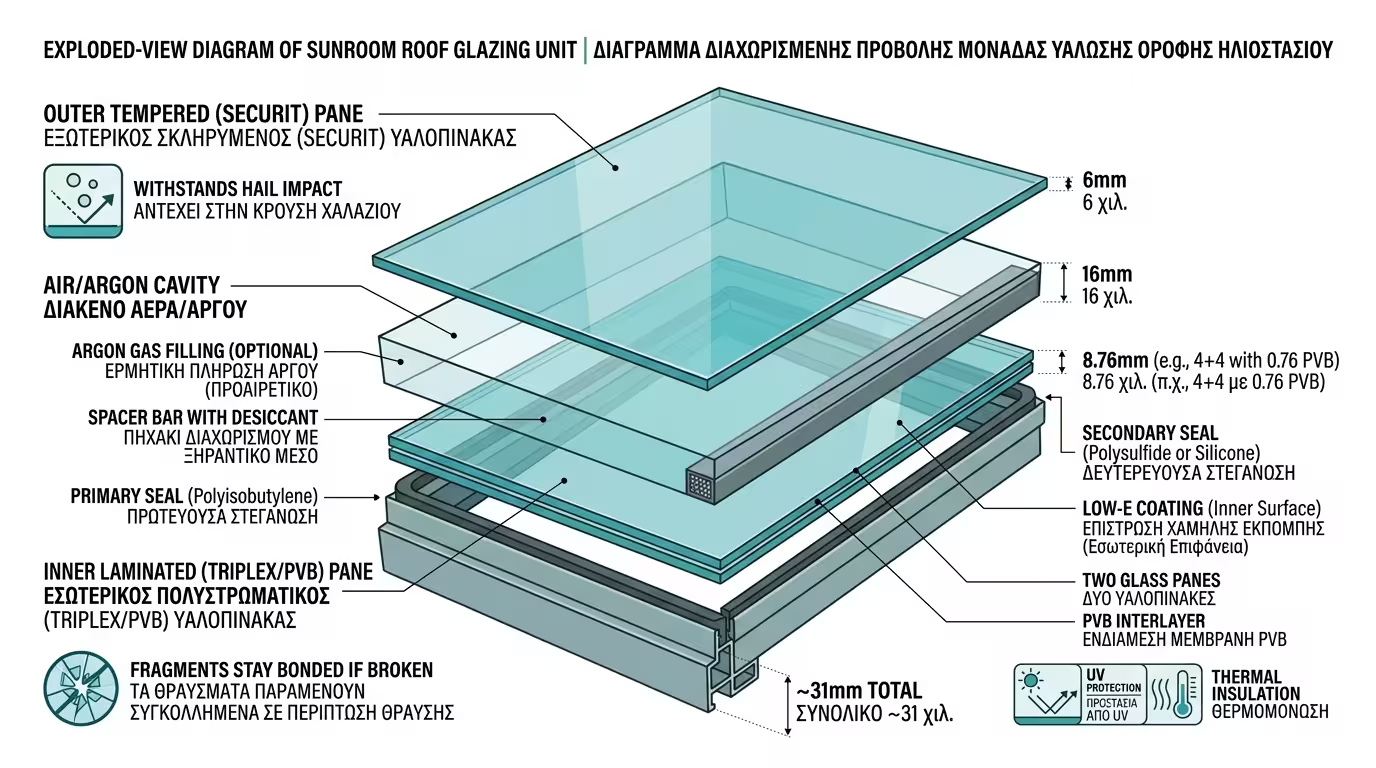
The inner (lower) pane of the double or triple glazing unit MUST be laminated glass. If it breaks, fragments remain bonded to the interlayer membrane (PVB) and do not fall like knives into the space below.
The outer (upper) pane is tempered, giving it up to 5 times greater mechanical strength against hail impact and thermal stress.
The biggest problem with a glass room is overheating. Solar radiation passes through the glass, heating the furniture and floor, and the heat (infrared radiation) becomes "trapped" inside, turning the space into a greenhouse. How do we deal with this?
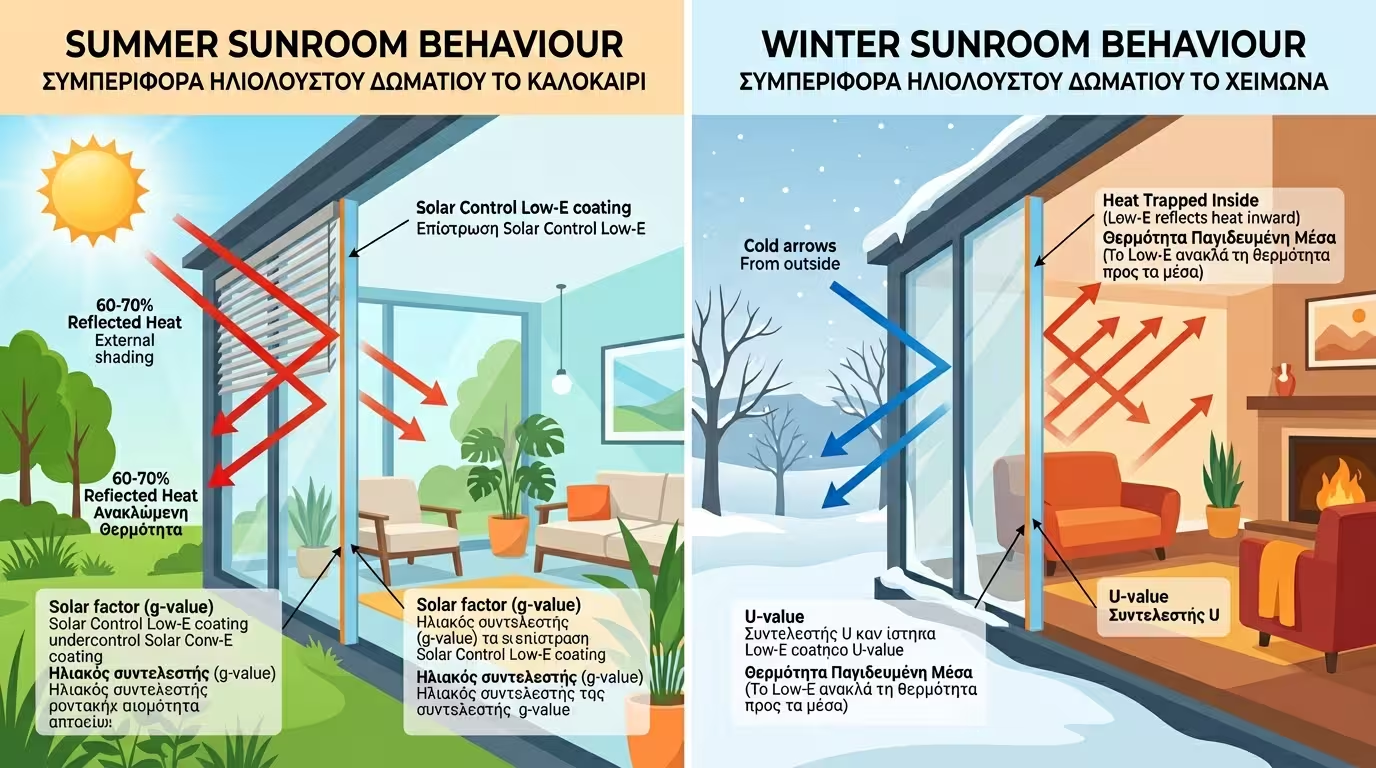
Specialised 4th-generation glass features invisible metallic coatings. These panes allow 70% of visible light to pass through while reflecting up to 60-70% of solar heat outward, keeping the sunroom cool.
External or internal shading (aluminium louvres, motorised roller blinds or purpose-built roof awnings) is absolutely essential, especially for sunrooms facing south or west.
Hot air rises. It is vital to incorporate openable or tilt windows (often motorised) at the highest point of the roof, allowing the trapped hot air to escape and drawing fresh, cool air in through the lower doors of the sunroom. This passive cooling strategy significantly reduces reliance on air conditioning.
A leaking sunroom is an architectural nightmare. The industry has developed special profiles that integrate gutters (channels) inside the aluminium frame, making them invisible from the outside.
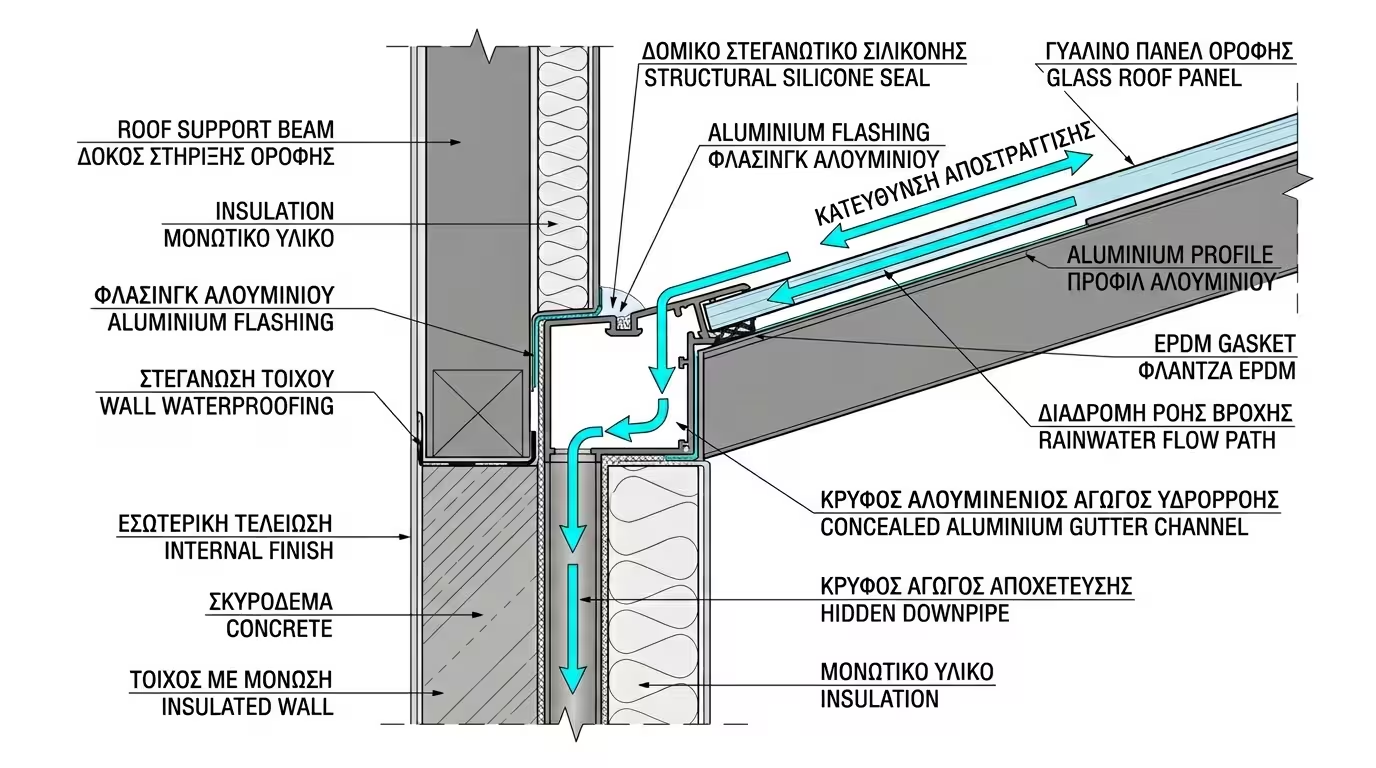
Special profiles incorporate drainage channels within the frame, directing water to concealed downpipes without unsightly external guttering that would ruin the clean aesthetic.
UV-resistant structural silicones and specialised EPDM gaskets seal all joints, ensuring that even in a tropical downpour, the interior of the winter garden remains perfectly dry.
Adding a sunroom or winter garden radically transforms the living experience, offering a "magical" transitional space between house and nature. It is a serious investment that significantly increases property value, provided it is built to the strictest structural and energy-performance standards.
Return to category.
Go to categoryReturn to the central guide.
Go to guide