Skylights & Roof Windows: Natural Light Without Leaks
Do you have an underused, dark attic that only serves as storage? Or
perhaps you're planning an extension (like a stairwell or an internal
bathroom) that has no access to an external wall for a conventional
window?
The solution to these architectural dead-ends comes... from above. Roof Windows and
Skylights are the smartest way to transform a claustrophobic
space into a room flooded with natural light.
However, the idea of cutting a "hole" in your roof understandably raises
a major concern:
"Will it leak in winter? Will condensation drip inside?". Let's
see how the modern glazing industry has definitively solved the leak
nightmare, delivering absolute waterproofing and top-tier energy
performance.
1. What's the Difference Between a Skylight and a Roof Window?
Although the terms are often used interchangeably, there is a key
technical distinction between them.
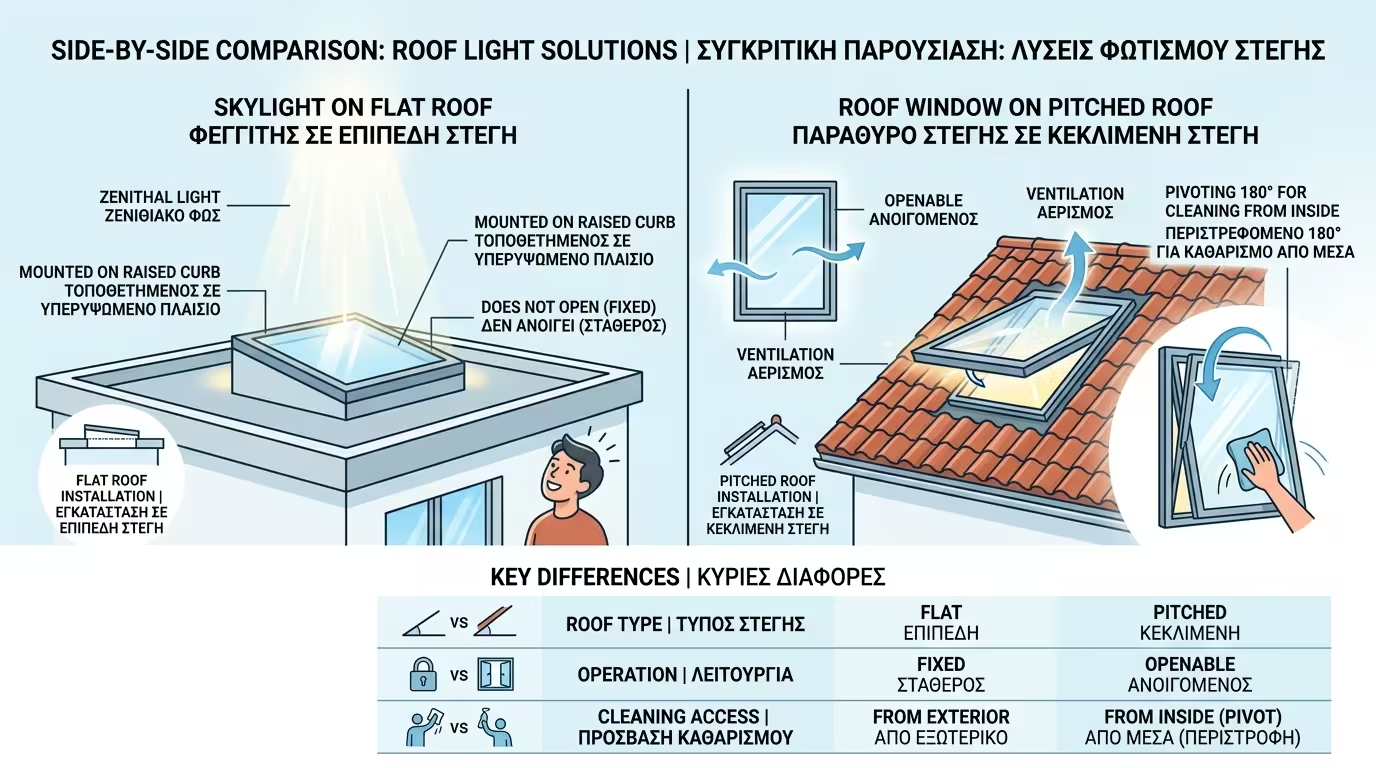
🪟 Skylights
Typically installed on flat roofs or in inaccessible
locations. Most are fixed (non-opening) and their sole
purpose is to provide zenithal light (light coming vertically from the
sky). They come in rectangular, circular or elliptical shapes and sit
on special raised "curbs" above the roof surface.
🏠 Roof Windows
Installed on pitched (tiled) roofs, they integrate
into the slope. They open
(manually or electrically) for ventilation, and in many cases the sash
pivots 180° so you can clean the outside glass from inside
the room!
2. The Magic of Zenithal Light
Why go to the trouble of cutting through the roof? The answer lies in
the physics of light.
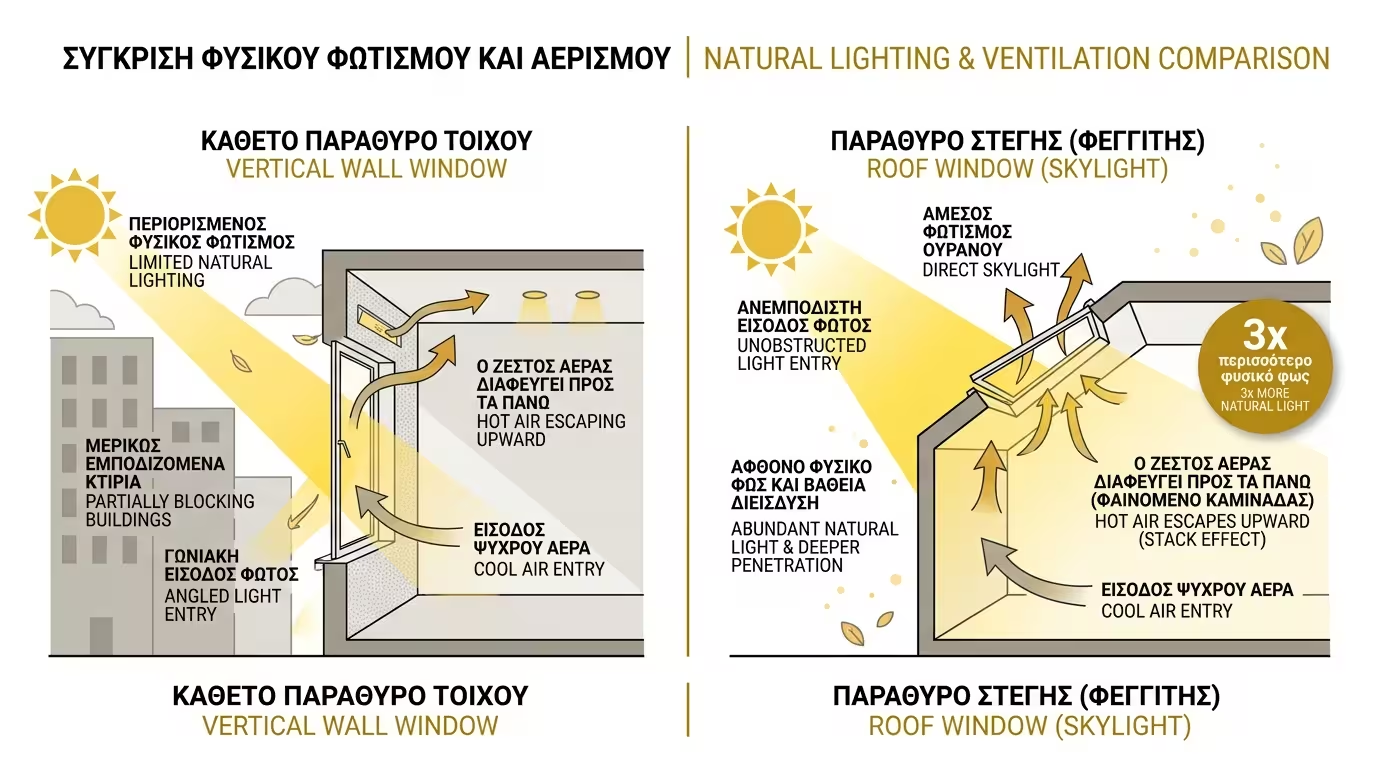
☀️ 3× More Light
A roof window delivers up to 3 times more natural light compared to a vertical wall window of equal size. Because it faces the
sky directly, it isn't blocked by neighbouring buildings or trees, flooding
the room with light throughout the day. In practice, this translates into
a significant reduction in the need for artificial lighting during daytime
hours, noticeably lowering energy bills.
💨 Natural Cooling (Stack Effect)
If openable, it exploits the "stack effect": hot,
stuffy attic air rises and escapes quickly through the roof, naturally cooling the space without relying on air conditioning.
3. The Leak Fear: How Is Absolute Waterproofing Achieved?
This is homeowners' no. 1 concern. Installing a roof window doesn't
mean simply screwing it onto the tiles. Waterproofing is ensured via a
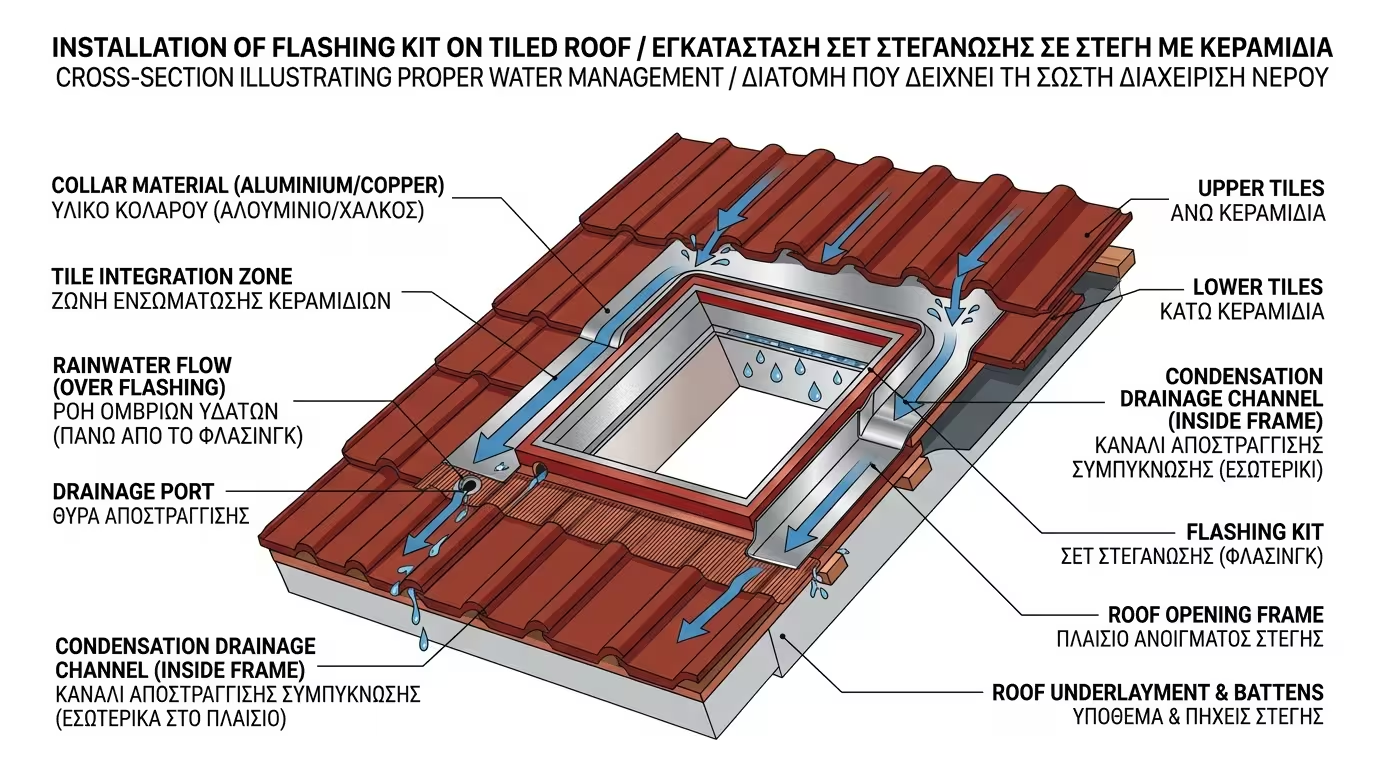
dedicated system called the Flashing Kit.
🛡️ The Flashing Collar
A set of profiles (typically aluminium, copper or zinc) that wraps around the window frame on all four sides.
🧱 Integration with Tiles
The collar doesn't sit on top of the tiles. It weaves under the tiles above
and over the tiles below. This way, rainwater slides smoothly
over the collar and is directed straight to the gutter, completely bypassing
the roof opening.
💧 Interior Condensation
Often, the water you see dripping isn't rain but water vapour (condensation) from the interior that liquefies on the cold glass. Modern roof windows
feature hidden condensation drainage channels
in the frame that collect this moisture and safely drain it outside.
4. Energy Shielding & Safety
🌡️ Low-E Glass
Because the window is on the roof, it takes a relentless beating
from the sun in summer and the cold (or snow) in winter. Low-E (low-emissivity) glass is a must, preventing the attic from turning into an "oven" during the
summer months.
🛡️ Safety (Laminated / Tempered)
As with sunrooms, the outer pane must be tempered to
withstand hail and falling debris. The inner pane must be laminated (Triplex) so that, if broken, fragments don't fall on your head.
5. Smart Automation: When the Window Is Unreachable
What if the skylight is 4 or 5 metres up and you can't reach it?
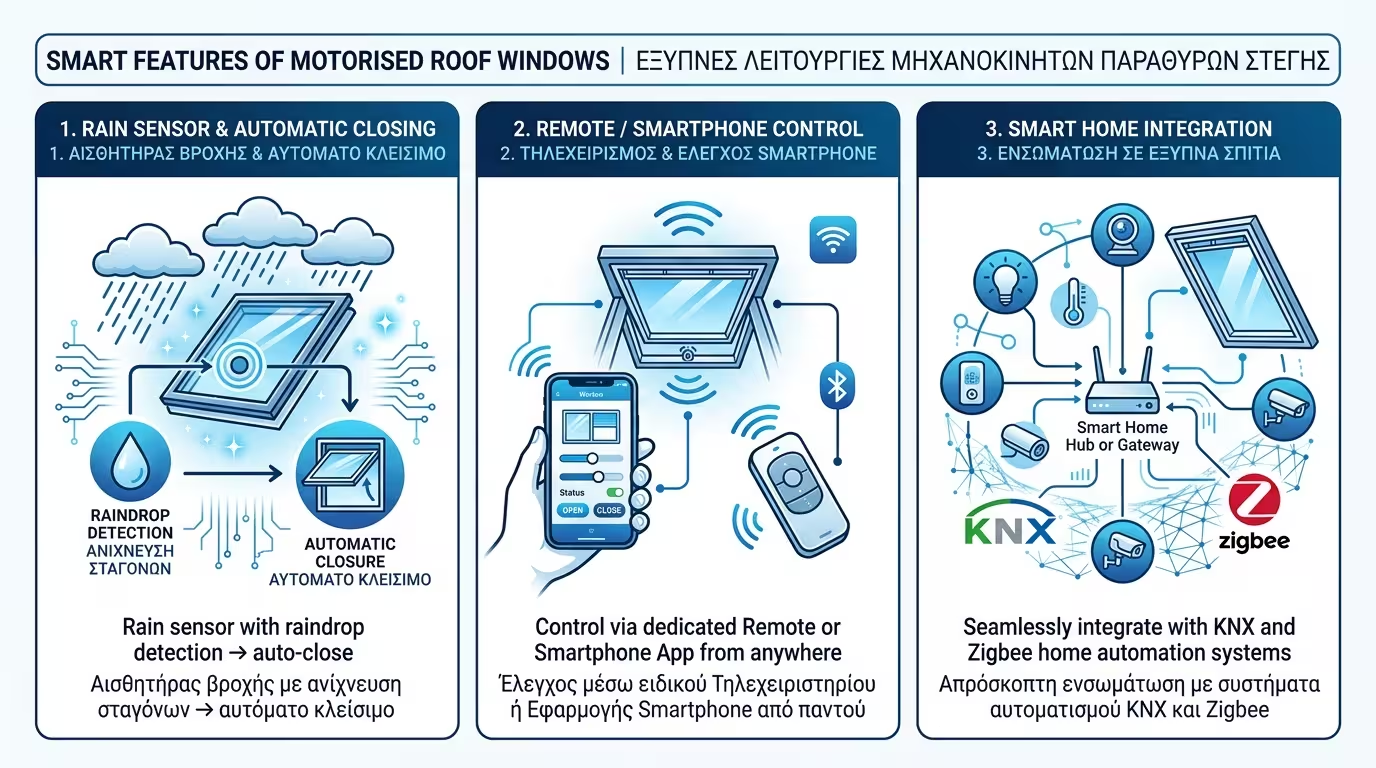
Modern systems come fully motorised
(with concealed motors) and are controlled via remote or smartphone.
🌧️ Rain Sensor
The most impressive feature: the rain sensor. If
you've left the window open for ventilation and it suddenly starts
raining while you're away, the sensor detects the first drops and closes the window automatically, saving your floors!
🏠 Smart Home Integration
Premium models connect via Smart Home protocols (KNX, Zigbee, io-homecontrol) and can be integrated into automation scenarios: e.g. "If the indoor
temperature exceeds 28°C, open the skylight 30%".
6. Summary
🎯 High Technology, Not Just "Holes"
Roof windows and skylights are not simple "holes for light". They
are high-tech, certified building elements that dramatically
enhance the aesthetics and market value of an attic or a dark space. With
the right flashing kit and energy-efficient, safety-rated glass, leaks are a thing of the past.