
What is Low-E Glass?
How an invisible metallic coating acts as a "mirror", reflecting radiator heat back into the room during winter.
Read more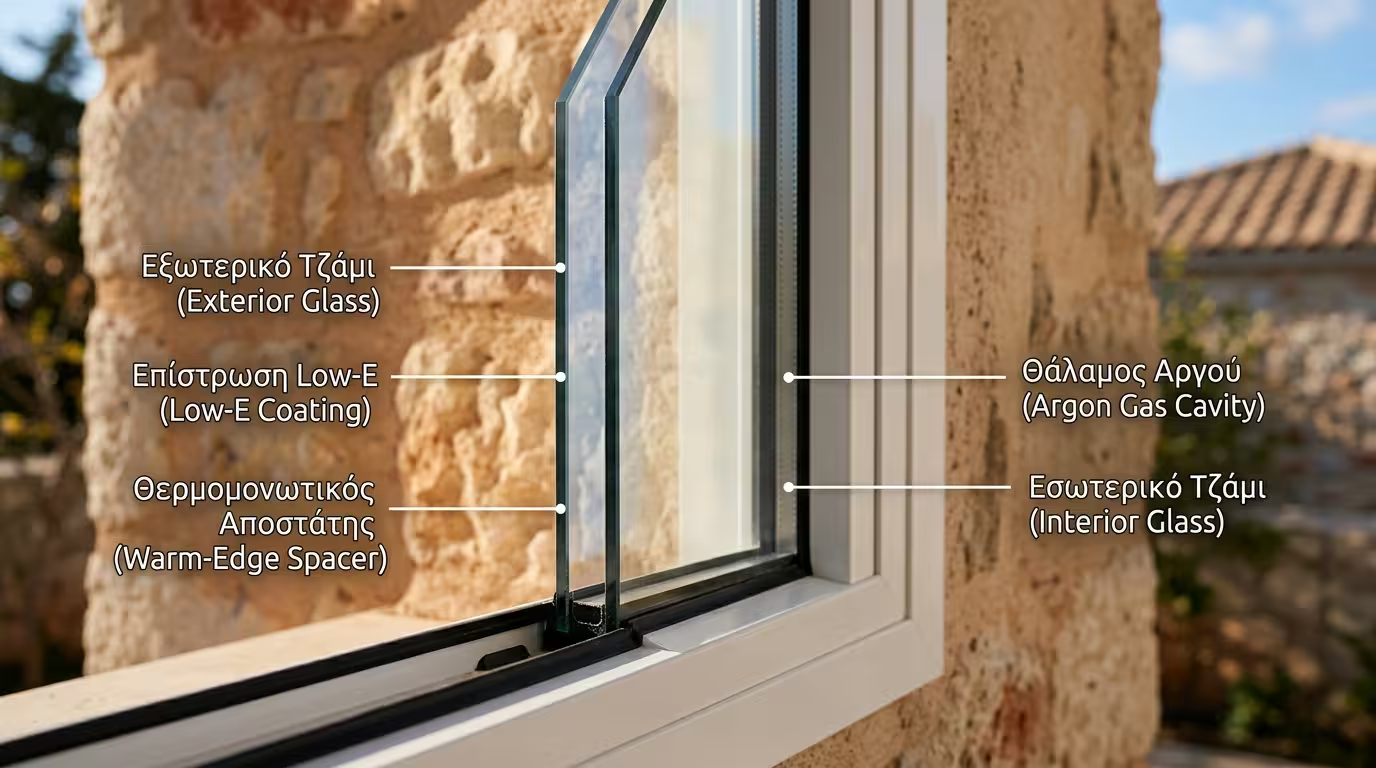
Glass panes occupy up to 80% of a window, almost entirely determining its final performance. Discover how modern energy coatings eliminate heat loss, how acoustic membranes keep city noise outside, and learn the critical details - like warm edge spacers - that separate an average window from an excellent one.
The "engine" of your home's economy. We decode the technology behind energy-efficient glass and inert gases, helping you drastically reduce electricity and heating bills.
How an invisible metallic coating acts as a "mirror", reflecting radiator heat back into the room during winter.
Read moreIn the Mediterranean climate, we need glass that actively blocks the sun's infrared radiation in summer - not just cold-weather protection.
Read more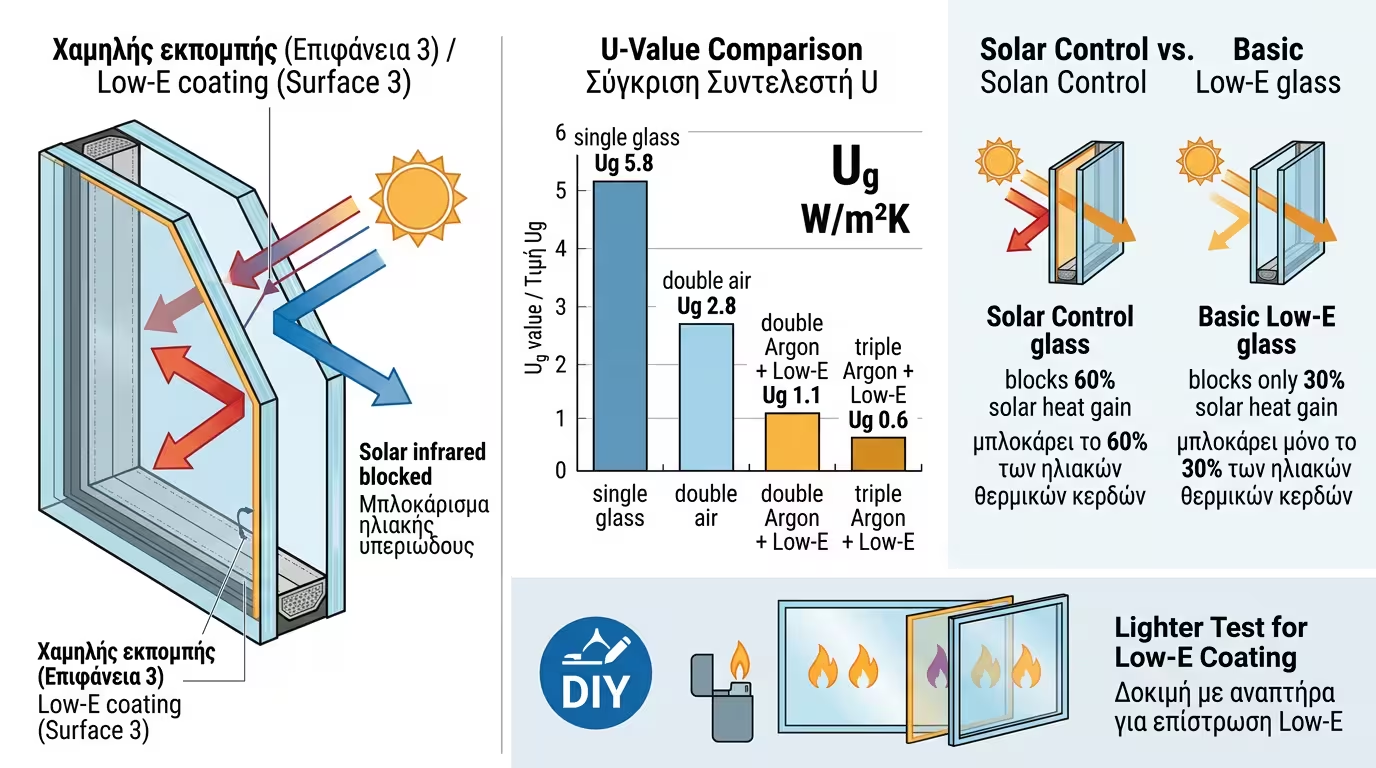
Why plain air between panes is now obsolete. How inert gases "slow down" temperature transfer across the cavity.
Read moreA practical DIY trick: a lighter flame reveals whether your glass genuinely has a Low-E coating, simply through reflections.
Read moreThe engineer's guide to reading specification sheets: glass thermal transmittance Ug and the sweet spot between insulation and daylight.
Read moreGlass panes just millimetres thick, with insulation comparable to a brick wall - ideal for listed building renovations.
Read moreFrom children's bedrooms to commercial shopfronts, safety comes first. How glass behaves when it breaks and which protection to choose against accidents, thermal shock and burglary.
Triplex holds broken pieces together via an interlayer, while Securit shatters into harmless cubes. Where each type is mandatory.
Read moreImpact resistance classes P4A–P5A: how many sledgehammer strikes a certified anti-intrusion pane can withstand.
Read more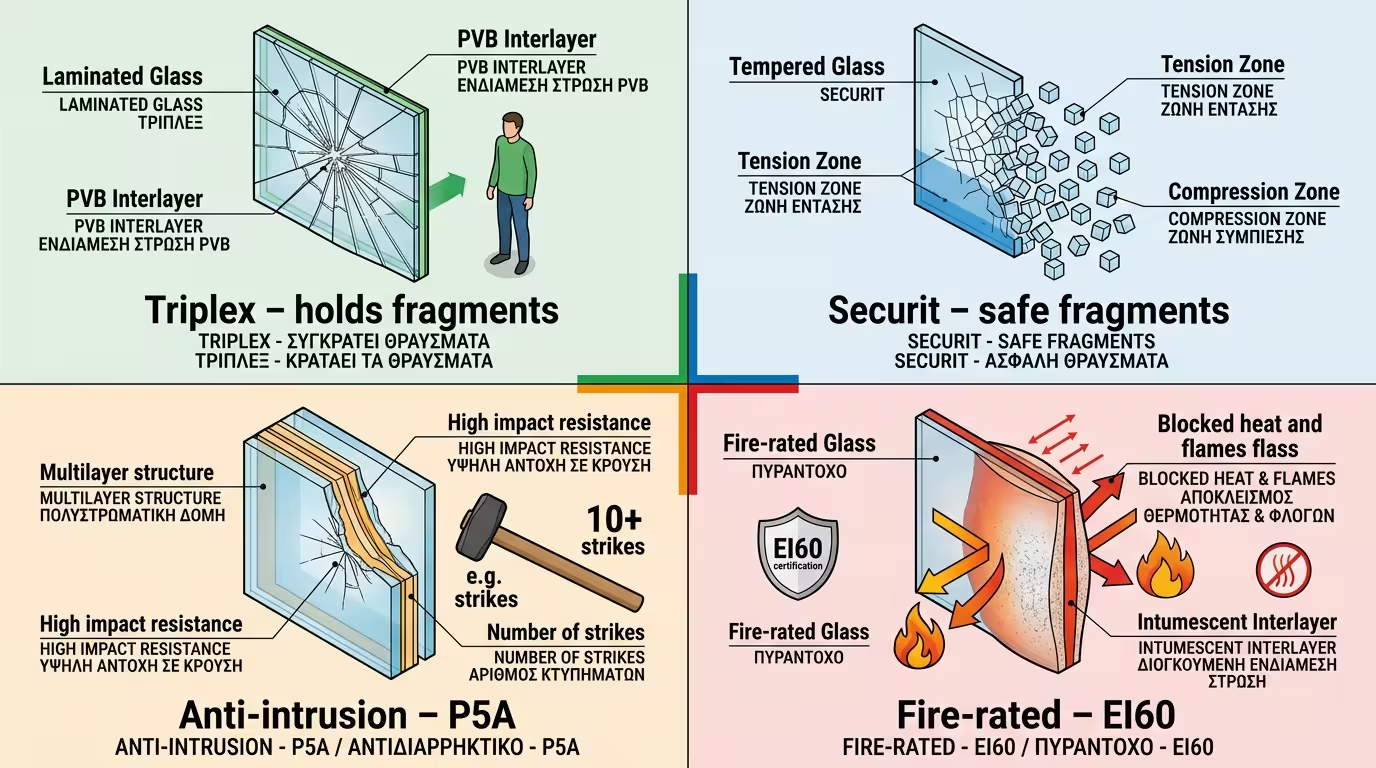
What legislation requires for public buildings, schools and shopfronts - why plain glass is strictly forbidden in low-level doors.
Read moreWoke up to find a crack nobody caused? How a half-shaded surface creates tension stresses and how tempered glass prevents it.
Read moreUltra-high-security applications (B2B): thickness, weight and structure of glass for jewellery shops, banks and high-profile residences.
Read moreThe difference between integrity (E), radiation control (EW) and full thermal insulation in fire (EI) - how glass saves lives.
Read moreCity noise is an invisible threat to our health. Discover smart solutions for ultimate sound insulation, plus next-gen glass that offers privacy and convenience.
A special acoustic membrane "cuts" sound frequencies before they pass through - ideal for busy roads and airports.
Read moreWhy double glazing with different pane thicknesses (e.g. 6 mm / 4 mm) insulates sound far better, preventing the resonance effect.
Read more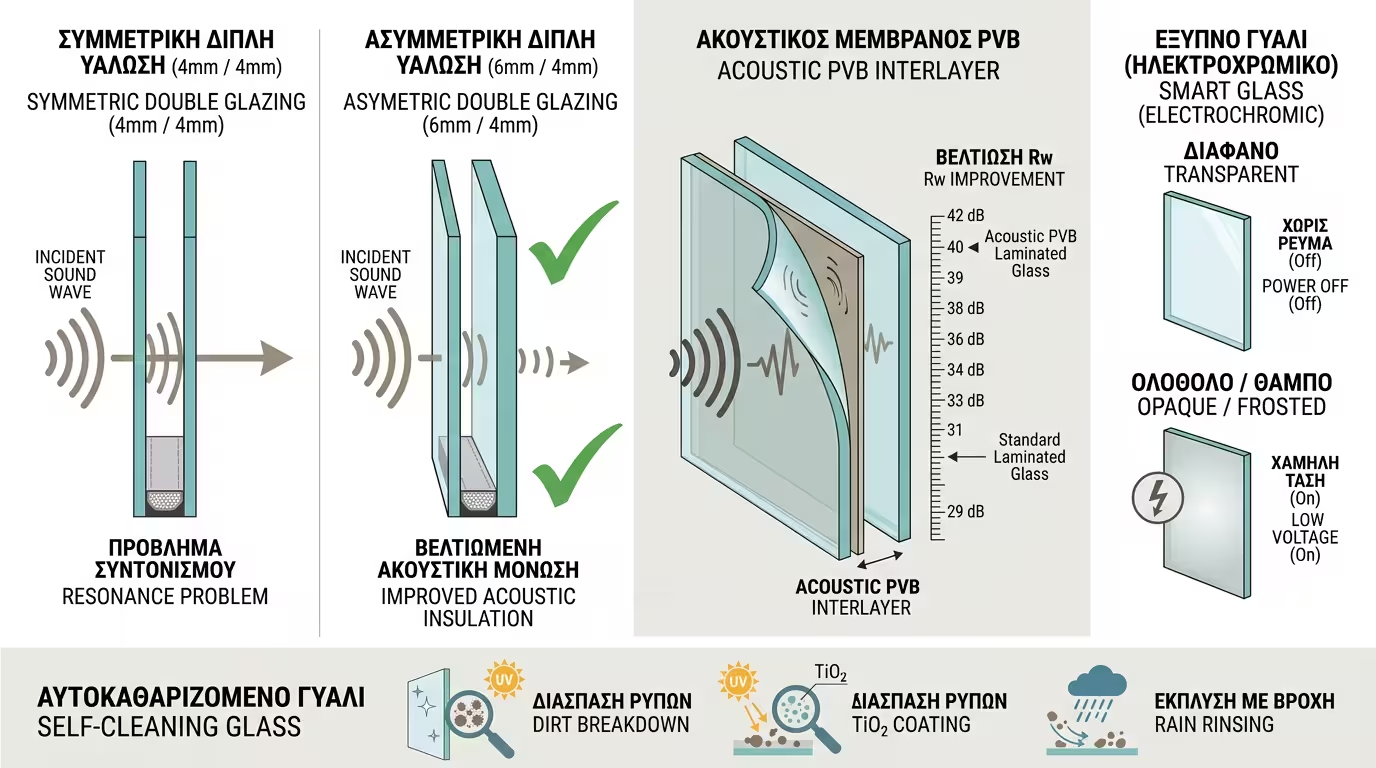
Windows that switch from transparent to opaque in fractions of a second - the ultimate privacy solution at low voltage.
Read moreA TiO₂ coating breaks down dirt with sunlight, and rain rinses the glass streak-free - ideal for hard-to-reach atriums.
Read moreWhen to choose tinted glass for sun protection and when to opt for sandblasted bathroom windows - design meets function.
Read moreWhat a 3 dB drop in the Rw index means in practice - the acoustic energy reaching your ear is halved.
Read moreThe details that make a window last. We examine the construction materials of glazing units, solve the eternal problem of moisture between panes and compare upgrade options.
Triple glazing = top insulation but extra weight and cost. Does it make sense in southern Greece or only in the north and mountains?
Read moreWhy your double glazing filled with internal moisture (seal failure) and why full pane replacement is the only reliable solution.
Read more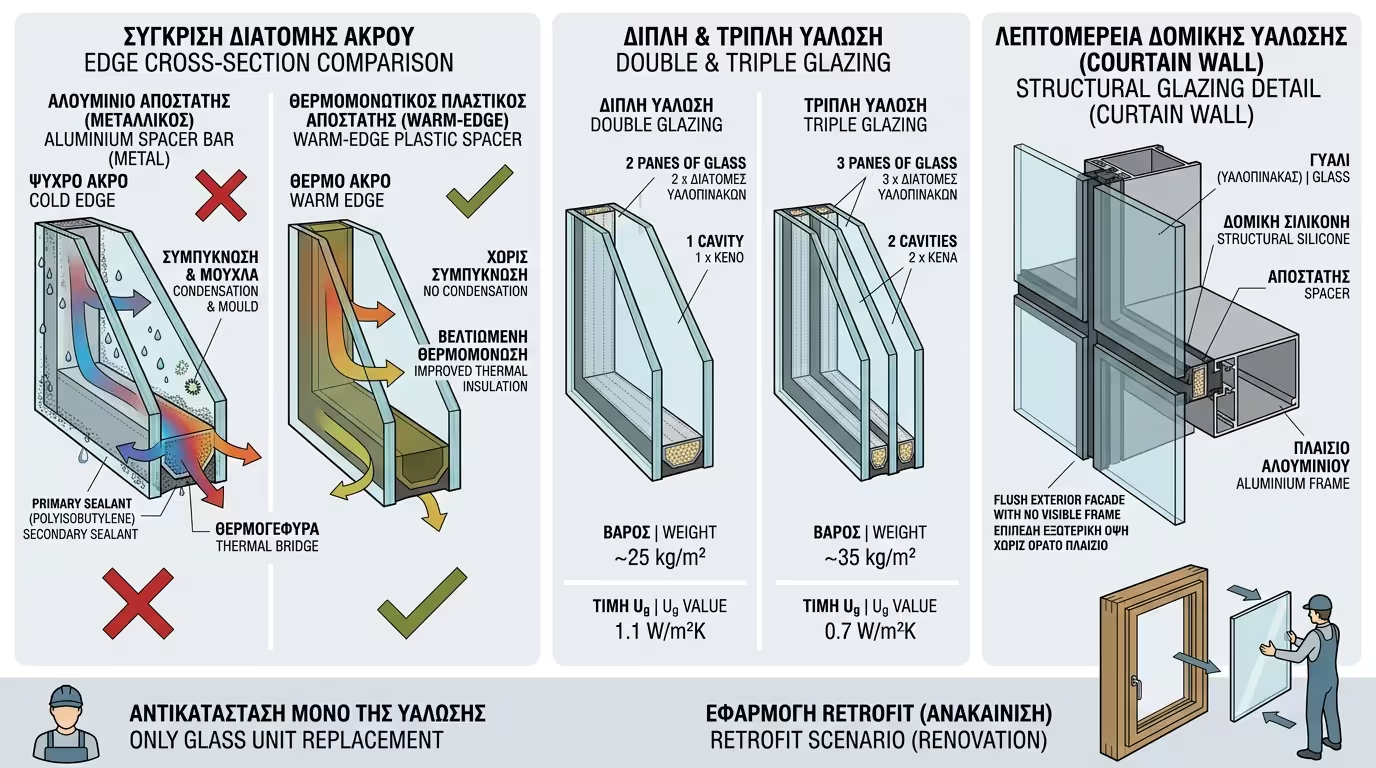
Why thermally improved plastic spacers eliminate thermal bridges and prevent mould around the glazing perimeter.
Read moreBudget renovation guide: when old beads allow new energy glass to be fitted and when they don't.
Read moreA technical look (B2B) at Thiokol, structural silicones and polyurethanes that keep Argon gas sealed for decades.
Read moreHow structural silicones allow glass to be bonded directly onto the frame, creating smooth glass façades with no visible aluminium.
Read moreReturn to the full guide covering frame materials, window types, shading, energy performance and economics.
Go to the guidePlanning a window replacement or new construction? Contact us for expert guidance.
Contact us