Double or Triple Glazing? When Is the Investment Really Worth It in
Greece?
You've decided to replace your old windows and you're facing the big,
final dilemma. One manufacturer tells you:
"Go for double energy glass - we live in Greece, you don't need
anything more." The other insists:
"Go for triple glazing for the ultimate insulation and silence - the
price difference is not that big."
Who is right? The answer is that "more" is not always "better". The
choice between double and triple glazing depends not only on your
budget, but mainly on your
geographical location, the orientation of your house and the type of
window frame.
Let's look honestly at the pros and cons of each option, so you can
understand whether upgrading to triple glazing is a smart investment or
simply… money down the drain.
1. The Technical Difference: Double vs Triple
The difference seems obvious, but let's see what it means in practice.
🪟 Double Energy Glazing
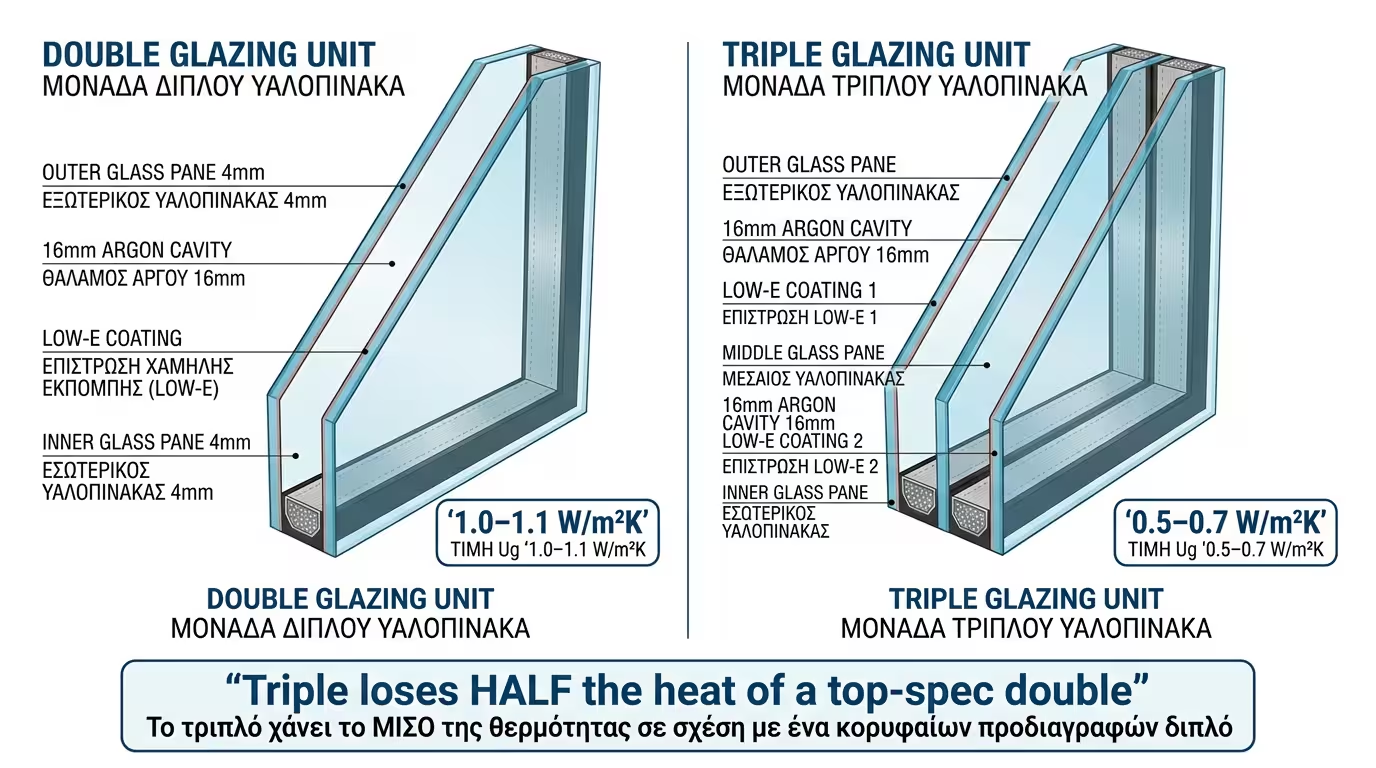
Consists of two panes with a cavity (usually filled with Argon gas).
With a Low-E or Four-Season coating it delivers excellent thermal
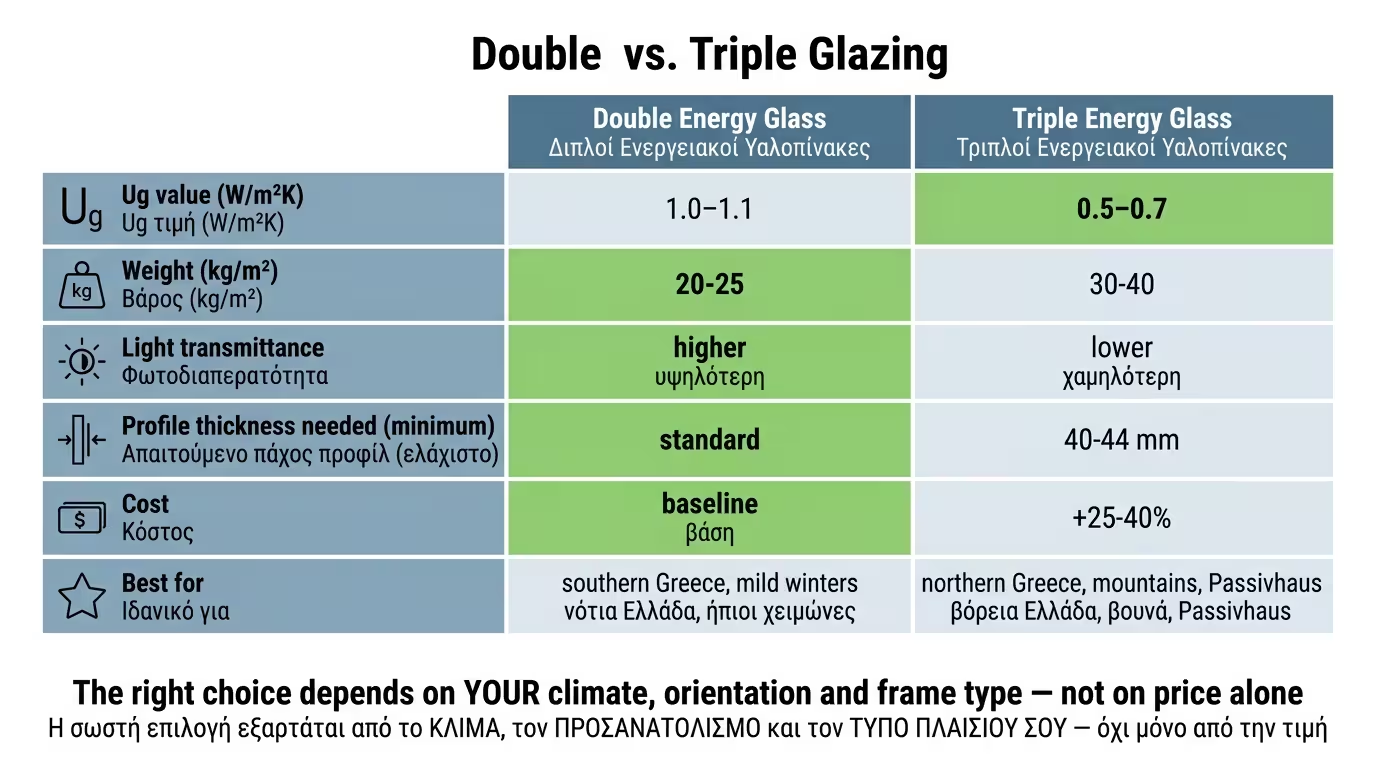
insulation. The thermal transmittance coefficient (Ug) typically
reaches around 1.0 to 1.1 W/m²K.
🧊 Triple Energy Glazing
Here we add a third pane in the middle, creating
two cavities (two Argon-filled chambers) and often
two energy coatings. The Ug value drops to
0.5 to 0.7 W/m²K. In practice, a triple glazed unit
loses half the heat compared to a top-spec double!
💡 Sounds perfect, right? So why doesn't everyone install triple
glazing? This is where the "hidden" parameters come into play.
2. The 3 "Hidden" Parameters of Triple Glazing
Before you get excited about the insulation numbers, you need to know
what you sacrifice when choosing triple glazing.
⚖️ The Enormous Weight
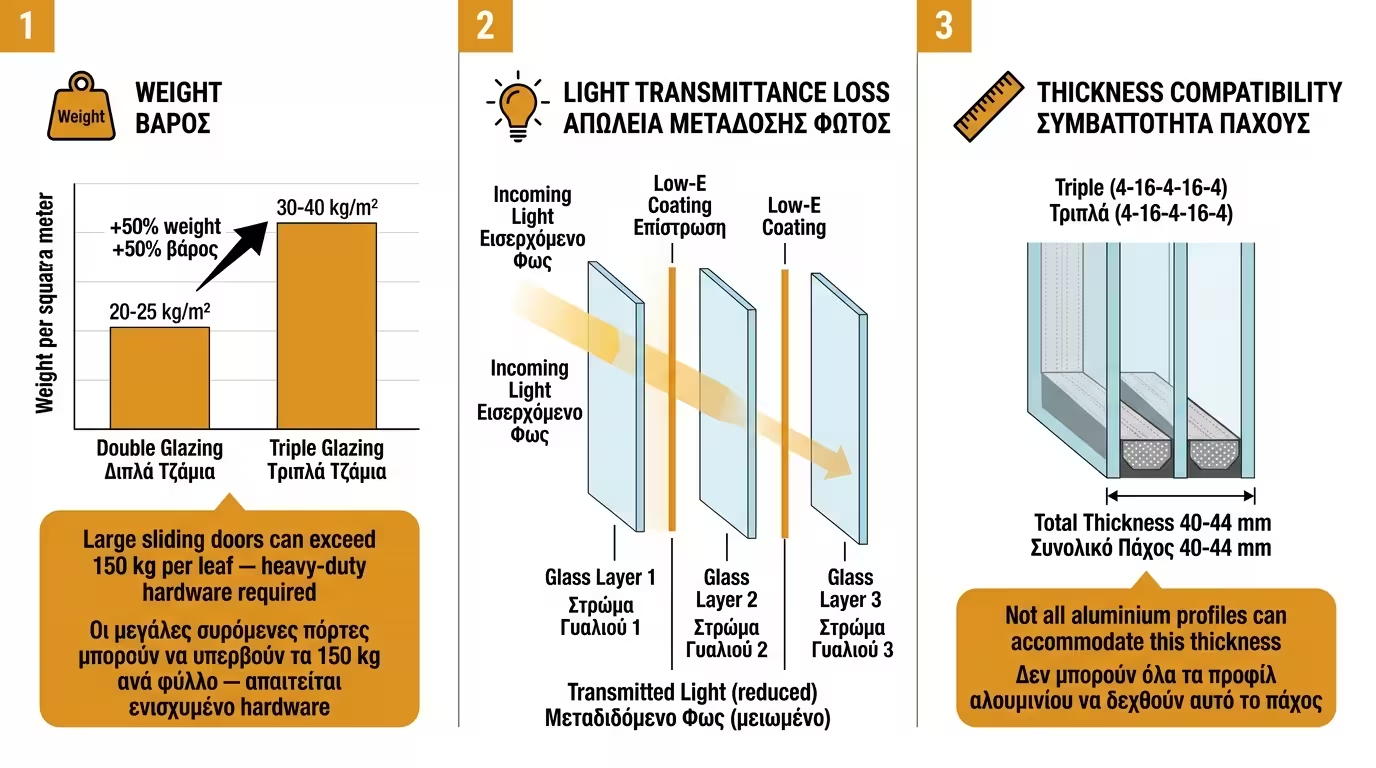
A double glazed unit weighs approximately 20-25 kg per square metre.
A triple glazed unit increases the weight by
50%, reaching 30-40 kg/m²! If you have large
sliding patio doors, the sash can weigh over 150 kg. The rollers,
hinges and the aluminium profile itself are put under double stress
- if the manufacturer doesn't choose
heavy-duty hardware, your window will sag or become
impossible to open within a few years.
🌤️ Loss of Natural Light
Every sheet of glass, however clear, cuts a percentage of natural
light. Triple glazing (especially with two energy coatings) has
lower light transmittance than double glazing. If your home is
already dark or faces a narrow street, the difference may be
noticeable.
📐 Profile Depth Requirements
A proper triple glazed unit needs adequate cavities (e.g.
4-16-4-16-4) to perform. This means the total glass thickness
reaches 40-44 mm! Not all aluminium profiles on the
market (and especially older or ultra-slim minimal ones) can
accommodate such a thick unit.
3. The Geography Rule: When IS Triple Worth It?
This is where the whole truth about the Greek market lies. The climate
of Greece varies enormously from North to South.
☀️ Southern Greece, Athens & the Islands
Here the winter is mild and the biggest problem is the summer heat.
In these regions, triple glazing is (in most cases) an unnecessary
extravagance. A
top-spec double Four-Season (Solar Control) unit
is the ideal, lighter and perfectly adequate solution.
❄️ Northern Greece, Epirus & Mountain Villages
Here the story changes. With temperatures frequently dropping below
zero and prolonged, harsh winters, triple glazing is an
excellent investment. It will minimise heat loss,
save you serious money on oil/gas, and eliminate the sensation of a
"frozen wall" when sitting near the window.
🏠 Passive House (Passivhaus)
Regardless of location, if your goal is near-zero energy consumption
(Zero Energy Building), then triple glazing (together with
super-insulated profiles) is an
absolute requirement and a strict specification from
your engineer.
4. Summary
Choosing triple glazing gives you the pinnacle of thermal comfort, but
it comes at the cost of weight and price.
✅ The Right Choice Depends on You
Don't fall into the trap of "I'll buy the most expensive, so it must
be the best for me." The right choice is the one that suits your
specific microclimate, the orientation of your home and the type of
window frame. Consult a specialist engineer who will evaluate your
actual needs.