Replacing Single Panes with Energy Glass in the Same (Old) Frame: Is It
Possible? - Renovation Guide
You're in the middle of a renovation and the budget is starting to
spiral. You look at your old windows (which may work perfectly well
mechanically) and make the perfectly logical thought: "Since the problem with the cold is the single pane, why rip out the
whole frame, spend thousands of euros and patch up the walls? Can't I
just swap the single pane for a new double energy-efficient unit in
the same frame?"
It is by far the most common question we receive from homeowners looking
for a low-cost energy upgrade.
The answer, however, is not a simple "yes" or "no". Technically, it
sometimes works. In practice, however, it is most often the biggest mistake you can make. Let us be honest and see why physics (and geometry) put up their own
barriers.
1. The Thickness Problem and "Glazing Beads"
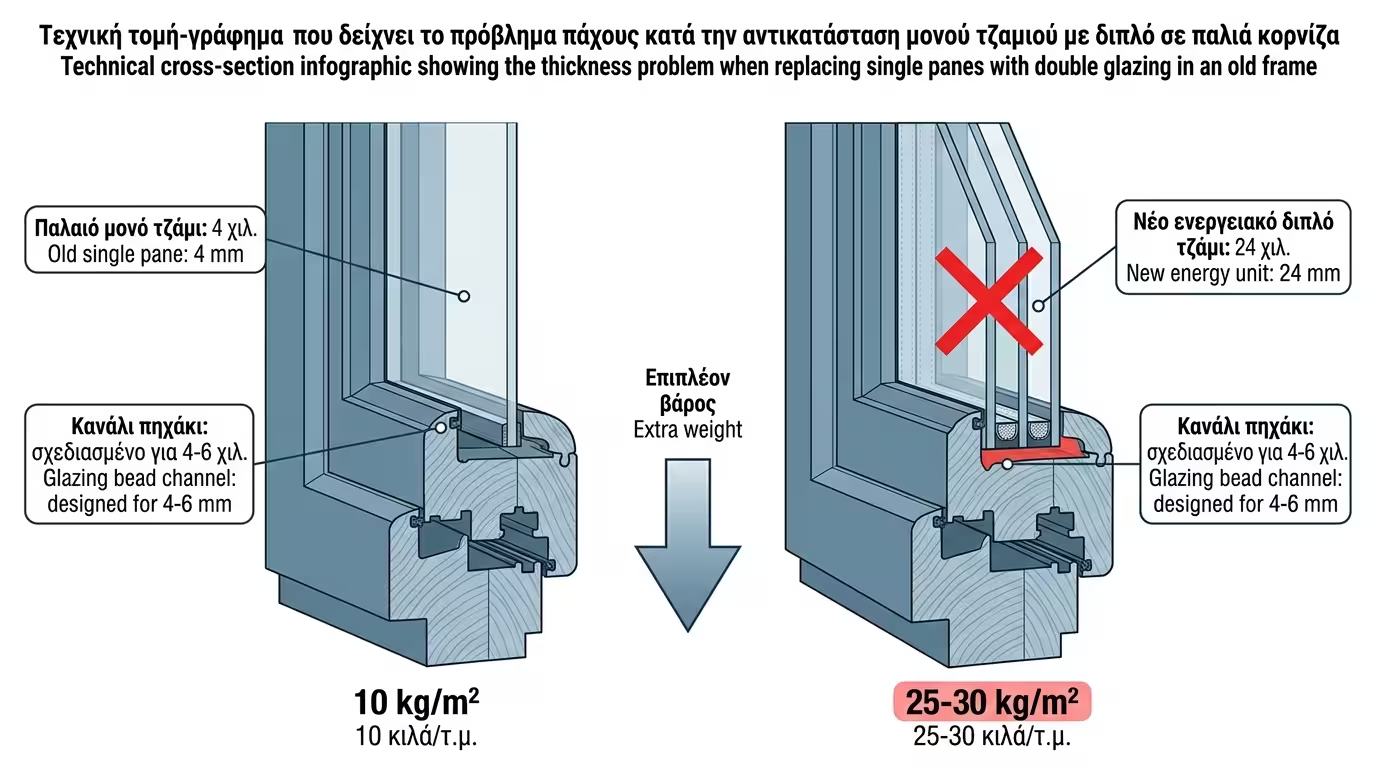
The first and biggest obstacle is purely spatial. An old single pane
is
4 to 5 millimetres thick. A modern, high-performance double
energy unit starts at
20 millimetres and easily reaches 24 or 28 millimetres. How will something so "thick" fit into a rebate designed for
something so thin?
📐 Glazing Beads
The glass is held on the sash by a removable profile that clips
around the perimeter - called a "glazing bead". In
theory, if the fabricator removes the old, wide bead (that held the
thin pane) and finds a new, much narrower bead from the same
aluminium series, the double unit could fit. But that is only the
beginning of the problem.
⚖️ The Weight
A double energy unit weighs approximately 20–25 kg per square metre versus 5–6 kg for a single pane. The old frame - hinges, screws, skeleton
- was designed for just a few kilograms. Quadrupling the weight means
the mechanism will be strained every time you open the window. The hinges
will start to sag, the seal will be lost, and wear will come much faster.
2. Scenario 1: Old Wooden Frames
If you have the classic old wooden windows from the 1970s or 1980s
with single glazing and putty (or a wooden bead), replacing with
double energy glass is almost
impossible or technically destructive.
❌ Insufficient Depth (Rebate)
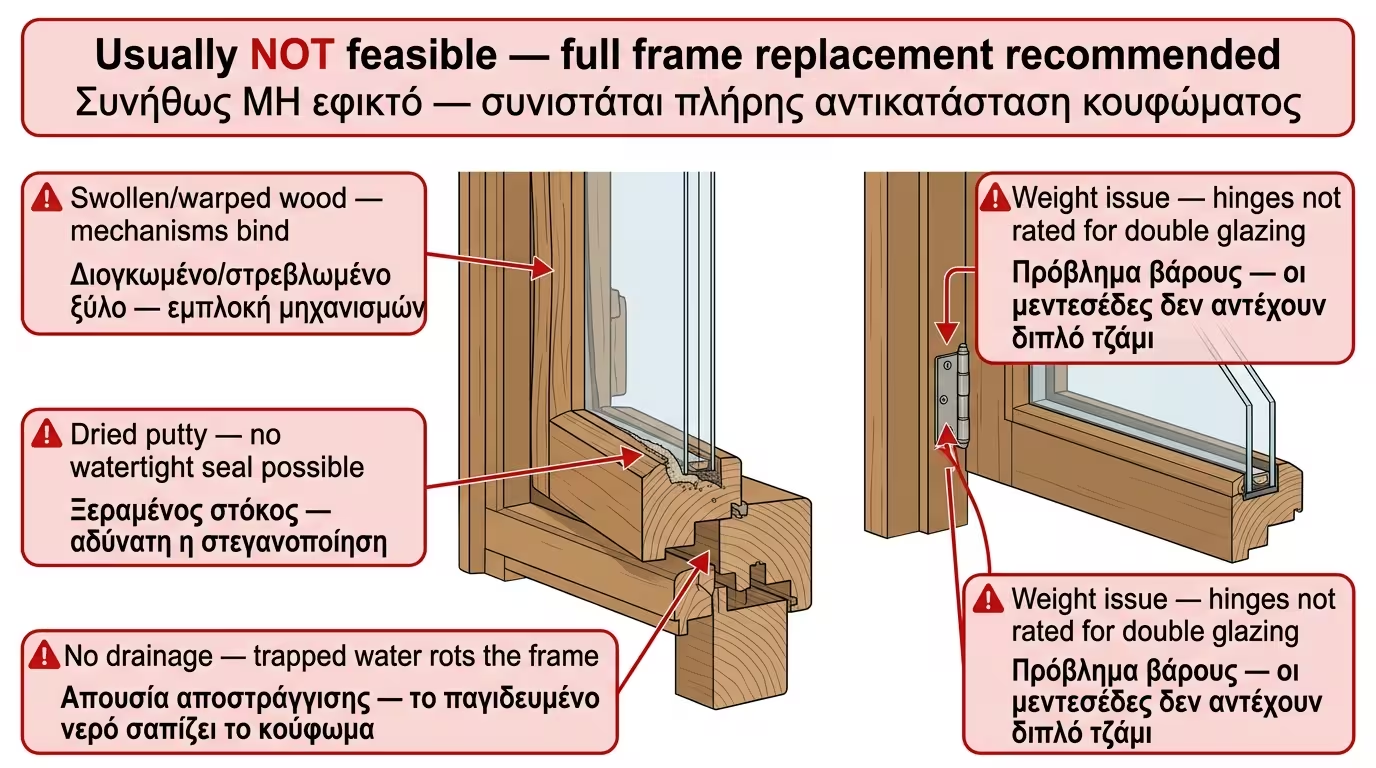
The wooden sash doesn't have the depth (the rebate) to
accept a 24mm unit. To make it fit, the carpenter would need to rout away
the timber, weakening the skeleton that is already fighting woodworm and
decades of ageing.
❌ Weight & Hinges
The weight of the double unit (20+ kg per square metre) will destroy the old hinges. The window will sag, won't close properly, and will let air
through from every side.
🚫 The Verdict
Don't attempt it. The cost of modifications (routing,
repainting) will approach that of a brand-new, modern window - with a
final result that is aesthetically mediocre and functionally questionable.
3. Scenario 2: Old "Cold" Aluminium Frames
Let's say you have 1990s aluminium windows (casement or sliding) that
originally took single glazing. You find narrow beads, swap them, and
manage to squeeze in a top-spec double energy (Low-E) unit. Why have you wasted your money?
🥶 "Cold" (Non-thermally-broken) Aluminium
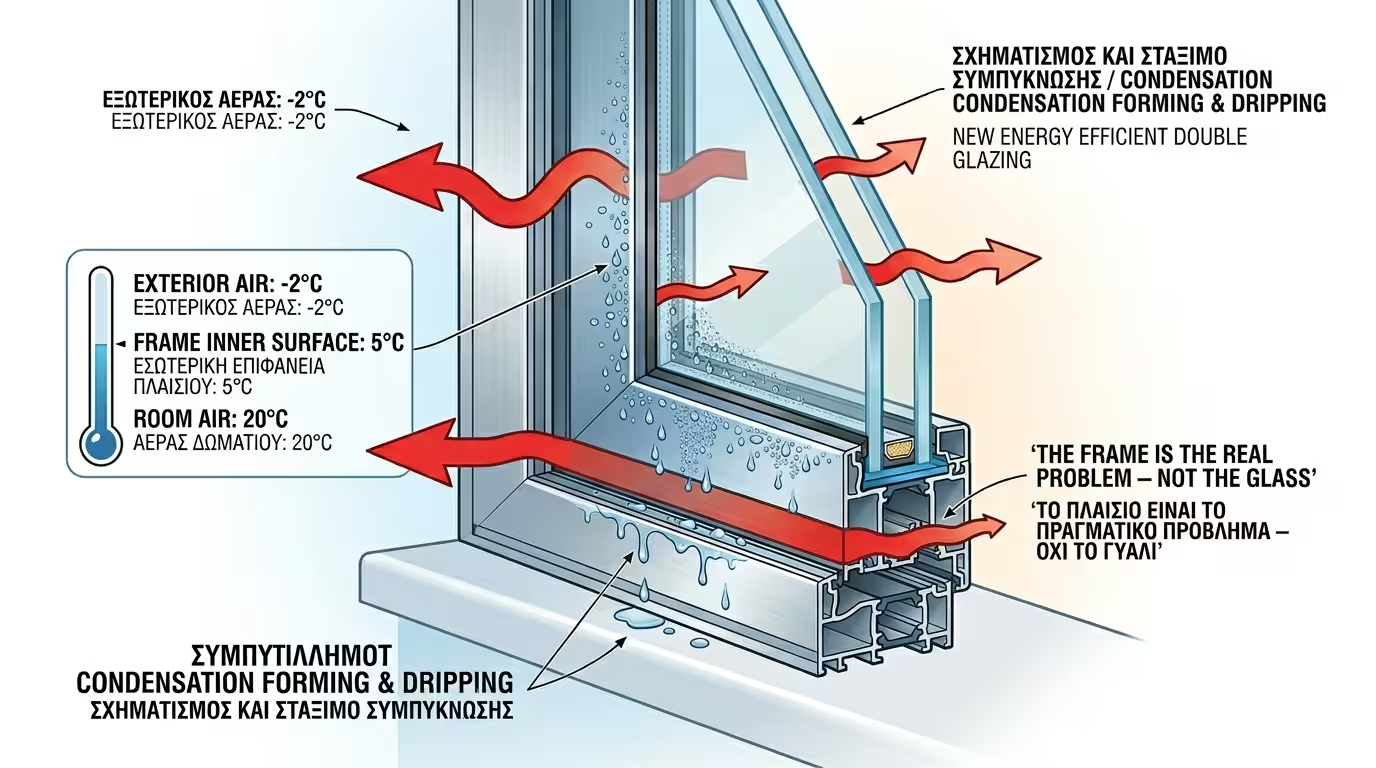
Old aluminium profiles are "Cold" (non-thermally-broken). They lack the thermal break (the polyamide bridge that stops heat
transfer). Aluminium, as a metal, is an excellent conductor of heat.
💧 What Happens in Winter
Your new glass will indeed block heat from escaping through the
pane. However, the entire aluminium frame will remain frozen! Your home's warmth will "escape" en masse through the metal itself.
When the warm air hits the frozen aluminium, it will condense. Your aluminium
frames will drip water from inside and the wall around the window will
fill with black mould.
🧥 The Metaphor
It's like wearing an expensive, insulated jacket but walking
barefoot in the snow.
The cold will find its way - through the frame, not through the glass.
4. When DOES Replacing Only the Glass Make Sense?
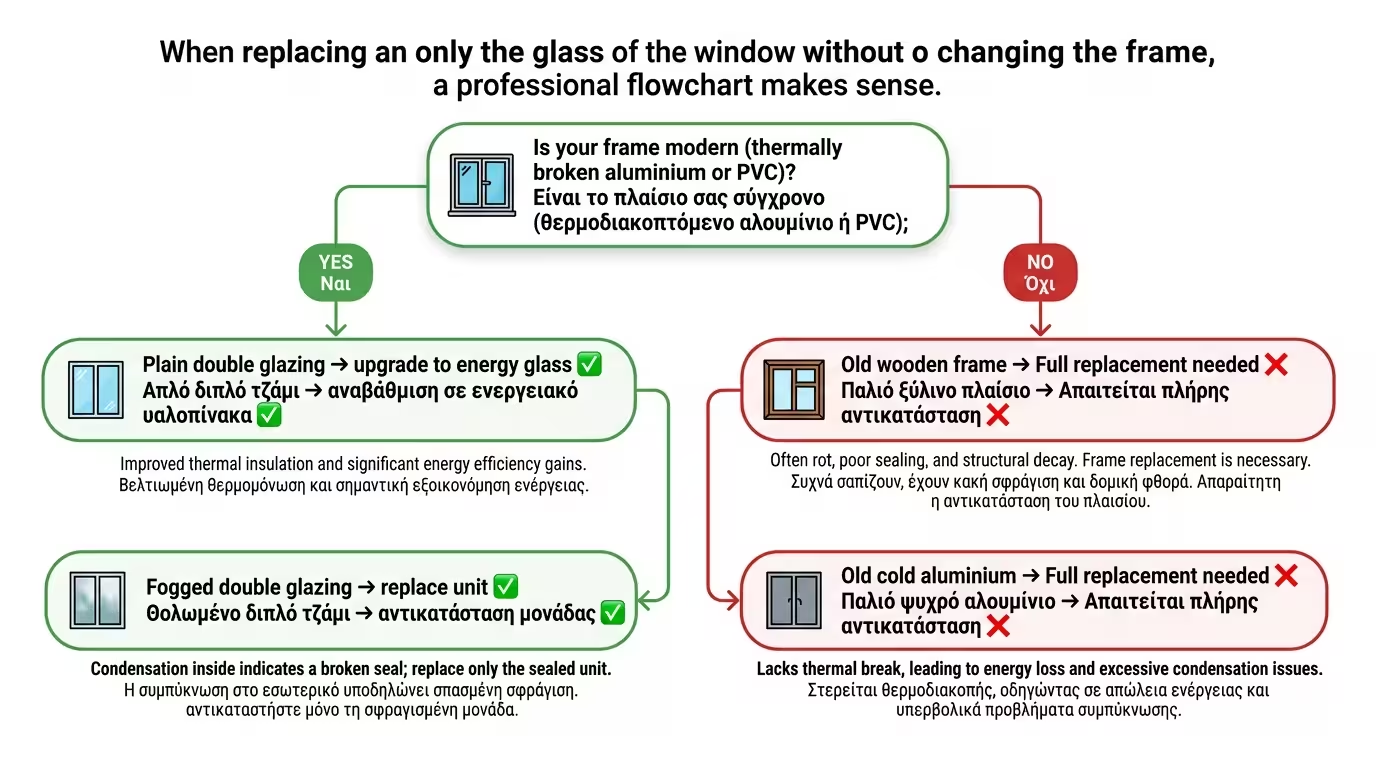
Replacing the glass while keeping the existing frames is an excellent
and "smart" investment
ONLY in these two cases:
✅ Modern Frames with Plain Double Glazing
You already have thermally broken (modern) aluminium or PVC, but with plain (non-energy) double glazing. Many contractors in
the early 2000s installed good aluminium profiles, but to cut costs,
fitted plain white double-glazed units (without Low-E coating and
without Argon gas). Here, replacing the plain units with NEW energy
double glazing is the ultimate move. The beads
already fit, the cost is low, and the energy upgrade will be
dramatic!
✅ Fogged Double Glazing
Your existing double glazing has fogged up (taken on moisture), as
we described in the previous article. In this case, replacing the
unit (with the same thickness) is the only option - an ideal
low-cost solution that fully restores functionality and energy
performance.
5. Summary
🔗 Frame + Glass = One System
The frame and glazing unit work as one unified, inseparable system.
Trying to "marry" 2024 technology (energy glass) with a cold,
non-insulating 1990s frame will give you an illusion of savings, but
will create massive condensation problems, mould
and wall deterioration.
💡 The Smartest Investment
First assess whether your frames can handle the upgrade. If you have
modern thermally broken profiles, replacing only the glass is an
excellent move. If not, full replacement is always the smartest
long-term investment - the small extra cost is quickly offset by
dramatically lower energy bills and the resolution of moisture
problems.