Fresh Air Introduction in Ducted Systems: How to Ensure Clean Oxygen Without Losing Your Cooling

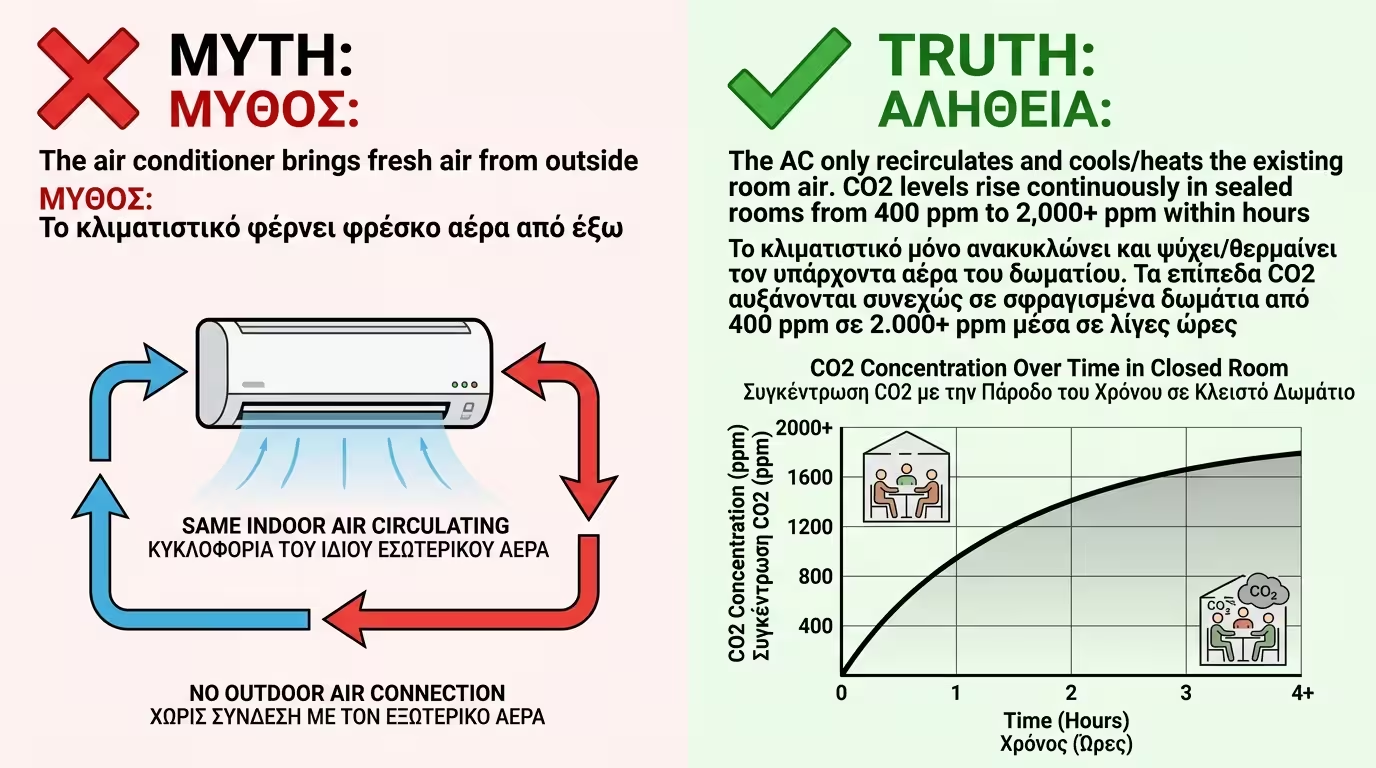
Let us start by debunking one of the market's biggest myths: Your air conditioner (whether wall-mounted or concealed ducted in the ceiling) does NOT bring fresh air from outside.

Whether you see the massive outdoor unit on the balcony or feel the air blasting from the ceiling diffusers, the truth is simple: the unit merely draws in the air already inside the room, cools (or heats) it and blows it back in. It performs continuous recirculation.

In a modern, energy-sealed building with closed windows, this recirculation creates a massive problem: oxygen is consumed by the occupants and carbon dioxide (CO₂) rises rapidly. We desperately need Fresh Air.

The Myth: Your AC Does Not Bring Fresh Air

This is why in closed offices, tutorial centres or restaurants, the atmosphere becomes "heavy", odours get trapped and occupants feel drowsiness and headaches.

Air conditioner recirculation – it does not bring fresh oxygen, it re-circulates indoor air

❌ The "wrong" way: Open windows

The simplest solution is to open the windows. But if it is 38°C outside in a heatwave (or 2°C in winter), the fresh air entering the building will "kill" the air conditioning. The indoor temperature will spike, the AC will run at 100% and the electricity bill will triple. You are essentially throwing money out the window.
The "Correct" Solution: Heat Recovery Ventilation (VAM / HRV)

Modern mechanical engineering solved the puzzle by creating a separate "magic" box installed in the false ceiling, next to the ducted AC. It is called a Heat Recovery Ventilation Unit (HRV or VAM).

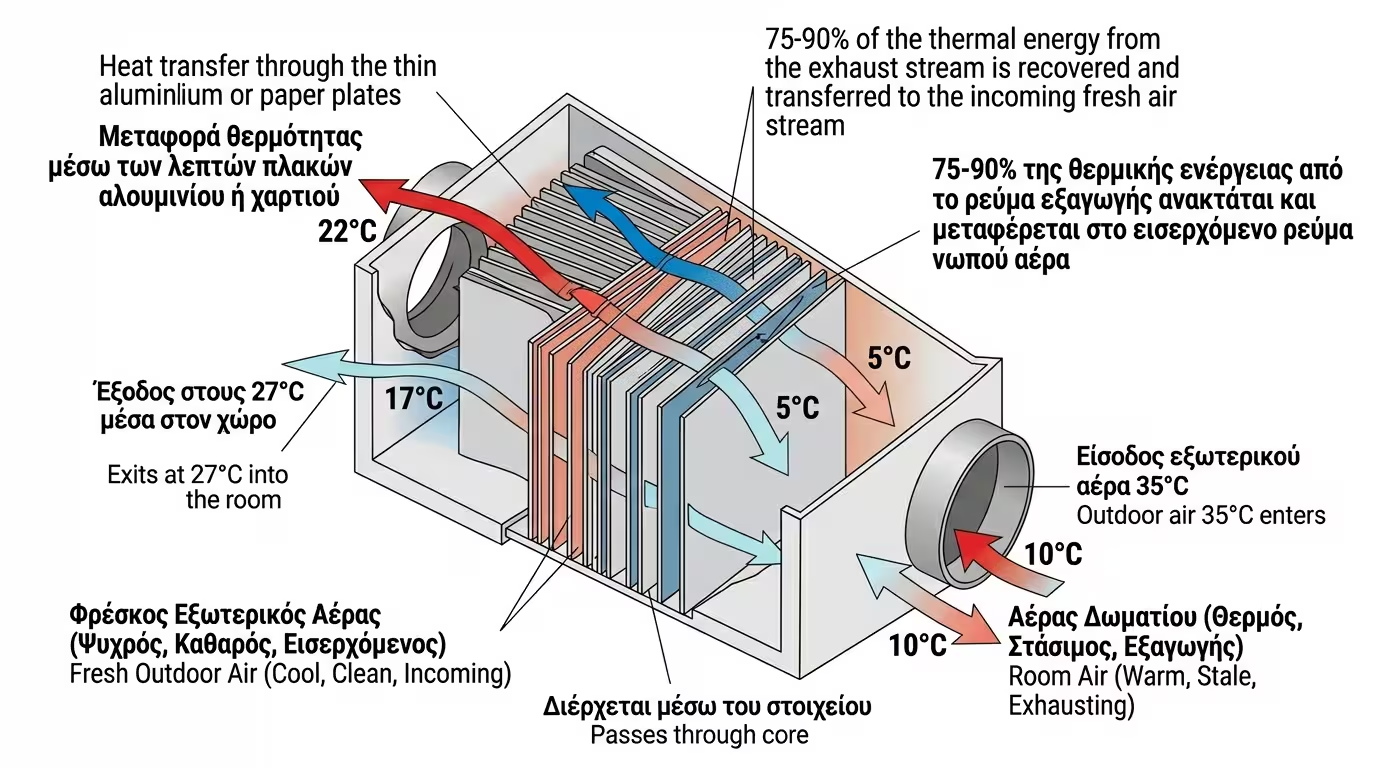
Heat recovery ventilation HRV/VAM core – cross-flow heat exchange, temperature transfer

🔁 Two jobs simultaneously

This unit: (1) Extracts the stale, CO₂-laden air from the room and expels it outside. (2) Simultaneously, draws in fresh, clean (but hot/freezing) air from outside and introduces it indoors.

✨ The magic of the core

At the heart of the unit sits a heat exchanger (usually made of special paper or aluminium) in a cross-flow arrangement. The stale, cool indoor air (25°C) crosses paths with the hot, clean outdoor air (35°C). They never mix, but through the thin walls they exchange temperature. The fresh air is pre-cooled and enters at 27°C instead of 35°C!

💰 Enormous savings

Your air conditioner fights against 27°C air instead of 35°C. That 8°C difference means a massive reduction in the electricity bill, while you enjoy 100% fresh, perfectly clean oxygen at all times.

How Does It Connect to the Ducted AC?

The mechanical engineer has two ways to "marry" the fresh air system (VAM) with the central ceiling-mounted air conditioning.

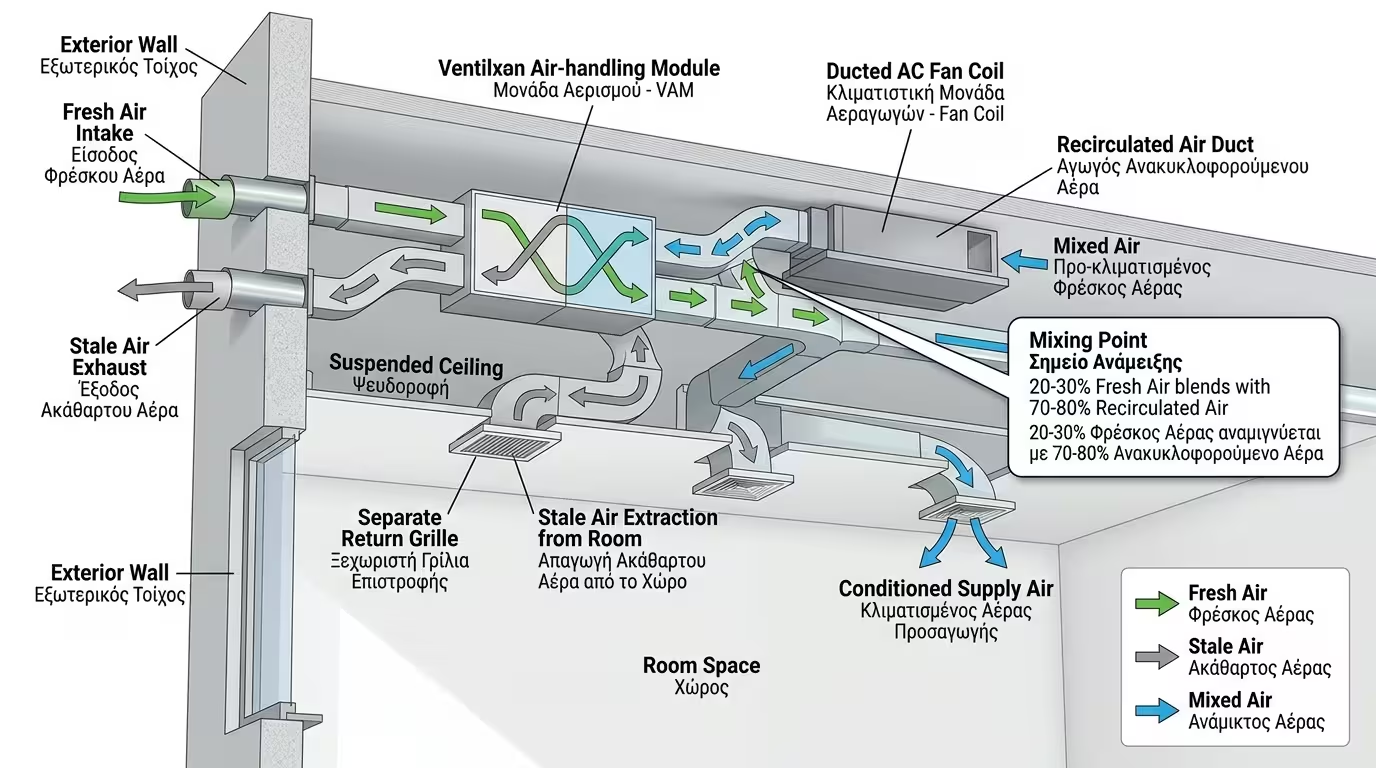
VAM unit connected to ducted AC system via the return air duct

🔗 1. Connected to the return air duct

The fresh (and pre-cooled) air from the VAM is fed into the central return duct of the ducted AC. The AC mixes it with room air, cools it a little further and sends it through the diffusers into the space - perfectly clean and chilled.

🏥 2. Independent network

In luxury constructions (or hospitals), the ventilation system has its own, independent supply and exhaust diffusers in the ceiling, operating in parallel but entirely independently of the air conditioning. This provides absolute air quality control.

3 Reasons Fresh Air Is Now Legislation

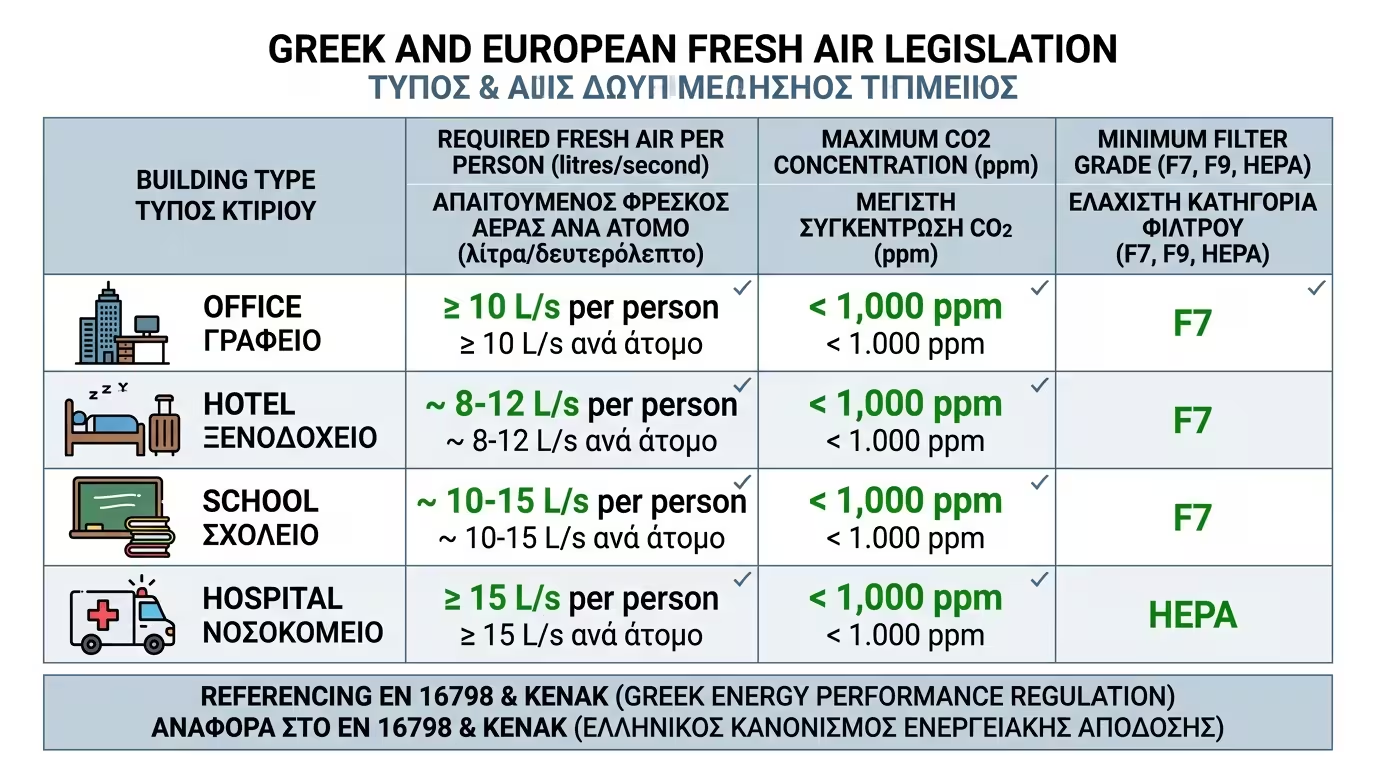
Fresh air legislation – CO₂ limits, F7/F9 filters, enthalpy heat exchanger for humidity

If you are simply fitting out your home living room, a VAM is an optional luxury. But if you are building a commercial space, the situation changes dramatically.

📜 Building Code & KENAK

Legislation (the KENAK regulation) mandates specific cubic metres of fresh air per person, per hour, in offices, restaurants and health-regulated premises. The VAM is the only legal (and economical) way to achieve compliance.

💧 Humidity control

In winter, enthalpy exchangers (paper core) recover not only temperature but also humidity! They prevent the indoor air from drying out excessively, protecting the throat and eyes of office workers.

🛡️ Real filtration

Unlike the simple mesh filters in residential ACs, VAM units carry thick, professional-grade F7 or F9 filters that block exhaust fumes, pollen and fine particulate matter before they even enter the building.

✅ Final summary

Investing in an expensive air conditioning system without mechanical ventilation is like buying a Ferrari and driving it through a tunnel filled with exhaust fumes. VAM/HRV technology delivers unmatched quality of life, electricity savings and workplace productivity.

Related Articles

Cooling Energy Production & Air Conditioning

Return to category.

Go to category

Preview