
Wiring & Core Infrastructure
Proper wiring is the backbone of every installation, from planning and conductor sizing to conduits, retrofits and future-ready provisions.
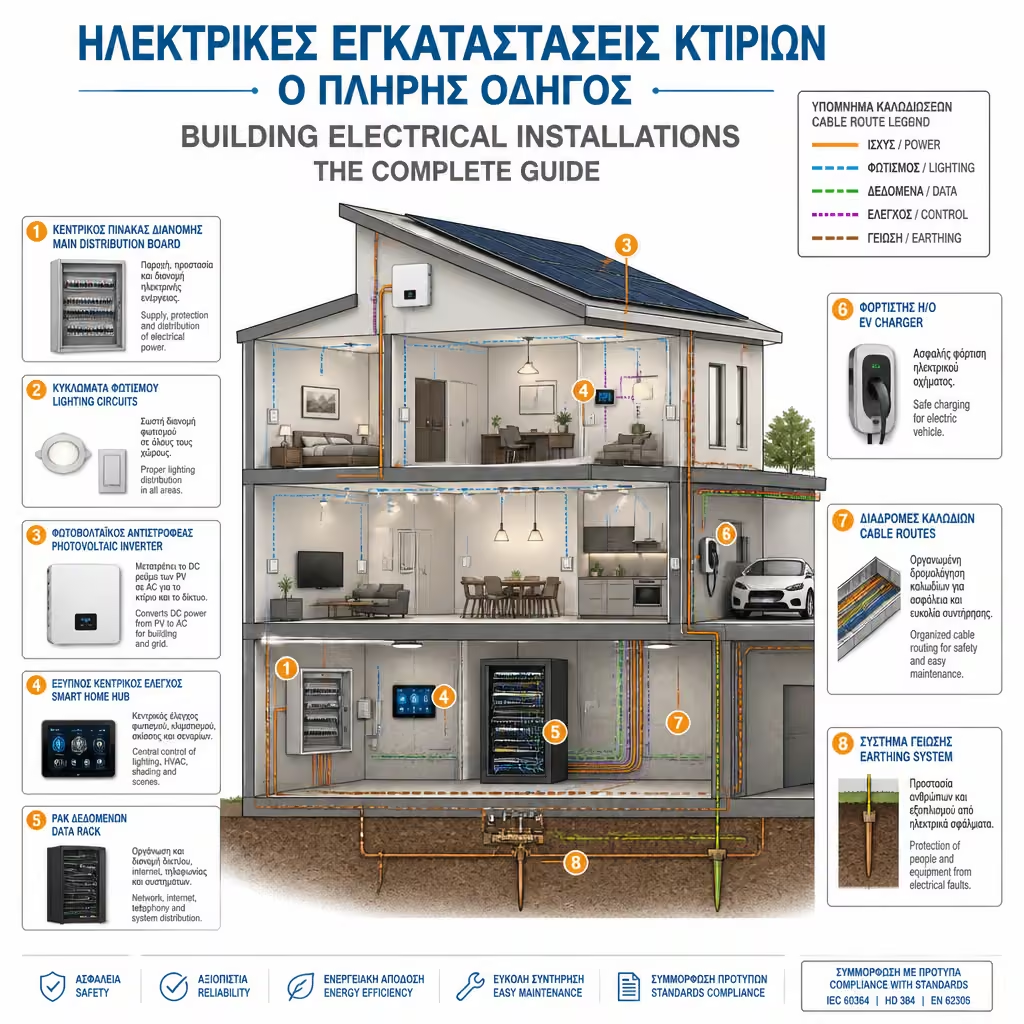
View categoryElectrical installation is the nervous system of every building. Whether you are planning a new home, carrying out a full renovation or upgrading your property with smart automation, proper design and high-quality materials are non-negotiable. This guide brings together the full technical picture you need: from compliance and cable selection to photovoltaics, fibre-optic networks and smart home systems. Learn how to build infrastructure that is safe, future-ready and energy-efficient.
The guide is organised into 8 major topic areas so you can move quickly from fundamentals to the specialised decisions that affect safety, cost and long-term expandability.
Proper wiring is the backbone of every installation, from planning and conductor sizing to conduits, retrofits and future-ready provisions.
View categoryThe electrical panel is the heart of building protection, combining sound architecture, residual-current protection, earthing, surge control and safe upgrades.
View categoryAs electrical loads grow, the right utility service, load distribution, backup strategy and self-generation become critical decisions.
View categoryLighting shapes how a space performs and feels, from light layering and IP ratings to LED drivers, dimming and professional control protocols.
View categoryMetering, sub-metering and analytics turn electricity use into actionable data for homes, Airbnb properties and commercial spaces.
View categoryModern automation unifies protocols, relays, shading, climate control and security into one coordinated building ecosystem.
View categoryData infrastructure is now as critical as electrical service, covering structured cabling, fibre, Wi-Fi planning and rack design.
View categoryTechnical safety is completed by legal compliance, preventive maintenance and practical fault diagnosis.
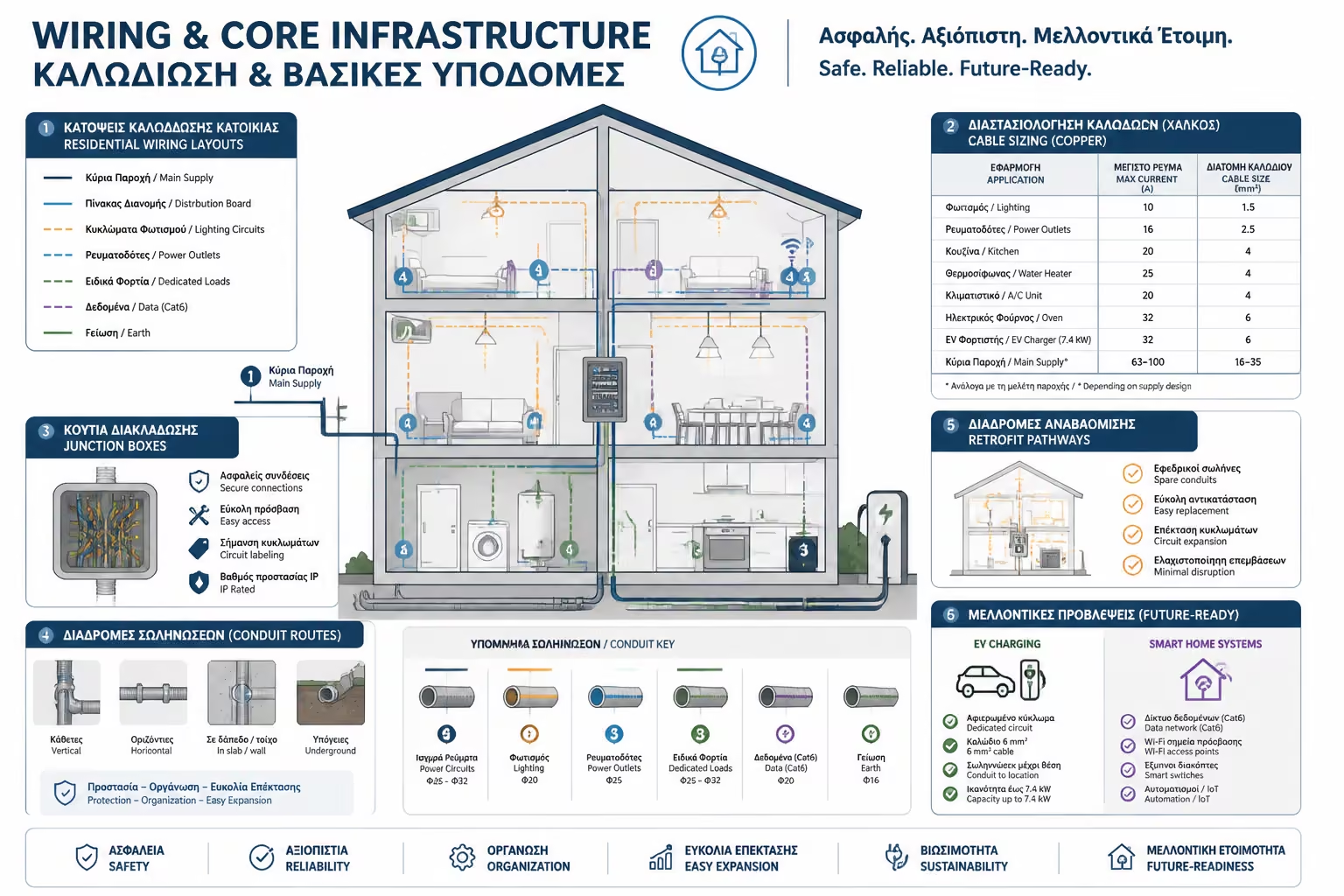
View categoryCorrect wiring is the backbone of every installation. From choosing the right conductor size to routing conduits through walls, learn how to build a network that will not need opening up again for decades.
Circuit allocation, correct heights for outlets and switches, plus ergonomic planning for kitchens, bathrooms and daily use.
When a full strip-out is necessary, how the work is priced and how to deal with old cloth-insulated wiring.
The difference between NYM and NYA, colour coding and the required conductor size for each load and appliance.
Flexible spiral conduit or rigid pipe, proper junction-box branching and practical pulling techniques with draw wire.
The provisions you need now for future EV chargers, heat pumps and smart home systems without new demolition work.
A comparison of connection methods, from terminal blocks and tape to modern Wago-style push connectors.
See the full section on Wiring & Core Infrastructure.
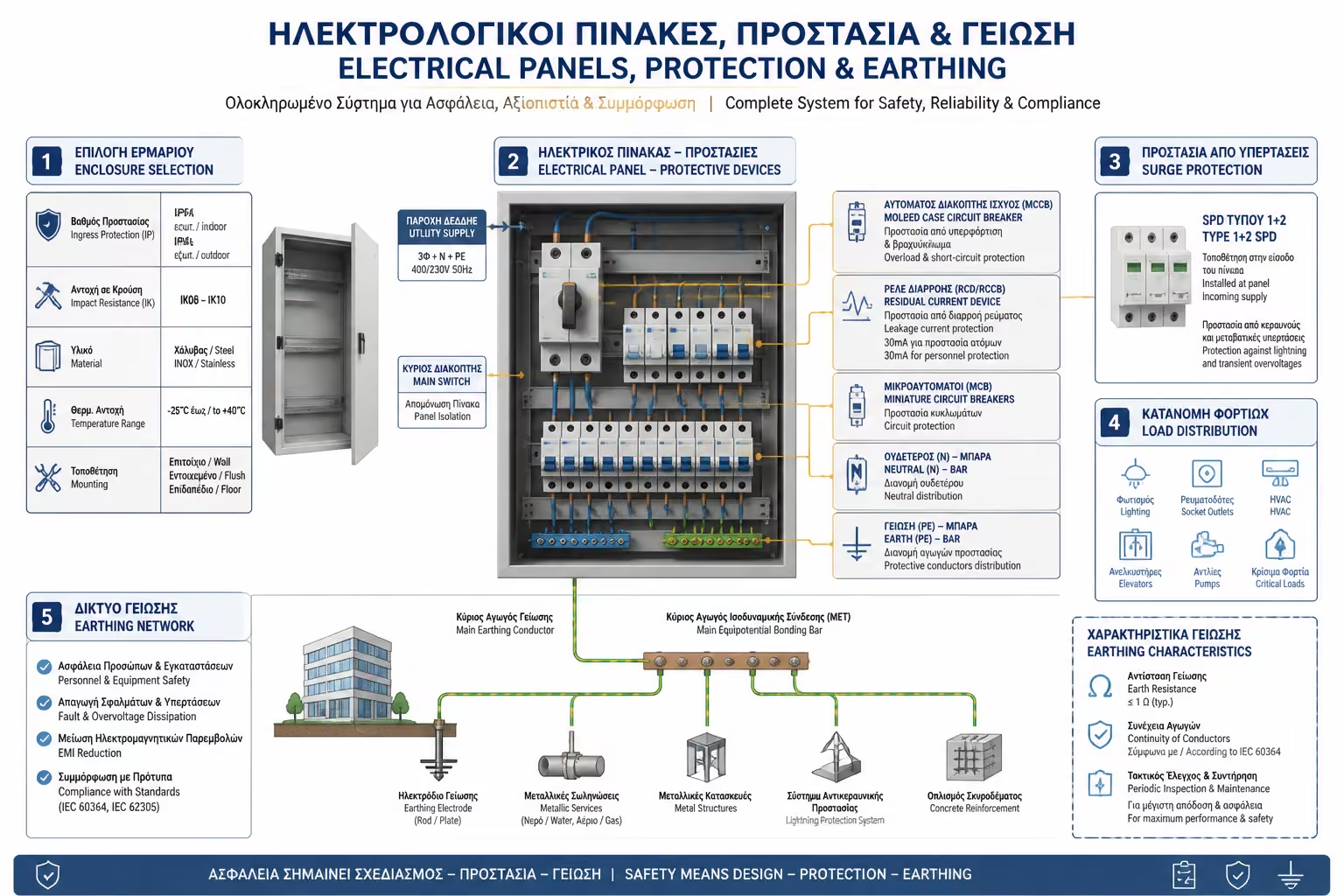
The electrical panel is the heart of the installation and the main layer of protection for both people and property. Learn how to size it correctly, which protective devices matter and why grounding is the most critical safety measure of all.
How to choose the right enclosure size, construction material and when a sub-panel is required for a safe, expandable installation.
Why they trip, how to test them and which RCD type suits modern residential and commercial installations.
Miniature circuit breakers, B and C trip curves and newer protection standards such as AFDD arc-fault devices.
What the regulations require for new construction, how grounding is embedded in concrete and how grounding resistance is measured.
Surge protection devices and lightning protection systems for sensitive electronics and critical equipment.
Warning signs, basic replacement steps and the main factors that affect the overall cost.
See the full section on Electrical Panels, Protection & Grounding.
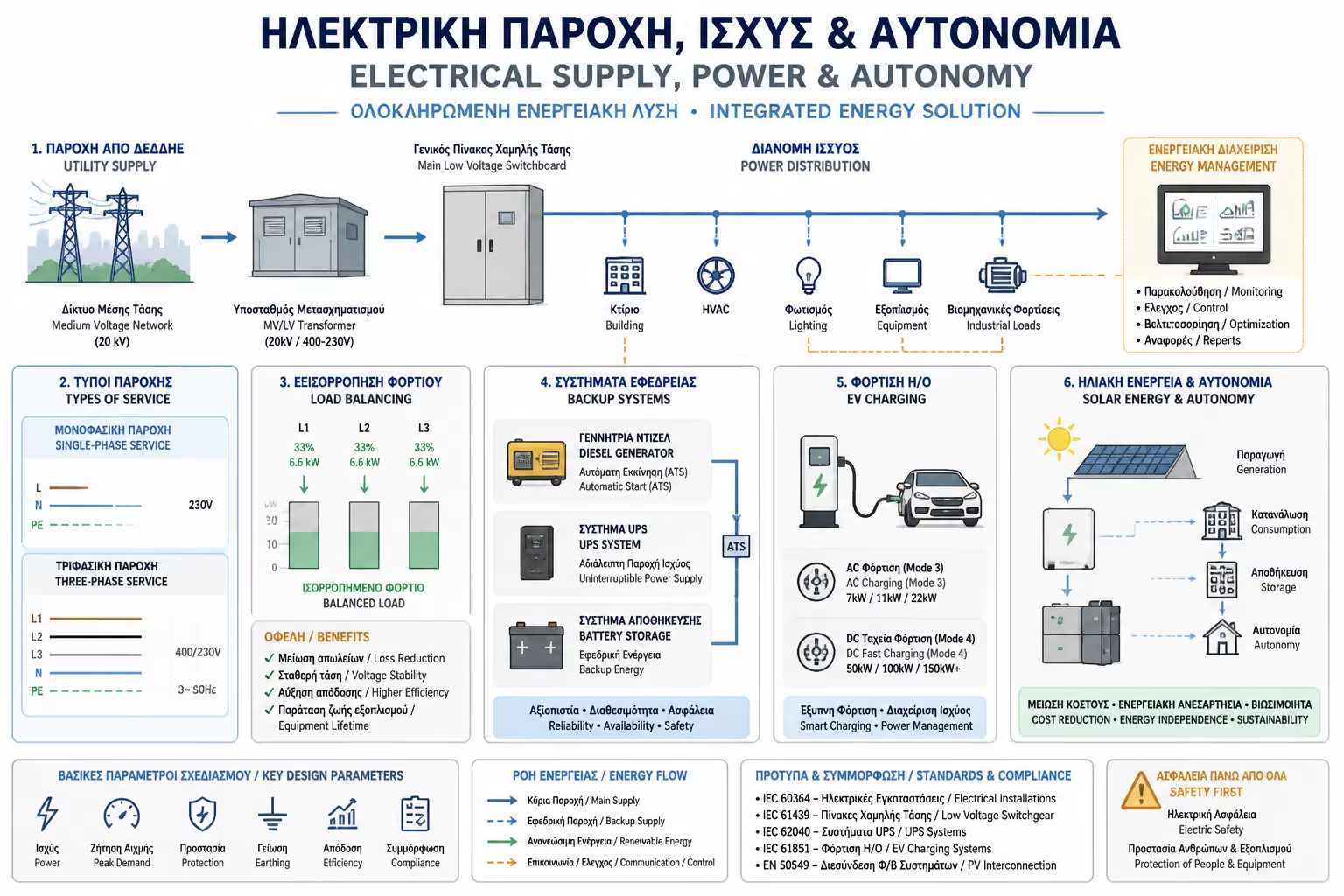
As energy demand increases with EV charging, cooling and electrified heating, proper power management becomes essential. Learn the fundamentals of phases, backup systems and self-generation.
The real differences, when three-phase supply is necessary and what to expect when upgrading or downgrading a connection.
How the total power demand of a home is calculated and why balanced distribution prevents trips and overloads.
A practical guide to the process, documentation and utility costs when the installation needs more available power.
Choosing generators, ATS equipment and UPS systems for uninterrupted operation and protection from outages or voltage dips.
Grid interconnection, panel-board requirements and the role of residential battery storage systems.
The electrical requirements for wallbox installation and the main principles of dynamic load management.
See the full section on Utility Supply, Power Capacity & Autonomy.
Lighting does far more than provide visibility. It creates mood, shapes how a space feels and highlights architecture. Explore LED technologies, ingress protection ratings and control strategies for every environment.
Layering, Kelvin selection and concealed-lighting solutions for functional yet atmospheric interiors.
IP ratings, photocells, motion sensors and safe wiring practices for gardens, courtyards and building facades.
UGR for offices, CRI for retail and the correct specification of industrial luminaires for demanding environments.
COB versus SMD, how to choose the right driver and how to avoid flicker problems.
How to dim LEDs properly without noise and the difference between leading-edge and trailing-edge dimmers.
Magnetic track systems, facade lighting and DALI-based control for more advanced architectural applications.
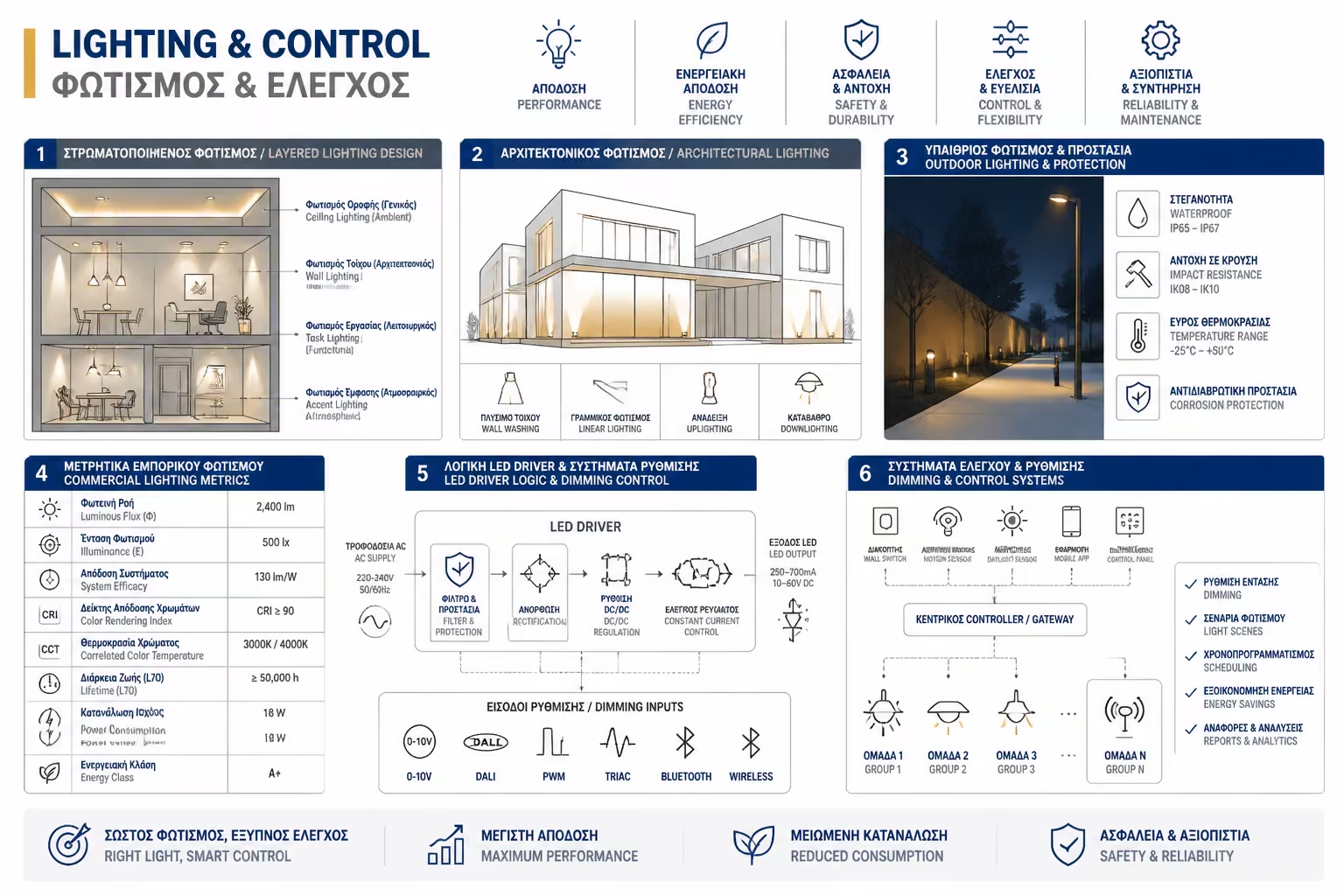
See the full section on Lighting & Control.
When electricity is expensive, measurement is the first step toward savings. This section is especially useful for businesses, Airbnb hosts and users who want full visibility of their energy use.
DIN-rail meters, CT transformers and Wi-Fi devices that provide immediate, accurate insight into consumption.
Automation for A/C units, card switches and water-heater control to reduce waste without reducing comfort.
How to measure and bill electricity separately for tenants, rooms, storage spaces or other sub-uses.
How to read charts, extract cost reports and identify energy-hungry devices or operating faults.
Vampire loads, load shifting and practical actions that reduce energy demand immediately.
How monitoring systems can adapt consumption according to hourly electricity pricing.
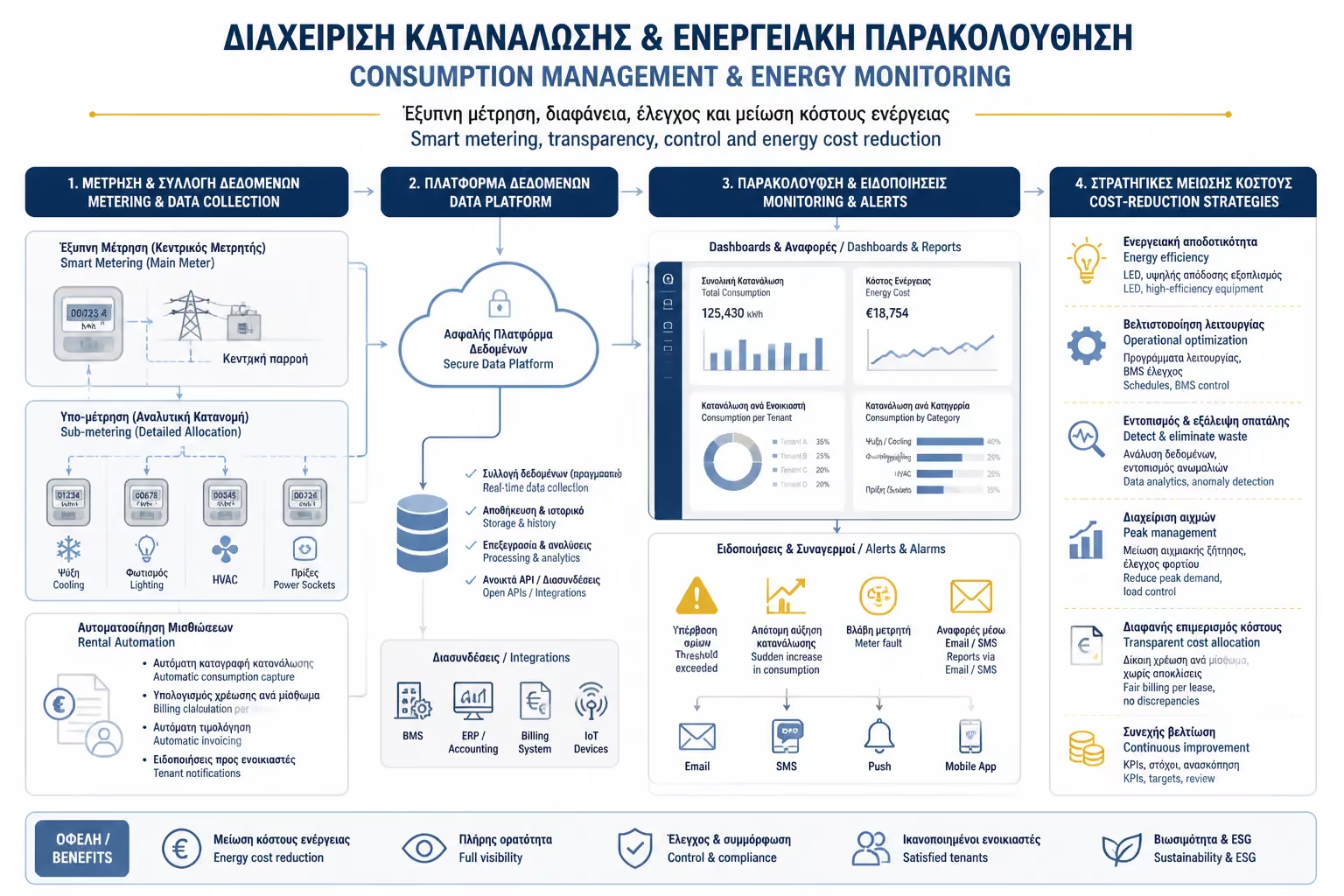
See the full section on Consumption Management & Energy Monitoring.
The smart home is no longer a luxury. Discover how communication protocols, relays and central control platforms can turn a building into a responsive, automated system.
A comparison of KNX, Zigbee and Matter in terms of reliability, expandability and long-term compatibility.
Practical ways to make an existing installation smart, even when older wiring has no neutral at the switch box.
Automation for shutters, awnings and thermostats based on weather, temperature and energy-saving scenarios.
How Home Assistant and BMS platforms combine control, monitoring and automation in one place.
Alarm wiring, PoE versus Wi-Fi cameras and the basics of perimeter protection.
IP doorbells, smart locks and remote access control for homes and short-term rental properties.
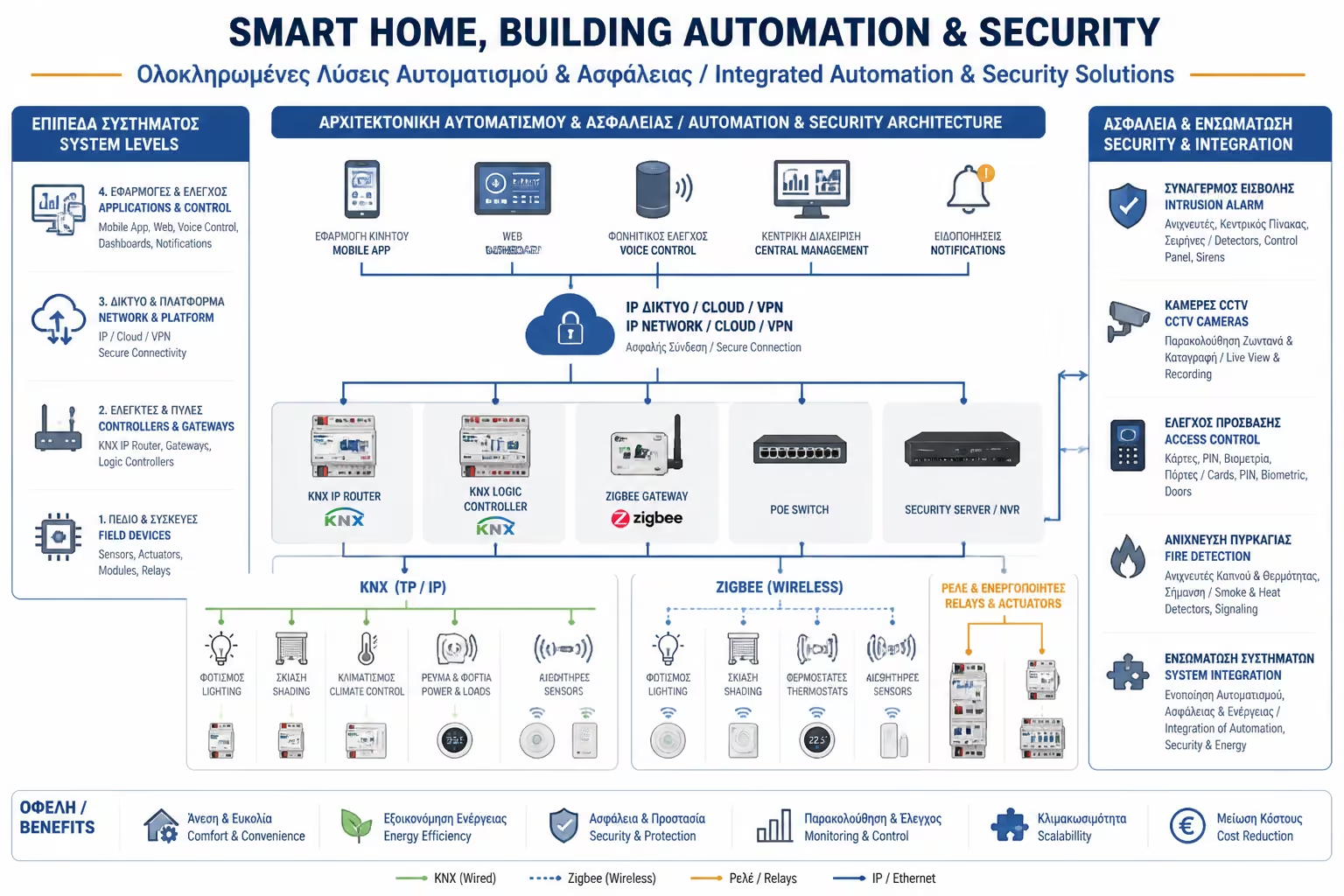
See the full section on Smart Home, Building Automation (BMS) & Security.
Internet connectivity is now as important as electricity. Learn how to build a structured network infrastructure that can support tomorrow’s bandwidth and equipment demands.
Choosing Cat6 or Cat7, understanding UTP versus FTP and separating data lines from power circuits for a cleaner network.
In-home fibre provisions, basic splicing concepts and connector types for networks built for tomorrow’s speeds.
Proper access-point placement, mesh architecture and solutions for spaces with difficult signal propagation.
Rack cabinets, patch panels, ventilation and cable management for clean, maintainable installations.
How to power cameras, access points and antennas entirely through Ethernet without separate mains supplies.
The difference between unmanaged and managed switches and how to calculate PoE budget before purchase.
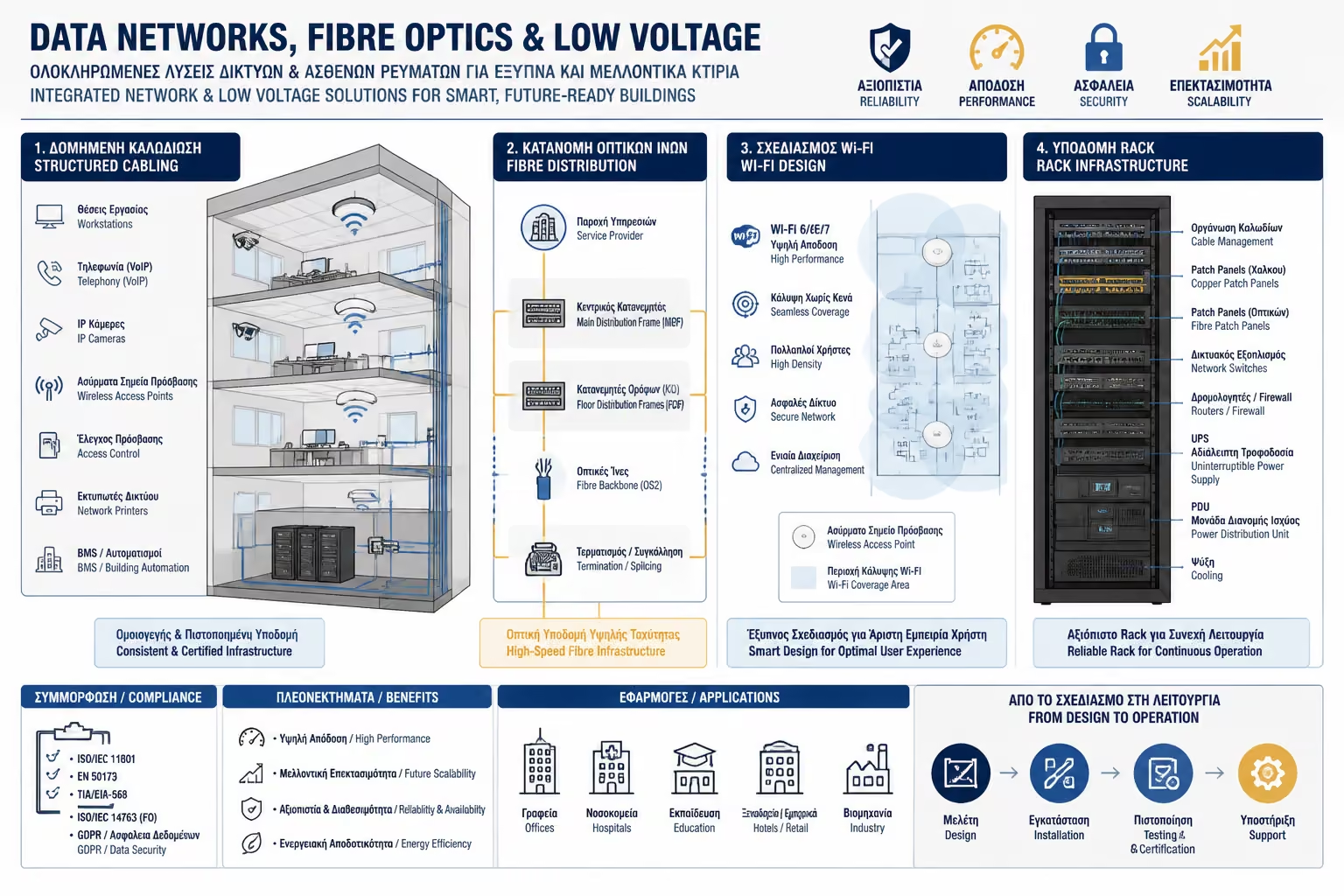
See the full section on Data Networks, Fibre Optics & Low Voltage.
Safety depends on rules, inspections and ongoing care. Find practical responses to electrical faults, understand the regulatory framework and learn how to protect your property both technically and legally.
When they are mandatory, what they usually cost and how often they must be renewed for a legal and safe supply connection.
What applies to name changes, night tariffs, electricity theft and legal declarations for extensions or unauthorised work.
Thermal imaging of panels, periodic tightening of terminals and the importance of the monthly RCD test routine.
What burning-plastic smells, sparking or repeated main-breaker trips can indicate inside an installation.
Bathroom hazards, safe use of extension boards and first-aid basics in the event of electric shock.
Accessibility requirements, proper switch heights and childproofing measures for safer everyday use.
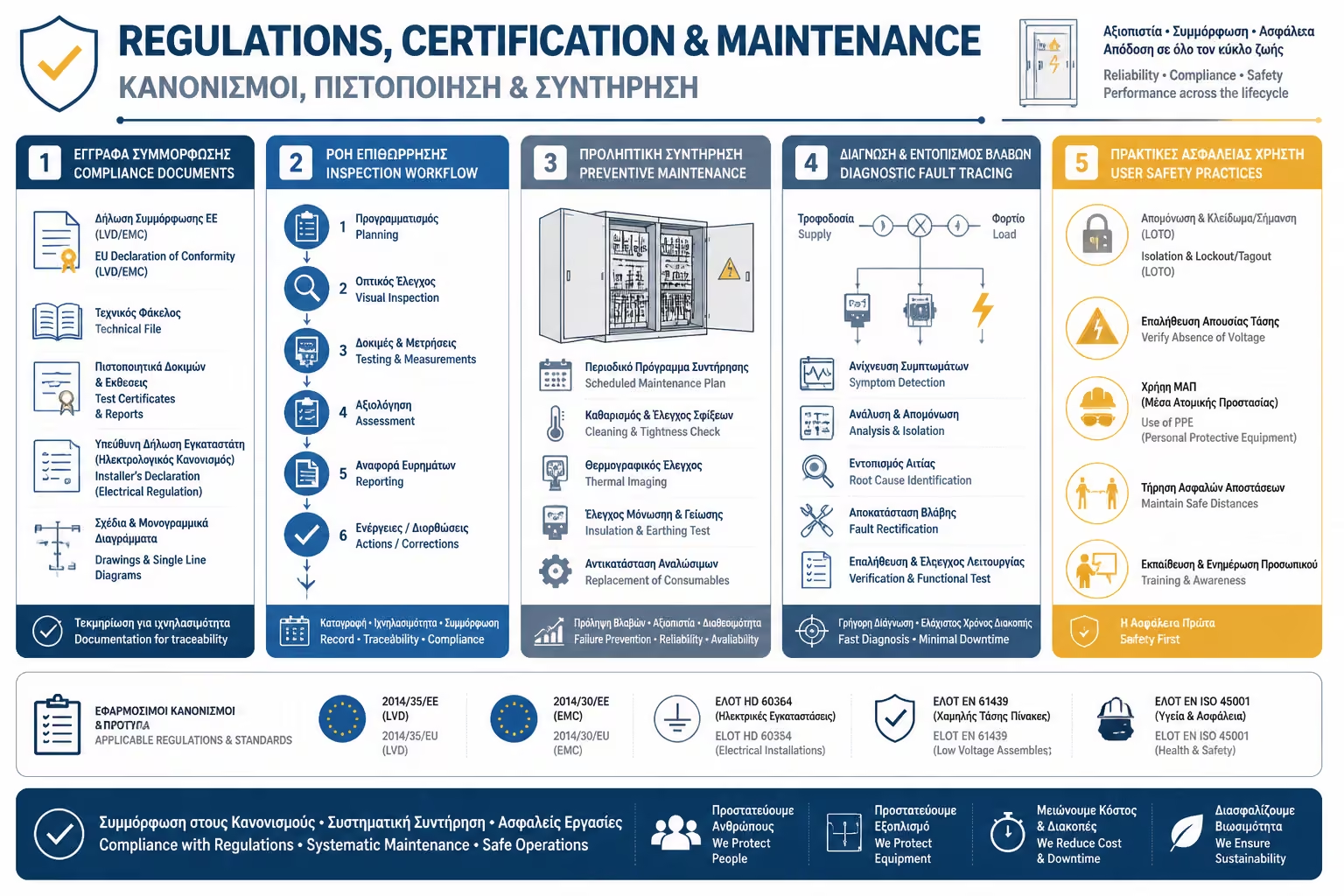
See the full section on Compliance, Certification & Maintenance.
If you are planning a new home, a full renovation or an energy upgrade, contact us for technical guidance and correct infrastructure planning from the start.
Contact us