
Bathroom DIY, Maintenance & Styling
Return to category.
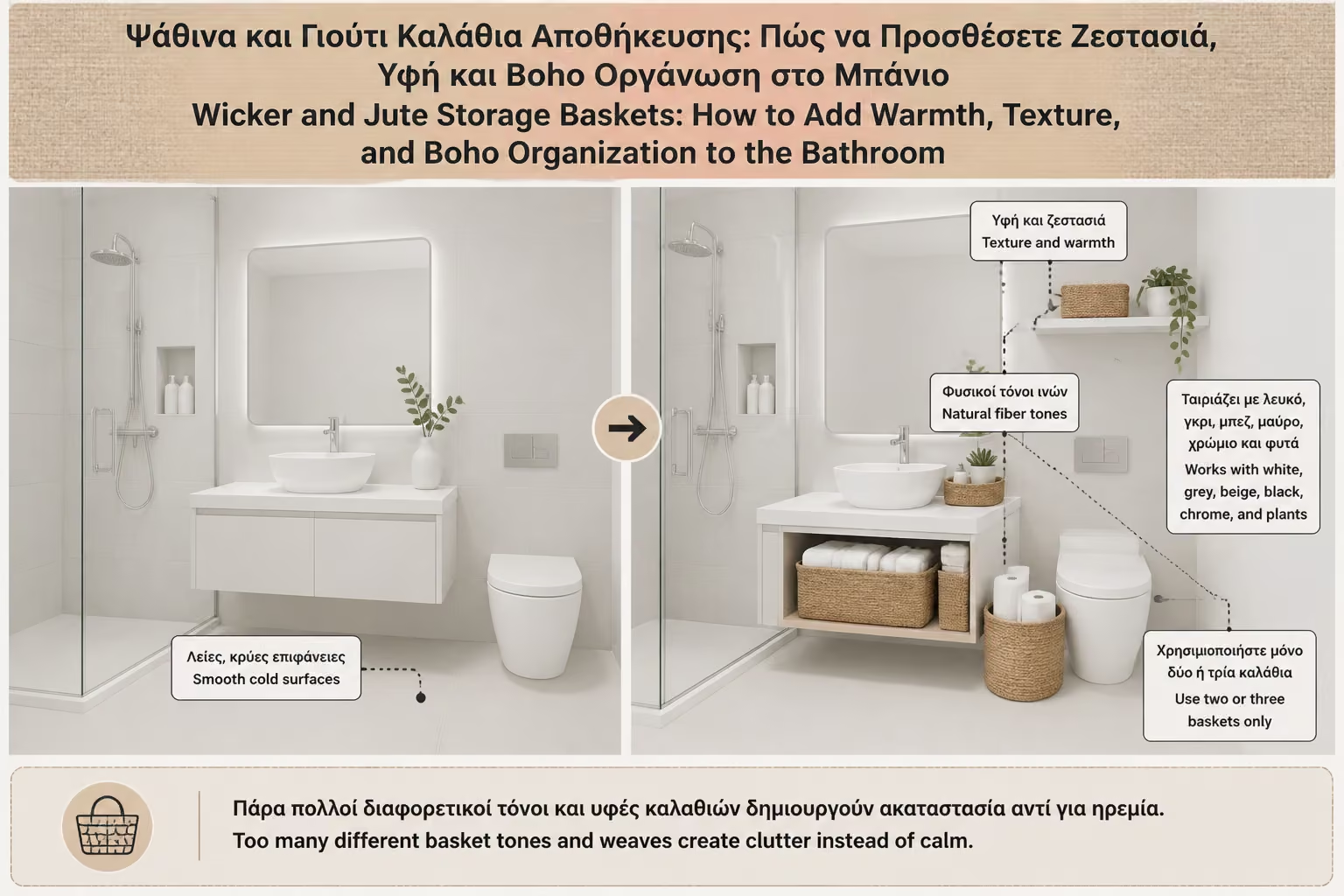
Go to categoryThe bathroom is usually full of "hard" materials: tiles, porcelain, glass, metal, mirrors, faucets and cabinets and white surfaces. All of these are practical and durable, but they often make the space look cold. That's exactly where natural materials help. A wicker, jute, seagrass, bamboo or wicker basket can instantly change the feel of the bathroom, adding warmth, texture and a more relaxed, boho character.
Storage baskets are among the easiest interventions because they do not require drilling, installation or renovation. They go under the sink, next to the basin, under floating shelves, above the cistern, on shelves, in cupboards or in corners that otherwise remain empty. They can hide laundry, toilet paper rolls, clean towels, toiletries, spare soaps or small items that otherwise create visual clutter.
Their great strength is that they combine storage and decoration. A plastic box may be practical but rarely looks pretty in public. A natural fiber basket can remain visible and look like part of the styling. That is why it is so often used in boho, coastal, japandi, rustic and spa bathrooms. It doesn't just hide objects. It softens the entire space.
But the bathroom is damp. And this is the point that needs attention. Natural baskets are not all suitable for every spot. If they rest on a wet floor, if they step next to a splashing shower, if they are filled with wet towels or if they are left in a bathroom without ventilation, they can turn black, smell or develop mold. Natural texture is beautiful, but it must be used properly.
In this guide we'll look at which baskets are right for the bathroom, where to put them, what to store in wicker and jute, when lining is needed, how to organize laundry and toilet paper rolls, what mistakes lead to dampness and how to achieve a boho effect that looks warm, clean and thought out, not sloppy.
Natural baskets add texture. This is their main advantage. In a space with smooth surfaces, weaving a basket creates visual interest. The eye sees something warmer, handmade and natural. Thus, the bathroom ceases to resemble only a sanitary space and begins to resemble a more personal, inhabited room.
The shade of natural fibers also works very well. Beige, straw, natural brown and jute color match almost everything: white tiles, gray floors, beige marble, black details, chrome faucets, plants and wooden shelves. They are neutral but not cold. They add warmth without being heavy.
In small bathroom renovations, baskets are ideal because they change the image without permanent intervention. You can put a basket with toilet paper rolls, a laundry basket, two small baskets on a shelf and the space will immediately look more organized. It's a small change with a big visual effect.
The important thing is that they are not used randomly. If you put many different baskets, of different shades and textures, it can create a mess. Natural aesthetics also need consistency. Better two or three well-chosen baskets than a bathroom full of senseless knitted items.
The term wicker is not a material, but a method of weaving. A wicker basket can be made of rattan, willow, bamboo or other natural fibers. It usually has a more structured form, holds its shape better and looks more "furniture" than a soft fabric basket. It is a good choice for paper rolls, towels or open shelving storage.
Jute is a natural fiber with a softer and earthier texture. Jute baskets have a boho character, are often more flexible and go well with white, beige and wooden bathrooms. They are beautiful for rolls, towels, small items and decoration. But they want attention to humidity because the fiber can hold water and smells.
Seagrass gives a very natural, coastal or spa feel. It is often used in storage baskets with a weave that holds its shape. It is beautiful in bathrooms with plants, linen towels and wooden elements. Like all natural fibers, it does not like permanent wetting.
Bamboo is harder and is often used in baskets, shelves or bathroom structures. If properly treated, it can be more durable than softer fibers. However, that doesn't mean it's invulnerable. If it is left on a wet floor, it can also turn black or wear out.
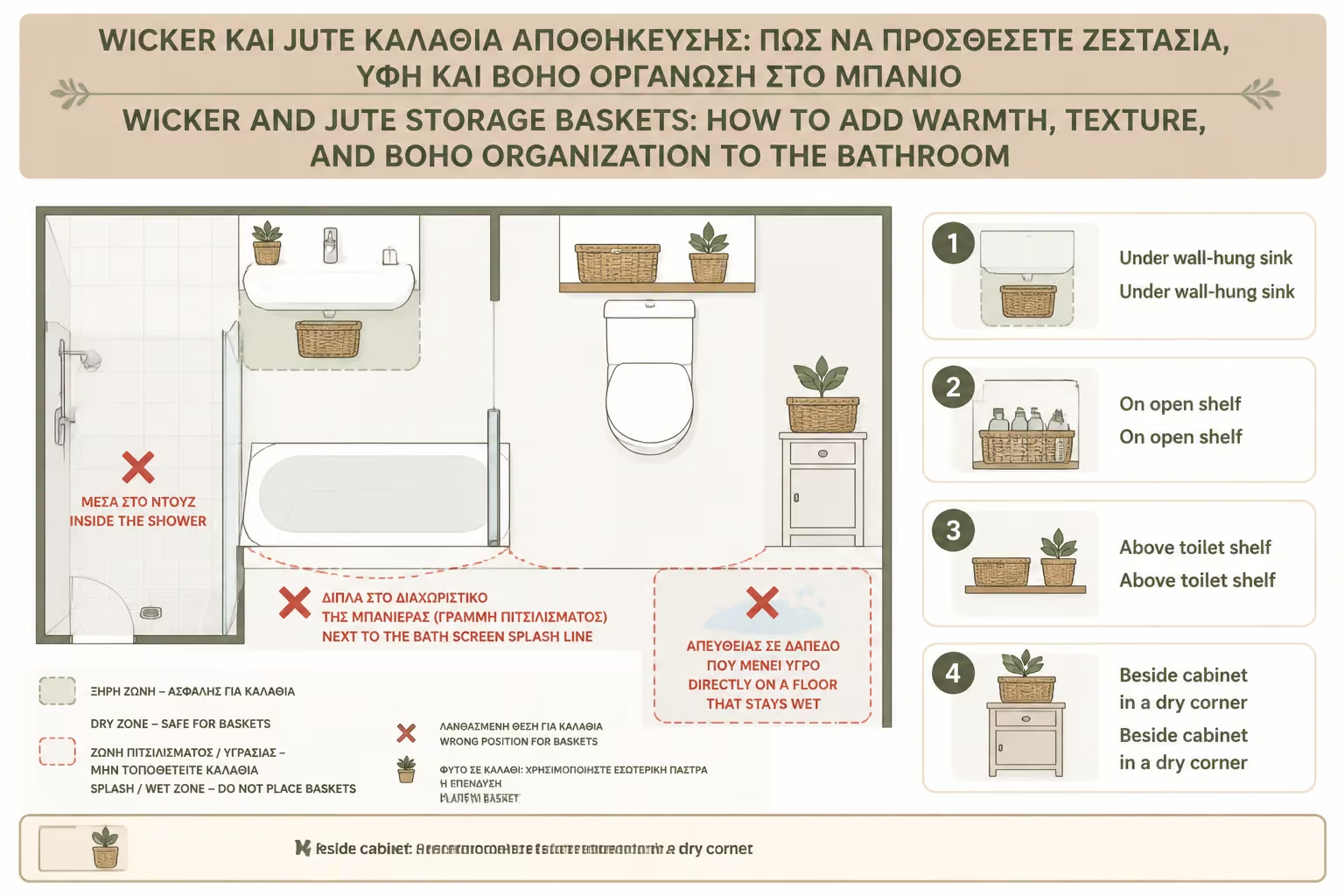
Baskets work best in dry or relatively dry zones. Ideal places are under a hanging sink, next to bathroom furniture, on an open shelf, above the basin, under floating shelves, next to the door or in a corner that does not receive water. There they add storage without suffering from direct moisture.
Above the basin, small baskets on shelves can hide paper rolls, hygiene products or small items. Under the sink, a larger basket can hide papers, clean towels or supplies. Next to the tub, a basket can hold dry towels, as long as they don't get wet from splashes.
Avoid placing them in the shower, too close to the bath screen where water falls or on a floor that is often wet. If a basket is next to a shower, there must be enough distance and good ventilation. If it gets wet every day, it is not the right position.
In a very small bathroom, a basket on the floor can take up valuable space. There, prefer small baskets on shelves, hanging baskets or baskets inside a cabinet. Storage should help traffic, not hinder it.
The laundry basket in the bathroom is very practical, but it has requirements. Unwashed items often include towels, underwear, gym clothes or wet fabrics. If they are placed in a natural fiber basket without ventilation and left for days, an odor may develop. If the fabrics are damp, the moisture can pass into the basket.
For laundry, prefer a basket with ventilation and, ideally, a removable fabric inner bag. The lining protects the basket from direct contact with wet or dirty clothes and is easy to wash. If there is no inner bag, you can add one. This is especially useful in jute or wicker baskets.
Do not put wet towels directly in the basket. Let them dry first or wash them immediately. The laundry basket should not become a closed wet environment. If the bathroom has poor ventilation, it may be better to place the laundry basket in another area, such as a laundry room or bedroom.
A lid is a double-edged sword. A basket with a lid visually hides the laundry and looks tidier. But if it is not ventilated, it can hold smells. For bathing, prefer a mesh basket that allows air or a lid that doesn't seal completely.
Toilet paper rolls are necessary, but when left in plastic packages or scattered on the toilet, they spoil the picture. A natural fiber basket is one of the simplest solutions. It hides the packaging, keeps the rolls clean and adds texture to the space.
It can be placed next to the basin, under a shelf, inside a cupboard or on an open shelf. If the basket is beautiful, it can be left in public view. For a small WC, a narrow basket with 2–3 rolls is sufficient. You don't need to store a whole pack of 12 rolls in the bathroom if space is tight.
The rolls must be kept dry. Do not place a paper basket next to a shower or where it gets wet from mopping. Paper absorbs moisture and odors. If the bathroom has high humidity, prefer a basket with a lid or storage in a cupboard, but always with ventilation.
Aesthetically, roller baskets work really well when combined with wooden shelves, white or beige towels and plants. It's a small detail, but it makes the WC look more organized and welcoming.
Clean towels in a basket give an instant spa feel. They can be folded or rolled up and placed in a wicker or jute basket under the sink, on an open shelf or next to the bathtub. The image is warm, natural and much more relaxed than a closed closet.
But watch out for humidity. Clean towels must be kept dry. If the basket is near a shower or on a wet floor, the towels may absorb moisture and smell. In a bathroom without good ventilation, it is better to keep only a few towels in an open basket and the rest in a drier area.
Fabric-lined baskets are useful for towels, because they protect against rough fibers and dust. The lining must be washed. If it collects moisture or smells, remove it and clean it. A basket that looks nice but is not easy to clean is not ideal for towels.
For a better look, keep the towels in a common color palette. A basket of white or off-white towels looks much more luxurious than a basket full of different colors and old fabrics.
Small baskets are ideal for hiding items that need to be accessible but don't deserve to be seen in bulk: rubber bands, cotton buds, cotton buds, extra soaps, small cosmetics, razors, toiletries or hair accessories. They can fit inside cabinets or on open shelves.
On open shelves, baskets reduce visual noise. Instead of showing ten small items, a basket is shown. This makes the space more peaceful. It is the same logic as vanity trays and acrylic organizers, but with a more natural and boho aesthetic.
For products that may drip, such as body oils, liquid soaps or hair products, natural baskets are not always the best choice. If something is spilled, the fiber may stain or retain an odor. In such a case, use an inner plastic container inside the basket or prefer an acrylic organizer.
Small baskets also need clearing. If they become a "black hole" for things you don't know where to put, they will fill up quickly. Each basket must have a category. Otherwise the organization is just hidden chaos.
Baskets and floating shelves are an ideal combination. Shelves provide surface area, baskets hide small items and natural fiber adds warmth. Above the basin, two small baskets can organize papers, hygiene products or supplies. Next to the mirror, a small basket can hide frequently used cosmetics.
The important thing is the depth. The basket must fit completely on the shelf and not protrude dangerously. If it sticks out, it looks flimsy and can fall off. Before buying baskets, measure the depth of the shelf. If the shelf is 15 cm, don't buy a 22 cm basket.
Weight is also important. A basket looks light, but when filled with products it can become heavy. On floating shelves above a basin or sink, avoid heavy contents. Better paper rolls, hand towels or light objects.
Aesthetically, prefer baskets of the same series or at least the same shade. Two baskets with different weave, different color and different height may look mismatched. The boho aesthetic does not mean inconsistency. It means naturalness with balance.
Under a hanging sink or an open piece of furniture, baskets can hide piping, supplies, towels or products. It is a much more beautiful solution than showing the siphon and random bottles around it. A large basket or two smaller ones can make the space look more organized.
Be careful with access. If there are siphons, corner switches or connections under the sink, they must not be completely blocked. The basket should come out easily so you can check for leaks or turn off the water. Do not place such a large basket that it wedges.
If there is a history of leaks under the sink, do not store towels or paper there. In such a case, please check the installation first. A basket can hide a small drop until it deals damage. The organization must not obstruct the inspection.
In open furniture, the baskets should be even. If the furniture has two gaps, put two identical baskets. This gives the look of custom storage, without having to pay for custom furniture.
The boho style is based on natural textures, earth tones, plants, handmade feel and relaxed composition. In the bathroom, however, he needs moderation. If you fill the space with lots of baskets, macrame, plants, wood, candles and fabrics, it can become cluttered and difficult to clean.
The safest boho approach is: natural basket, a wooden shelf, a plant, neutral towels and one or two ceramic or amber dispensers. No more information is needed. The texture of the basket is enough to give it character.
Colors should be calm. Ecru, sand, white, beige, natural wood, sage and terracotta work well. If you add a lot of bright colors, it loses the spa feel and becomes more chaotic. The boho bathroom should look relaxed but clean.
Cleanliness is critical. Natural materials collect dust more easily than smooth surfaces. If they are not cleaned, boho quickly becomes "dusty". A few items, well maintained, give a better result.
Natural baskets aren't just for boho bathrooms. They can also work in modern, minimal or industrial bathrooms, as long as they are used strictly. In a white minimal bathroom, a natural fiber basket can be the only warm element. This makes it more human and less cold.
In a bathroom with black elements, the baskets create a nice contrast. A black faucet, a black bath screen and a natural basket with white towels create a very balanced combination. Black gives structure, while the basket adds warmth.
In gray or concrete bathrooms, jute and seagrass baskets reduce the coldness. If there is no wood in the bathroom, the basket can play this role. Small detail, big difference.
The secret to a modern bathroom is simplicity. A large basket or two identical small ones are enough. If you put a lot of different boho elements, the style will clash with the modern line.
Moisture is the main danger for wicker and jute. Natural fibers can absorb moisture, soften, smell or grow mold. This does not mean that they do not enter the bathroom. It means they need to be put in the right place and maintained.
Do not leave baskets permanently resting on a wet floor. If the floor gets wet after showering or mopping, raise the basket until it dries. If the basket is for laundry, do not put wet towels in it for days. If it's for toilet paper, keep it away from splashes.
Ventilation is critical. In a bathroom that holds steam for hours, the natural fibers will suffer. If there is no window or good ventilation, limit the baskets to a smaller number and prefer more durable materials or baskets with a plastic inner structure.
Periodically check the bottom of the baskets. This is where the first signs of moisture appear. If you see discoloration, odor or softening, change position and allow the basket to dry completely. If the mold has progressed, it is better to withdraw it.
The inner lining is very useful when the basket comes into contact with fabrics, laundry or small items. It protects the contents from rough fibers and protects the basket from moisture or stains. In a laundry basket, the removable cloth bag is almost essential.
For towels, the lining helps them stay clean and lint-free. For toilet paper, it's not always necessary, but it can keep the interior cleaner. For cosmetics, if there is a risk of products spilling, it is better to use an inner plastic box inside the basket.
The lining must be washed. If not removed, it can collect dust and odors. A beautiful but non-removable fabric lining in a laundry basket is not the most practical solution. The bathroom needs materials that can be cleaned.
If you want a cleaner look, you can choose baskets with linen or cotton inner lining in off-white or white. This goes well with boho and spa aesthetics as long as it is maintained.
Lidded baskets are ideal when you want to hide the contents. For laundry, toilet paper, hygiene products or supplies, the lid keeps the picture cleaner. In a small WC, a basket with a lid next to the basin can hide rollers and act as a decorative element.
The downside is ventilation. For laundry, the lid should not seal completely, especially if wet fabrics are placed inside. If the basket has a lid but also mesh that allows air, it is a better solution. If it's too closed, it can trap smells.
Open baskets are easier to use and have better ventilation. They are perfect for towels, paper rolls in a dry spot or items that you want to be seen. The downside is that the content needs to be tidy. An open basket full of random things looks messy.
In practice, use open baskets for nice, clean items and lidded baskets for things you don't want to be seen. Always pay attention to ventilation.
Bathroom cleaners are not the best category for natural baskets in plain sight. They are heavily labeled, can drip, contain chemicals and should not be confused with cosmetics or towels. If you want to organize them, it is better to use a plastic or acrylic basket inside the cabinet.
If you insist on a natural cleaning basket, put a plastic inner container or tray inside so that if something is spilled it will not be absorbed into the fiber. Keep cleaners upright, with lids closed and out of reach of children. Do not carry cleaners in "pretty" bottles without clear labeling. This is dangerous.
Cleaning products should be kept separate from towels, paper and personal products. We do not put disinfectant, replacement soaps and paper rolls in the same basket. Organization should be safe, not just beautiful.
For a boho aesthetic, ditch the natural baskets for clean, neutral categories: towels, paper, lined laundry, small items. Keep the cleaners in a practical, washable box in the cupboard.
A plant in a basket is a very beautiful image. The basket hides the plastic pot and gives a natural texture. In a bathroom with urban jungle aesthetics, jute or seagrass planter with sansevieria, zamiokulkas or pothos looks excellent.
But be careful with watering. The basket must not get wet inside. The plant must have a pot with drainage and an inner saucer or waterproof case inside the basket. Water, let it drain and check that no water remains at the bottom. If water goes into the basket, the fiber may turn black.
In a bathroom with high humidity, baskets around plants need even more attention. Soil, water vapor and the natural basket create an environment that can hold moisture. Periodically lift the pot, check the interior and ventilate.
If you want the risk-free look, use a basket as an external decorative case but with an internal plastic container that fully protects the fiber. This is how you maintain aesthetics and reduce wear and tear.
Baskets need regular dusting. Knitting collects dust, hair and small particles. Use a soft brush, dry microfiber cloth, or a vacuum cleaner with a soft attachment. Do not soak them or wash them with a lot of water, unless the manufacturer allows it.
If there is a small stain, clean locally with a slightly damp cloth and mild soap, then dry immediately and leave the basket in a ventilated place. Do not put it back in a damp bathroom before it is completely dry. Moisture left in the weave can create an odor.
If the basket smells, take it out of the bathroom, empty it and let it air out. Check if the fiber or contents smell. Wet laundry, towels or a bad position are often to blame. Do not spray heavily scented to mask the smell. It will mix with moisture and may stain.
If mold appears, assess the extent. A small surface spot can be carefully cleaned, but if the fiber is deeply blackened or smells strongly, it is better to withdraw. Hygiene in the bathroom precedes decoration.
In a rental house, baskets are one of the best solutions because they do not require permanent intervention. You don't drill, you don't paint, you don't change furniture. You can organize laundry, papers, towels and products, and take them with you when you leave.
If the bathroom has old furniture without drawers, baskets under the sink can create instant storage. If there is no toilet paper storage, a basket next to the basin solves the problem. If you don't want to put floating shelves, a ladder with baskets can provide vertical organization without holes.
Prefer baskets that can also be used in another home. Neutral shades, simple shapes and medium sizes are more versatile. Do not buy very special dimensions if you are not sure that they will serve you later.
In a rental, baskets can also hide aesthetic weak points, such as exposed piping or a lack of furniture, but without blocking access to siphons and valves. Reversibility is their great advantage.
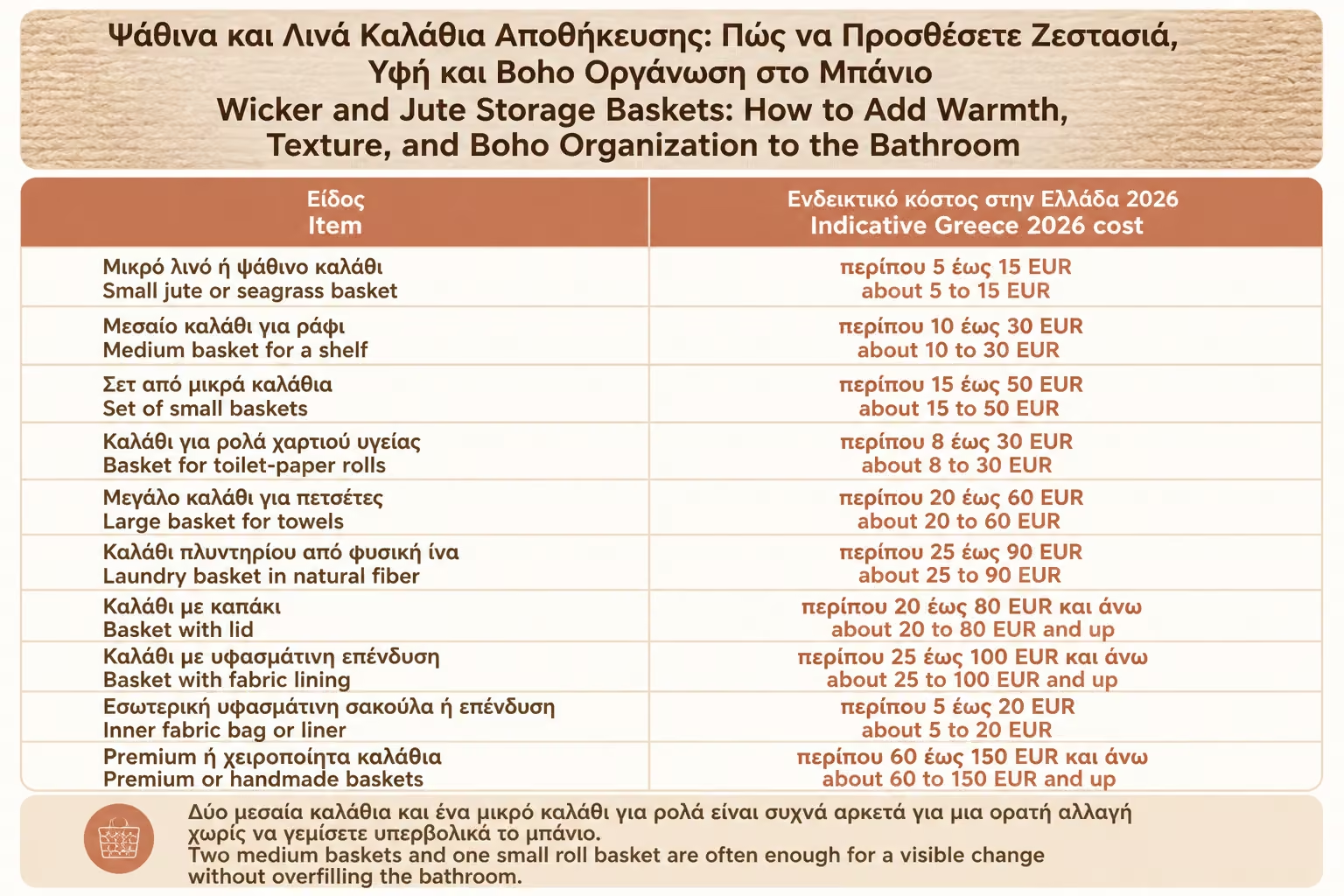
Cost depends on size, material, weave, quality and whether the basket has a lid or inner lining. Small baskets are affordable, while large wicker baskets or handmade natural baskets can cost more.
Prices are indicative and depend on store, quality, origin, VAT, size and seasonality. For a small refresh, two medium baskets and a small roll basket are enough to change the image. You don't have to fill the entire bathroom from day one.
| Product / Solution | Indicative cost picture 2026 |
|---|---|
| Small jute / seagrass basket | around €5–15 |
| Medium shelf basket | around €10–30 |
| Set of small baskets | around €15–50 |
| Basket for paper rolls | around €8–30 |
| Large towel basket | around €20–60 |
| Laundry basket made of natural fibers | around €25–90 |
| Basket with lid | about 20–80€+ |
| Basket with fabric lining | about 25–100€+ |
| Inner fabric bag / lining | around €5–20 |
| More premium / handmade baskets | around 60–150€+ |
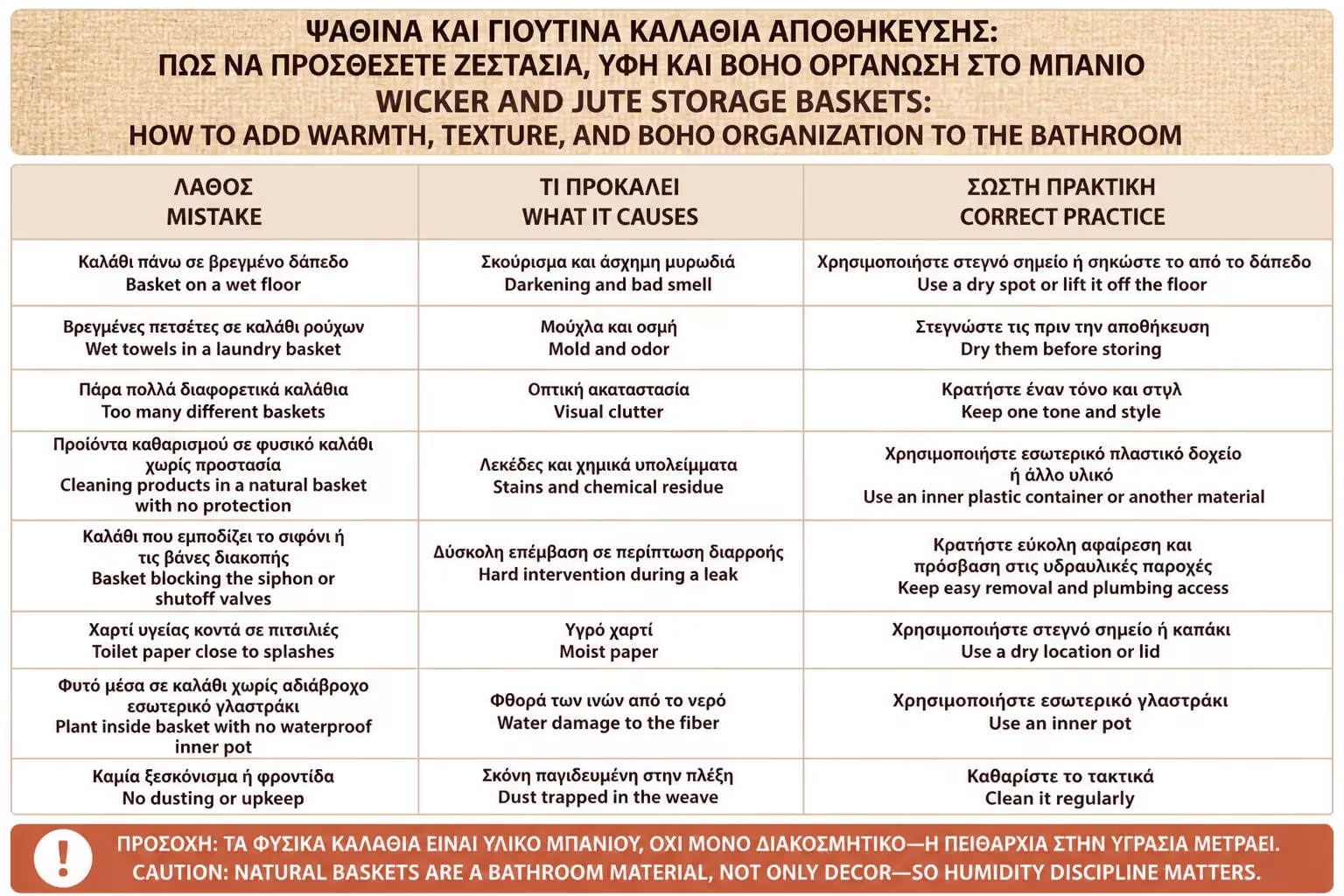
Most mistakes are made because baskets are treated as mere decoration and not as a material within a wet space. The result can be beautiful at first, but quickly deteriorates if there is no proper use.
A typical example is the beautiful jute basket that goes next to the laundry tub and receives daily wet towels. In a few weeks it starts to smell and turn black at the base. The correct solution would be a basket with a fabric lining, better ventilation and not storing wet fabrics.
| Error | What does it cause? | Correct practice |
|---|---|---|
| Basket on wet floor | Black spots and smell | Dry position or elevation |
| Wet towels in laundry basket | Mold and stench | Drying before storage |
| Too many different baskets | Visual clutter | Common shade and style |
| Cleaners in a natural basket without protection | Stains and chemical residues | Plastic inner container or other material |
| Basket blocking siphon/valves | Difficult leak operation | Easy removal |
| Toilet paper near splashes | Moisture on the paper | Dry spot or cap |
| Plant in a basket without waterproof protection | Water in the fiber | Inner planter |
| No maintenance/dusting | Dust in knitting | Regular cleaning |
Natural baskets are not the right solution everywhere. If the bathroom is very humid, not ventilated, the floor gets wet often, or there are small children splashing water, you may need a more durable material. Aesthetically pleasing plastic baskets, acrylic boxes or rust-proof metal baskets may be more practical.
If you store cleaners, prefer washable plastic or acrylic. If you store liquid products, prefer material that does not absorb. If you store heavy items, prefer a sturdy box or cabinet. Natural fiber is beautiful, but not always the most durable.
If you want a boho look in a difficult bathroom, you can use natural baskets only in dry areas and more practical materials in wet areas. For example, jute basket with paper rolls on a shelf, but plastic basket for cleaners under the sink. So you have aesthetics and functionality.
The right choice is not "all natural". It is "natural where it endures, practical where it is needed".
| Inquiry | Yes / No |
|---|---|
| Will the basket fit in a dry zone of the bathroom? | Yes / No |
| Does the material withstand the humidity of the specific area? | Yes / No |
| Does the basket not rest on a floor that gets wet often? | Yes / No |
| If it is for unwashed, is it vented or fabric lined? | Yes / No |
| Won't wet towels go in for hours? | Yes / No |
| If it's for toilet paper, is the spot free of splashes? | Yes / No |
| If it's for towels, will the towels stay dry? | Yes / No |
| Does the basket come out easily if there is a siphon or valve behind it? | Yes / No |
| Is the knitting easy to clean from dust? | Yes / No |
| Do the baskets have a common aesthetic and don't they look random? | Yes / No |
| Is there a maintenance and ventilation plan? | Yes / No |
If the answer is “No” to moisture, ventilation or access, don't buy yet. The basket should make the bathroom more beautiful and more functional, not become a new source of smell or hidden moisture.
Baskets made of wicker, jute and natural fibers are great for warming up the image of the bathroom, but they should not be treated like plastic containers. They want a dry place, ventilation and proper use. Do not put wet towels in a natural basket, do not leave it on a wet floor and do not use it for cleaners without internal protection. If the basket hides a siphon or valves, it must be easy to remove. The beauty of the boho style is only worth it when it does not create a moisture problem.
Wicker, jute, seagrass and bamboo storage baskets are among the simplest ways to add warmth, natural texture and boho character to the bathroom. They can organize laundry, clean towels, toilet paper rolls, small items and supplies, while also acting as decorative elements. In a space full of tile, glass and metal, the natural weave makes the image calmer and more welcoming.
Their success depends on proper placement and use. Natural baskets must be kept away from standing water, ventilated, cleaned and not filled with wet fabrics. For unwashed items, ventilation is needed and ideally an inner lining. A dry spot is needed for paper rolls. Towels need clean and dry storage. For cleaners, a more practical, washable material is often better.
With a few well-chosen baskets, a common color palette and the right combination with towels, plants, wooden shelves and uniform dispensers, the bathroom can instantly acquire a more natural, organized and boho-spa character. The point is not to fill the space with baskets, but to use them where they add real value: organization, texture and warmth, without sacrificing hygiene.
Return to category.
Go to categoryReturn to the central guide.
Go to guide