The Aesthetics of "Spa" at Home: Materials, Textures and
Details for Ultimate Relaxation
In the modern, stormy pace of life, our home has become the ultimate
refuge and the bathroom, in particular, the only place where we can
"lock" the outside world. Turning the bathroom into a home spa
is no longer a luxury trend for the few; it is a conscious investment in
our mental and physical health.
A real spa is not about showing off or impressing. It is based on the
stimulation of the senses and the removal of stress. To achieve this
architecturally, we need to get away from the cold, hospital feel of old
bathrooms and focus on materials that offer warmth, water quality and
the right ambient lighting.
Here's the technical and design guide to bringing the experience of a
5-star resort into your own home.
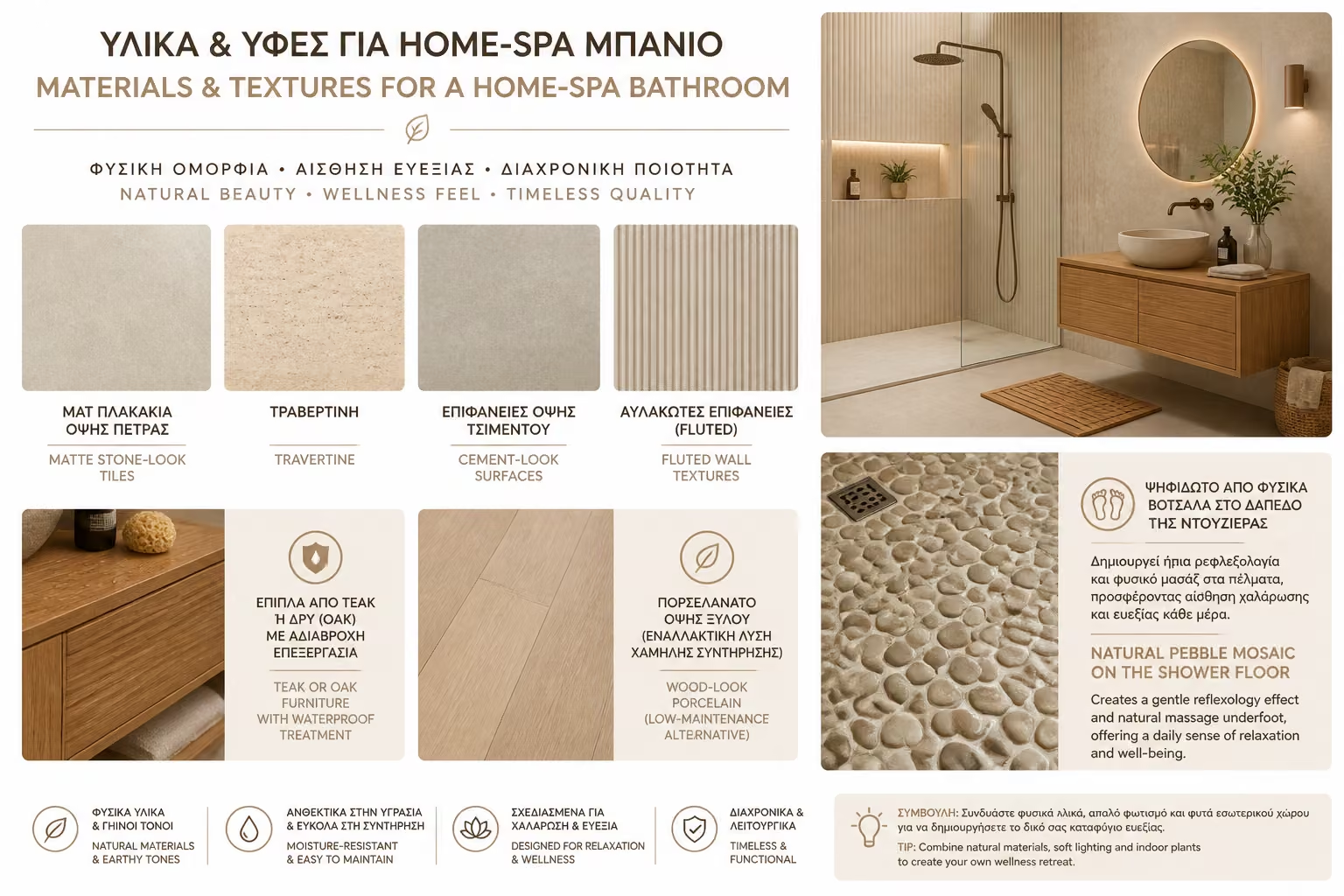
1. Tactile Experience: Materials and Textures that "Calm"
In a spa, touch plays a leading role. Every surface you touch—or step
on with your bare feet—must exude naturalness and warmth.
Matte and Embossed Surfaces
Replace overly shiny, reflective tiles with matte textures, natural
stone look tiles, cement mortar or travertine. The embossed surfaces
(textured or fluted panels) on the walls create beautiful shadows
and break the monotony.
The Warmth of Wood
Wood is the quintessential spa material (think saunas). Use natural
wood furniture (teak, walnut or oak) treated with waterproof oils.
If you're afraid of real wood, contemporary wood-look granite tiles
offer incredible realism without the maintenance requirements.
Pebbles in the shower
A great technique is to install a mosaic of natural pebbles on the
floor of the shower. Beyond the aesthetic part, it offers a gentle,
refreshing reflexology massage on your feet during the shower.
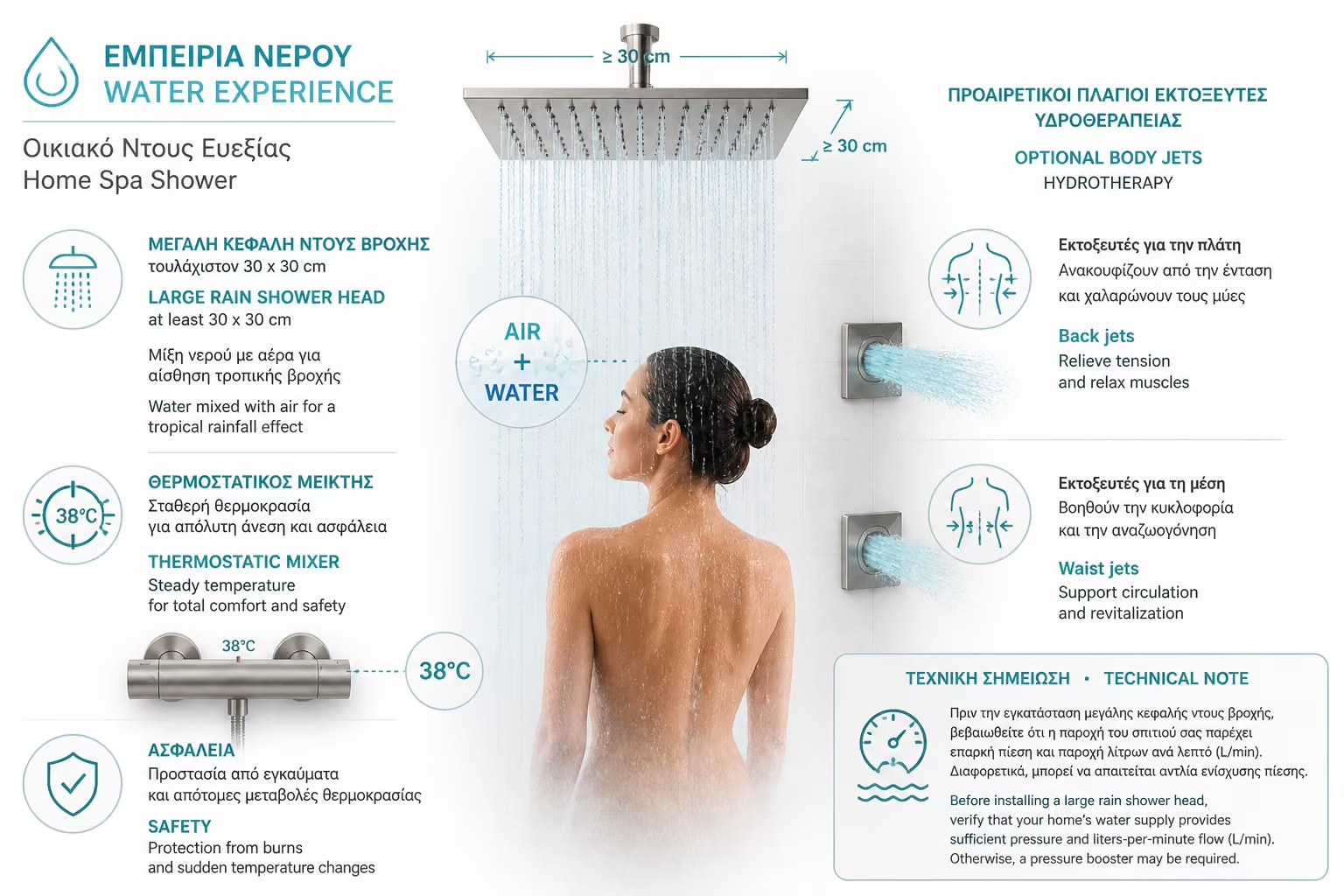
2. The Experience of Water: From Simple Washing to Hydrotherapy
Water is the center of the spa (after all, the word SPA comes from the
Latin Sanitas Per Aquam – Health through Water). The shower equipment
needs to be upgraded.
Rain Shower Heads
A large, built-in ceiling head (at least 30x30 cm) that mixes water
with air creates the feeling of a soft, tropical rain. It is the
basis for relaxing the neck and shoulder muscles.
Thermostatic Mixers
Forget "turn off the water because I got burned" because
someone turned on the faucet in the kitchen. Thermostatic batteries
keep the water temperature exactly constant (e.g. at 38°C)
throughout the shower, offering safety and uninterrupted relaxation.
Wall Hydromassage Systems (Body Jets)
If space and water pressure allow, 2 or 3 built-in body jets at back
and waist level can turn the daily shower into a therapeutic
massage.
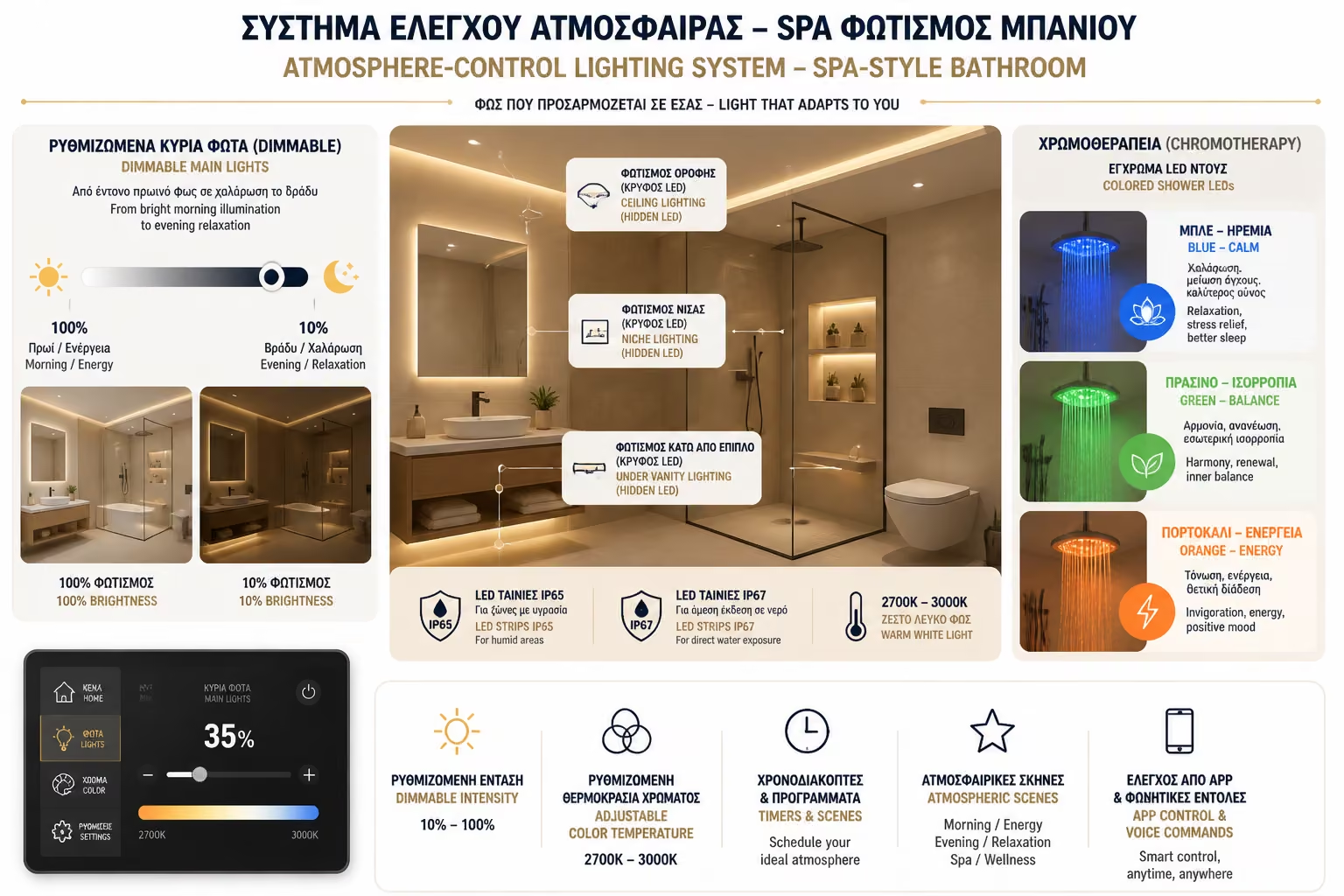
3. Lighting and Color Therapy: Controlling the Atmosphere
Bright, white light is the enemy of relaxation. In the home spa we
need indirect, "soft" lighting that rests the eyes.
Dimming
All main bathroom lights should be dimmable. So in the morning you
can have a bright light to wake up to, but in the evening you can
lower it to 10% for a relaxing bath.
Hidden Lighting 🌙
Place waterproof LED strips (IP65/IP67) in a warm shade (2700K -
3000K) under the furniture, in recesses (shampoo niches) or around
the ceiling.
Color therapy in the shower
Modern shower heads have built-in LED lights that change colors
depending on your mood (eg blue for calm, green for balancing,
orange for energy).
4. The Small Details That Make the Difference
The feeling of the spa is hidden in the details that we often neglect
during construction.
Electric towel rails
There is nothing more delightful than stepping out of the shower and
wrapping yourself in an already warm, fluffy towel. They also act as
a bathroom heater, keeping towels dry and free of damp smells.
Hidden Storage Space
"Zen" requires order. The dozens of shampoo bottles,
toothbrushes and hair dryers in plain sight destroy the tranquility
of the space. Make sure there are large, closed cupboards so that
the counters are completely clean.
Aromatherapy & Nature
Create a permanent location for an essential oil diffuser (lavender
or eucalyptus). Hang a few sprigs of fresh eucalyptus in your
shower—the warm steam will release its healing oils, clearing your
breath.
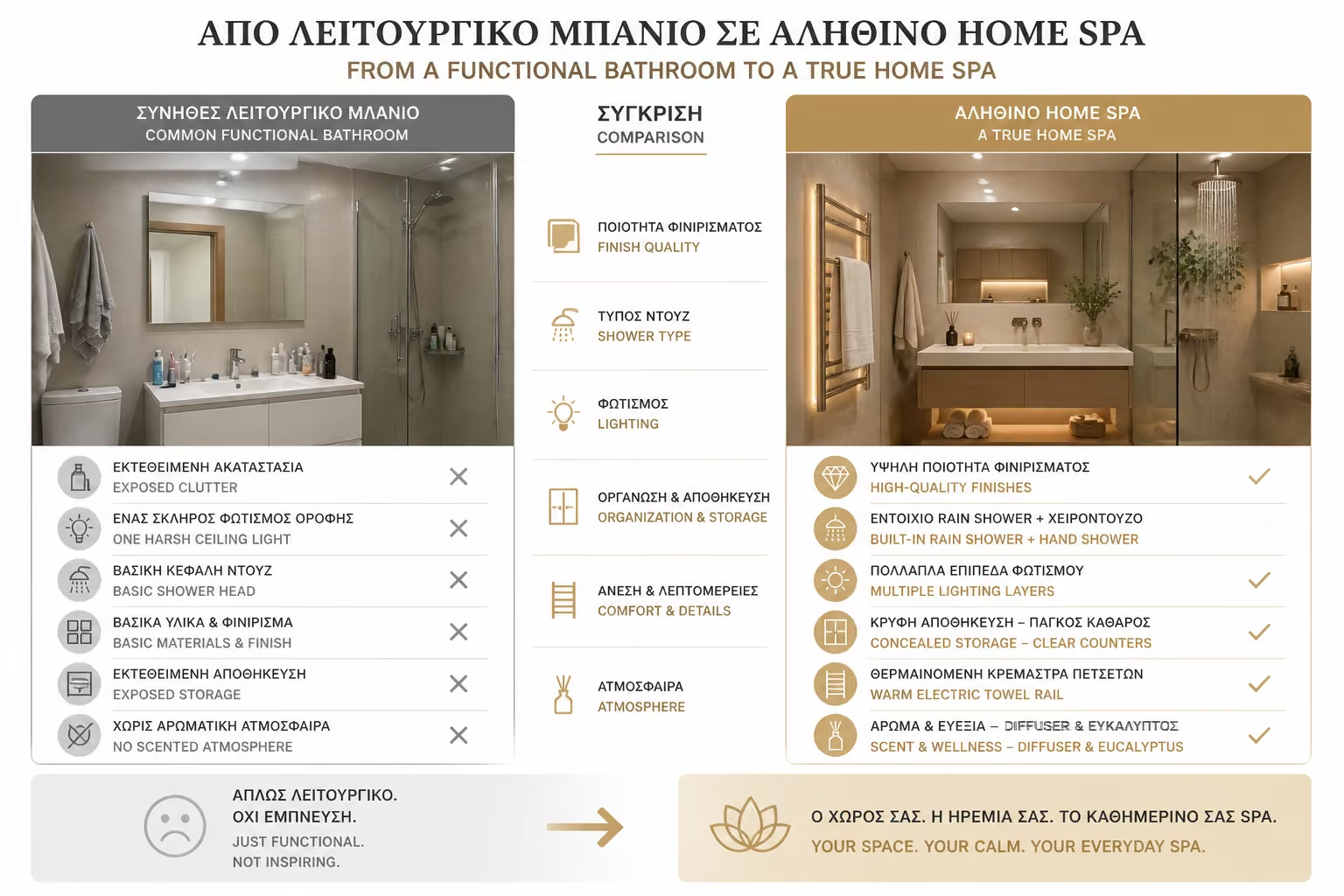
Comparison: Shared Bathroom vs. Home Spa
Feature
Shared Bathroom
Bathroom with Aesthetic Spa
Surface Finishing
Shiny tiles, bold joints.
Matte, embossed textures, stone, wood.
Shower type
Classic spiral shower phone.
Large rain head + Thermostatic battery.
Lighting
A central, powerful ceiling light.
Multiple levels (hidden lighting, dimmers).
Organization
Products displayed on the counters.
Minimal, hidden storage spaces.
> ⚠️ The Engineer's Tip: Before buying a huge rain shower head, ask
your plumber to measure the pressure (bar) and flow (litres per minute)
of the water in your home. These heads need a large supply of water to
function properly. If your mains pressure is low, the water will drip
weakly and the spa experience will "walk". In such cases, the
installation of a pressure assembly in the central supply is necessary.
In the next article in this series, we'll talk about the most powerful
pre-construction error prevention tool: The Value of 3D Design
(Photorealism). You'll see why you should never allow the contractor to
break a single tile unless you've first seen your bathroom captured in
3D, high-resolution digital format.