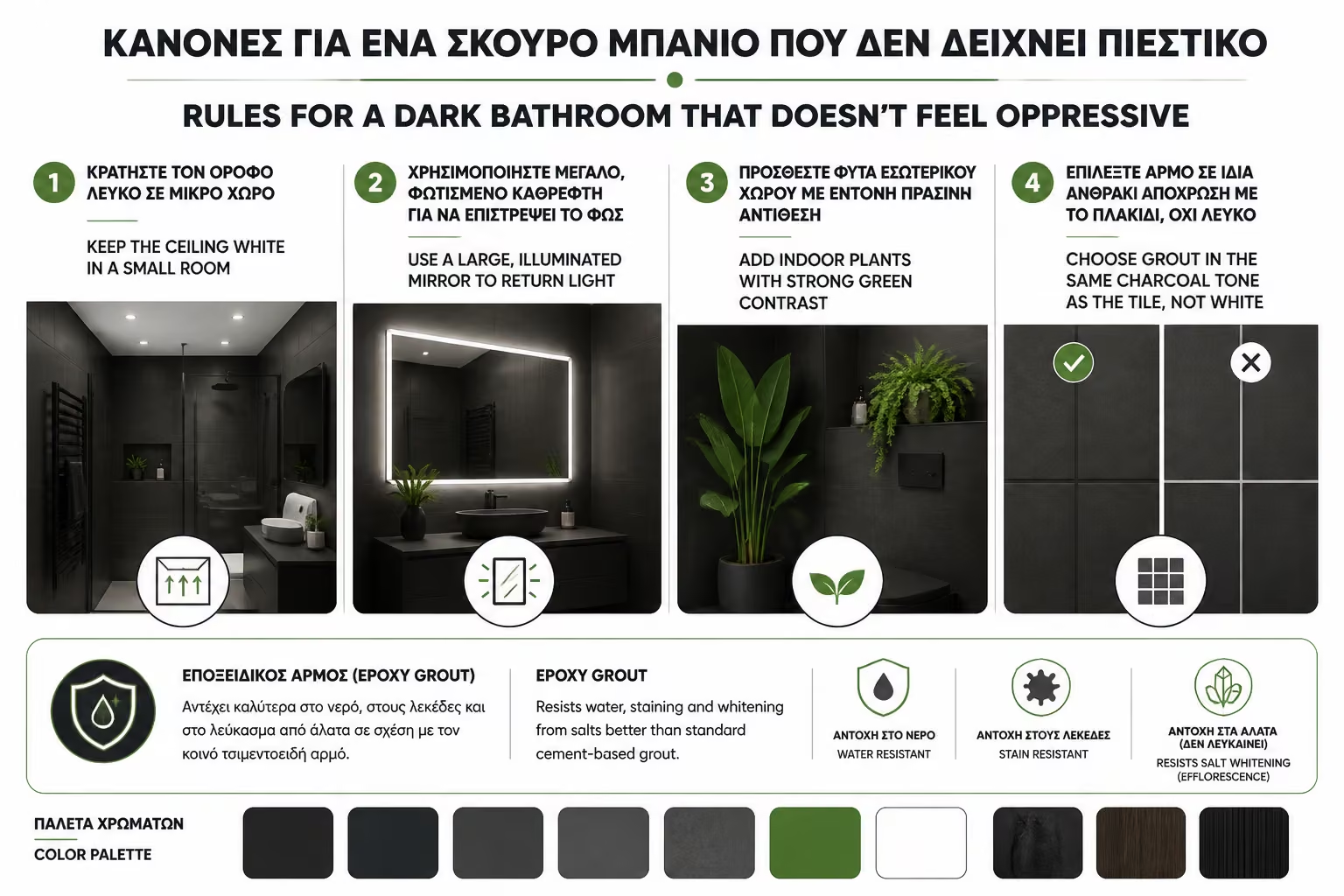
Not in the Sole Central Light
A single fixture on the ceiling will create sharp, scary shadows in the corners.
If you ask ten people about dark colors in the bathroom, nine will tell you the same thing: "Don't do it, it will look like a shelter, it will make the space smaller and every drop of water will be visible." It's classic, safe advice.
However, modern interior design trends dispel this myth. Dark colors—matte black, deep charcoal, navy blue, and forest green—don't necessarily make a room smaller. On the contrary, they have the ability to erase the corners and boundaries of the space, creating an incredible sense of depth, intimacy and theatrical luxury. A dark bathroom isn't just a place to wash; it's a statement room.
But for such an undertaking to succeed without ending up claustrophobic, you need to follow some strict rules for managing light and materials.
In a white bathroom, the light reflects off the walls and diffuses everywhere, forgiving mistakes. Dark colors, however, absorb light. This means that a dark bathroom needs twice the lighting study than a light one.
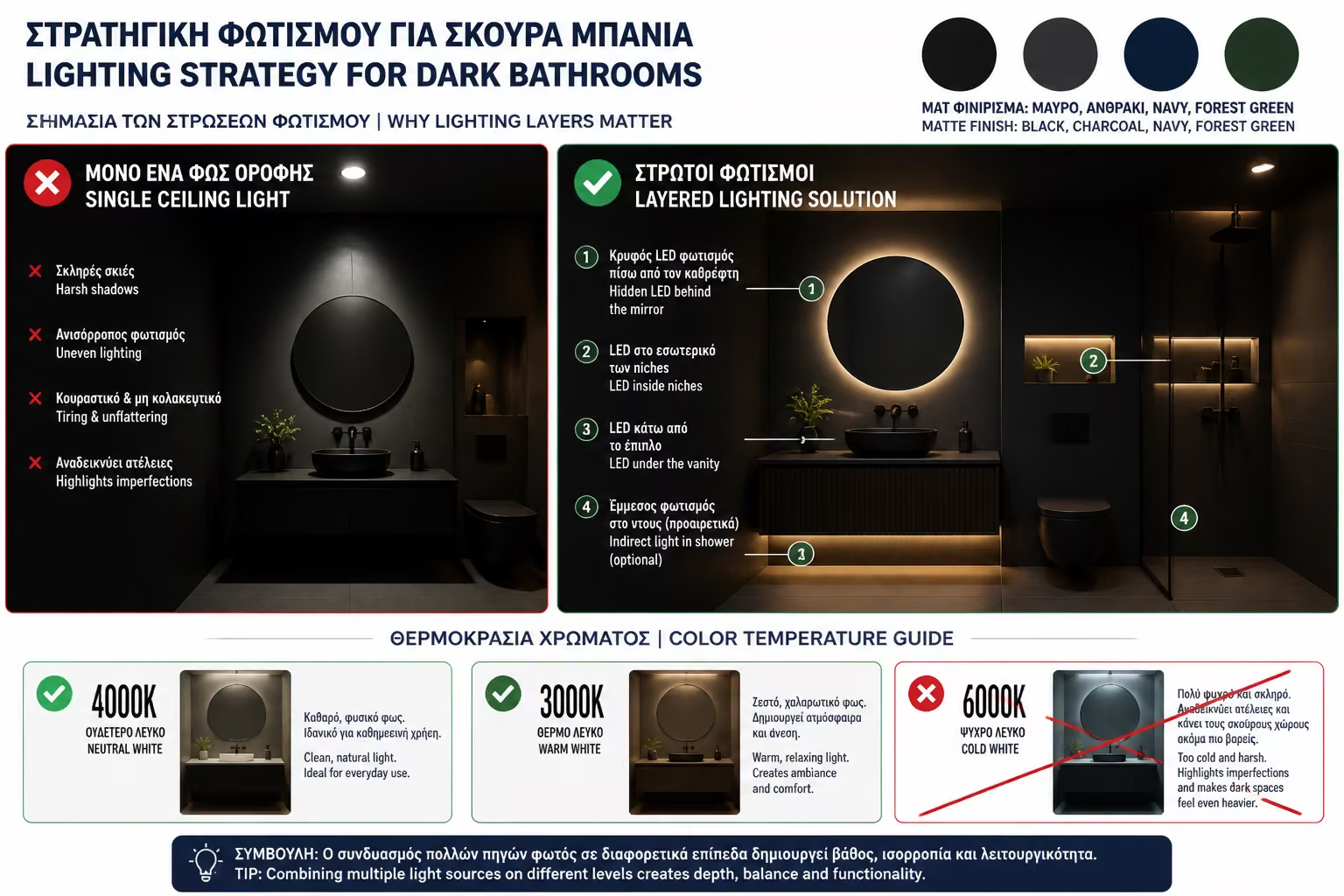
A single fixture on the ceiling will create sharp, scary shadows in the corners.
Use hidden LED strips behind the mirror, under the furniture or in built-in niches. This lighting "bathes" the dark walls, highlights their textures and gives the feeling that the surfaces are moving away.
Choose strictly neutral white light (4000K) or warm white (3000K). Very cold light (6000K) on a dark background will create a harsh, unwelcoming environment.
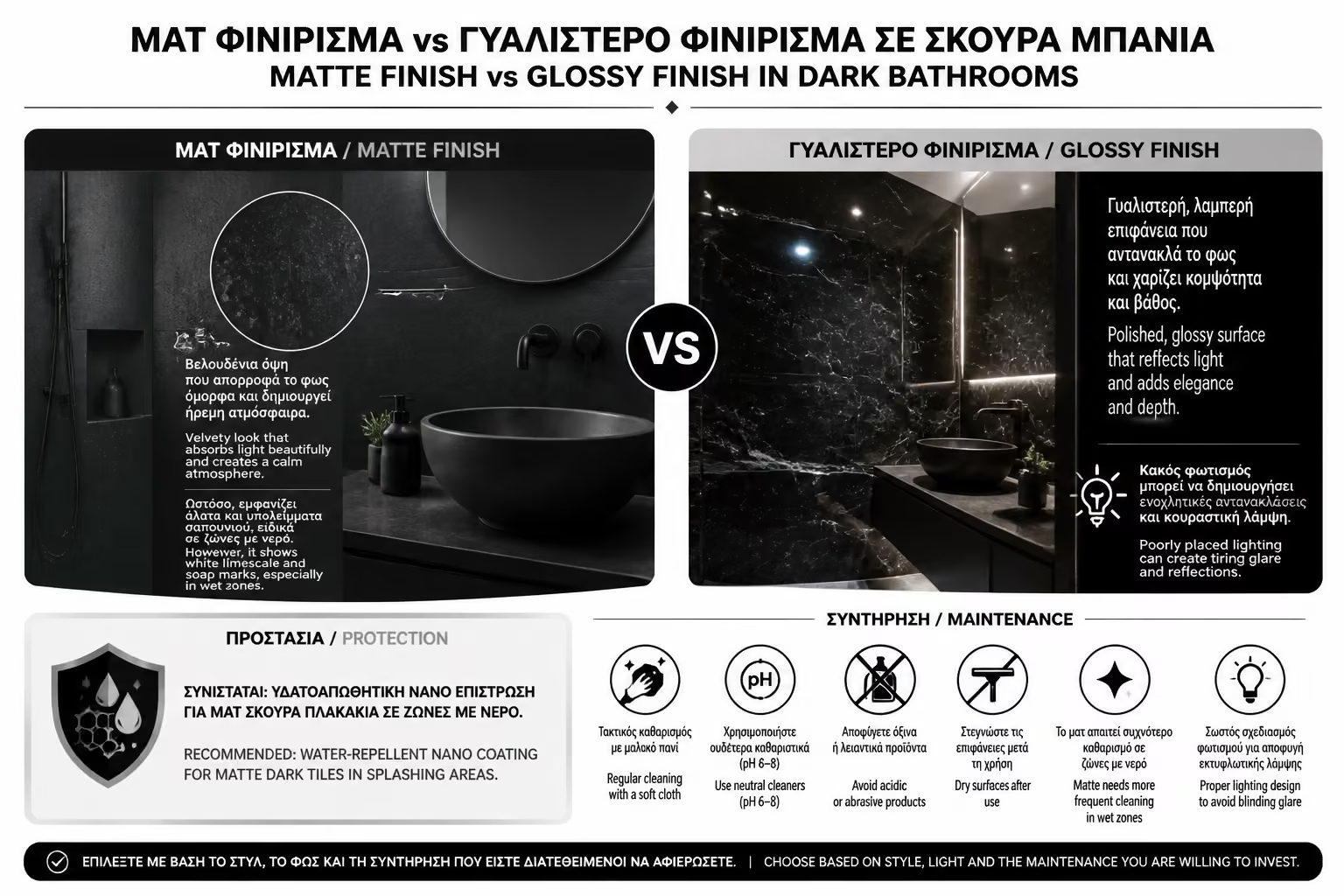
The choice of finish on the dark materials is decisive, both for aesthetics and for maintenance.
Matte black or charcoal completely absorbs the light, offering an extremely modern, plush and minimal effect.
Water salts and soaps are white. On a matte, black surface (tile or battery), the salts throw a "party".
If you choose matte dark tiles, limit them to the walls that are not in direct contact with water and use the appropriate protective liquids (nano-coating) that repel water.
Dark glossy tiles (or marble type with intense white water) act as mirrors. They reflect light, giving shine and vitality.
Reflections can sometimes become excessive and tire the eye if the lighting is not properly positioned.
A 100% black or gray bathroom can look drab and "dead". It needs elements that will give it life and warmth.
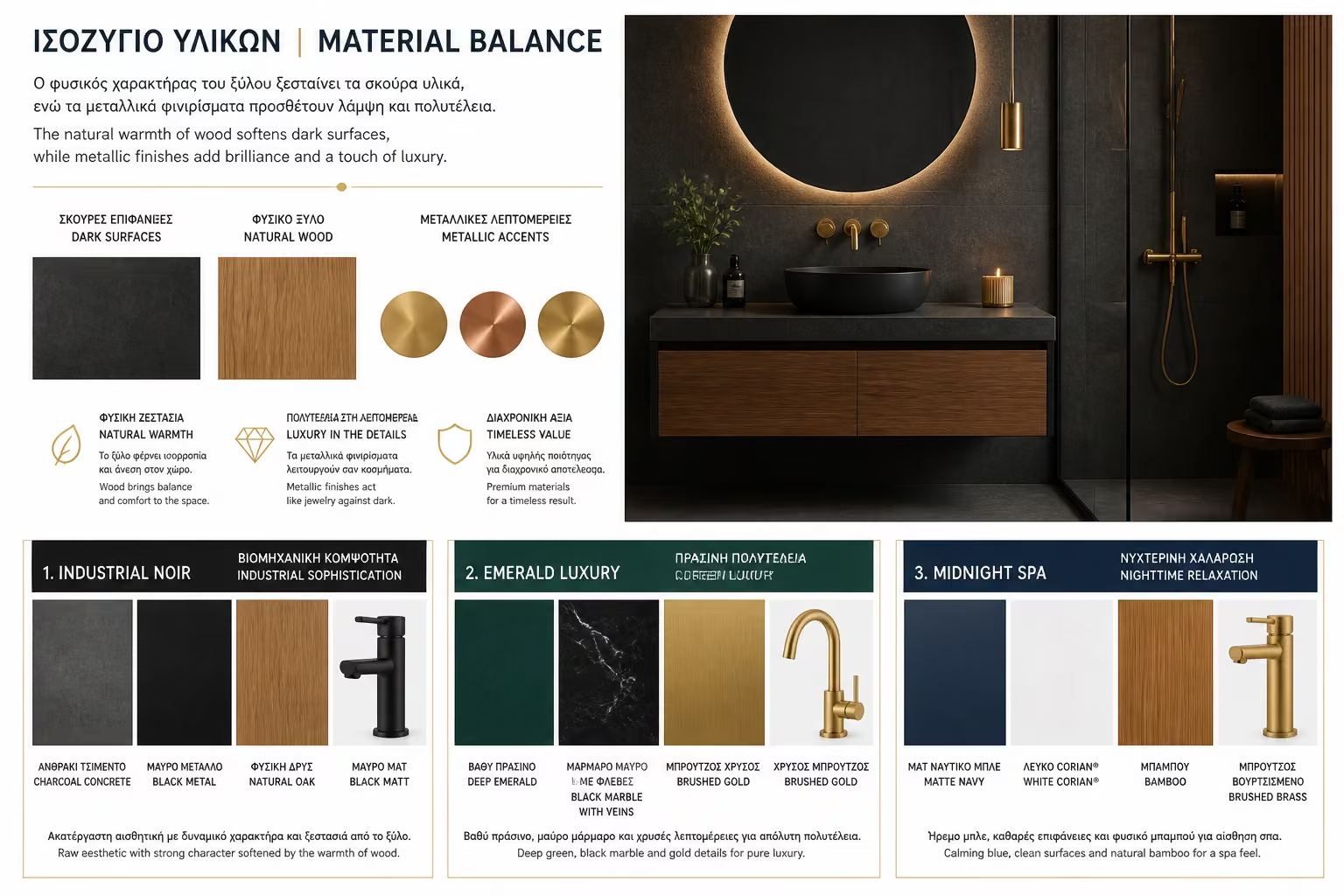
Natural wood (e.g. a walnut or oak vanity unit) "breaks" the coldness of the dark wall, creating a wonderful, organic contrast.
Brushed gold, copper and brass are dark colors' best friends. A gold battery on a charcoal background looks ten times more impressive than a white one.
| Style | Dominant (60%) | Secondary (30%) | Emphasis (10%) | Result |
|---|---|---|---|---|
| Industrial Noir | Anthracite Cement Mortar | Black Metal / Glass | Natural Wood (Oak) | Industrial, masculine, urban |
| Emerald Luxury | Deep Green (Emerald) | Black marble with veins | Brushed Gold (Batteries) | Royal, theatrical, timeless |
| Midnight Spa | Navy Blue (Matte) | White Corian (Basin) | Natural Bamboo / Plants | Relaxing, nautical, sophisticated |
> ⚠️ Engineer's Tip: On dark tiles, grout plays a huge role. Never use white putty on black tile (unless you want a very bold retro grid). Choose putty in exactly the same shade as the tile (e.g. charcoal gray) and prefer epoxy putty. Epoxy stucco does not absorb water, does not stain and will not whiten from salts over time.
Return to category.
Go to categoryReturn to the central guide.
Go to guide