Key Features
Clean, strict geometric lines, wall-hung furniture and built-in batteries. Everything is hidden behind single cabinet fronts.
When you start designing or renovating a bathroom, choosing a style is not just a decision of "which tiles appeal to the eye". The decorative style (design style) is the guide that will determine everything: from the type of sanitary ware and the metals of the batteries, to the way the space will be lit and the materials that will last over time.
In interior design, trends do not come and go like in clothing fashion. They evolve based on the way we live. Today, the bathroom has ceased to be a strictly utilitarian space and has turned into a "sanctuary" for personal care.
Let's analyze the top 5 bathroom decoration trends, examining both their aesthetics and their technical application.
Minimal style does not mean an empty, boring bathroom. It means removing all unnecessary "visual noise" for the purpose of absolute mental peace.
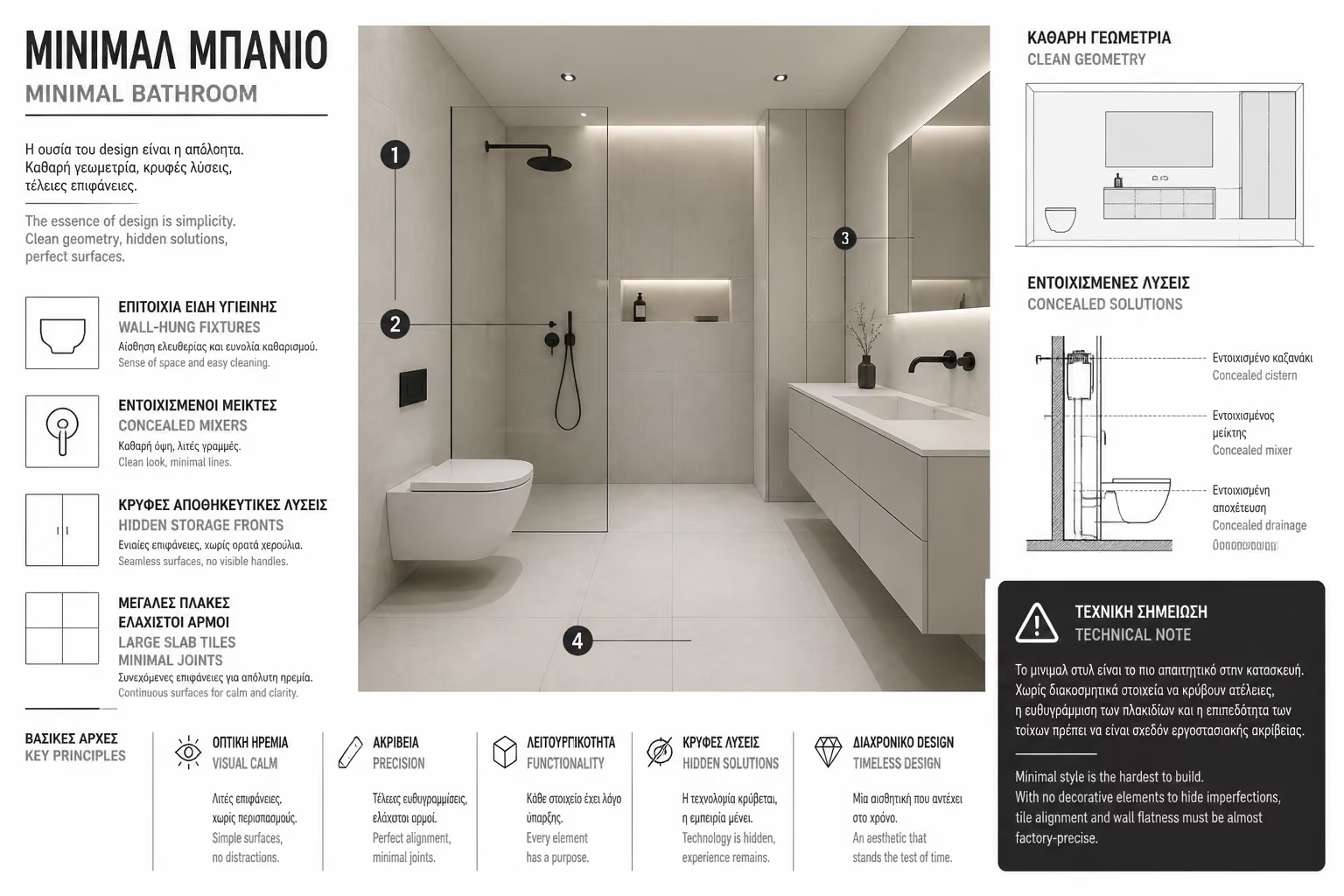
Clean, strict geometric lines, wall-hung furniture and built-in batteries. Everything is hidden behind single cabinet fronts.
Monochromatic palette (white, gray, black). Use of large slabs with minimal joints to create uniform surfaces.
Minimal is the most difficult style to build. Because there are no decorative elements to "hide" imperfections, tile alignments and plasters must be factory-accurate.
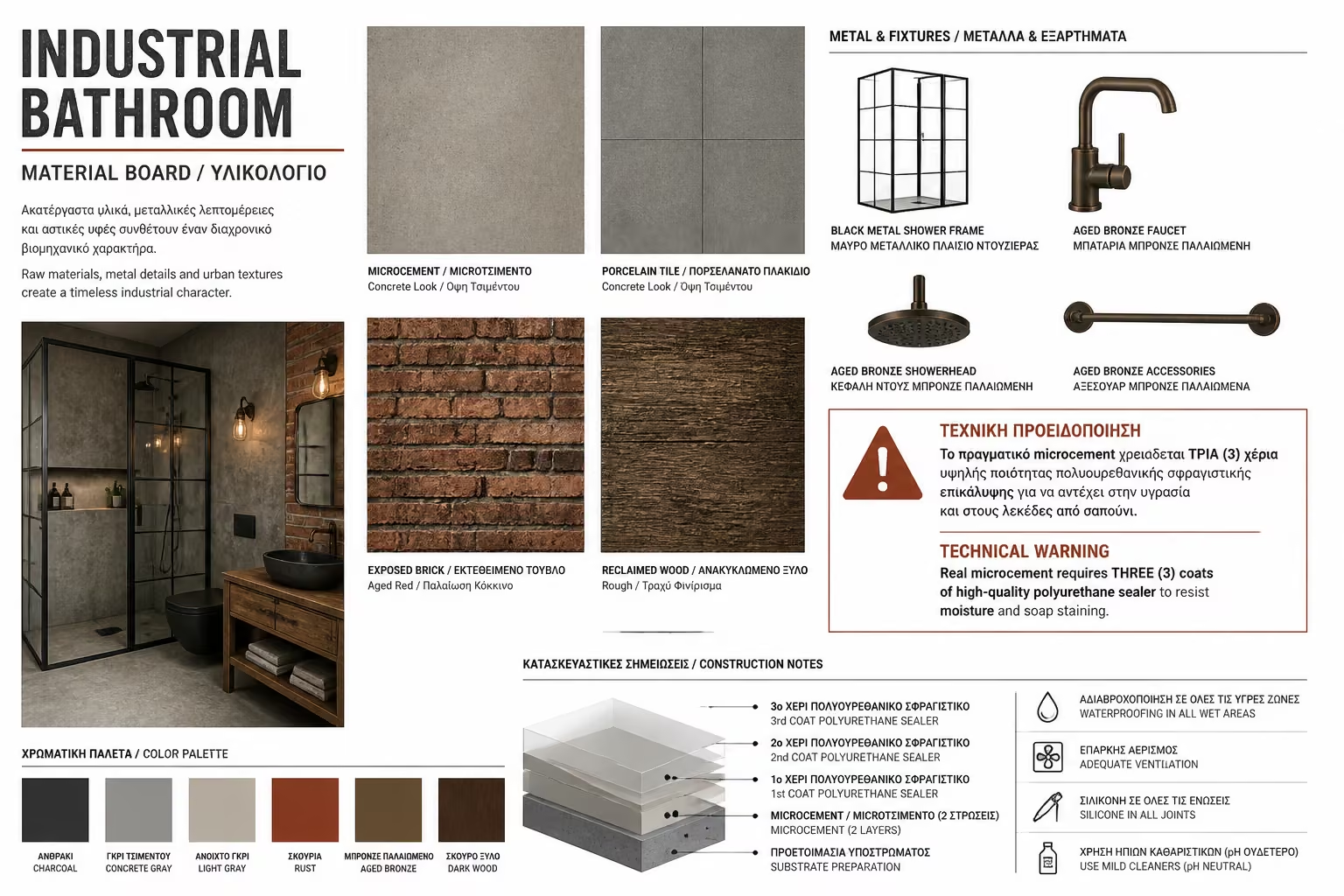
Inspired by the lofts of New York, the industrial style combines the hardness of building materials with modern urban aesthetics.
Obvious elements (such as pipes or concrete patterns), black metal profiles in the showers and strong contrasts.
Pressed cement mortar (or cement-look tiles), dark metals (matt black, antique bronze) and raw wood or brick details.
If you choose true pressed cement for the walls or floor, make sure the technician applies a high-quality 3-coat polyurethane varnish to prevent moisture absorption and soap stains.
Japandi has been the absolute ruler of recent years. It marries the warmth and functionality of Scandinavian design (hygge) with the inner peace and imperfection of Japanese philosophy (wabi-sabi).
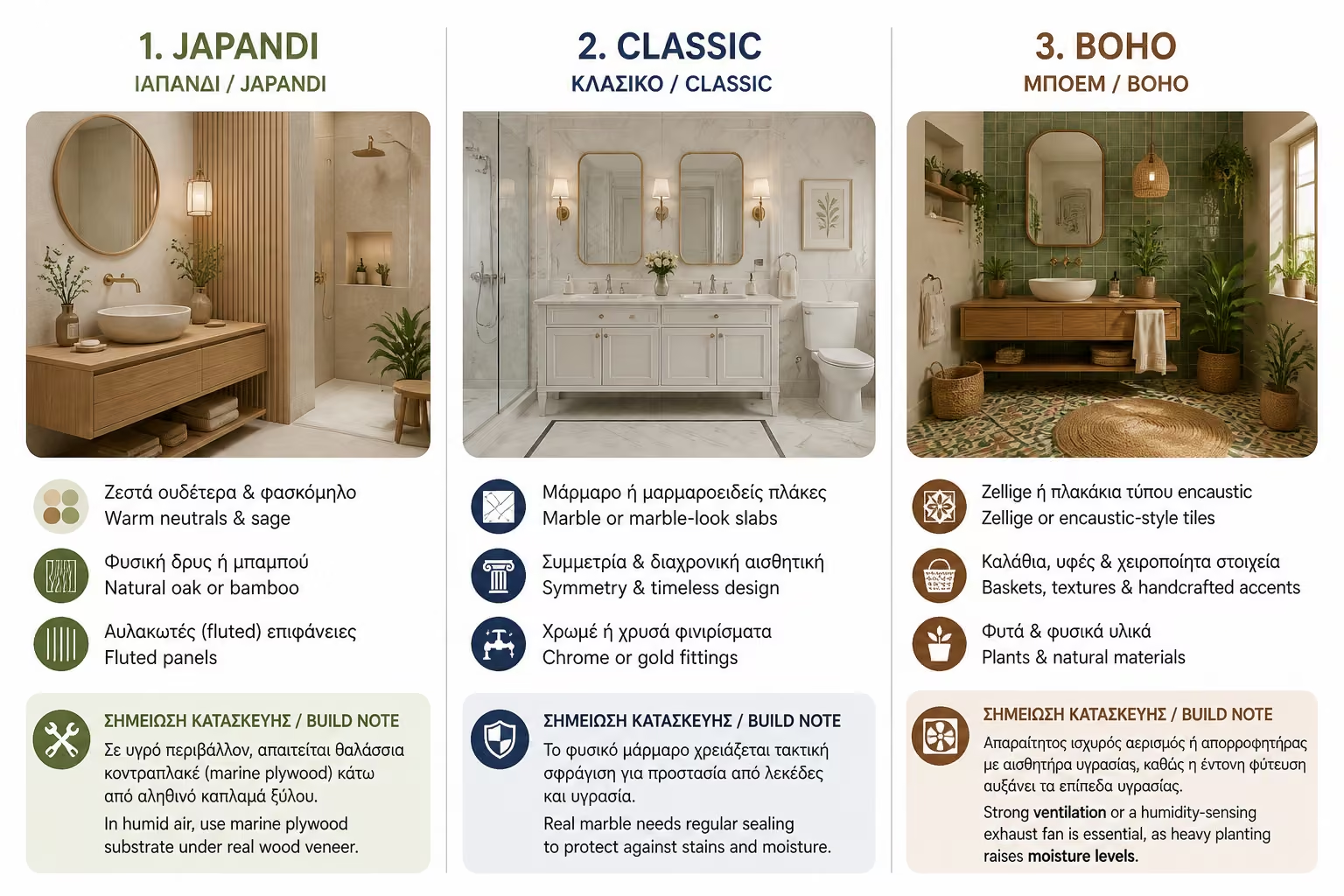
Organic forms (rounded washbasins, oval mirrors), low furniture and an emphasis on natural elements.
Warm, earthy shades (beige, cream, terracotta, soft sage green). Use of natural wood with visible grain (oak, bamboo) and wall coverings with vertical wooden slats (fluted panels).
The wooden elements in a Japandi bathroom must be made exclusively of Marine Plywood with natural veneer, so that they do not rot from water vapor.
Classic style never goes out of style. It is aimed at those who want their bathroom to exude nobility, symmetry and timeless value.
Furniture with paneled doors, ornate mirror frames, symmetrical lighting (sconces on either side of the mirror) and freestanding clawfoot tubs.
White marble (or gres porcellanato tiles with Calacatta/Carrara marble look), polished chrome, gold or bronze taps with double switches (hot/cold).
If you choose natural marble, remember that it is a porous material. It requires annual waterproofing (sealant) and special attention, as the acids of the cleaners can "burn" it and lose its gloss.
Bohemian style is the joy of creativity. It is ideal for those who want a bathroom full of warmth, personality, color and textures.
A strong presence of indoor plants, handmade decorative elements, wicker baskets and a general feeling of relaxation.
Encaustic tiles with geometric or floral motifs, zellige tiles with an irregular glossy surface. In terms of color, warm neutrals dominate in combination with ochre, green and shades of sand.
The many plants in the Boho bathroom increase the relative humidity levels in the space. In such a bathroom, the existence of a window or a powerful, electric fan with a humidity sensor (hygrostat) is absolutely mandatory to avoid mold.
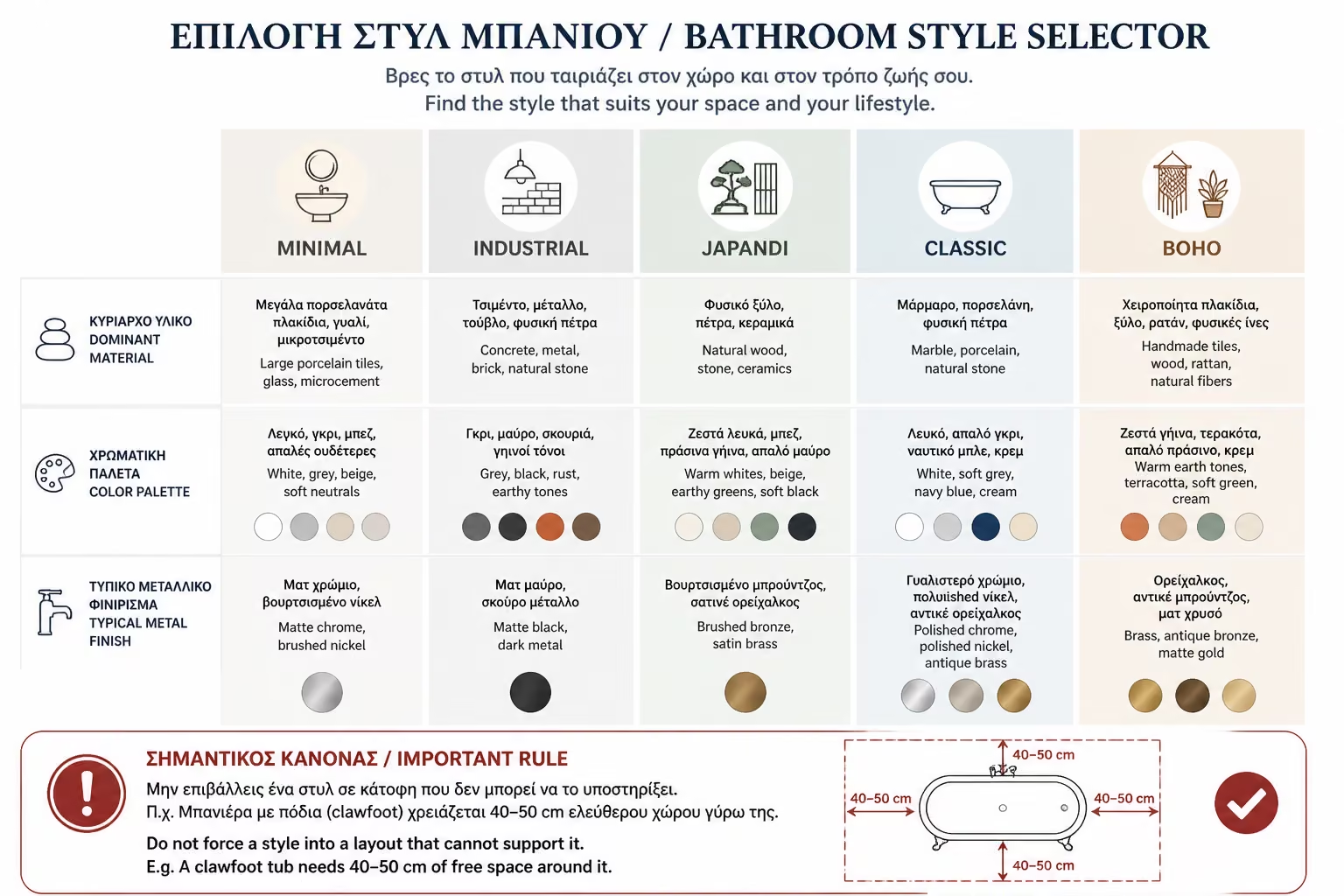
| Decoration Style | Dominant Material | Color Palette | Metal Type (Batteries) |
|---|---|---|---|
| Minimal | Large tiles (Slabs) | Monochrome (White/Grey) | Built-in Matt Black or Chrome |
| Industrial | Cement mortar / Concrete | Dark Grey, Anthracite, Brown | Matt Black / Gunmetal |
| Japandi | Natural Wood / Fluted Panels | Warm Neutrals, Sage, Cream | Brushed Gold / White Matt |
| Classic | Carrara Marble / Tiles | White, Beige, Navy Blue | Shiny Gold / Chrome |
| Boho | Zellige tiles / Wicker | Ochre, Terracotta, Green | Bronze / Copper |
> ⚠️ The Engineer's Tip: Don't try to cram a style into a layout that doesn't lift it. For example, a free-standing classic clawfoot bathtub needs at least 40-50 cm of free space all around to stand out and be easily cleaned. If you cram it from wall to wall in a small bathroom, the result will look wrong and you will suffer in terms of usability. Choose the style based on the actual square footage of your space!
In the next article in our category, we'll delve into a trend that's become a necessity: The At-Home "Spa" Aesthetic. We will see how the right equipment, hidden lighting and material textures can transform your everyday bathroom into a personal temple of well-being and relaxation.
Return to category.
Go to categoryReturn to the central guide.
Go to guide