Zone 0 & 1
The inside of the bathtub/shower and the space directly above them (up to 2.25 meters high). Any electrical device is prohibited here.
In the ideal architectural reality, each house would have a separate laundry room. In Greek residential reality, however, the washing machine—and often the dryer—almost always ends up in the bathroom. These are two bulky, "white devices" that take up valuable space, disrupt the aesthetic flow and, most importantly, bring the current into direct contact with the water.
Placing the washing machine in the bathroom should not be a random, last-minute decision ("where there is space left"). It requires strict technical planning, compliance with safety regulations and clever camouflage solutions so that the device does not "swallow" the functionality of your space.
The bathroom is the most dangerous zone of the house for electric shock. Based on the Greek and European standard for electrical installations (HD 384), the bathroom is divided into safety zones depending on the proximity to water:
The technical specification: The washing machine and its socket must be placed in Zone 3 (at least 60 cm away from the shower). The socket must be waterproof, with a protection index of at least IP44 (with cover), and be fed by an independent line directly from the electrical panel, protected by a residual current device (RCD).
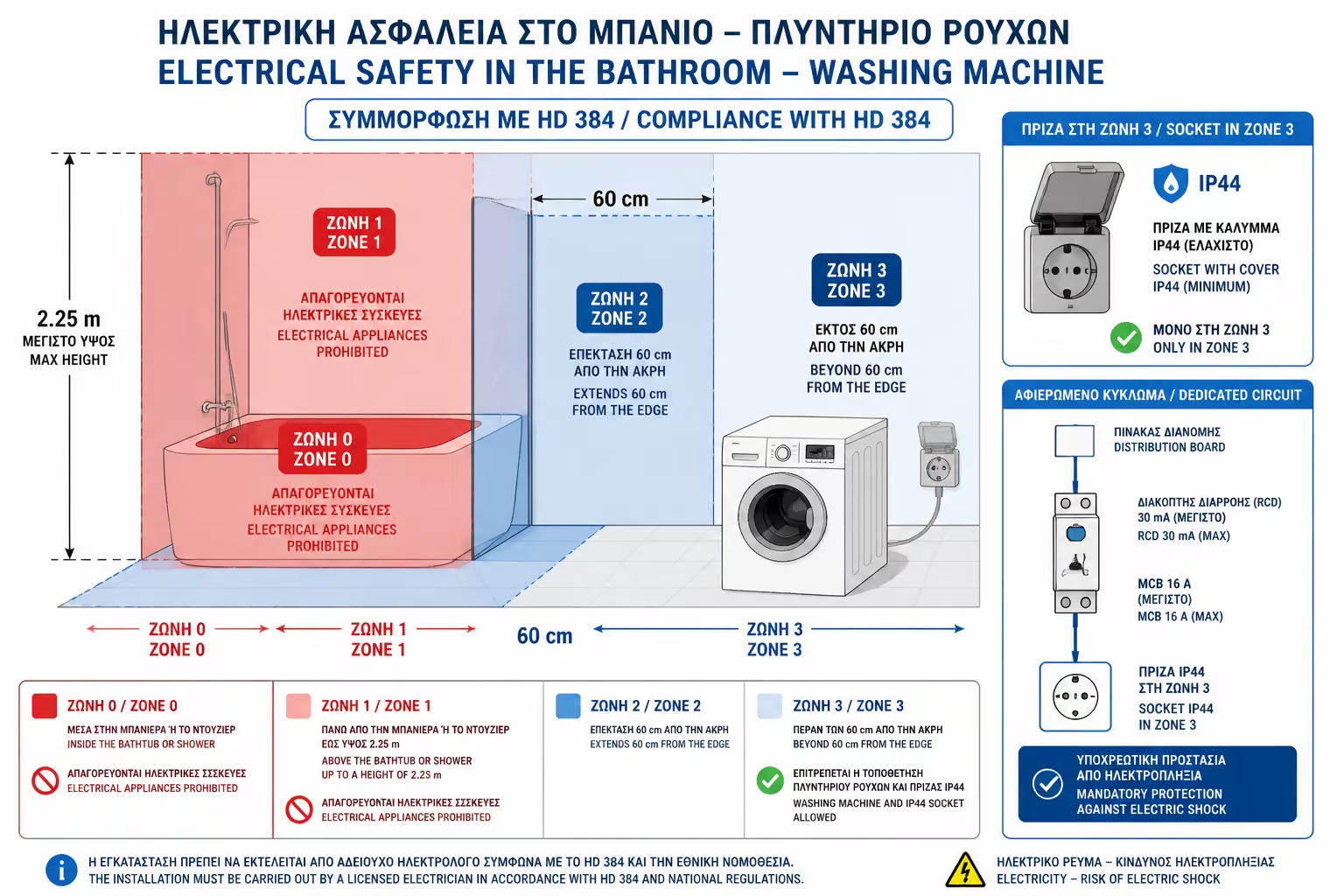
The inside of the bathtub/shower and the space directly above them (up to 2.25 meters high). Any electrical device is prohibited here.
The area within a radius of 60cm around the outer rim of the bath or shower.
The area beyond 60 cm.
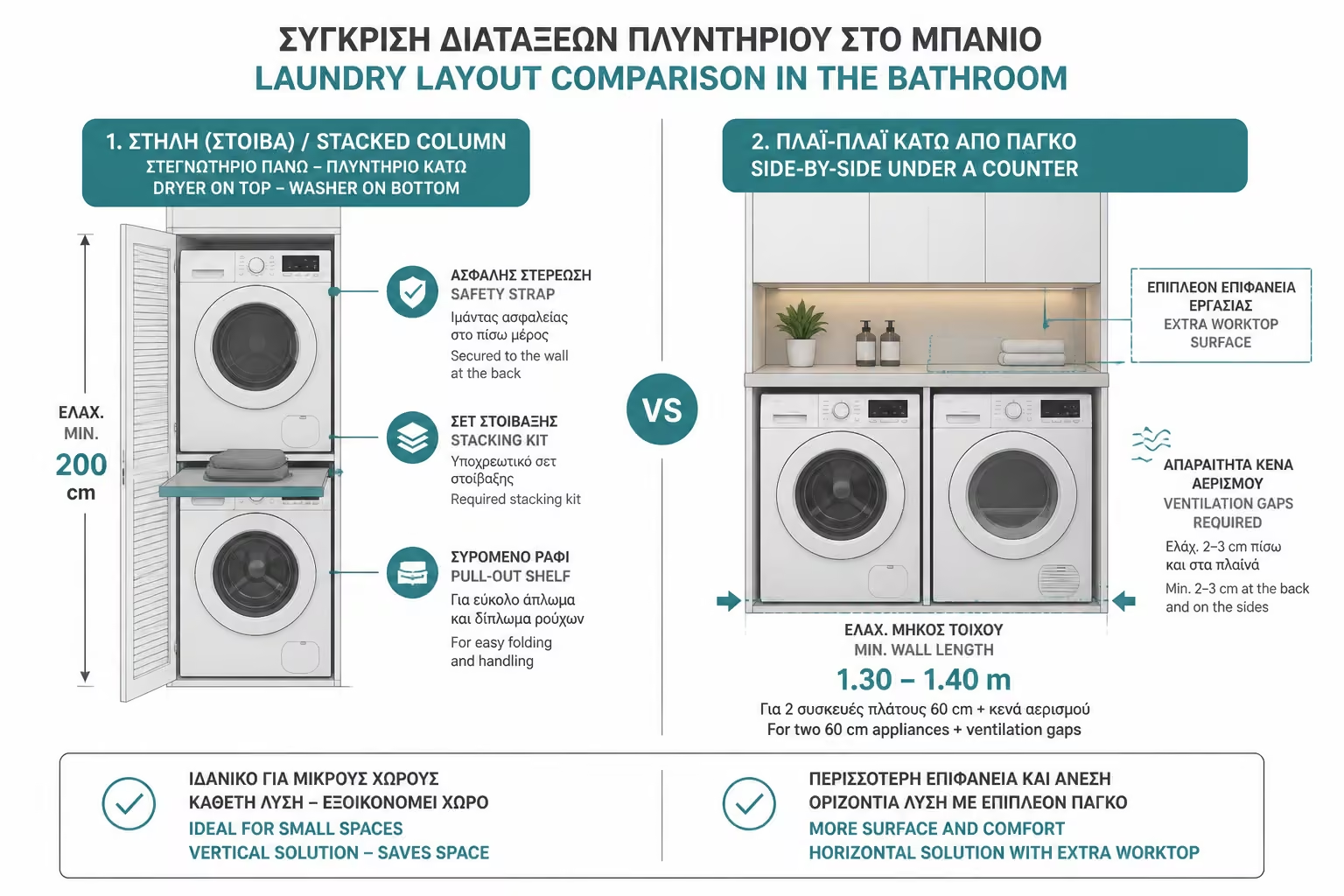
If you have (or plan to get) a dryer, there are two ways to place it:
The ultimate space-saving solution for small bathrooms. The dryer is placed on top of the washing machine (never the other way around, as the washing machine is much heavier and vibrates when spinning).
Don't just rest one device on top of the other. The use of a special connection kit (stacking kit) with safety strap is required. Many of these kits also have a built-in sliding shelf, which is used to rest the laundry basket on.
If the bathroom has a large, long wall, the two appliances can be placed next to each other, under a single, built-in or Corian counter that starts at the sink.
This solution gives you a huge, usable work surface in the bathroom. However, it requires a wall length of at least 1.30 to 1.40 meters for the devices alone (each device is approximately 60 cm wide, plus the necessary ventilation gaps).
If you don't want your bathroom to look like a communal washing machine in an apartment building, hiding the appliances is the only way to go.
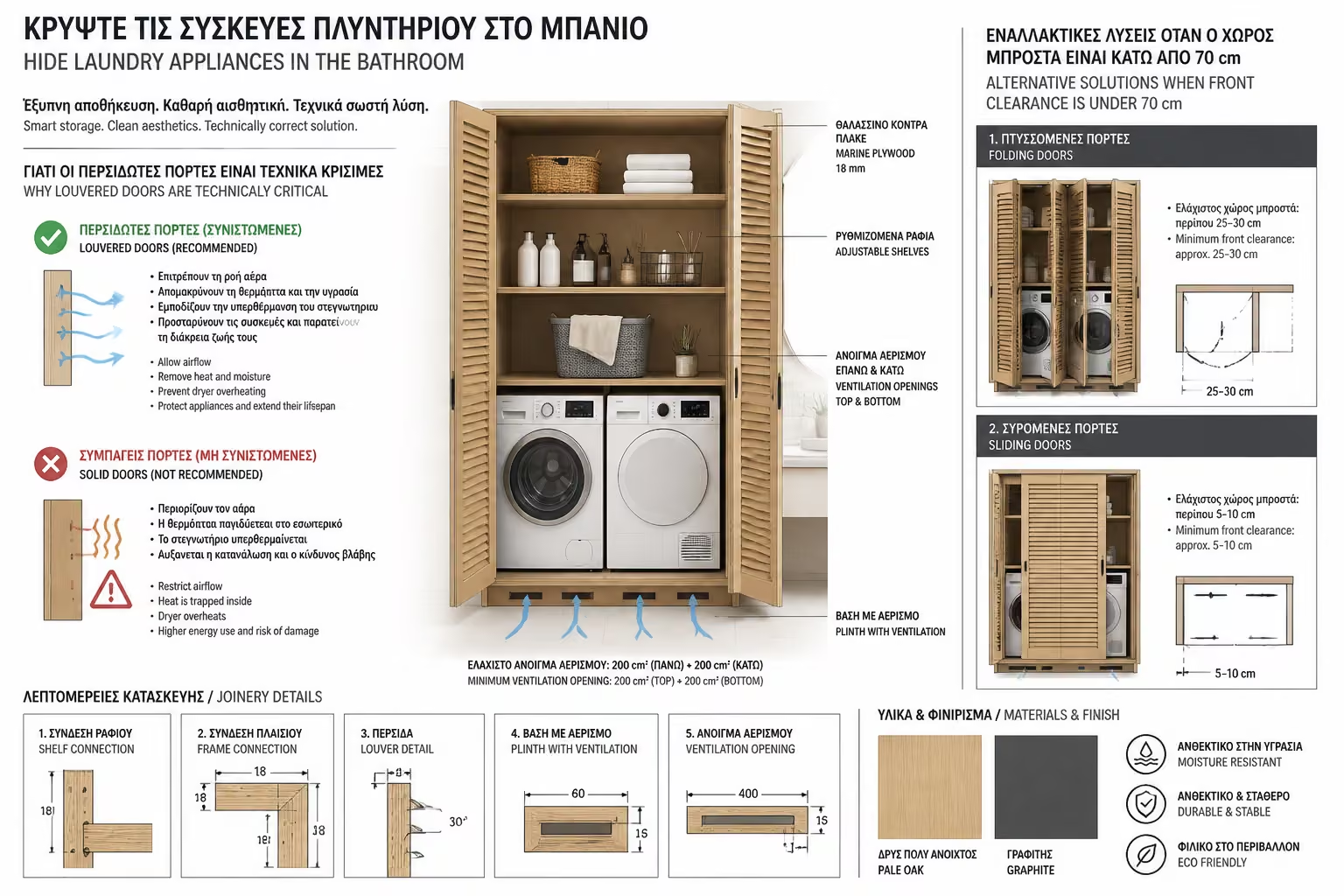
Build a custom cabinet out of Marine Plywood (moisture resistant) that will enclose the appliances. In the upper part of the wardrobe (above the washing machine) you can create shelves for detergents and unwashed clothes.
This is a critical technical secret. Dryers (even those with a heat pump) generate heat and need air recirculation. If you close them behind a solid, airtight door, the device will overheat and stop working. The louvered doors allow the space to "breathe".
If the space in front of the washing machine is narrow (less than 70 cm), a classic opening wardrobe door will get in the way. Prefer folding (book-style) or sliding doors that slide to the side.
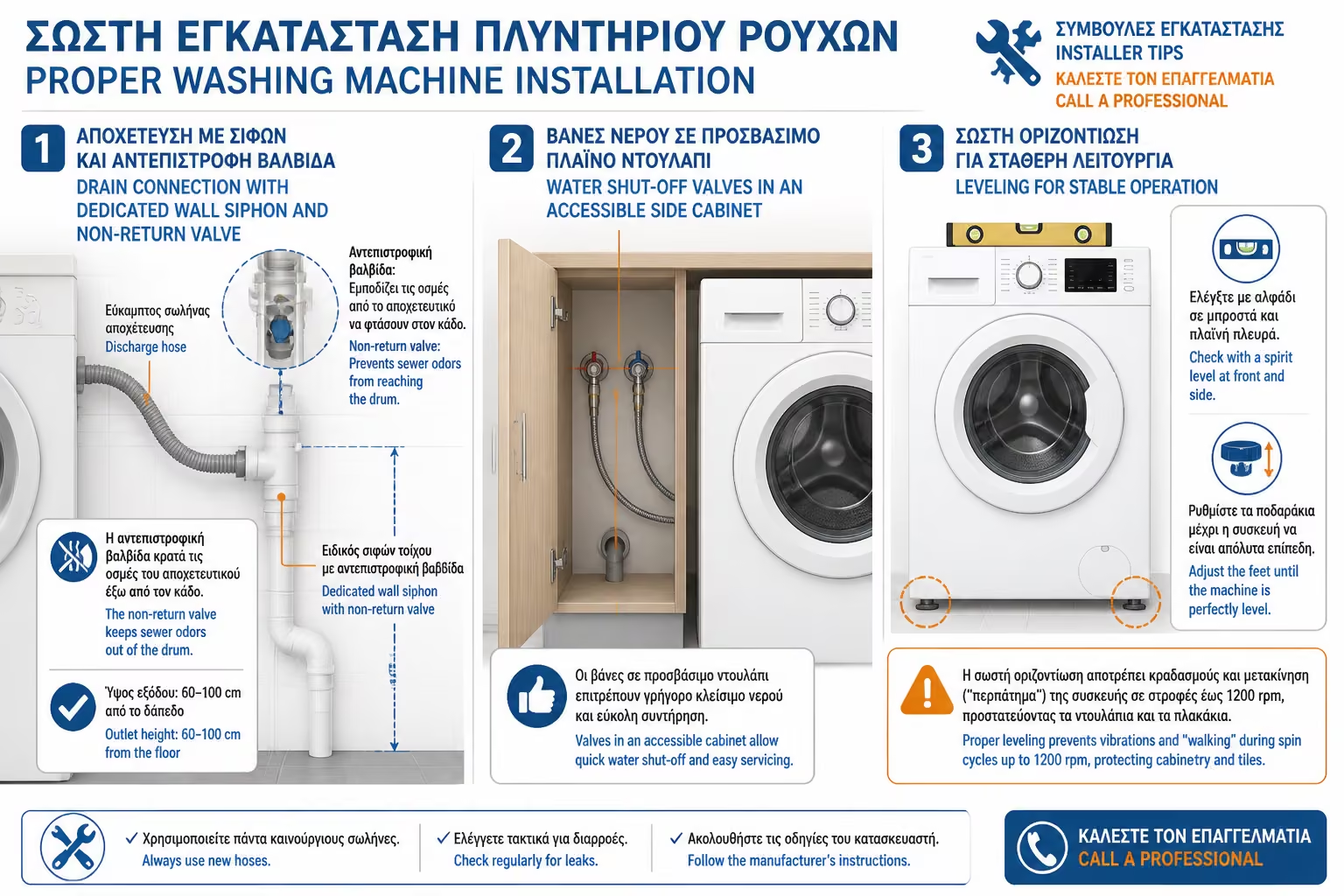
Proper plumbing will save you from future flooding and unpleasant odors.
The washing machine drain should not just be "nailed" into a hole in the wall. It must be connected to a special wall-mounted washing machine faucet equipped with a ball/non-return valve. This prevents main drain odors from backing up into the washing machine tub and drenching your clean clothes.
Do not hide the water supply valves directly behind the washing machine to the point where you need to pull out an 80 kg appliance to reach them. In the event of a leak, you must be able to turn off the water instantly. Switches should be placed on the side or in an adjacent, easily accessible cabinet.
| Feature | Stacked | Under the Counter (Side-by-Side) |
|---|---|---|
| Required Squares | Minimal (takes advantage of height). | Enough (requires a long wall length). |
| Storage Space | Medium (you only gain height above the dryer). | Maximum (you gain the entire counter area). |
| Ergonomics of Use | Very good for the dryer (at eye level), requires bending over for the washing machine. | Requires crouching for both devices. |
| Aesthetics | It is necessary to hide in a closet due to volume. | It can be left open (under-counter) with a beautiful curtain or minimal doors. |
> ⚠️ The Engineer's Tip: When installing the washing machine, make sure the technician used a spirit level to adjust the screw feet of the appliance. A washing machine that is not perfectly level, during the spin at 1200 revolutions will start to "walk", hitting the walls of the wardrobe and causing serious damage to your furniture and tiles.
In the next article in our category, we will analyze Bathroom Doors & Opening Time: How the right choice between opening, sliding or split door can redefine the entire ergonomics of your space.
Return to category.
Go to categoryReturn to the central guide.
Go to guide