
Bathroom Fixtures & Water Equipment
Return to category.
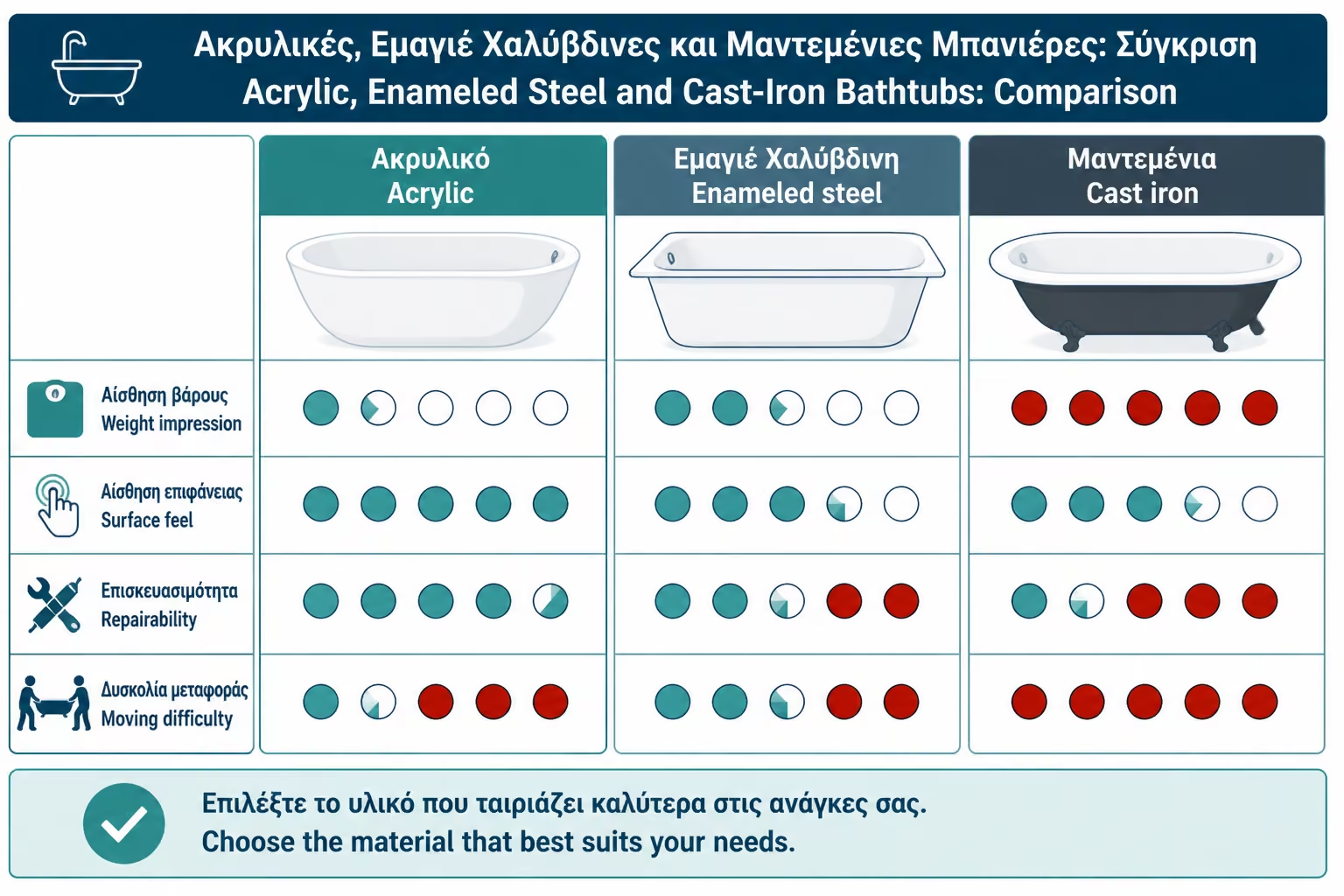
Go to categoryChoosing a bathtub is not only a matter of shape and size. Two bathtubs can be exactly the same size, but feel completely different in everyday use. One should be light, warm to the touch and economical. The other should be harder, "cleaner" on the surface and more resistant to scratches. The third should have a sense of old luxury, keep the water warm for longer, but weigh so much that transportation and placement require serious attention.
The three main materials that we often come across are the acrylic bathtub, steel enamel and cast iron. Each has its own logic. Acrylic is the most practical and popular solution for most homes. Steel enamel gives a hard, smooth and clean surface with a relatively thin profile. Cast iron is the heaviest and traditionally luxurious choice, with an excellent sense of sturdiness.
The mistake is to simply ask "which is the best?". The right question is different: which one fits your bathroom, budget, use and technical capabilities of the space? Because a bathtub for everyday use in a small apartment is one thing, a bathtub in a family bathroom is another, and a cast iron freestanding bathtub in a large master bathroom is another.
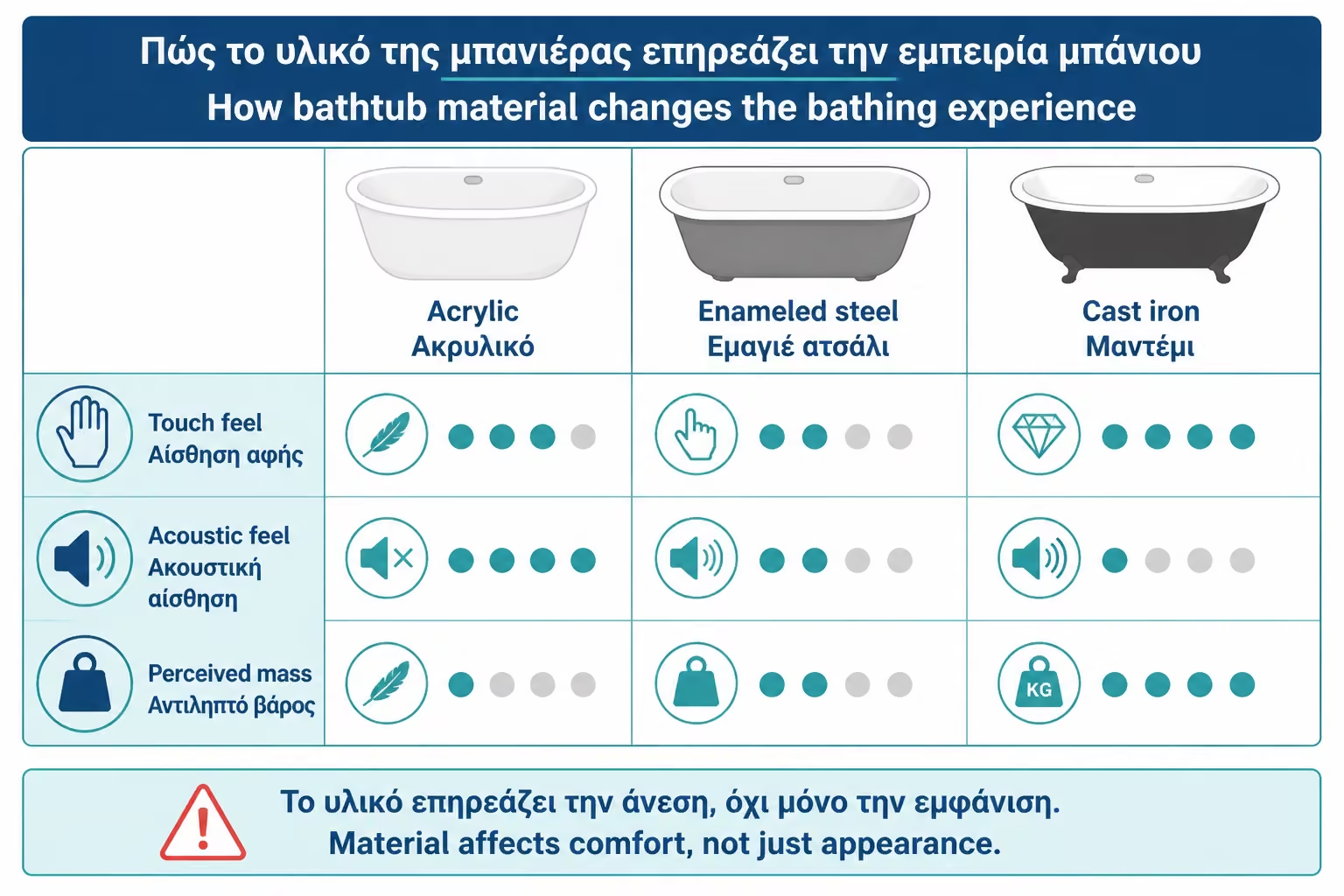
The material of the tub affects four main things: feel on the body, temperature retention, resistance to scratches and bumps, and weight. These elements are not always visible in a product photo, but are very quickly seen when the tub is used.
An acrylic bathtub is not as cold to the touch. When you lean on it, it has a more "warm" and friendly feeling. A steel enamel may give a harder and cleaner surface, but it is colder at first. A cast iron one, once heated, has a great sense of stability and holds the temperature better, but its weight changes the whole logic of the installation.
In a bathroom that is used quickly and daily, practicality can be more important than a sense of luxury. In a relaxation bath, temperature retention and quality of sensation may count more. That is why the material must be chosen based on how the bathtub will be used in practice.
The acrylic bathtub is the most common choice in modern renovations. It is light, cheaper than heavy premium solutions, comes in many sizes and designs, and is relatively easy to transport and install. For most Greek bathrooms, especially in apartments, it is the most practical solution.
Its great advantage is the feel. Acrylic is not so cold to the touch, which makes the bathtub more pleasant to use on a daily basis. Also, because they are lightweight, they don't create the same transport and load issues as a cast iron tub. If the bathroom is on a floor, if there is a narrow staircase or a small elevator, this is a significant advantage.
Its disadvantage is the sensitivity to scratches. Acrylic is easier to etch than enamel or cast iron. It does not need hard sponges, abrasive powders or aggressive cleaners. If properly cleaned, it can stay in very good condition for years. But if it is rubbed with the wrong products, it dulls and fills in micro-scratches.
Quality also varies greatly from model to model. A good acrylic bathtub has better reinforcement, a more solid feel and a better surface. A very cheap acrylic can "play", sound more hollow or look cheap after a little use.
The steel enameled bathtub consists of a steel body with an enamel coating. Its surface is hard, smooth and clean, with a more "glassy" feel than acrylic. It doesn't have the plastic feel that some budget acrylic tubs can have and usually looks sturdier on the surface.
Its great advantage is its resistance to scratches. Enamel is harder than acrylic, so it holds up better to everyday wear and tear. It is easy to clean and has a very clear image, especially on white surfaces. Also, enameled steel bathtubs can have thinner walls and a cleaner design.
The downside is that they are cooler to the touch. When the water gets in, the surface doesn't have the same warm feel as acrylic at first. Also, if the enamel is hit hard and injured, the metal underneath can be exposed. There is a risk of wear or rust if not repaired.
In terms of weight, it is heavier than an acrylic one but much lighter than a cast iron one. This makes it an interesting intermediate solution for those who want a harder surface without getting into the complexities of cast iron.
The cast iron bathtub is the heaviest and sturdiest option. It is traditionally associated with luxurious, classic or retro bathrooms, but it can also be used in more modern projects when we want a strong sense of quality. It's a tub that doesn't feel like a lightweight product. It gives the feeling of a permanent object.
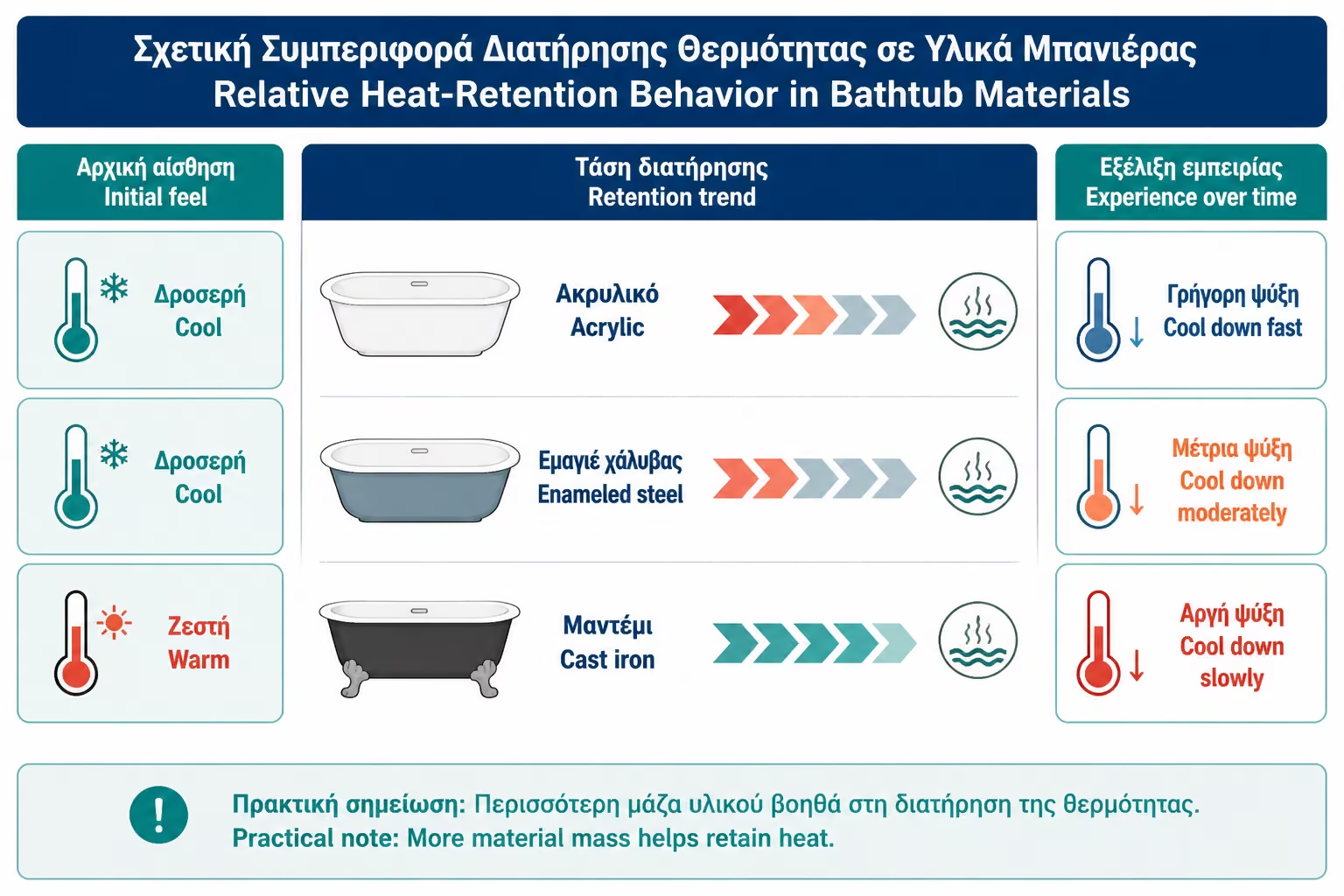
Its great advantage is its thermal behavior. Cast iron, due to its large mass, when heated retains the heat for a longer time. This means that the water can stay hot for longer than lighter tubs, especially when the tub has been preheated by the hot water. For someone who uses the tub really for relaxation, this is a big plus.
The downside is the weight. A cast iron bathtub can be so heavy that moving it can become a task in itself. It must pass through doors, stairs, elevators and corridors. Upstairs, the matter becomes even more serious. Also, when it is filled with water and the user steps in, the total load increases significantly. In old buildings or special structures, an engineer's check may be necessary.
The cast iron bathtub is not a solution that we choose hastily. It is a solution that requires planning, access, weight control and proper positioning. If all these are present, it can provide a top feeling. If not, it can become a technical headache.
If we are talking about a clean bathroom feeling with a full tub, cast iron usually has the advantage. Cast iron has a large mass and, when heated, helps to maintain the temperature of the water longer. That's why many people love it for a relaxing bath.
The acrylic tub also has a pleasant thermal sensation because it is not as cold on initial contact. It does not "draw" heat in the same way that a cold metal or enamel material can. For quick everyday use, this is very comfortable.
Steel enamel is colder at first and does not have the heat capacity of cast iron. If it is filled with hot water, of course it gets hot, but in terms of feel and duration it is not the first choice for those who want to keep the water hot for a long time.
In practice, the difference matters mainly for those who frequently fill the bathtub. If the bathtub is mainly used as a shower, the temperature of the water inside the bathtub is not the main criterion.
Acrylic is the most sensitive to scratches. That doesn't mean she's bad. It means that it needs proper cleaning and reasonable use. Abrasive cleaners, hard sponges, metal objects and poor maintenance can dull it more easily.
Steel enamel is more resistant to scratches, because its surface is hard. Her problem is not so much the simple scratch as the bump. If a heavy object falls and breaks or chips the enamel, then the damage is more serious.
Cast iron, because it also has an enameled surface, is resistant to daily wear and tear, but it too can be injured by a strong impact on the enamel. If the enamel surface is damaged, the repair is not as simple as in an acrylic one.
So if your main concern is micro-scratches from cleaning, acrylic needs more care. If the stress is strong knocks, enamelled surfaces need protection from heavy objects.
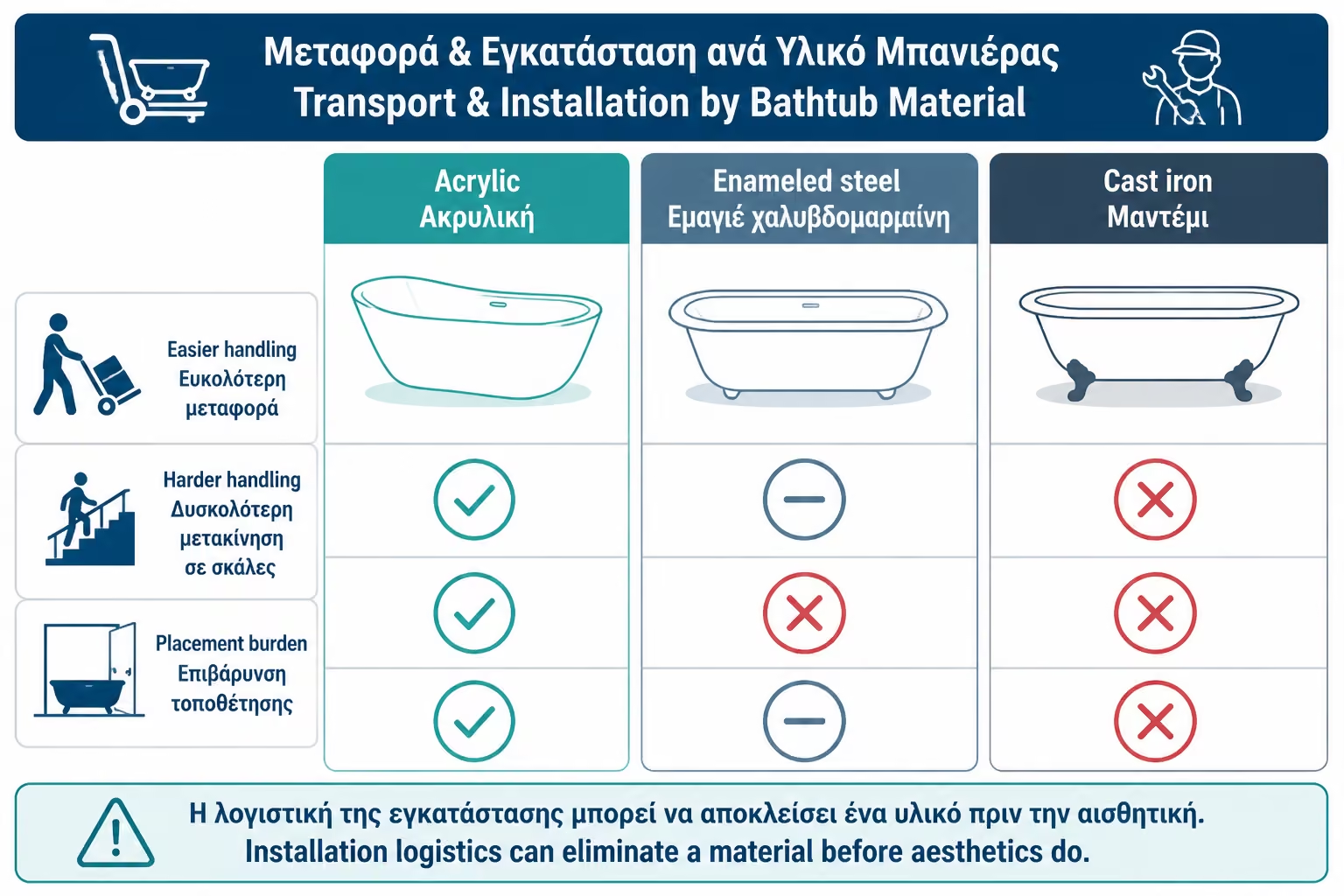
Here the answer is clear: cast iron. Its weight can be several times that of acrylic. Moving to a floor, especially without a large elevator, can add cost and difficulty. They need more people, attention to the stairs, protection of floors and walls, and checking if it fits.
Acrylic is the easiest to transport. It is light and manageable, which makes it practical in hard-to-reach apartments and renovations. The steel enamel is in the middle. It is heavier than acrylic, but clearly lighter than cast iron.
If the bathroom is in an apartment building, on a floor or in a space with narrow access, weight should enter the discussion from the beginning. It is not a detail for the day of placement.
| Criterion | Acrylic | Steel enamel | Cast iron |
|---|---|---|---|
| Thermal sensation | Warm to the touch | Colder at first | Excellent once heated |
| Keeping hot water | Good | Moderate | Very good |
| Scratch resistance | Moderate | Good | Good |
| Shock hazard | It can be scratched or cracked | It can chip the enamel | Enamel can be injured |
| Weight | Low | Medium | Very high |
| Transport | Easy | Moderate | Difficult |
| Cost | Low to medium | Medium | Higher |
| A sense of luxury | By quality | Clean and sturdy | Very high |
| Everyday practicality | Very good | Good | Good, but with technical requirements |
Cost depends on dimension, brand, material, installation method and access. An acrylic bathtub is usually the most economical. Steel enamel goes up a bit, especially in better series. Cast iron can be more expensive, but importantly, it can also increase the cost of transportation and installation.
| Type of bathtub | Indicative purchase cost |
|---|---|
| Simple acrylic bathtub | €180–€600 |
| Better acrylic / ergonomic | 500–1,200€+ |
| Enameled steel bathtub | €350–€1,200+ |
| Cast iron bathtub | 1,000–3,500€+ |
| Freestanding cast iron / premium | 2,000–5,000€+ |
| Transporting a difficult bathtub | additional cost |
| Installation / plumbing / lining | per project |
The prices are indicative for Greece 2026. They are affected by area, access, floor, VAT, materials, installation status and whether the bathtub is built-in or freestanding.
In small bathrooms, an acrylic bathtub is usually the most practical choice. They are lightweight, come in many sizes, can be ergonomically shaped, and don't drive up the cost too much. If the bathtub will be used frequently as a shower, attention must be paid to the bottom, anti-slip and surface quality.
Steel enamel can also be a very good choice, especially if we want a harder surface and a clear image. But he wants attention to bumps and the feeling of coldness.
Cast iron is rarely the first choice for a small bathroom in an apartment, unless there is a specific design reason and the technical conditions allow it. Weight and portability make it a more difficult choice.
For family use, practicality counts a lot. The acrylic bathtub is friendly, warm and economical, but it must be protected from scratches and rough use. If there are small children, bath toys, frequent cleaning and intense daily use, good quality should be chosen and not the cheapest solution.
Steel enamel is harder on the surface and can better withstand daily cleaning, but if hit hard by a heavy object, damage to the enamel can be a problem.
Cast iron is great for feel and durability, but it's not always practical for every family bathroom, especially if weight, cost and access make the job difficult.
The acrylic bathtub needs gentle cleaning. Soft sponge, mild detergent and avoiding abrasives are basic rules. If small scratches occur, in some cases they can be polished or improved, depending on the product.
Steel enamel is easy to clean, but should not be beaten and does not require very harsh cleaners that can dull the surface over time. Cast iron has a similar logic on the surface: protect the enamel, avoid strong impacts and use appropriate cleaners.
In all cases, frequent gentle care is better than infrequent aggressive cleaning. Salts and soaps are easier to remove when they haven't been left for months.
The first mistake is to choose hardware based on price alone. Cheap acrylic can be good if it's decent quality and installed correctly, but a really bad acrylic will quickly show its weakness. Accordingly, steel enamel is not always better if it is too thin or if the enamel is of average quality.
The second mistake is underestimating the weight of cast iron. It is not enough that we like it. It has to go up to the house, go through the access and be placed safely. In some cases load control is also needed.
The third mistake is wrong maintenance. Many bathtubs are not damaged by water, but by cleaning agents. Hard sponges, abrasive powders and aggressive products can dull or scratch the surface.
| Inquiry | Yes / No |
|---|---|
| Will the tub be used primarily for bathing or showering? | Yes / No |
| Are you interested in keeping water hot for a long time? | Yes / No |
| Is there difficult access or a floor without a convenient elevator? | Yes / No |
| Have you checked the weight of the tub? | Yes / No |
| Does the surface withstand the cleaning that will be done? | Yes / No |
| Are there children or heavy daily use? | Yes / No |
| Does the material fit the budget and usage? | Yes / No |
| Does the tub have a non-slip tread or can it be added? | Yes / No |
| Is proper support and placement provided? | Yes / No |
| Does the cost include shipping and installation? | Yes / No |
In a typical apartment, where the bathtub will be used daily mainly as a shower and occasionally for children, a good acrylic bathtub is usually the most sensible solution. It is light, economical and practical. If a quality model is chosen and cleaned properly, it can work very well.
In a bathroom where the owner wants a harder, cleaner surface, but doesn't want the weight of cast iron, steel enamel is a good intermediate choice. It will have a cooler feel at first, but better scratch resistance than acrylic.
In a large bathroom with a retro or premium aesthetic, a cast iron bathtub can be excellent. But if it is in an old apartment building, access, weight and placement must be checked first. It is not material for a hasty decision.
If you want the most practical solution for a typical bathroom, start with a good acrylic bathtub. It is light, economical, and pleasant in daily use.
If you care more about a hard, durable surface, look at enameled steel. Just pay attention to impact damage on the enamel.
If you want the strongest classic feel and better heat retention, cast iron is excellent, but only if the building, access route, and budget can support it.
Do not underestimate delivery and handling. A cast-iron bathtub can cost far more in effort and logistics than the purchase price suggests.
Acrylic, steel enamel and cast iron bathtub have a different logic. Acrylic is the most practical and popular solution for most homes. It is light, relatively economical and warm to the touch, but requires attention to scratches and cleaning.
Steel enamel gives a harder and cleaner surface, with better scratch resistance than acrylic, but is colder at first and can be injured if the enamel is hit hard.
Cast iron is the sturdiest and most luxurious option. It holds heat better, feels great and lasts longer, but is heavy, more expensive and requires care in transport, access and load.
The best option is not the most expensive. It is the one that suits the way the bathroom is used. For everyday practicality, acrylic often wins. For a hard surface, enamel has an advantage. For a real sense of luxury and thermal comfort, cast iron is special — as long as it can be technically supported.
Return to category.
Go to categoryReturn to the central guide.
Go to guide