
Bathroom Fixtures & Water Equipment
Return to category.
Go to categoryAnyone who has a glass shower enclosure knows the problem all too well. In the first week the crystal is clear, transparent, almost invisible. The bathroom looks new, bright and neat. Then the first drops begin. At first they go away easily. A little later they leave dull marks. And after a few months, especially in hard water areas, the glass starts to look permanently "dirty", even after it has just been cleaned.
This is where the promise of the special coating appears: anti-calc, clean glass, easy clean, nano coating, nanotechnology protection. The names change from company to company, but the logic is similar. The crystal acquires a protective surface that makes it difficult for water, salts and soaps to stick to it. It doesn't mean it will never get dirty. It means it will get dirty more slowly and is easier to clean.
The question is whether it is worth the extra money. The answer, as is often the case in the bathroom, depends on the use. In a bathroom that is used daily, in a hard water area, with a glass cabinet that catches all the eye, the coating can be very worthwhile. In a secondary WC or a cheap low-use cubicle, it might not be the first priority.
But the most important thing is to understand what it does and what it doesn't do. The anti-calc coating is not a magic potion. It does not make the glass self-cleaning. It doesn't take away the post-shower wipe. It does not withstand any cleaning agent. And it certainly shouldn't be scrubbed with hard sponges and aggressive chemicals, because that way the protective film you paid for can be damaged.
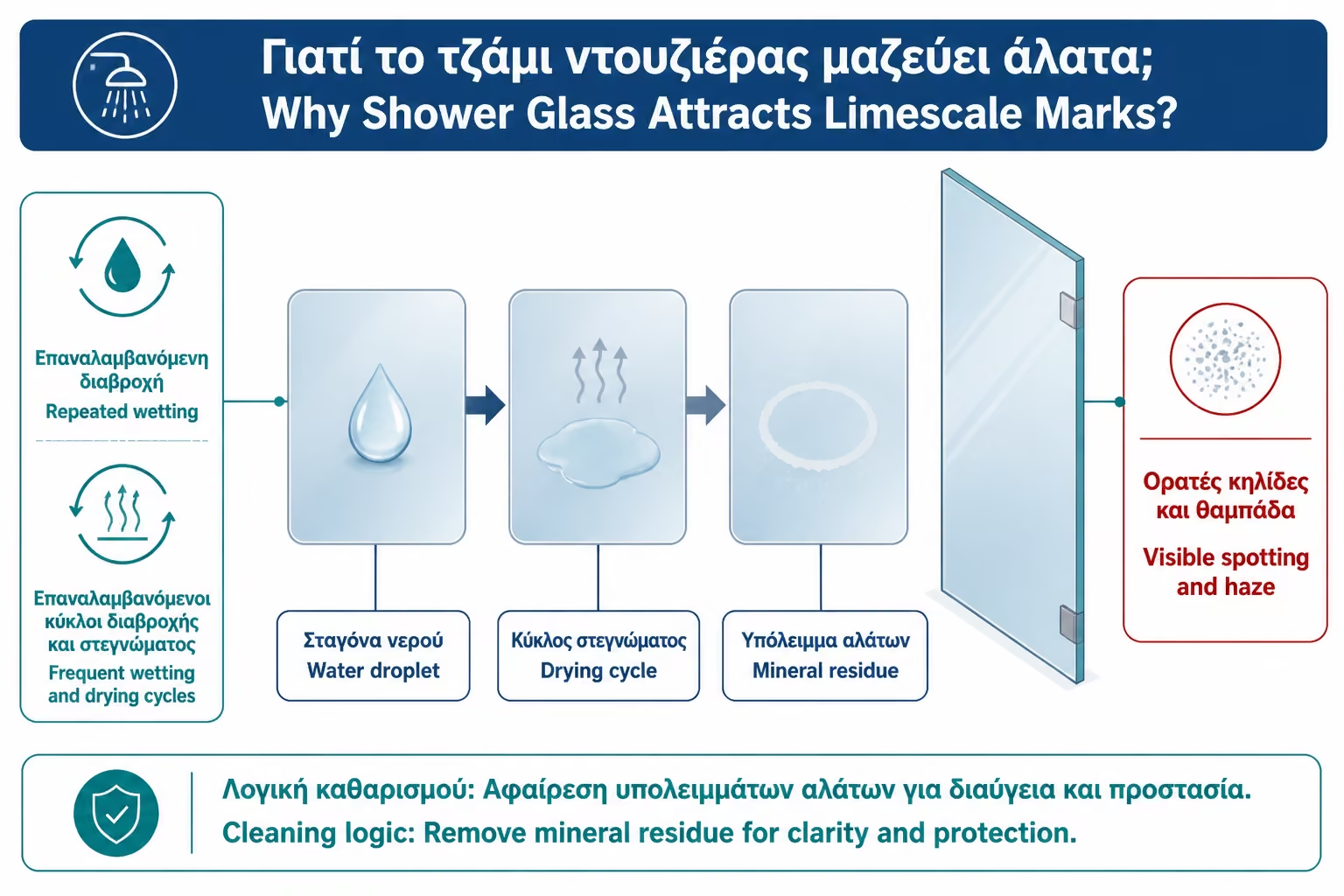
Glass, however smooth it may appear, is not a perfectly smooth surface at the microscopic level. It has micro-pores, small irregularities and places where water, salts, soaps and dirt can sit. When the drops dry on the glass, they leave behind metallic salts. Over time these create dullness, white spots and difficult stains.
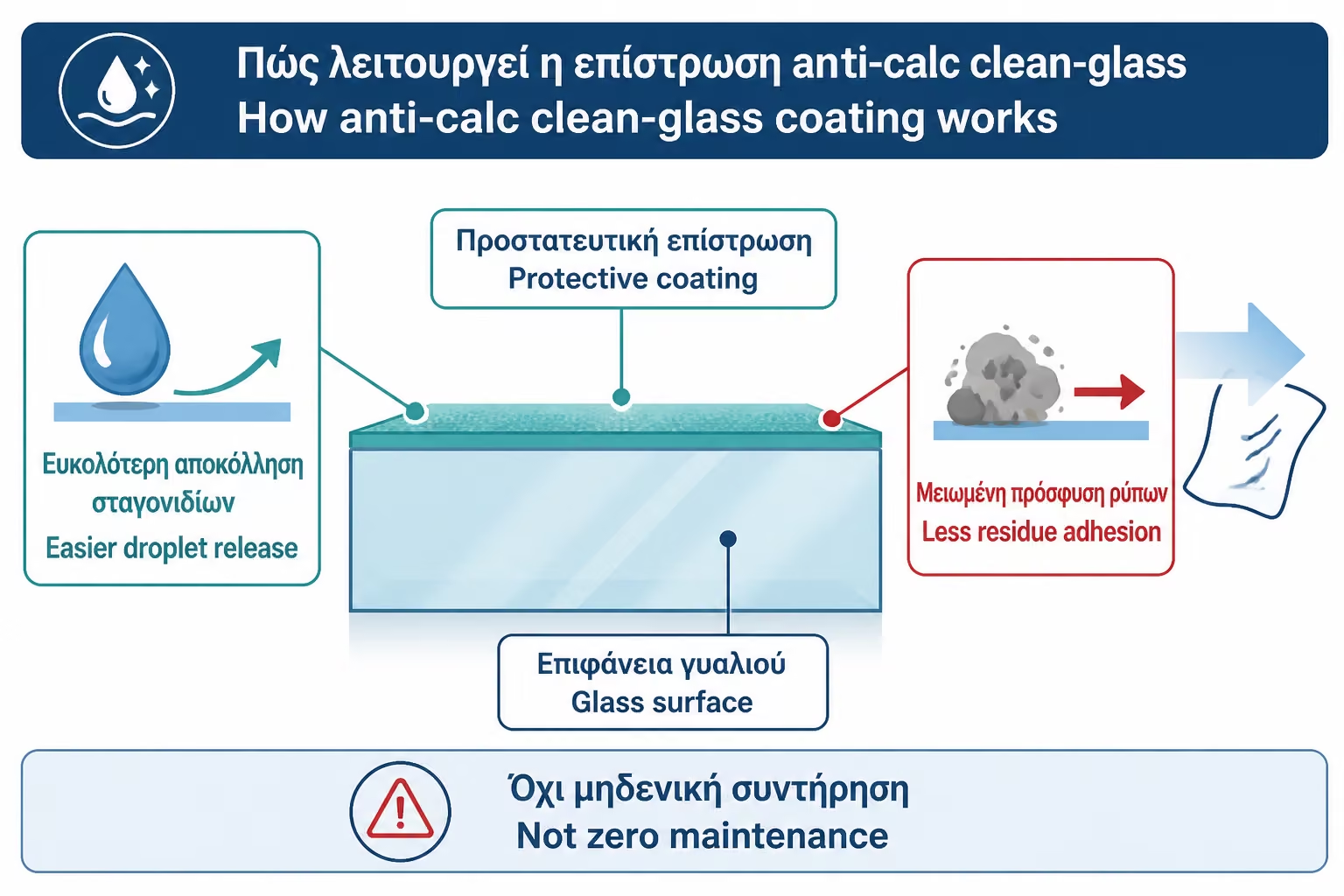
The special coating acts as a thin protective layer on the surface of the crystal. Its purpose is to reduce the adhesion of water and pollutants. In many cases the surface becomes more hydrophobic, meaning water tends to form drops and slide off more easily, rather than spreading and drying on the glass.
This does not remove the salts. Salts are present in water. If you let the drops dry on the glass every day, at some point marks will appear. The difference is that with coating, the residue usually sticks less and is easier to remove.
In the bathroom, the cabin glass is in a very difficult position. Accepts hot water, soaps, shampoos, steam and cleaning agents. Water is not just water. Contains salts, especially in hard areas. When this water evaporates, the salts remain on the glass.
At first the signs are superficial. With a simple pass they can leave. But if they stay for weeks or months, they start to bond more strongly with the surface. Then cleaning becomes more difficult. The owner presses harder, uses a stronger cleaner, gets a harder sponge, and somewhere the vicious cycle begins. The more aggressively the glass is cleaned, the more it can wear down the protection or create micro-scratches that hold even more dirt.
The anti-calc coating tries to prevent this cycle. It is not a cure for glass that is already deeply scaled. It is mainly preventive protection.
In most cases where the glass is large and the cabin is used daily, yes, it is worth serious consideration. The extra cost of coating is usually not huge compared to the total cost of a good cabin, but it can make day-to-day maintenance quite a bit easier.
It is especially worth it if the house is located in an area with hard water. The harder the water, the faster white marks appear on the glass. It is also worth in frameless and walk-in solutions, where the glass is large, visible and is a key element of the aesthetics of the bathroom. In such cases, blur spoils the whole effect.
On the contrary, in a very economical cabin, in a secondary bathroom or in a low-use space, it may not be the first point where we would have extra budget. That's where it's perhaps more important to first choose the right safety glass, reliable mechanisms and good placement.
Simply put: if you've already decided to invest in a good cabin, the anti-calc coating is a logical upgrade. If you're on a tight budget, you shouldn't have to sacrifice basic build quality to put on a coating.
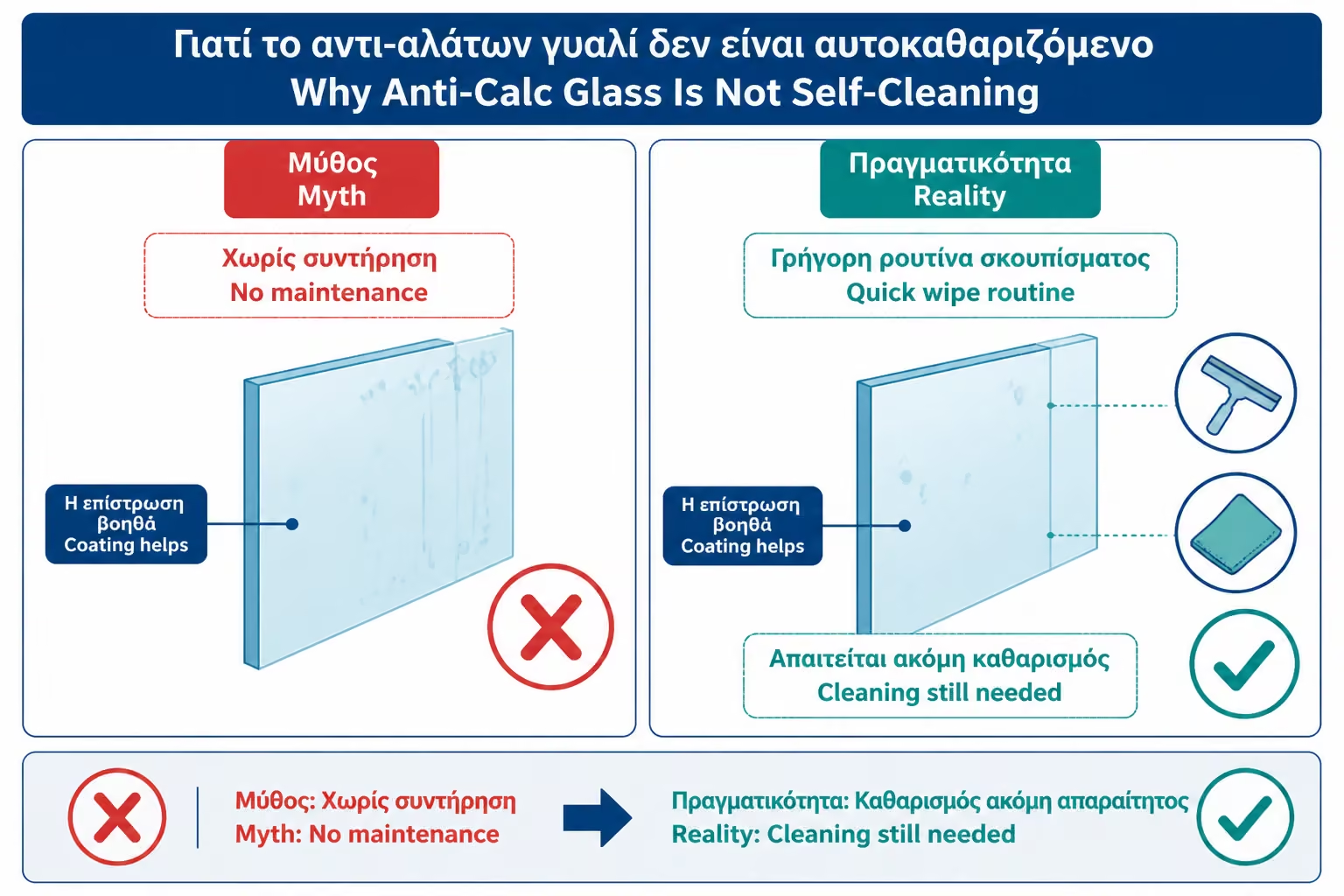
This is where the biggest confusion occurs. Many people hear "clean glass" and imagine that they will no longer need to clean the glass. This is not the case. The coating makes cleaning easier, not unnecessary.
If you let the drops dry on the glass after each shower, marks will form. They just might linger longer and leave more easily. If you use harsh cleaners daily, the coating can wear down. If you rub with an abrasive sponge, it can be damaged much faster.
The correct philosophy is simple: the coating is a maintenance aid. It is no excuse not to maintain the glass.
The biggest mistake is using aggressive or abrasive cleaners. Many people see scale on the glass and immediately reach for a powerful scale remover, a hard sponge or even worse a wire. This may remove the dullness temporarily, but at the same time it wears away the protective coating.
The anti-calc surface needs gentle cleaning. The ideal is to never reach the point of needing "powerful" cleaning. If the glass is wiped frequently, the salts do not have time to set. But if they are left for months, then the owner is forced to use more aggressive methods, and that's where the protection they paid for is destroyed.
The most appropriate tool for daily use is a simple shower glass cleaner, i.e. the well-known squeegee. A quick pass after the shower removes most of the water before it dries. This is more effective than any "miracle" cleaner.
Proper cleaning is gentle and frequent. After the shower, the ideal is to wipe the glass with a wiper and, if we have time, with a soft microfiber cloth. This little habit dramatically reduces scale build-up.
For weekly cleaning, we use a mild cleaner that is suitable for glass cabins with a protective coating. Avoid abrasive powders, hard sponges, strong acid cleaners without instructions, bleach, ammonia, solvents and products that leave a film. If the cabin manufacturer recommends a specific cleaner, we follow that instruction.
Cleaning should be done with a soft cloth or soft sponge. Not with the hard green side of the kitchen sponge. Not by wire. Not with scrapers. Glass can hold up, but the coating is a surface protection and must be respected.
The duration depends on the quality of the coating, the frequency of use and the cleaning method. A good quality factory coating can last for several years when properly cleaned. But if aggressive cleaners or abrasive tools are used, it can wear out much faster.
There are also products that are applied after installation, as additional protection. These usually have a shorter duration and need to be renewed. They are not necessarily bad, but should not be confused with a quality factory coating.
The practical sign that the coating is starting to get tired is that the water no longer “collects” in drops and does not slide like it did in the beginning. The surface starts to hold more water and the salts stick more easily. In this case, special cleaning or re-protection may be needed, if the product allows it.
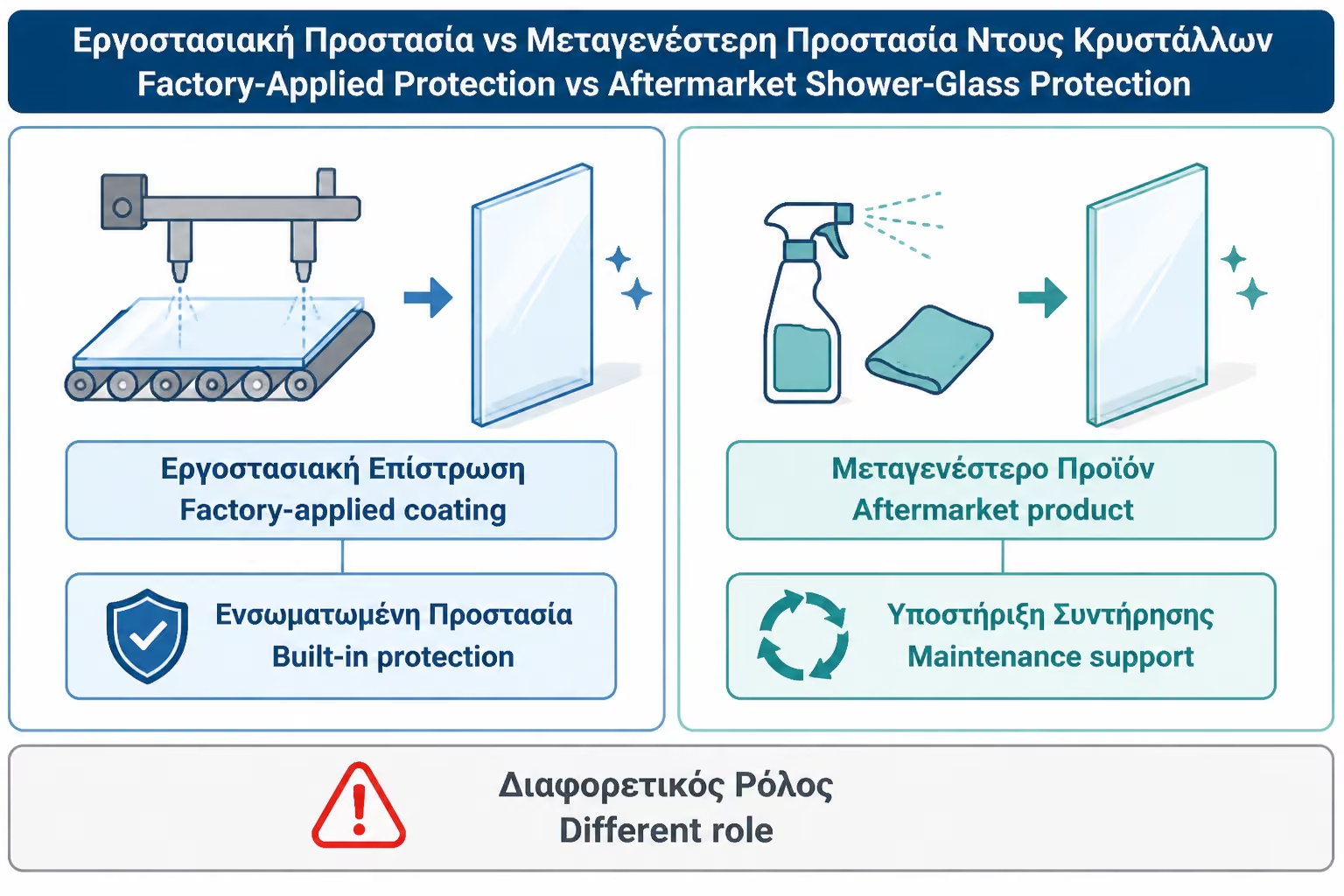
The factory coating is applied by the manufacturer or under controlled conditions before the cab reaches the customer. It usually has better uniformity and strength. It is the most correct choice when buying a new quality cabin.
Aftermarket products, i.e. post-applied fluids, can help uncoated glasses or older cabins. But the result depends a lot on the preparation. If the glass already has salts, haze or soap residue, the product will not work properly. First the glass must be thoroughly cleaned and then the protection applied.
For a new cabin, if there is a factory clean glass option, it is usually preferable. For an older cabin, an aftermarket sealer can improve the condition, but won't do wonders if the glass is already worn or scratched.
If you have a cabin with black profiles, the anti-calc coating on the glass helps, but does not protect the profiles. Black metal looks great when clean, but scale shows up on them more than on chrome or aluminum.
This means that maintenance must cover the entire cabin. Glass can be cleaned more easily due to coating, but profiles and rubbers also need gentle cleaning. If a strong scale remover is used on black profiles, there is a risk of dulling or altering the finish, especially if it is a low quality paint.
In such cabins, it is best practice not to allow scale to build up. A little frequent cleaning is much better than infrequent and aggressive cleaning.
The cost of anti-calc coating varies depending on the manufacturer, the size of the glass and whether the coating is factory or retrofit. In many cabins, it is offered as an optional upgrade. In premium series it may already be included.
In practice, the coating is usually worth more as the value and visibility of the glass increases. In a large 8 or 10mm walk-in panel, keeping the glass clean is of great aesthetic importance. In a small economy cabin, the extra cost must be weighed against the overall budget.
| Case | Anti-calc coating value |
|---|---|
| Large walk-in glass | Very helpful |
| Frameless premium cabin | It's almost always worth it |
| Hard water area | Very helpful |
| Family bathroom for daily use | Useful |
| Low use secondary bathroom | Optional |
| Very economical cabin | It depends on the budget |
| Acrylic panel | It does not have the same logic as glass |
If you clean the bathroom often and don't mind wiping the glass after each shower, you can keep plain glass in good condition as well. But if you know you won't be sweeping every day, then coating can help a lot.
If the water in your area quickly deposits salts on faucets, sinks and tiles, then it will also deposit on glass. In this case, anti-calc protection makes more sense. If the cabin is located in a place that is immediately visible as soon as you enter the bathroom, the clarity of the glass affects the whole image.
On the other hand, if the bathroom is small, the cabin is economical and the budget is tight, it may be more important to invest first in good safety glass, correct mechanisms and correct placement. Coating is an upgrade. It should not replace the basics.
The most disastrous mistake is aggressive cleaning. When someone sees scale and decides to "wash it off" with a strong cleaner and a hard sponge, it can remove or scratch the protective layer. From then on, glass loses its advantage. It will start to get dirty more easily and harder to clean.
This is ironic, because it is usually done with good intentions. The owner wants to clean the cabin perfectly. But clean glass requires a softer logic. We don't clean it like old glass full of salts. We maintain it often so it never needs violent cleaning.
The best way to protect your coating is to not let it get to the point where it needs "rescue".
| Inquiry | Yes / No |
|---|---|
| Is the coating factory or post applied? | Yes / No |
| Are there cleaning instructions from the supplier? | Yes / No |
| Does the water in the area leave strong salts? | Yes / No |
| Will the cabin be used daily? | Yes / No |
| Is the glass large and prominent? | Yes / No |
| Will abrasive sponges and harsh chemicals be avoided? | Yes / No |
| Are you in the mood for regular gentle cleaning? | Yes / No |
| Is the coating covered by warranty or maintenance instructions? | Yes / No |
In a large walk-in shower with a fixed 8mm glass, the anti-calc coating can make a big difference. The window is large and can be seen from everywhere. If it fills with salts, it spoils the whole image of the bathroom. With the coating and a quick wipe after the shower, the cabin stays clean much easier.
In a small economy cabin in a secondary bathroom, the coating is less critical. If the budget is limited, the quality of the wheels, tires and safety glass may be a priority. If there is a surplus of budget, the coating is a positive addition.
In a house with very hard water, even a good cabin can dull quickly if not wiped down. There the anti-calc protection is worth more, but only if the user understands that he must clean gently. If he uses a harsh scale cleaner and a rough sponge every week, the coating will suffer and lose its performance.
An anti-calc coating is most worthwhile when the glass is large, highly visible, and used every day. It is not a luxury reserved for “premium” bathrooms. It is a practical maintenance aid.
That said, do not treat it like self-cleaning glass. If you let water droplets dry on the surface every day, limescale will still appear. It will simply be easier to remove.
The number-one mistake is using harsh cleaners and abrasive sponges. That is how people damage the coating they paid extra for.
The best routine is simple: a good coating, a squeegee after each shower, a soft cloth, and a mild cleaner when needed.
Anti-calc or clean glass coating on shower cabin glass can be worth the extra money, especially in daily use bathrooms, hard water areas and large glass surfaces such as walk-in or frameless cabins.
Its value is not that it eliminates cleaning. It is that it reduces the adhesion of water, salts and dirt, so that the glass stays cleaner for longer and is easier to clean. This can make a big difference in everyday life.
But there should be no false expectation. The coating does not make the glass invulnerable. Does not withstand aggressive cleaning, wire sponges or strong chemicals without wear. It needs gentle maintenance and frequent wiping.
If you're opting for a quality cabin, anti-calc coating is an upgrade worth seriously considering. But if the budget is limited, safety glass, the right mechanisms and good placement come first.
Clear glass is not only a matter of aesthetics. It's a matter of choosing the right material and proper daily care.
Return to category.
Go to categoryReturn to the central guide.
Go to guide