
CCA (Copper Clad Aluminum) cables vs. 100% Pure Copper: Why Choosing Cheap CCA Cable Will Cost You Big in the Future

You go into an e-shop to buy a 100 meter coil of Cat6a cable. You see the first option at €60, and just below that, another coil that also says "Cat6a", but costs just €20. The visual difference is zero. The saving instinct tells you to get the cheap one.

Don't do it. If you run this cable inside your walls, you've just planted a "ticking time bomb" on your network.

The huge difference in price is not due to marketing, but to the metal itself. The industry, in order to lower costs, created a class of cables called CCA (Copper Clad Aluminum). As engineers, we strictly forbid their use in structured cabling. Let's take a look at what CCA is, how it tricks the eye, and why it's extremely dangerous for your equipment.

1. What is CCA? (The "Anatomy" of Deception)

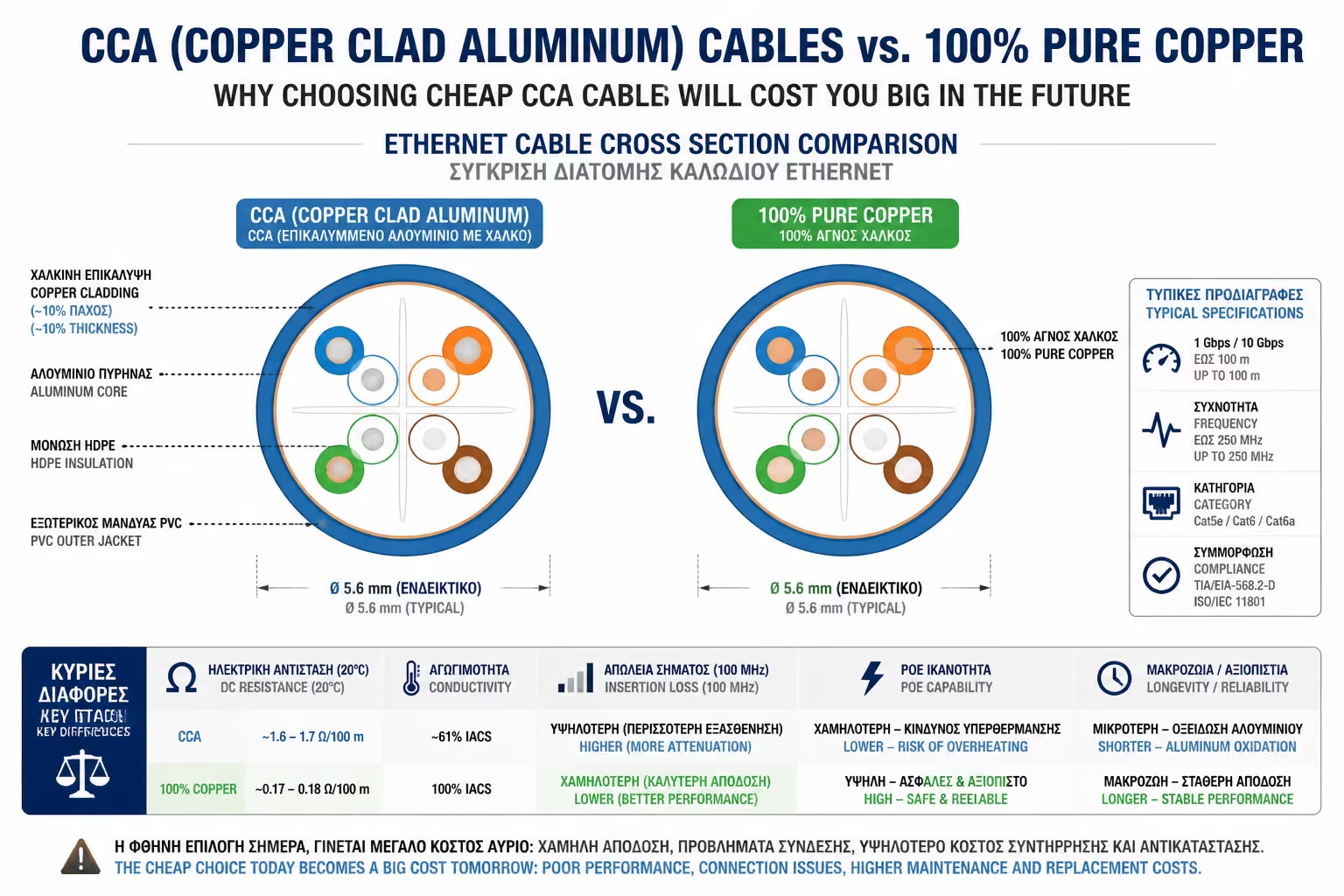
The acronym CCA stands for Copper Clad Aluminum.

  • A proper network cable is made of 100% Pure Copper (Bare Copper / BC).
  • In CCA cable, the core of each conductor is made of cheap aluminum. This aluminum is then passed through a factory and given an extremely thin coating (like a "paint") of copper on the outside.

Because its outer surface is copper, if you look at the end of the cable with the naked eye, it looks completely normal. However, his "heart" is the wrong metal.

Illustration for 1. What is CCA? (The "Anatomy" of Deception)

2. The Three Deadly Disadvantages of Aluminum

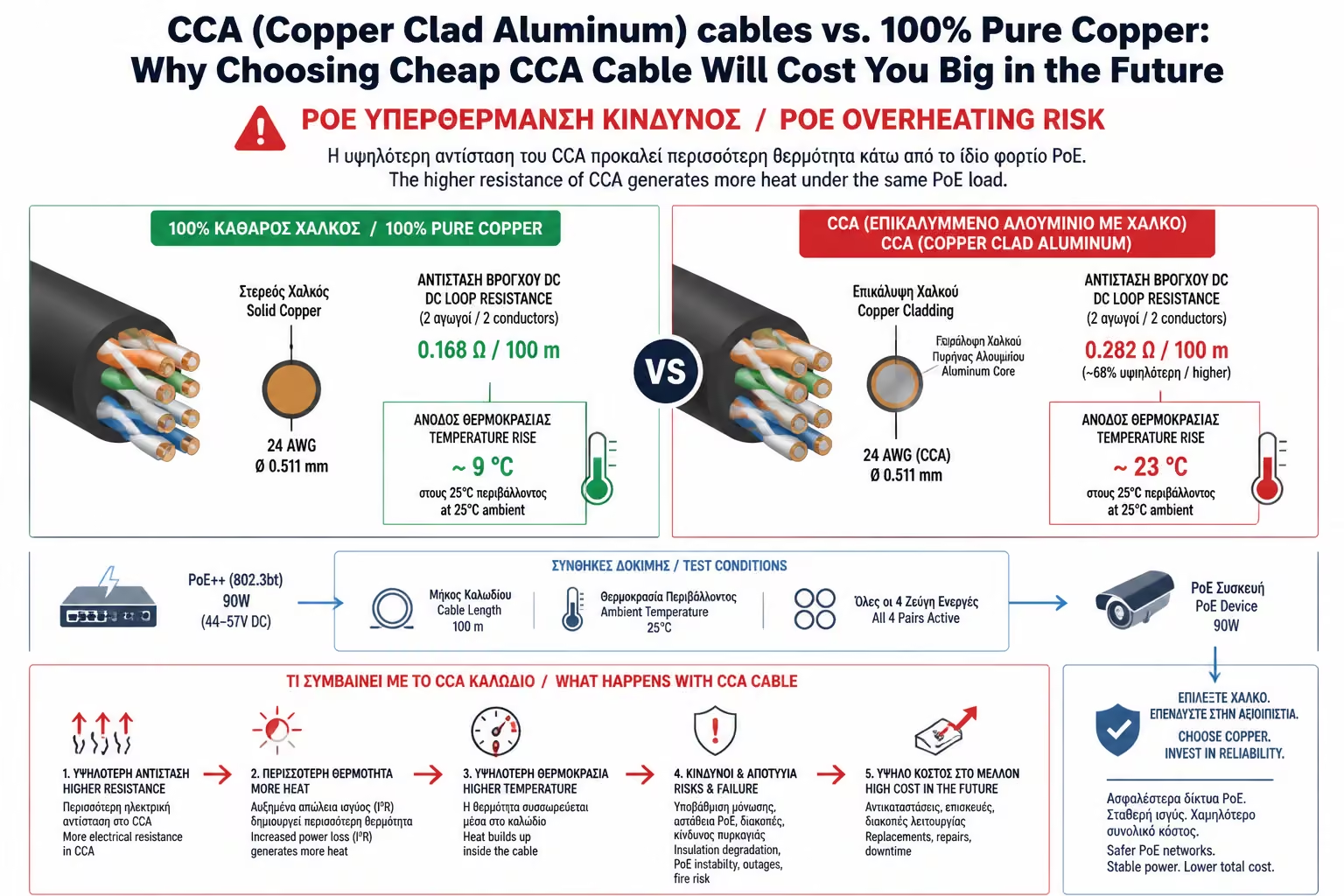
Illustration for 2. The Three Deadly Disadvantages of Aluminum

Why is aluminum so bad for data networks?

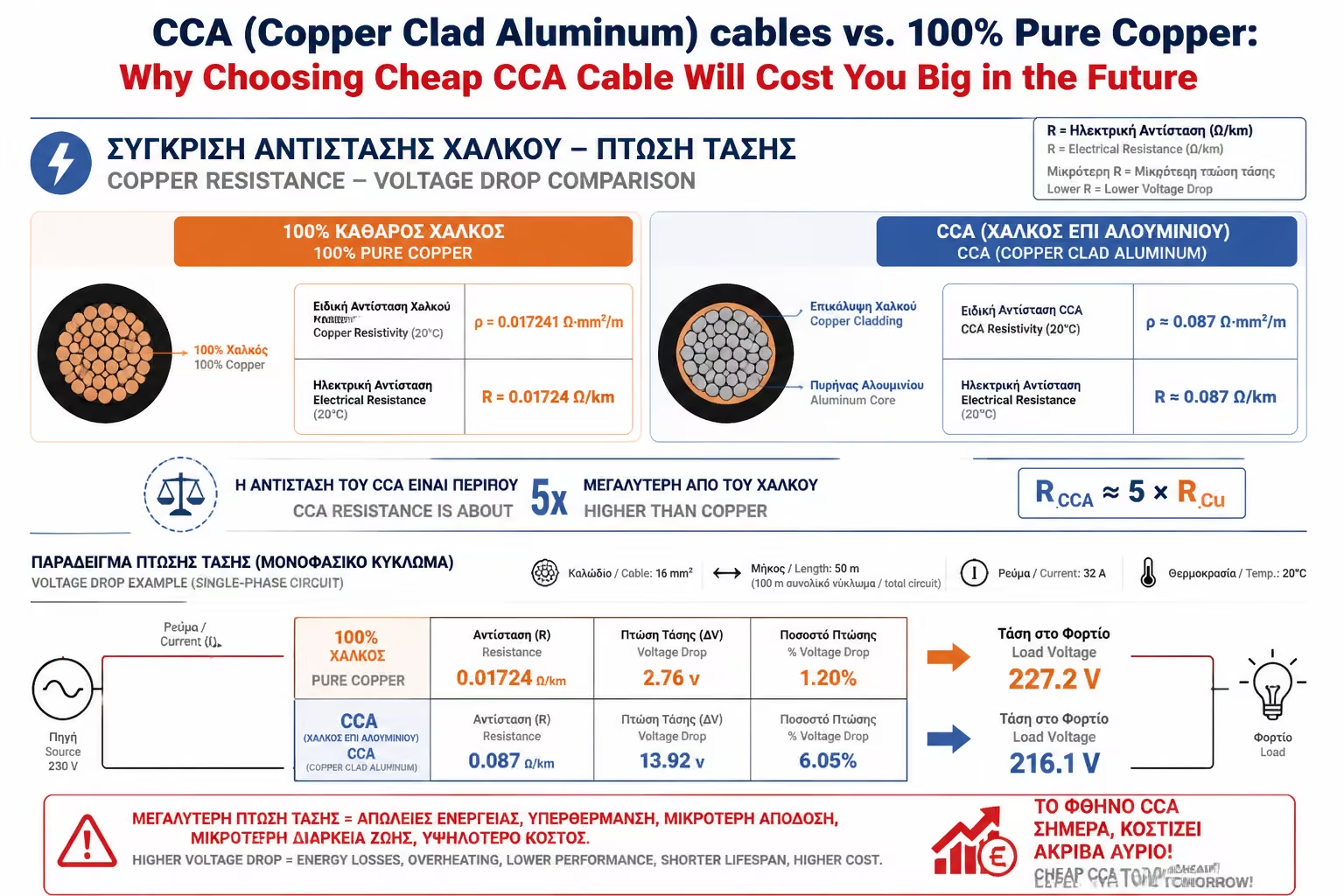
A. High Electrical Resistance (Speed ​​Drop)

Aluminum has about 55% more electrical resistance than copper. This means that the data signal gets "tired" much faster as it travels. * While a pure copper Cat6 cable can guarantee a speed of 1 Gbps at 100 meters, a CCA cable can start losing data packets (Packet Loss) and drop the speed to 10 Mbps once it exceeds 30 or 40 meters. No CCA cable can pass official certification tests (Fluke Test).
B. The Fire Hazard (The PoE Problem)

This is the most critical reason. Today, the network cable does not only carry the Internet. It also carries power through PoE (Power over Ethernet) technology to power security cameras, Access Points and IP phones. Due to the high resistance of aluminum, when you try to send power (especially to new PoE+ devices that require 30W or 60W), the cable acts like a stove resistor. It overheats dramatically. In extreme cases (if there are many such wires crammed together in a pipe), the insulation can melt, shorting out your expensive equipment or even causing a fire inside the wall. For this reason, IEEE standards specifically prohibit the use of CCA in PoE applications.

C. Brittleness and Oxidation

Aluminum is a hard and brittle metal. When the electrician pulls the wire through the conduits or bends it to plug it in (Keystone), CCA conductors break much more easily than flexible copper. Additionally, if exposed to air, aluminum oxidizes rapidly, completely destroying the electrical contact in the plug after 1-2 years.

3. How to recognize (and avoid) CCA

Unfortunately, many stores sell them as normal, often without a clear warning in the title. How will you protect yourself?

  1. The Price: It is the first bell. If a 100m Cat6 coil costs less than €35-40, it is almost certainly CCA. Pure copper is a commodity with a global price, no one can give it to you.
  2. The Label (The "Fine Prints"): Look strictly in the technical specifications for the words Bare Copper (BC), Pure Copper or Solid Copper. If you see the letters CCA, close the page.
  3. The Weight Test: A 305 meter box (the classic electrician's box) of pure Cat6 copper weighs about 12 to 15 kilograms. The same box in CCA weighs almost half (about 7-9 kg), because aluminum is much lighter.
  4. The Cigarette Lighter/Razor Test: If you have already purchased the cable, take a cutter and gently "scrape" the end of one of the inner wires (eg the orange one). If scraping off the copper shows a silvery/white color (aluminum) underneath, discard it. You can also set it on fire with a lighter. Copper will just blacken; aluminum CCA will melt and cut right away.
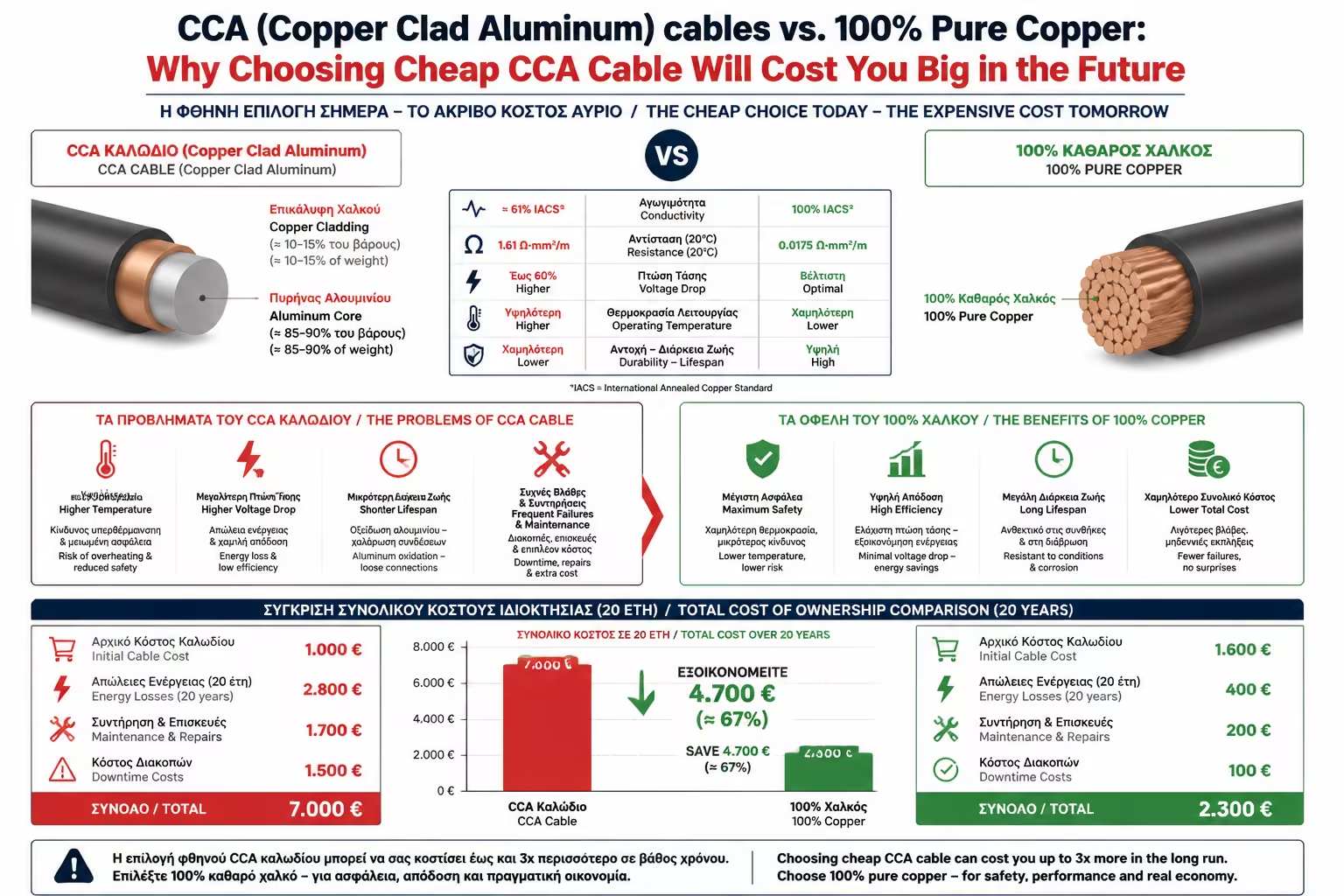
Illustration for 3. How to recognize (and avoid) CCA

Summarizing

Illustration for Summarizing

Structured Cabling is an infrastructure that is "buried" in the walls and is expected to work without interruption for decades. CCA cable is a dangerous illusion of economy. The extra 30 or 50 euros you will pay in total to buy 100% Pure Copper cable, is the most important "security" you will buy for the speed, stability and integrity of your expensive IT equipment.

Next Step: The correct (copper) wires are in, the sockets are in, everything looks ready. But how do we really know if the installation can handle the speeds it promises? It is not enough to just turn on the Internet light bulb.

We continue to the next Class A guide: Network Certification (Fluke Testing): How Engineers Check Losses, Crosstalk and Cable Length.

Related Articles

Preview