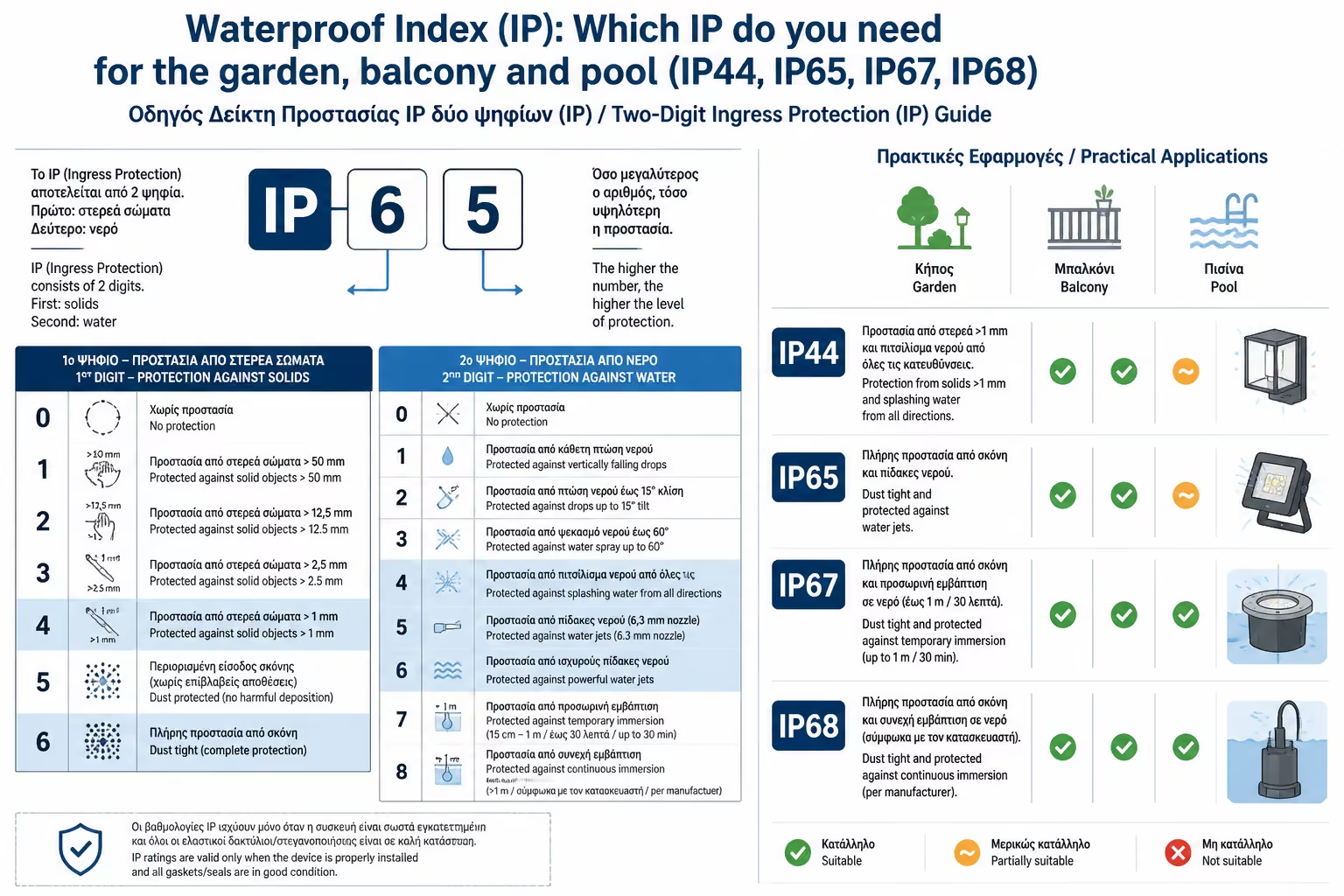
The 1st digit (0-6)
It shows how well the light is sealed against dust and solids. In the outdoor environment, we want this number to be usually 4, 5, or (ideally) the absolute 6, so that the lamp glass is not filled with dead insects and soil.
We leave the safety of the living room and go out into "enemy" territory. Outdoors, your lights have to deal with the worst possible conditions: torrential rain, humidity, dust, mud, automatic lawn watering and, of course, insects.
Putting a simple indoor light on the balcony, hoping it "won't get caught in the rain", is a recipe for a surefire short circuit, blown panel fuses and rusted metal in a matter of months.
Your only guide for buying outdoor lighting is the Ingress Protection (IP) Rating. We saw a small taste of this indicator in the bathroom article, but now we're going to apply it to your garden and patios, to make purchases that will last a lifetime.
The IP index always consists of two numbers (eg IP65).
Let's see which combination suits each part of your home.
It shows how well the light is sealed against dust and solids. In the outdoor environment, we want this number to be usually 4, 5, or (ideally) the absolute 6, so that the lamp glass is not filled with dead insects and soil.
It's the survival number! It shows the water resistance.
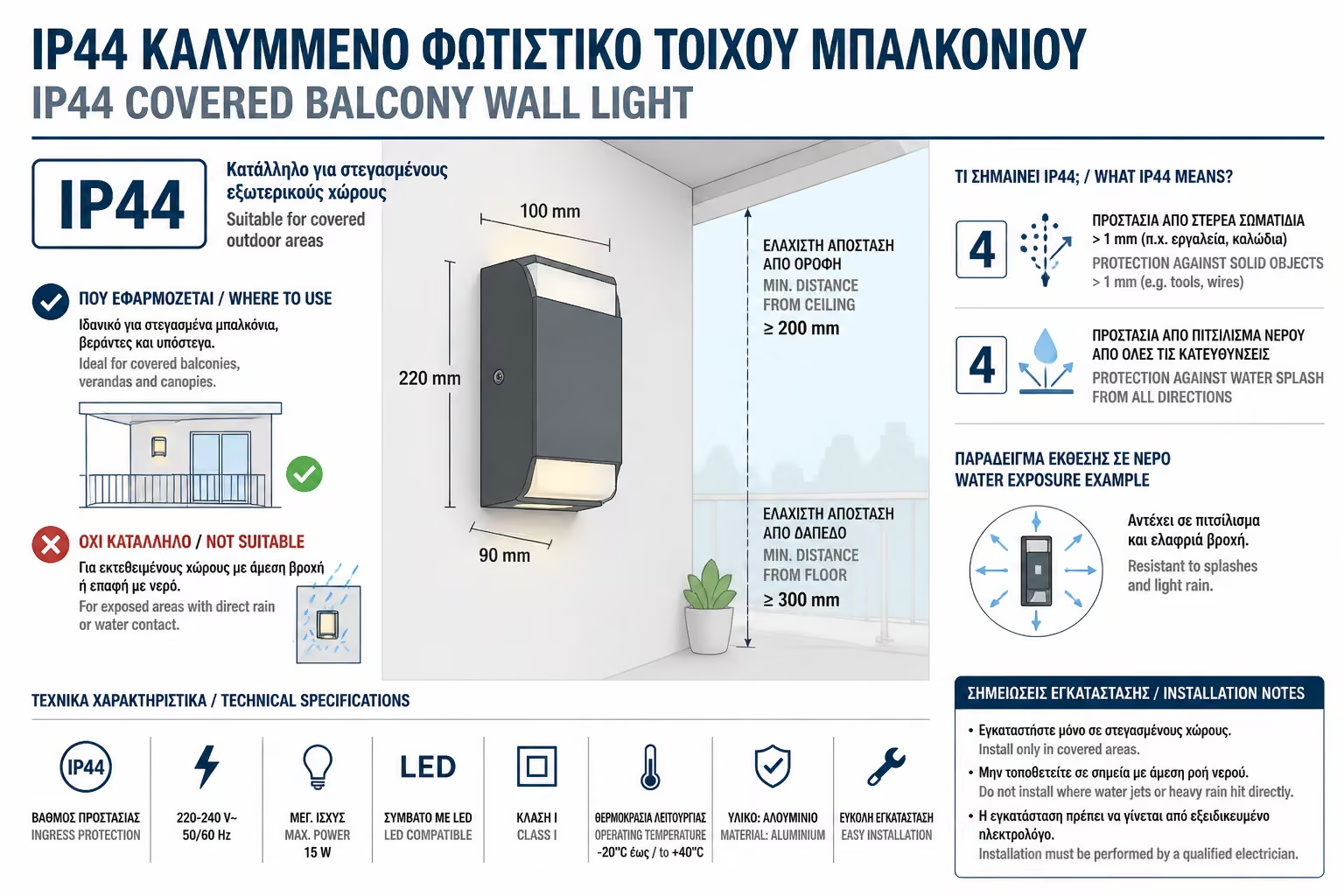
IP44 protects against solid objects larger than 1mm and against splashing water from all directions.
It is the ideal, economical solution for covered areas. You can use it for the sconce on the ceiling of a balcony, for wall sconces under large roof cornices or next to the front door if there is a shed.
NEVER put it exposed in the open sky or in the garden. Cannot withstand heavy, direct rain or watering hose.
IP65 is the "gold standard" of outdoor lighting. It is absolutely dustproof (6) and withstands water under pressure (water jets) from any direction.
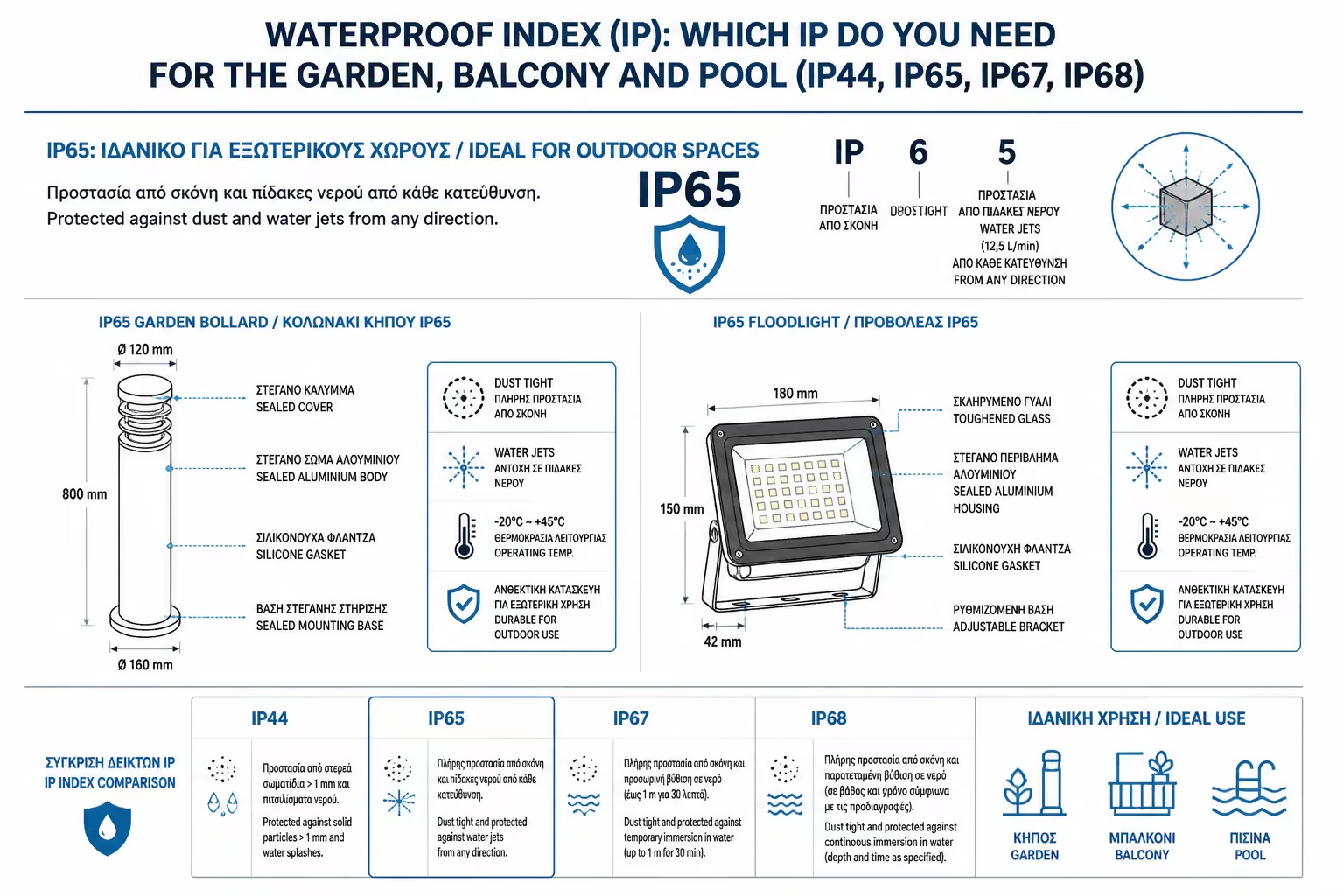
Everywhere! It is the right choice for wall lights (sockets) on completely open, uncovered walls. It is the IP that the bollards that illuminate the paths must have, as well as the floodlights that are nailed into the soil and "bath" the trunk of a tree, while being hit by automatic watering.
Even if your balcony is covered, if you live near the sea or in an area with strong winds that "turn" the rain horizontally, prefer IP65 instead of IP44.
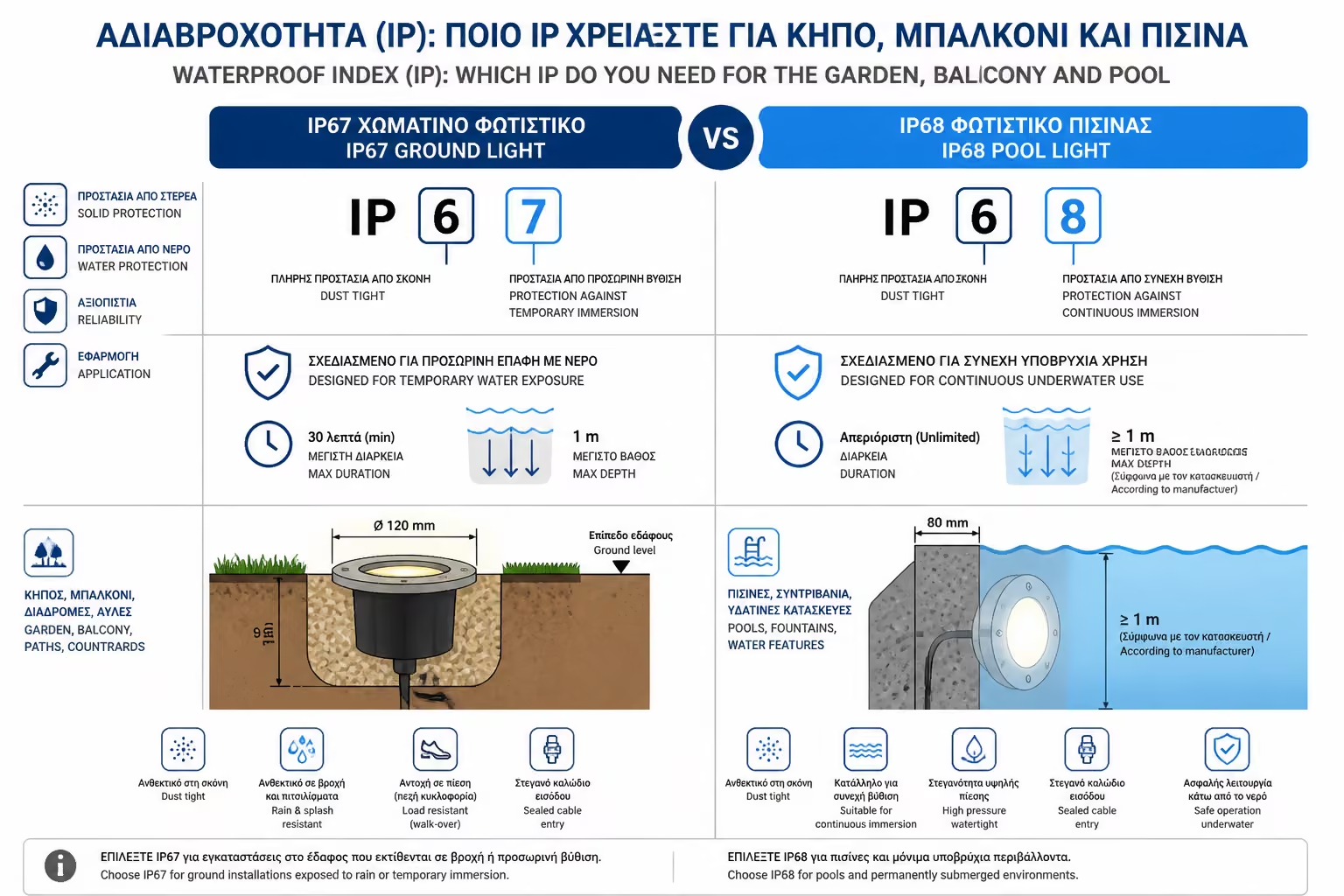
IP67 goes one step further. Withstands temporary immersion in water (up to 1 meter deep for 30 minutes).
IP68 means permanent and continuous immersion in water, at the depth specified by the manufacturer.
In the pool, in decorative ponds (ponds) and in fountains.
As we said in the bathroom chapter, no underwater light should work with 230V! Even if they are IP68, the pool lights work STRICTLY with low voltage (12V or 24V), and their transformer is placed kilometers away (so to speak) in a completely sealed and protected place.
When planning outdoor lighting, the money you save by buying low IP (eg IP20 or IP44) outdoor fixtures will pay double to the electrician after the first winter to replace burnt out bulbs and rusted wires. The rule is simple: IP44 for sheds, IP65 for rain, IP67 for ground and IP68 for in water.
Next Step: Now that we know how to choose light fixtures that withstand the rain, let's see how to make our outdoor space inaccessible to uninvited guests. Continue to our practical guide: Security Floodlights with Motion Detector (PIR): Correct placement, setting sensitivity and range.
Return to category.
Go to categoryReturn to the central guide.
Go to guide