Pool Lighting & Underwater Lights: Safety Rules, 12V vs 24V and
Maintenance
Few things enhance the aesthetics of an outdoor space like a lit pool at
night. The water acts like a giant natural refractor, taking the light
and magically diffusing it throughout the garden.
But behind that magic lies the most demanding and potentially dangerous
whole-home electrical environment. Here we are not just talking about
rain or humidity, but permanent immersion in water full of chemicals
(chlorine or salt), while at the same time people are swimming in it.
As engineers, our attitude is non-negotiable: In pool lighting there is
no room for "patents", cheap solutions or hobbyists. Let's
take a look at the strict rules governing underwater lighting, the
difference between the trends and how to maintain them.
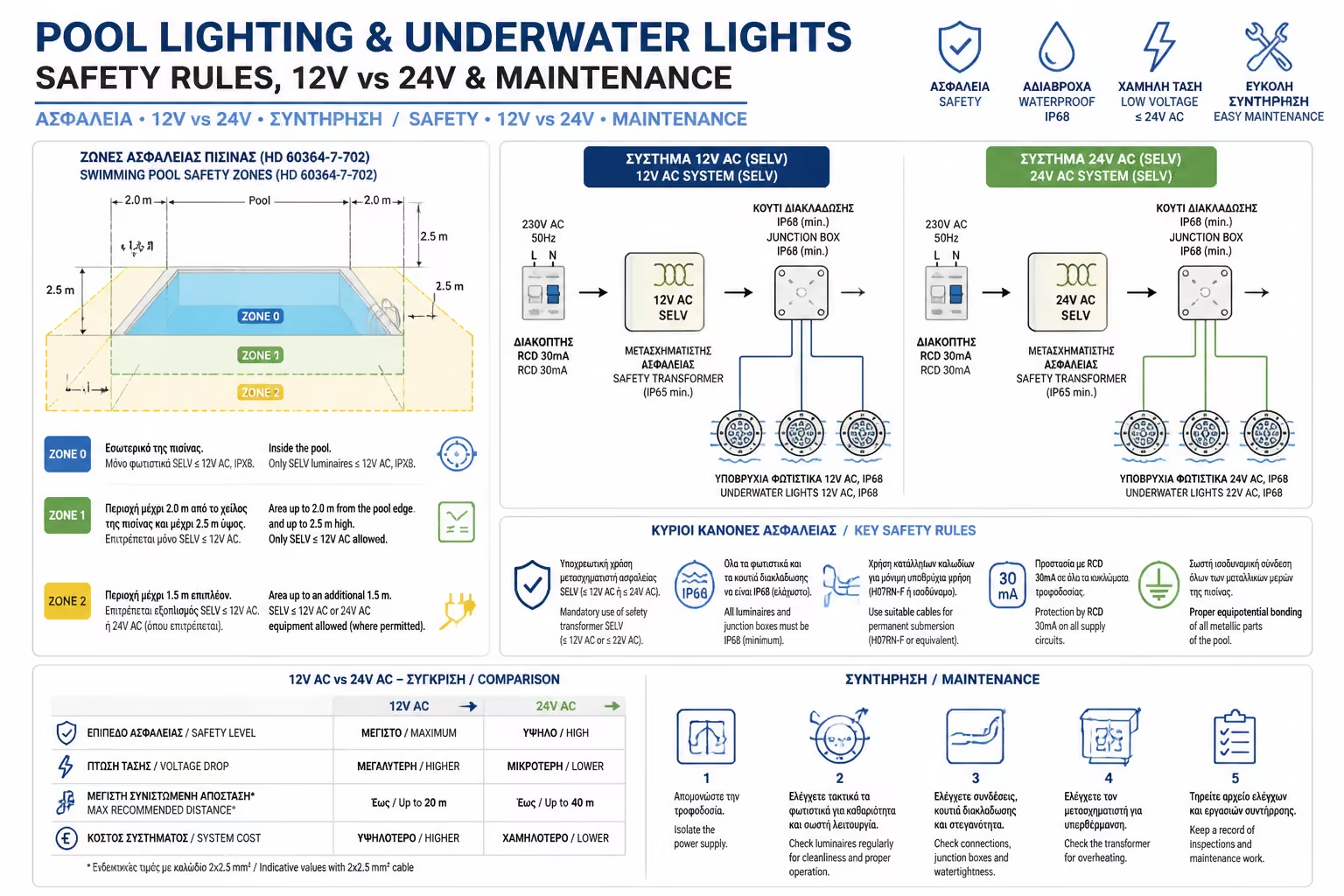
1. The Absolute Rule: Safety Low Voltage (SELV)
The mains current (230 Volt) is strictly prohibited even for a bat to
approach the pool water. All underwater lights must operate with Very
Low Safety Voltage (SELV - Safety Extra Low Voltage), i.e. at 12V or
24V.
In the event that the glass of the lamp breaks and water comes into
contact with the cables, the 12V or 24V current is absolutely
harmless to the human body. Does not cause electric shock.
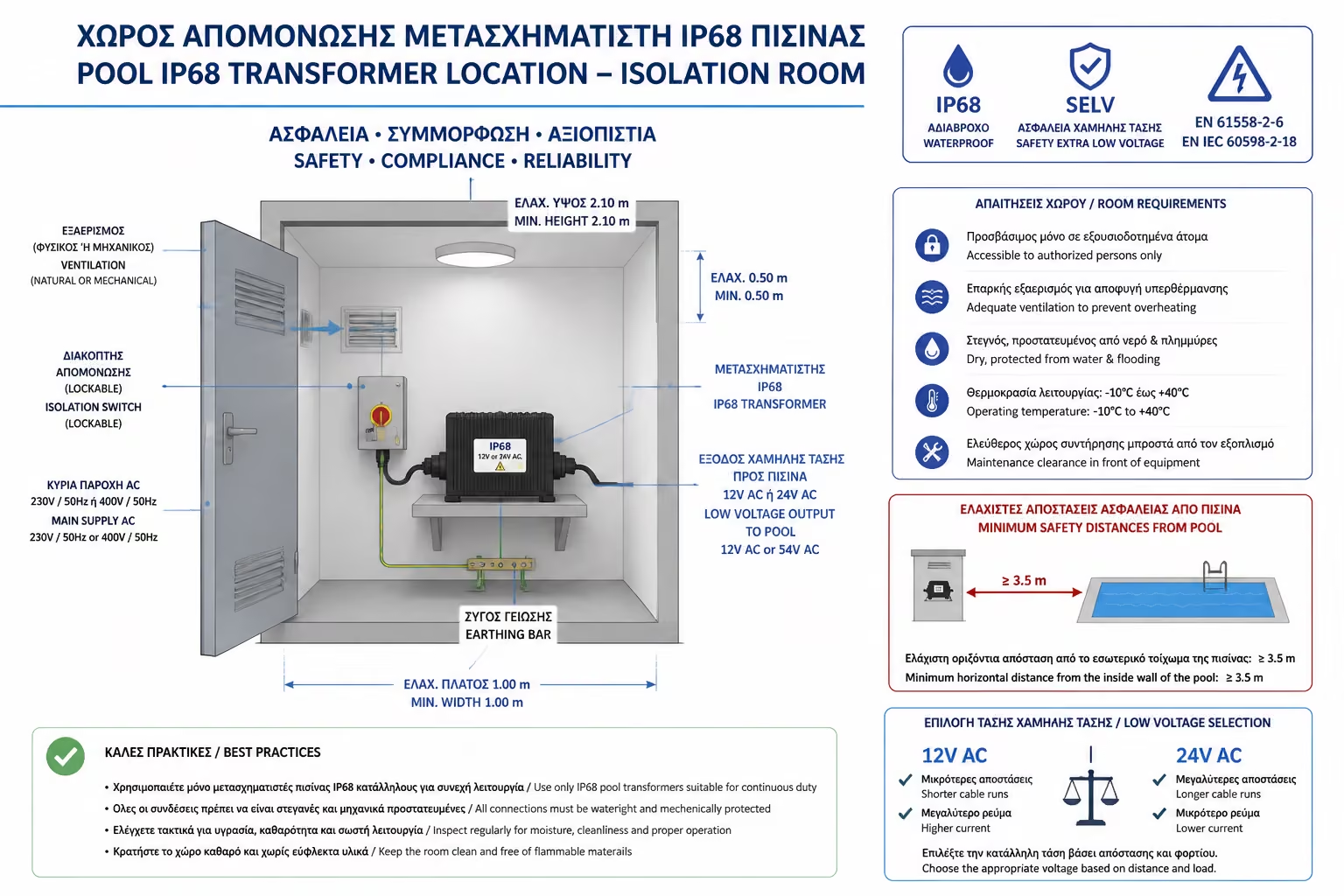
The Transformer: This low voltage is produced by special isolation
transformers. The crucial thing here is their location: The
transformer (which takes the dangerous 230V and makes it harmless
12V) must be located kilometers away (so to speak) from the pool. It
must be installed in a dry, ventilated area (e.g. in the engine room
or on the central panel) and NEVER next to water.
12V vs 24V: Which should I choose?
Traditionally, all old halogen pool lights worked on 12V
(alternating - AC). Today, with the dominance of LEDs, we see more
and more systems at 24V (continuous - DC). The 24V voltage is
advantageous in new constructions because it has a smaller
"voltage drop" in long cables. If the engine room is 30
meters from the swimming pool, the 12V may "fade out" on
the road and the lamp will shine less. 24V solves this problem.
Also, 24V offers much better control of modern, colorful RGB LED
lights.
2. Waterproof Rating (IP68) & Construction Material
As we mentioned in a previous guide, underwater lights must be
strictly IP68 marked. But tightness alone is not enough. Pool water is
extremely corrosive.
Chlorine & Acid
They corrode common metals and "dry out" cheap plastics.
Saltwater pools
If you have a pool with salt, the water is even more
"aggressive".
The solution
Quality pool lights are made from special alloys, such as Stainless
Steel 316L (Marine Grade) or from extremely resistant polymer
plastics (ABS). Never buy a fixture with inferior steel (eg 304)
because it will rust within one season.
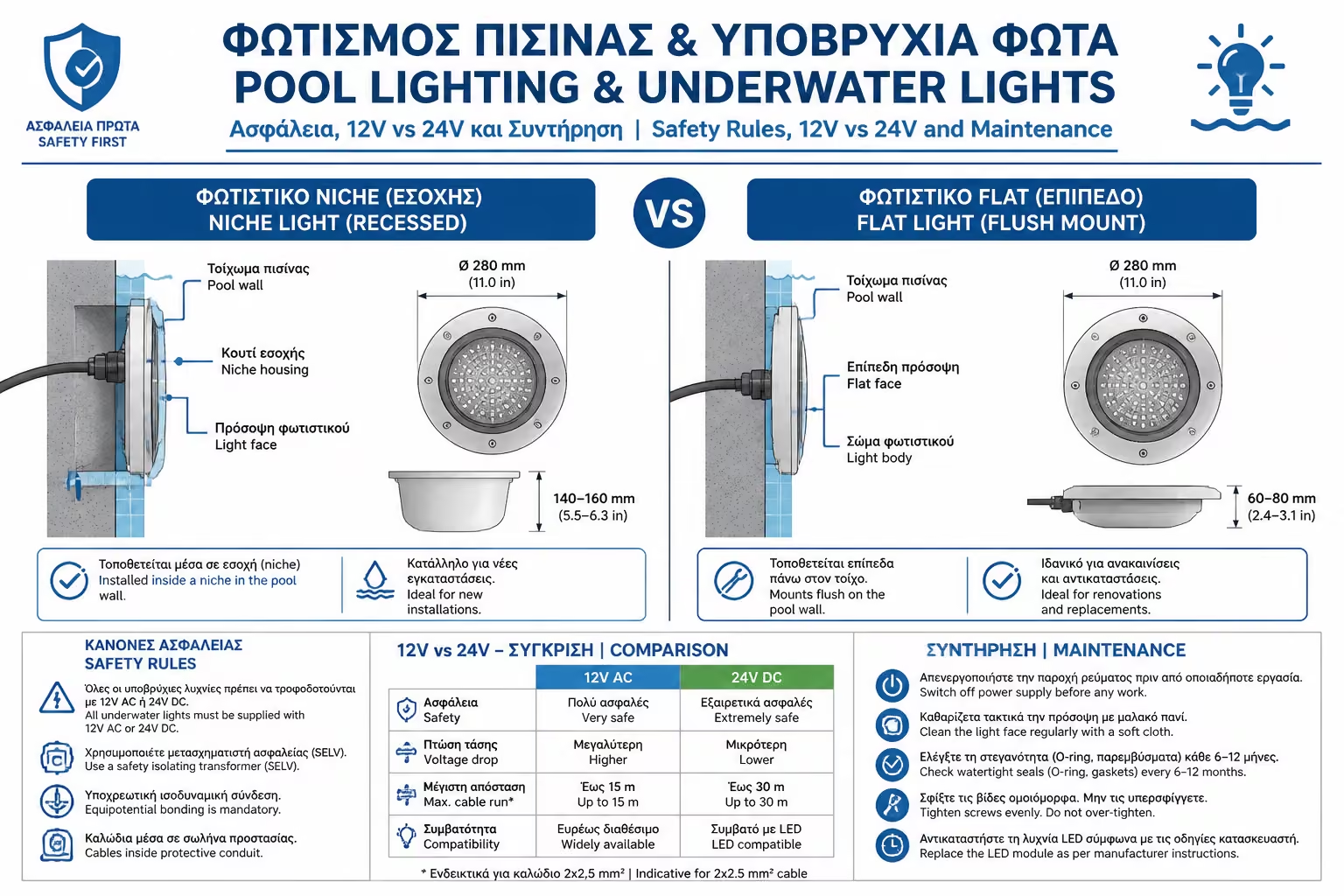
3. Built-in (Niche) vs Wall (Flat) Lighting
There are two basic types of pool wall installation:
Recessed / Recessed (Niche): This is the classic method (usually for
the large PAR56 type lamps). During the construction of the pool, a
plastic nest (niche) is "built" inside the concrete. The
lamp snaps into this socket and comes "face to face" with
the wall, without sticking out.
Surface Mounted / Flat: They are screwed directly onto the pool wall
and protrude slightly (1-3 cm) into the water. They are much easier
to install (requiring only a small hole for the cable) and ideal for
renovations of old pools.
4. Light Color: Cool, Warm or RGB?
The choice of color completely changes the appearance of the water:
Cool White (6000K)
It is the most popular choice in modern swimming pools. The cool
light reflects off the blue/white tile or liner and makes the water
look crystal clear and "tropical" blue.
Warm White (3000K)
Attention! The yellow/warm light, when mixed with the blue color of
the pool, creates a greenish (Teal/Aqua) effect. Some like it
because it looks like a natural lake, but others find it
"dirty".
Multicolor (RGB / RGBW)
You can change the color (red, purple, green) via remote control or
mobile. It's impressive for parties, although in everyday life most
people end up working them permanently in white/blue.
5. The big question: "Do I have to drain the pool to change the
light bulb?"
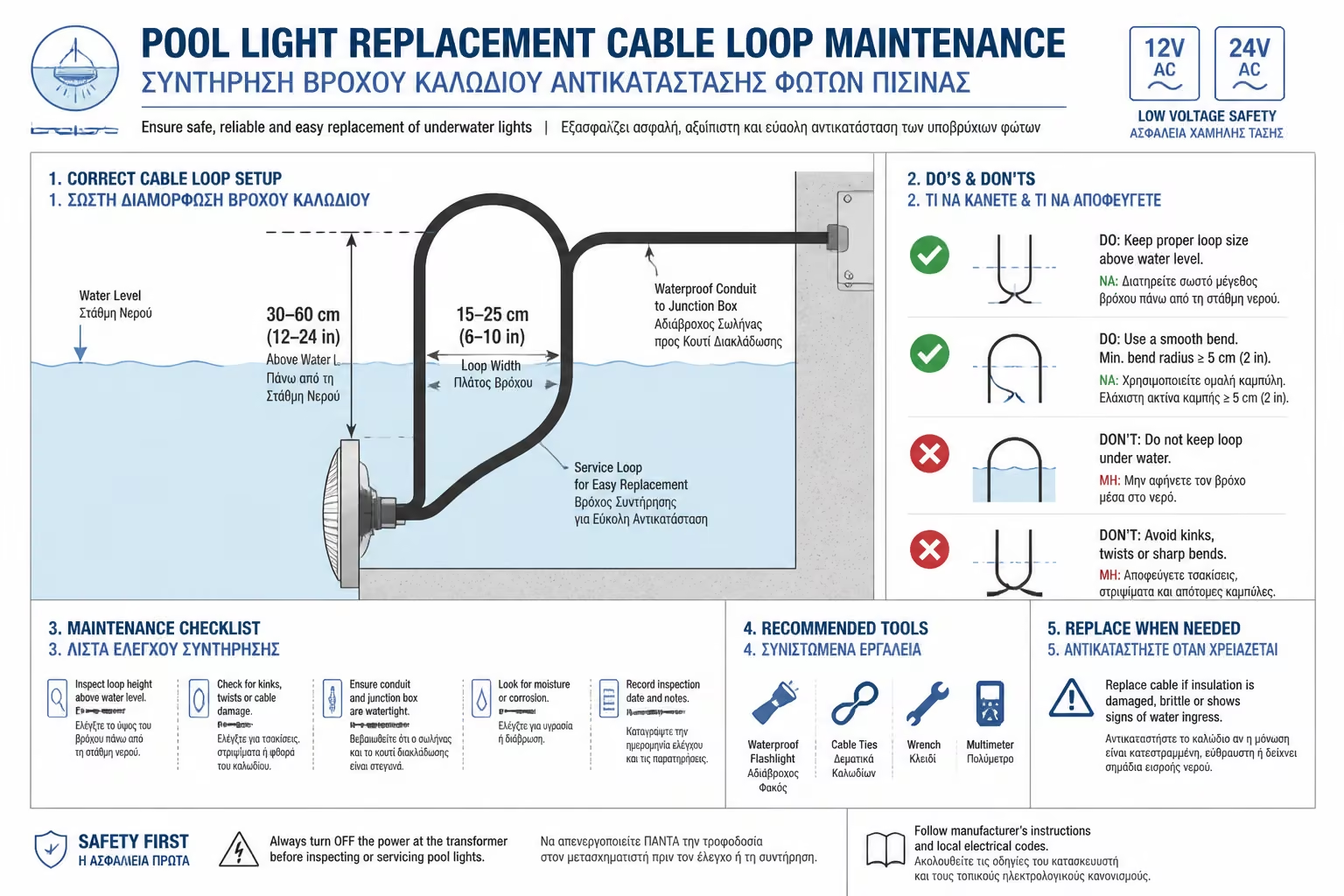
This is the most common question from owners when an underwater spot
burns out. The answer is No. The engineering behind pool lights has
anticipated this scenario. Behind the luminaire (inside its socket), the
installer is required to leave approximately 1 to 1.5 meters of coiled
cable.
ATTENTION TO MAINTENANCE (O-Ring): When you open a sealed lamp, the
pressure on its rubber gasket (the so-called O-ring) breaks down. The
golden rule of professionals says: Every time we change a lamp, we must
also change the O-ring with a new one, applying special silicone grease.
If you keep the old, compressed hose, it's almost certain that the
fixture will take on water within the next few weeks and be completely
destroyed.
The Process
Unscrew (usually 1-2 screws) the bezel of the light under water.
Pull the entire "body" of the lamp out. Thanks to the long
cable, you take it out of the water and rest it on the dry tiles of
the surrounding area. There you open the lid, change the bulb (or
LED panel) and submerge it again.
Summarizing
Pool lighting is an investment in the beauty and luxury of your garden,
as long as it is done with absolute respect for safety rules. Require
strength materials (316L, ABS), ensure the transformer (12V/24V) is in a
dry environment and do not skip the gasket change at every maintenance.
Next Step: In addition to the pool, we also have to supply electricity
to the garden lights. But, these cables have to go through the soil,
under lawns and tree roots. Continue to our technical guide: Garden
Wiring: How to protect cables in the ground from moisture and digging
tools.