The first digit (0-6)
Shows protection against dust and solid objects. (eg 6 means completely dustproof).
If in the kitchen we were looking for the perfect visibility and in the living room the ideal atmosphere, in the bathroom the absolute, non-negotiable ruler is one: Safety.
Water and electricity are a deadly combination. When you take a hot bath, the space fills with water vapor. Water vapor condenses, becomes droplets and can penetrate light fixtures, causing a short circuit or, even worse, an electric shock.
For this reason, the choice of lighting for the bathroom is not just a matter of taste. It is dictated by strict international regulations. As engineers, we go to "decode" the light labels and divide your bathroom into the correct electrical zones.
On the box of any serious light fixture, you'll see the letters IP (Ingress Protection) followed by two numbers (eg IP20, IP44, IP65). These numbers are not entered randomly. They show how "shielded" the lamp is against solid bodies (dust) and liquids (water).
Shows protection against dust and solid objects. (eg 6 means completely dustproof).
This is what we care about in the bathroom! Shows protection from water. The higher the number, the more water it can withstand (from simple splashes to... sinking to the bottom).
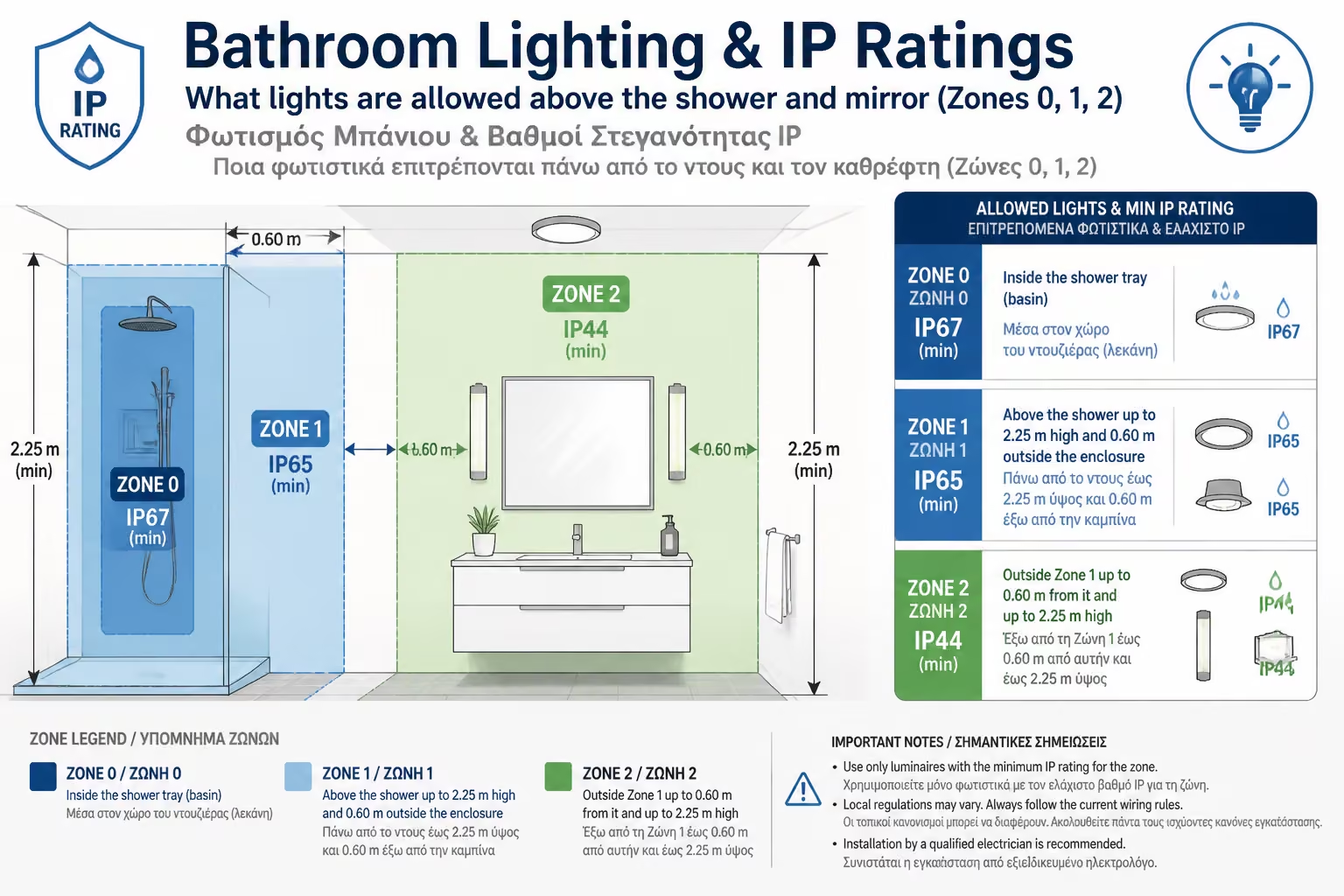
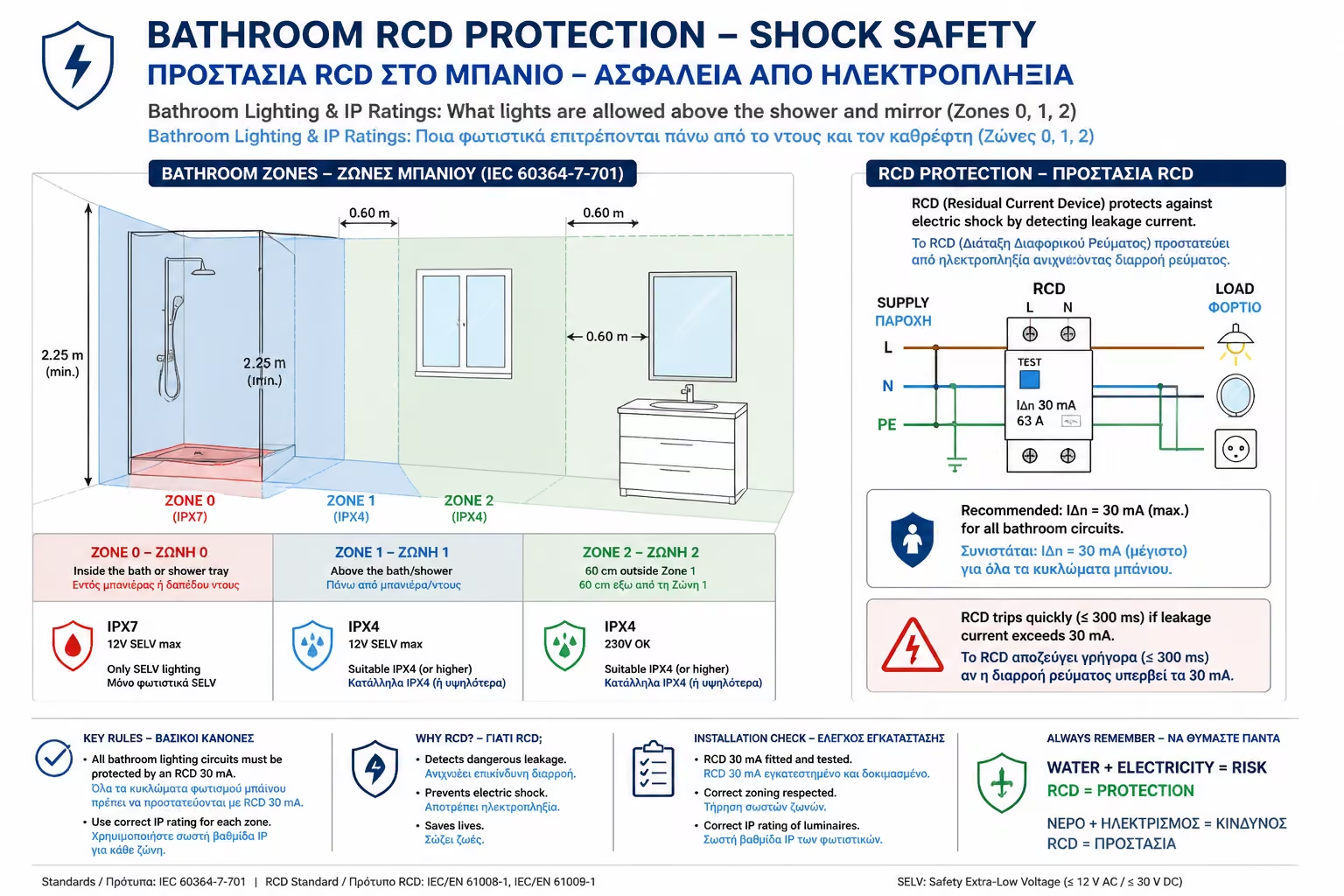
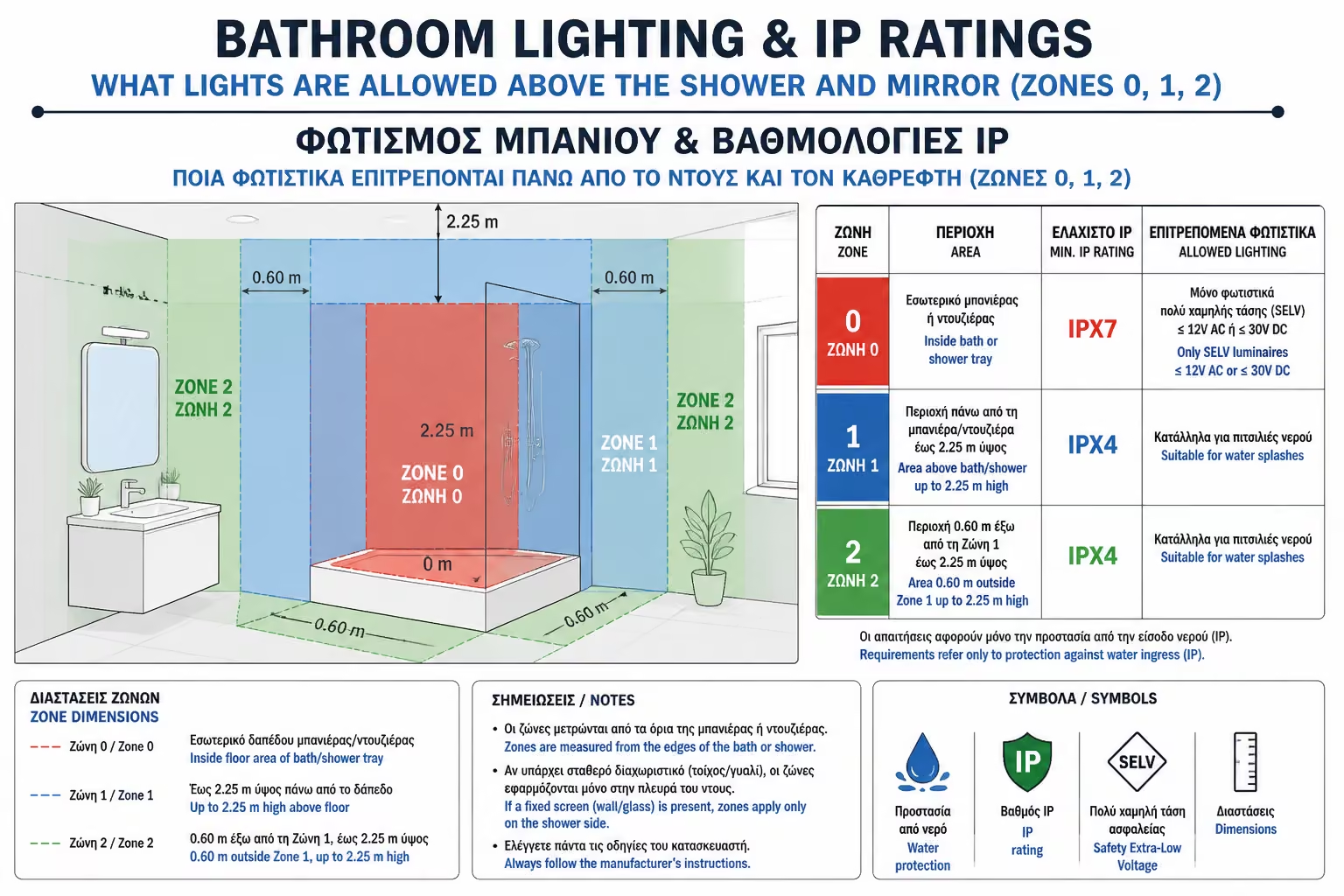
The regulations (such as the IEC/ELOT standard) divide the bathroom into specific "Zones", depending on their distance from the water source (bathtub or shower). In each zone, specific IP is allowed.
This is the area inside the tub or shower floor (where water collects). * What is allowed: Here the lamp can be submerged. Absolute IP67 or IP68 (underwater lights) required. In addition, the current must be extra low voltage (SELV), strictly up to 12V, with the transformer located outside the bathroom. We never put a 230V lamp here!
It is the air "cylinder" that rises directly above the bathtub or shower, up to a height of 2.25 meters from the floor. Where the water "explodes" from the shower phone. * What is allowed: Here, the fixtures can be directly sprayed with water under pressure. Recessed spots or ceiling lights with an IP65 index are required. Here again, the safest practice is to use low voltage (12V or 24V), although IP65/230V are permitted by regulation (provided the line has the correct leakage relay).
It is an imaginary "ribbon" 60 cm wide that embraces Zone 1 (perimeter from the bathtub). Also, Zone 2 includes the area around the sink within a radius of 60 cm from the faucet (that is, where we wash our hands and the water splashes). * What is allowed: Here the lamps accept splashes and water vapors. The minimum required index is IP44. It's the classic category for "mirror lights" and vanity sconces.
It concerns the rest of the bathroom, quite far from the sink and shower. What is allowed: In theory, the legislation allows simple IP20 lights (such as those in the living room). However, as engineers we strongly advise:* Because in small Greek bathrooms water vapor fills the entire space when we shower with hot water, it is wise to use at least IP44 throughout the bathroom ceiling, so that the contacts do not oxidize and the metal parts of the lamps rust over time.
Having solved the issue of safety (by choosing IP44 lamps), we go to practicality. The mirror is the "workstation" of the bathroom.
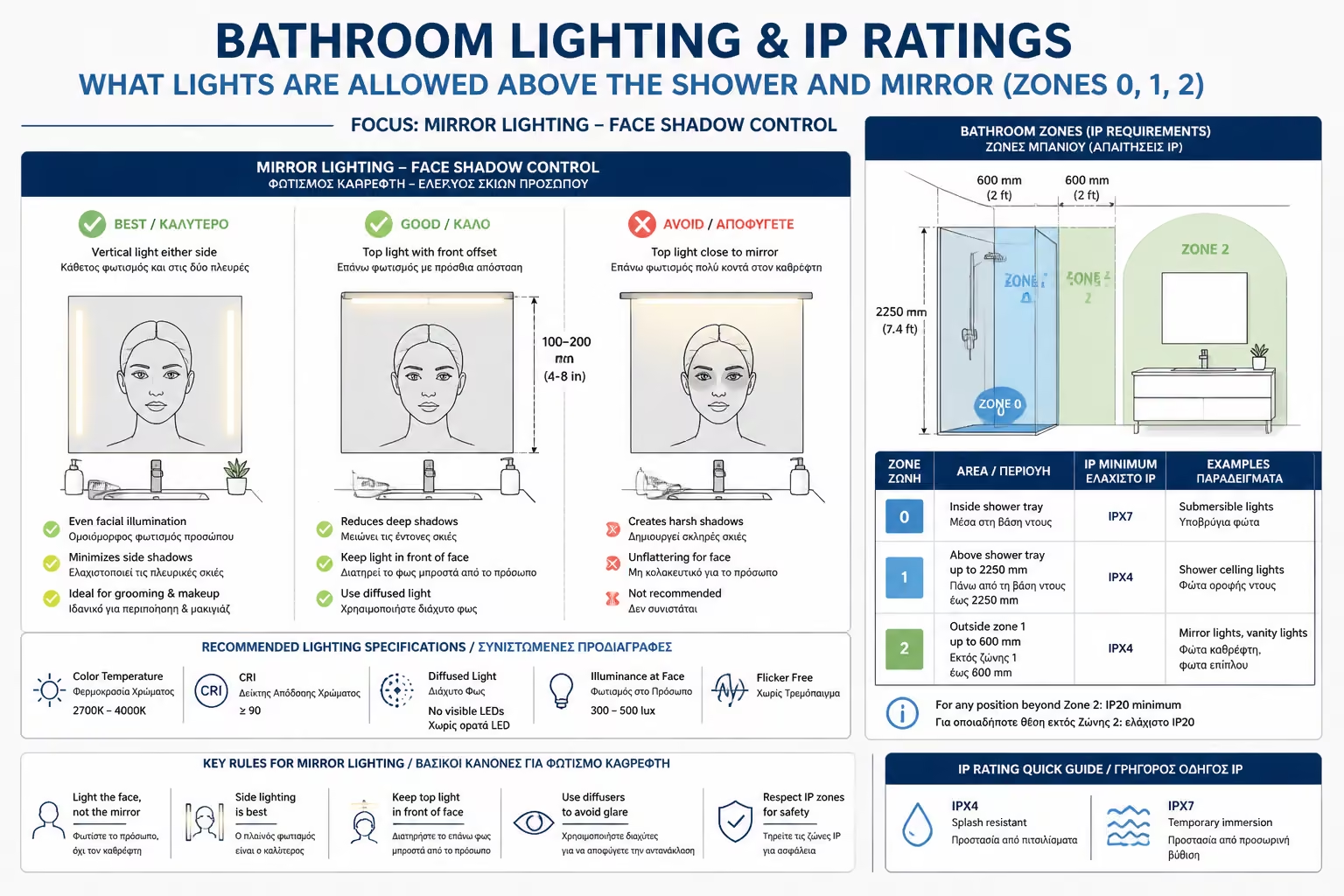
Many people put a powerful spot on the ceiling, directly above their head. This creates harsh, vertical shadows under the eyes, nose and chin, making shaving or applying makeup impossible.
The light should "hit" your face from the front. The ideal solution is two sconces (IP44), left and right of the mirror, at eye level. Alternatively, a long, narrow LED bar directly above the mirror, shining towards you.
As we mentioned in the previous chapter, the light here must be strictly Natural (4000K) with a high CRI (>90), to see the true shade of skin and cosmetics.
No matter how many waterproof IP65 lights you put in, the golden rule of electricity says this: The entire bathroom circuit (lights and sockets) must be protected by a modern, tested 30mA Leakage Relay in your central panel. If water manages to find its way into the stream, the relay will cut off the supply in milliseconds, saving your life.
The next time you buy spotlights for the bathroom ceiling, don't be fooled by the cheap, simple spotlights (IP20) in the corridor. Require IP65 for the area above the shower/tub and IP44 for the mirror. Your peace of mind when the children are bathing is worth the few euros of difference.
Next Step: We secured the bathroom and the kitchen. Now it's time to relax and create the perfect atmosphere. How do we "build" the lighting in a living room to look like a luxury hotel? Continue to our guide: Basic, Functional & Ambient Lighting (Layered Lighting): The 3-layer rule for a perfect living room.
Return to category.
Go to categoryReturn to the central guide.
Go to guide