The Ultimate Convenience
You take them out of the box and nail them to the ground. You are done. You don't need an electrician.
Reading the previous guide with the digging, pipes and protective netting, it's perfectly reasonable to think, "Why go to that hassle and expense? I'm just going to buy 20 solar lights, stick them in the lawn, and I'm done!"
This is the promise of solar lights: Zero digging, zero cables, zero electricity bill. It sounds like the ultimate DIY "dream". But as engineers, we have to ground you in reality. Solar lights have made huge leaps in technology by 2026, but they can't (yet) fully replace a permanent, wired installation.
Let's put the two technologies on the scale, to see where it's worth investing your money.
Solar lights have a small photovoltaic panel (usually on top) that charges an internal battery during the day to power the LED at night.
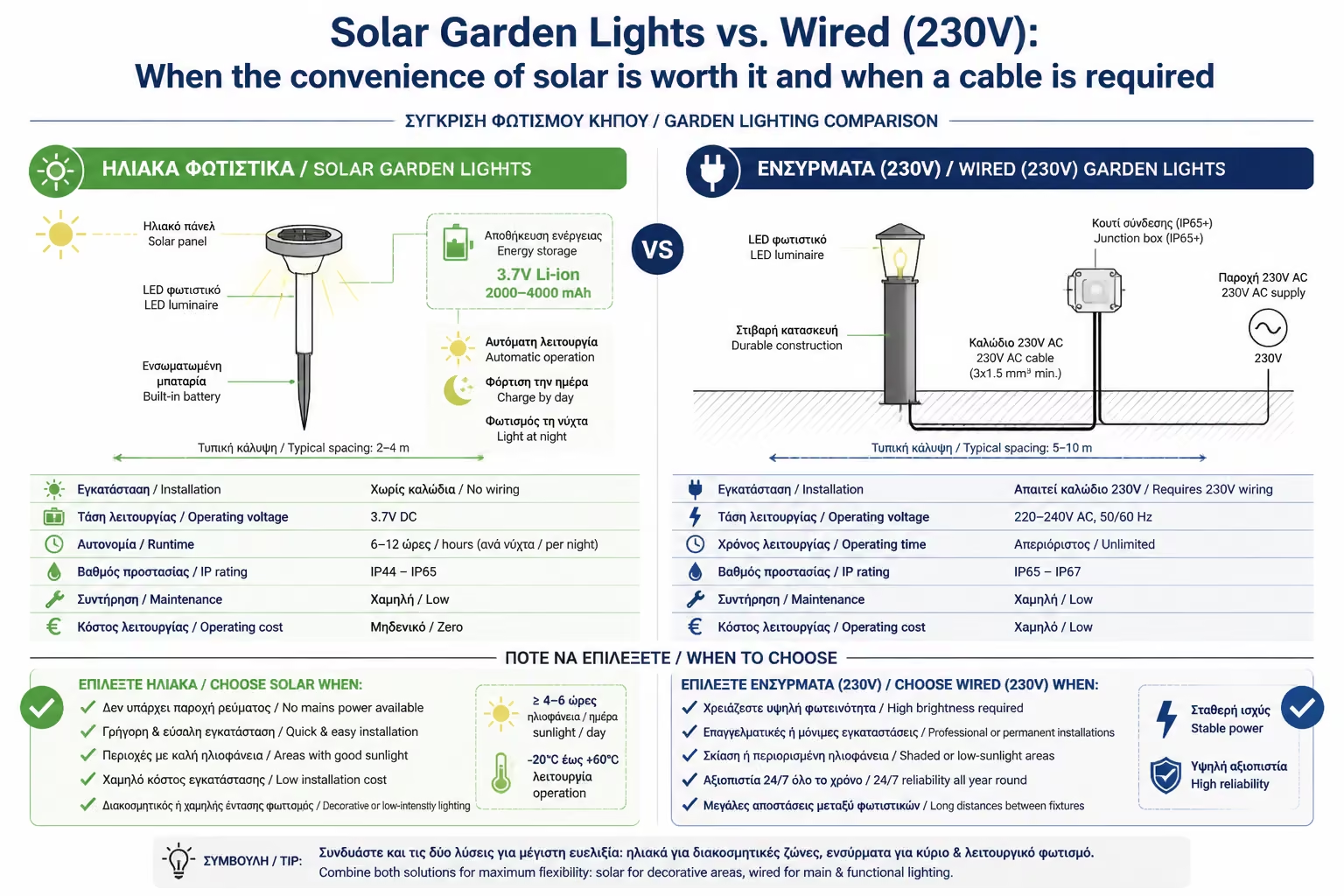
You take them out of the box and nail them to the ground. You are done. You don't need an electrician.
Because there's no mains power, there's absolutely no risk of electric shock, even if you accidentally cut it with your lawnmower or your dog chews on it.
Did you remodel the garden? You just take them out and nail them 2 meters further.
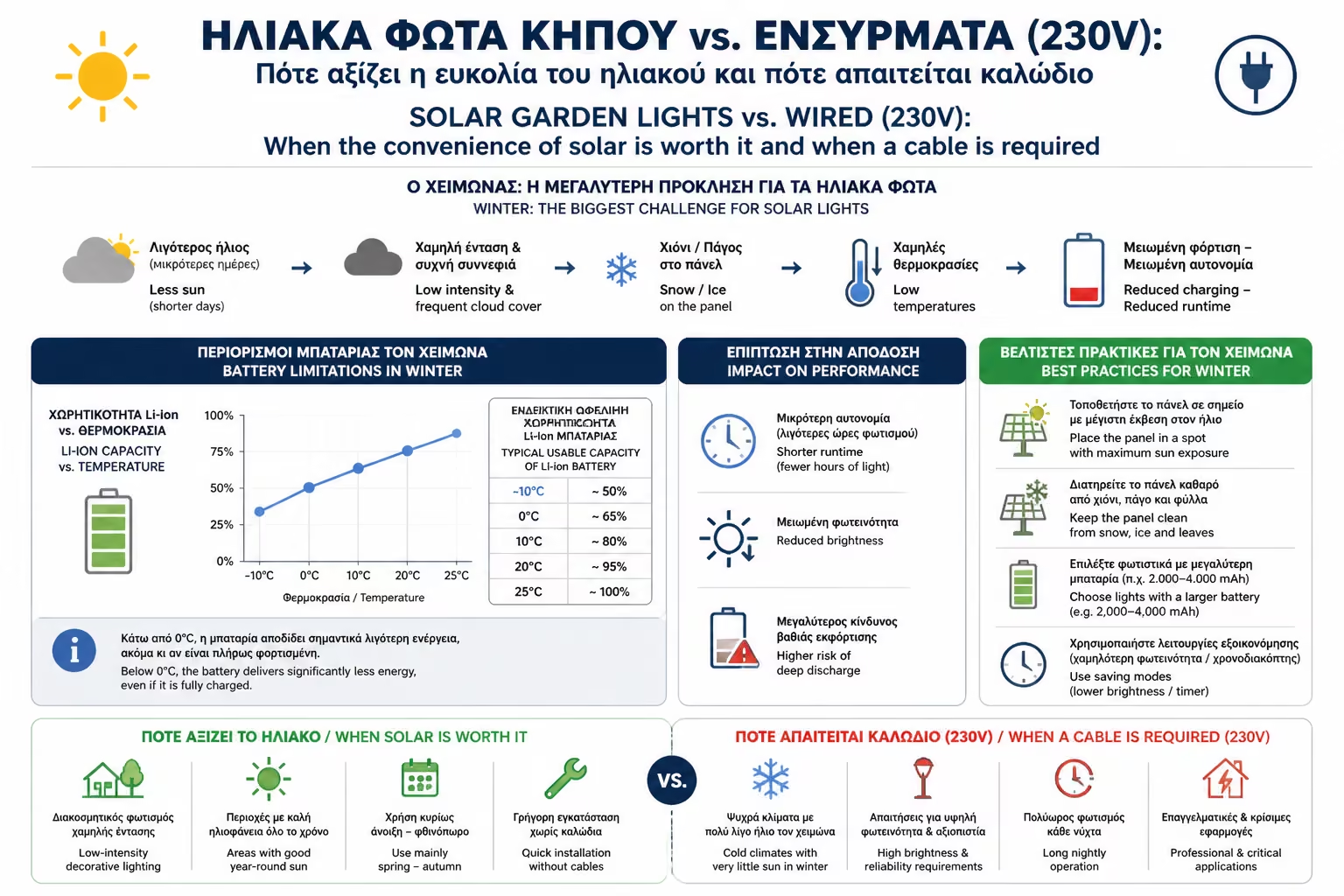
A solar light will work perfectly in July. In December, however, with 3 consecutive cloudy days and a short day, the battery will not have time to charge. The result? At 20:00 at night your garden will be dark.
Most "studded" solar lights on the market put out between 10 and 50 Lumens. This is decorative light (just enough to see where the path is), not functional or architectural lighting.
Cheap solar lights (e.g. €5) have poor quality batteries that "die" after 1-2 years. Then you just throw them away.
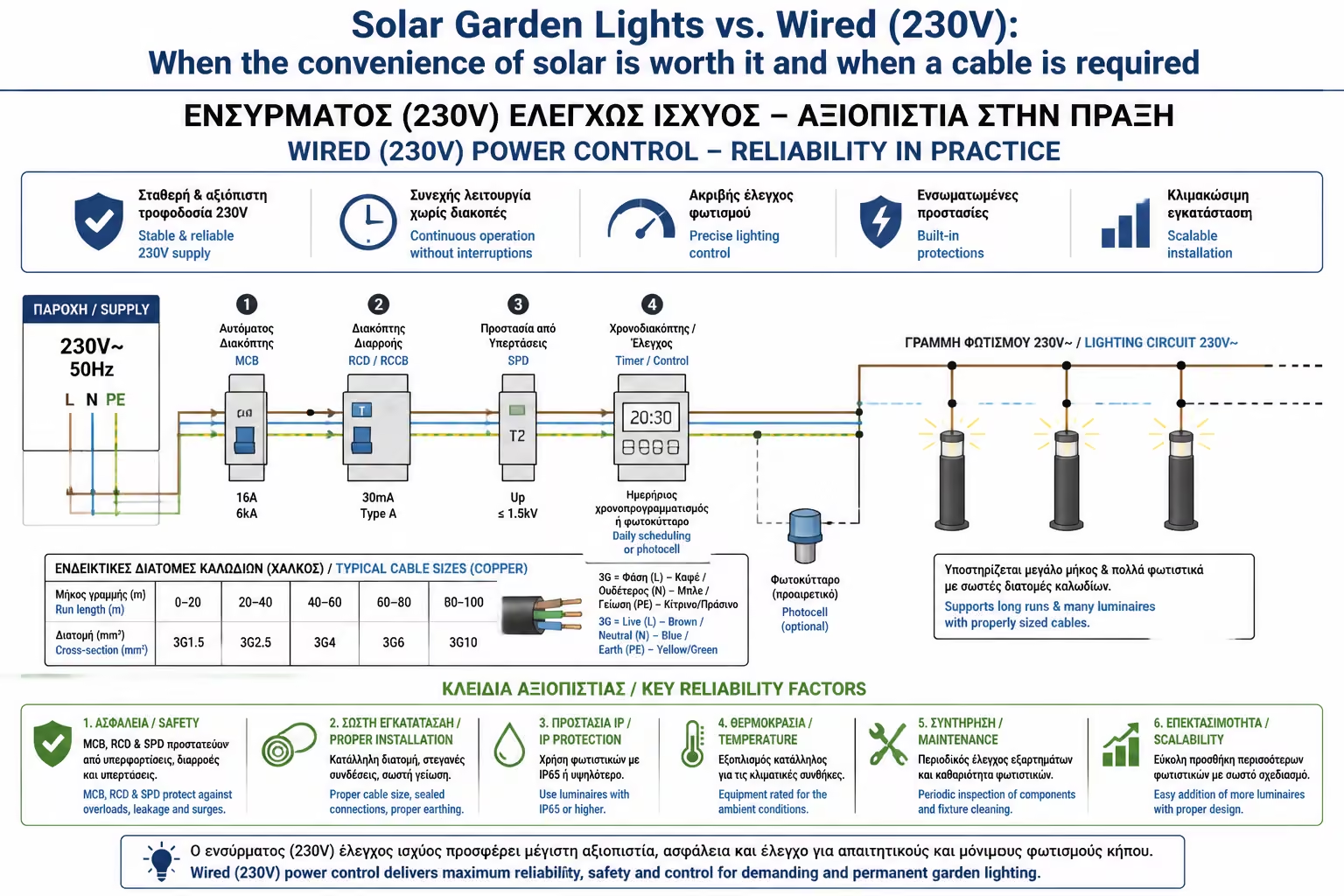
This is the classic method we saw in the previous chapter, where the lights are powered by your house panel.
Whether it's hot or snowing, the light will come on. You have 100% control and autonomy 365 days a year.
With wired lights, you have no power limit. You can bathe a huge plane tree with light (with a 3000 Lumens projector) or create strong architectural lighting (Wall Washing) on the facade of the house.
Wired lights can connect to smart switches, dim, change color and participate in complex scenarios with the push of a button on your mobile.
Excavation, pipes, resin sockets and an electrician are required. The initial installation cost is multiple.
Once the cord is down, the light stays there. If you want to move it 5 meters, you have to dig again.
The table below condenses the practical differences so you can quickly see which option fits your project better.
| Feature | Solar Lights | Wired Lamps (Wired) |
|---|---|---|
| Initial Cost | Low (You only buy the lamp). | High (Lighting + Cables + Electrician). |
| Operating Costs | Zero (Sun Free). | Very low (Due to LED technology). |
| Installation | 1 minute (DIY). | Days (Excavations, infrastructure). |
| Reliability in Winter | Low to moderate (Depending on cloud cover). | Excellent (Unaffected by weather). |
| Light intensity | Mostly Decorative (Low Lumens). | Powerful (Operational & Architectural). |
| Lifetime | 2-5 years (Battery/panel wear and tear). | 10-20+ years (Depending on IP and quality). |
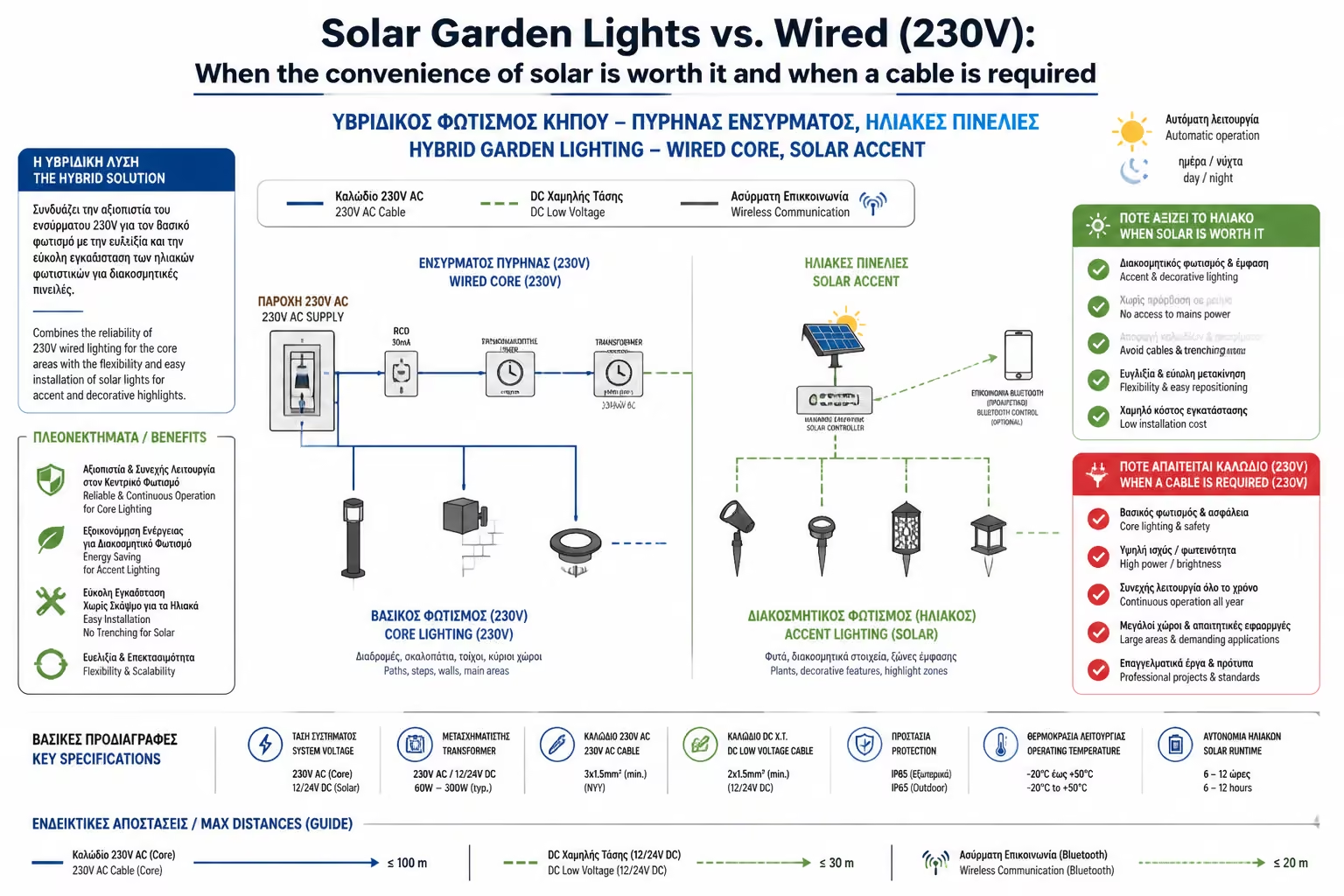
You don't have to choose one or the other. The most intelligently designed homes use a hybrid model, getting the best of both worlds:
Next Step: We have completed Category B (Exterior Lighting). We leave the homes behind and enter the tough, demanding world of business. Where light doesn't just create atmosphere, but increases productivity and sales.
We move into Category C - Professional & Industrial Lighting, starting with the number one problem of modern offices: Unified Glare Rating (UGR): Why it's critical in offices and how to ensure UGR < 19 for restful work.
Security floodlights, lights around the main entrance, facade sconces and main corridor lighting (where you walk) must be wired. These are the lights that are not allowed to betray you on a rainy winter night.
To illuminate the perimeter of the garden fence (if it's 50 meters away and not worth digging), to put decorative lanterns on the garden tables, or to throw small touches of light on low bushes, solar is the perfect, inexpensive solution! (Tip: Invest in more expensive solar models with Lithium batteries and large panels, avoiding the plastic solutions of the supermarket).
Return to category.
Go to categoryReturn to the central guide.
Go to guide