Cortisol
The stress and wakefulness hormone (wakes us up).
If you've made it this far, you understand that lighting is a science. We have ensured that the light is not blinding (UGR < 19), that it shows colors correctly (CRI > 90) and that it is intelligently controlled (DALI). All this is the pattern of the decade we are going through.
But now we move to the future.
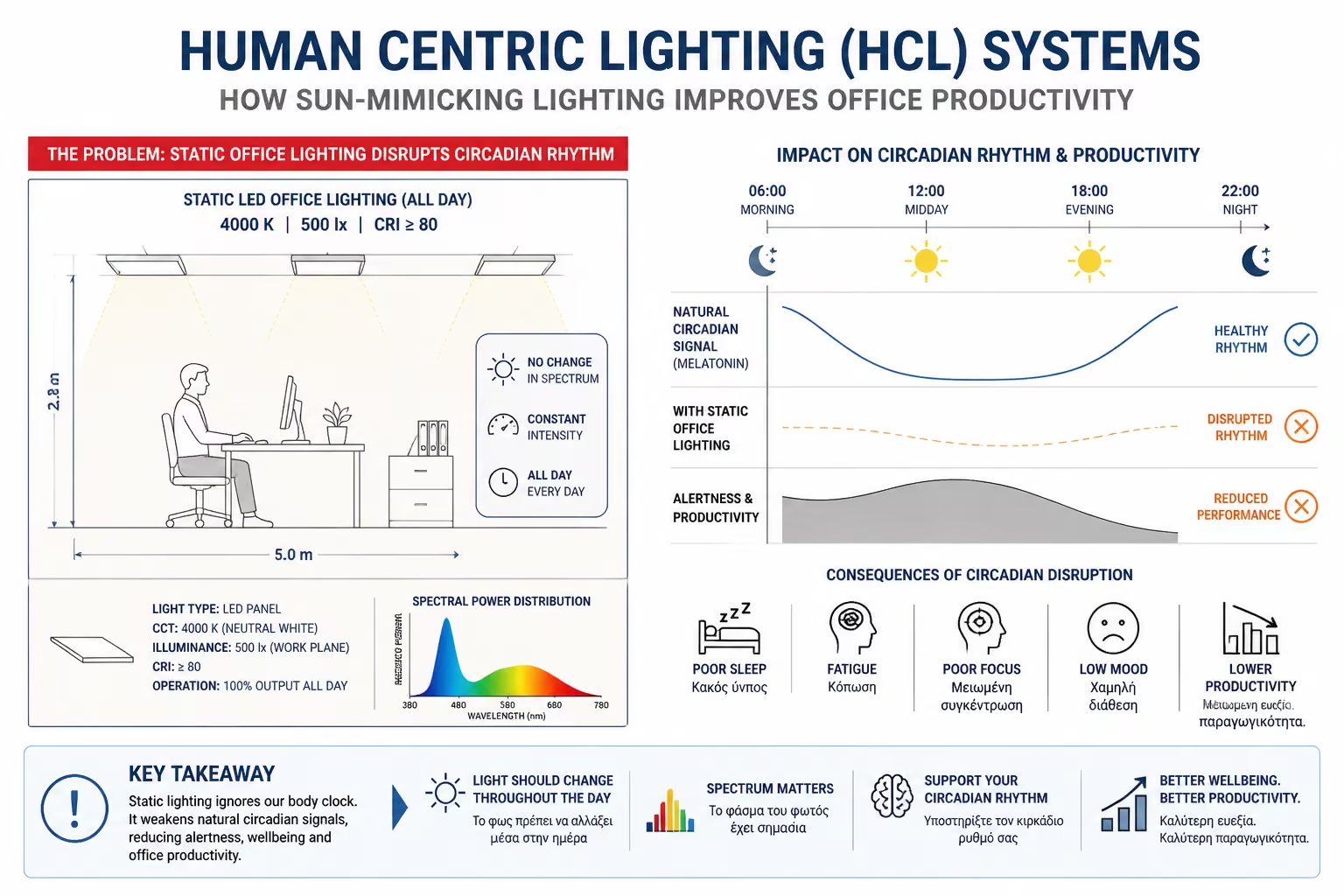
Think about your daily life: You wake up, get in the car, and spend 8 to 10 hours locked in a desk under a constant, unchanging 4000K bulb. Our biology, however, is not designed for this. The human brain has been "programmed" for millions of years to synchronize with sunlight, which constantly changes color and intensity from sunrise to sunset.
"Static" office light confuses our biological clock. The result? Insomnia at night, sluggishness after 2:00 pm and bad mood.
As engineers, our answer to this biological problem is Human Centric Lighting (HCL). Let's see how this revolutionary technology brings the sky... inside your office ceiling.
Our body works based on the Circadian Rhythm (the 24-hour biological clock). This rhythm is regulated solely by the light entering our eyes, which controls the secretion of two key hormones:
When you sit under a bright, constant 4000K light all day, the brain thinks it's permanently 12:00 noon. When you go home, your body can't produce melatonin in time, so you don't sleep well. The next day, you go to work tired. It's a vicious circle.
The stress and wakefulness hormone (wakes us up).
The sleep hormone (it relaxes us).
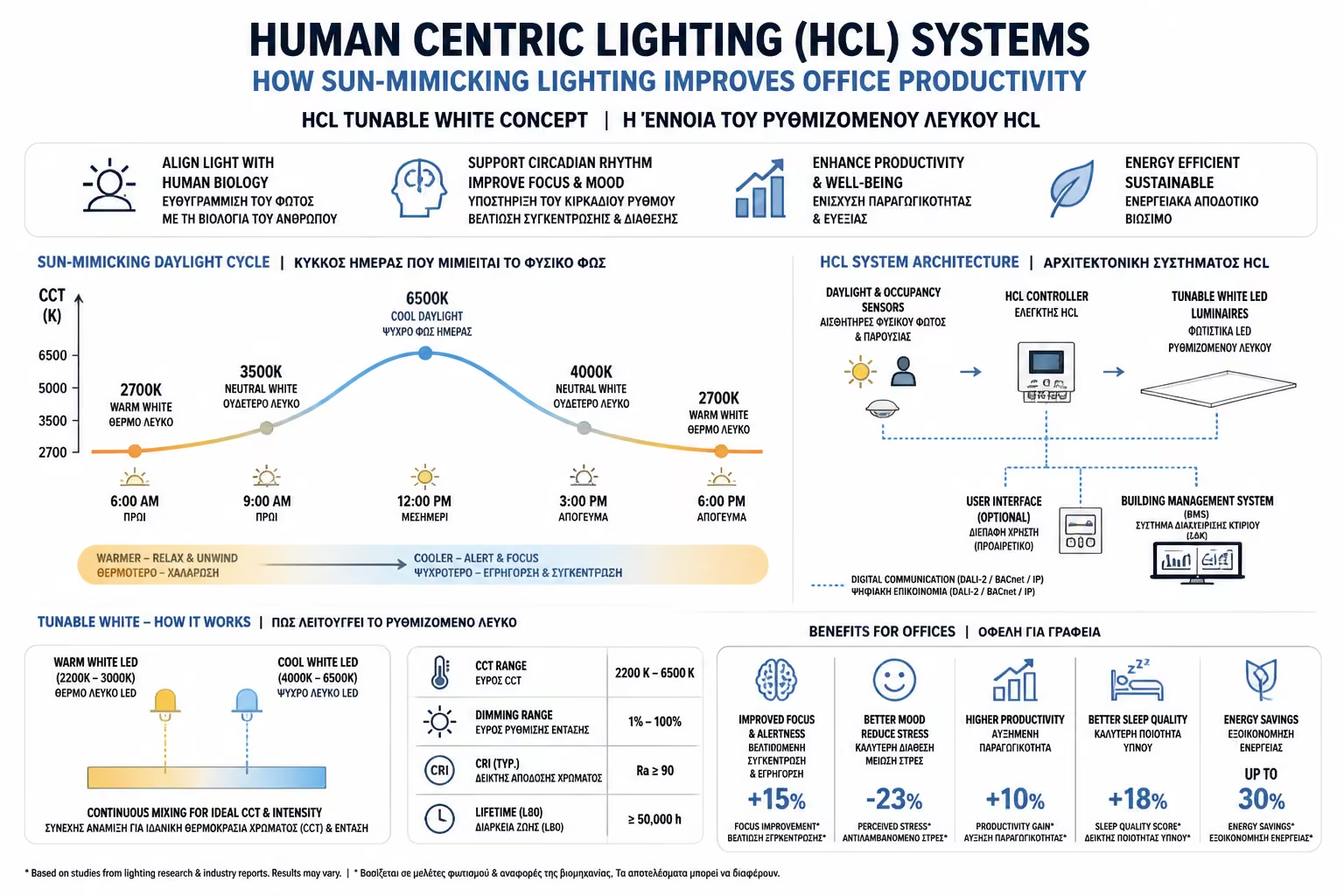
HCL is an intelligent lighting system that is not static. It uses special Tunable White technology LED lights in combination with an automation system (like the DALI we saw in the previous article).
Inside the lamp board itself there are both warm LEDs (eg 2700K) and very cold LEDs (eg 6500K). The system automatically and silently "mixes" these two sources, continuously changing both Color Temperature (Kelvin) and Lumens (Lumens) throughout the day to mimic the sun.
Let's see how HCL "directs" light in a modern work environment (everything is done automatically, without pressing any switches):
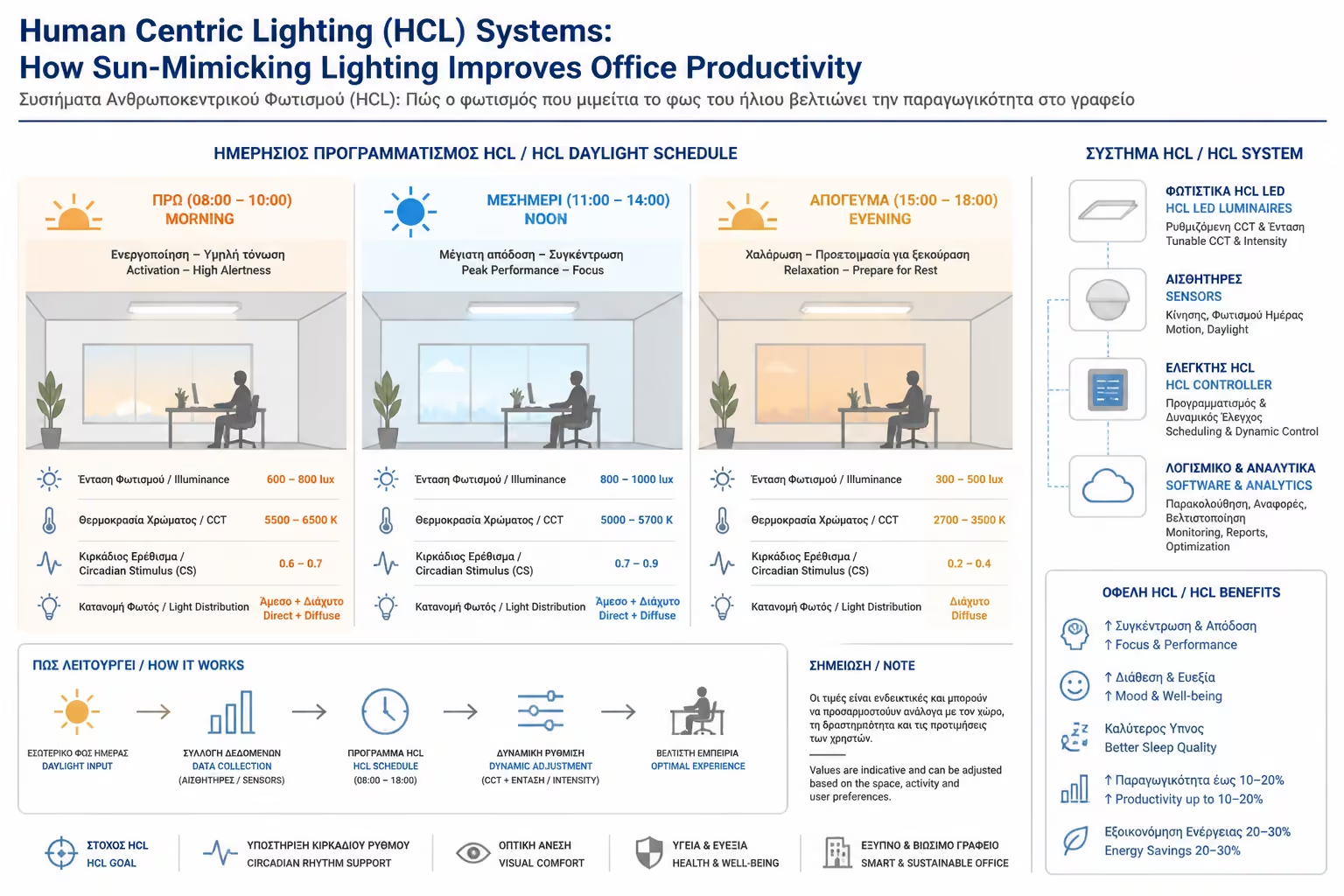
As employees arrive at the office, the ceiling emits a very intense, Cool White light (5000K - 6000K) with high brightness (e.g. 700 Lux). This "frozen" blue light "hits" the receptors of the eye, stops the production of melatonin and stimulates cortisol. The body wakes up violently and attention is thrown. It's your morning coffee in light form.
The light "calms down" to a purer, Natural White (4000K - 4500K) at 500 Lux. It is the ideal, relaxing lighting for reading, computers and concentration.
The sun outside is starting to go down. HCL follows. The office light "sweetens" gradually, switching to Warm White (3000K) and the intensity decreases. This signals the brain that the day is ending. Stress (cortisol) drops, workers feel calmer and their bodies biologically prepare for a deep sleep at night.
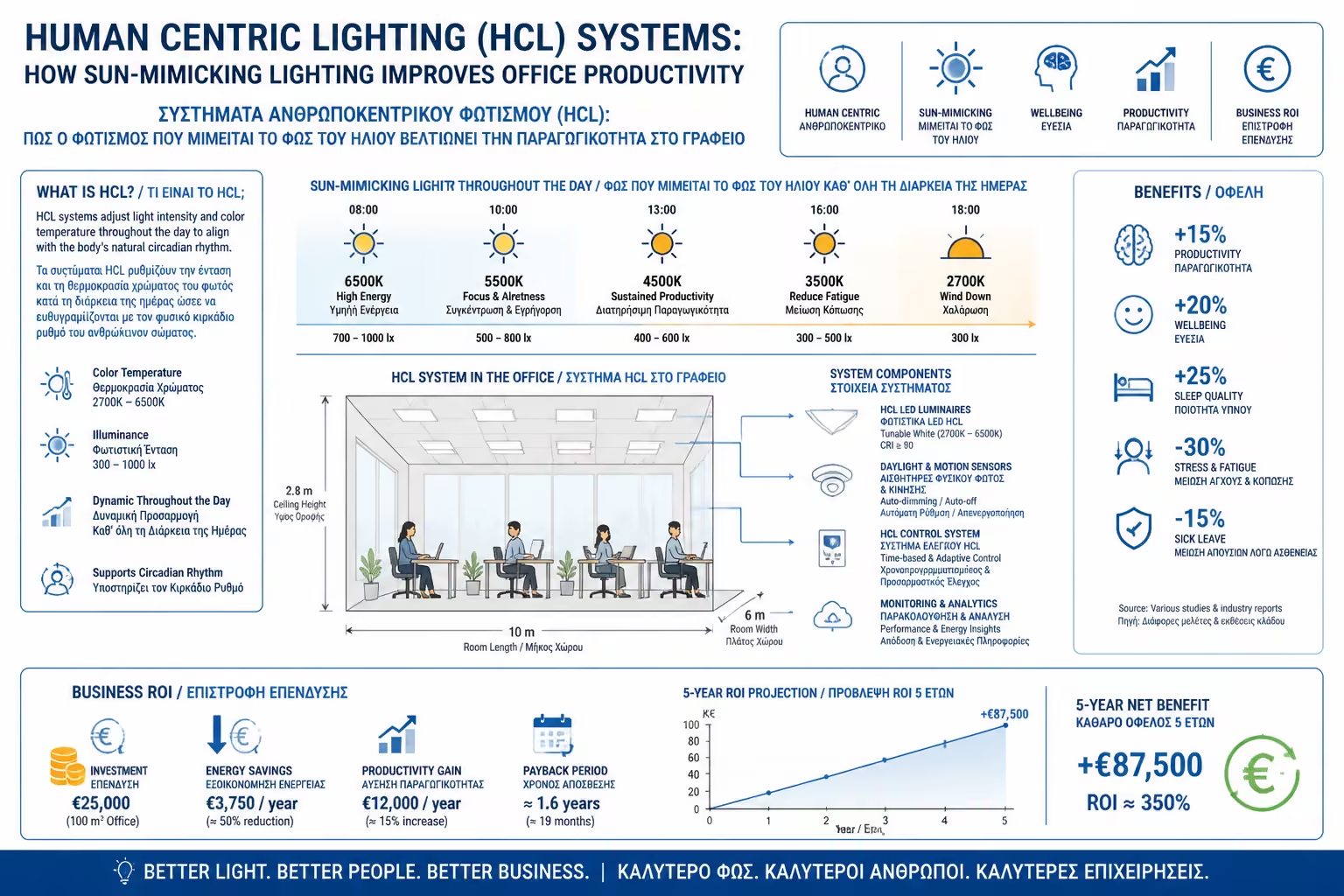
HCL systems cost 20% to 30% more than simple, static professional lighting. So why is it worth the investment? The answer is not about buildings, but about people.
A building's electricity costs are about 1% of a company's total expenses. 90% of expenses are salaries and human resources. Studies by the Fraunhofer Institute (and many other leading institutes) have shown that installing HCL in offices and shift industries results in:
Human Centric Lighting is not a decorative whim, but the recognition that we are biological beings "caged" in concrete boxes. If you are designing your company's new offices, ask your engineer for Tunable White (HCL) lighting. It's probably the most cost-effective investment you can make for your team's health, wellness and productivity.
Return to category.
Go to categoryReturn to the central guide.
Go to guide