No Installation (Plug & Play)
You don't need an electrician. They are the ideal solution for those who rent a house, since when you move, you simply unscrew them and take them with you.
We have hopefully reached the final chapter of our guide. After studying, choosing and installing the perfect lighting, it's time to bring it to life.
Entering the world of Smart Home almost always starts with lighting. Being able to turn off all the lights from your bed, adjust the atmosphere with voice commands, or have the lights turn on by themselves when you get home is no longer science fiction. It is completely affordable technology.
However, anyone embarking on this journey is faced with a fundamental dilemma: "Should I replace my light bulbs with smart ones, or should I replace the switches on the wall?" As engineers, our answer is based on usability and reliability. Let's put the two technologies under the microscope and save you from the biggest annoyance of the Smart Home: the "Dead Lamp Syndrome".
Smart lamps (Wi-Fi, Bluetooth or Zigbee) have the "brain" built into their bulb itself. You screw them to the lamp, download the application to your mobile and you are ready.
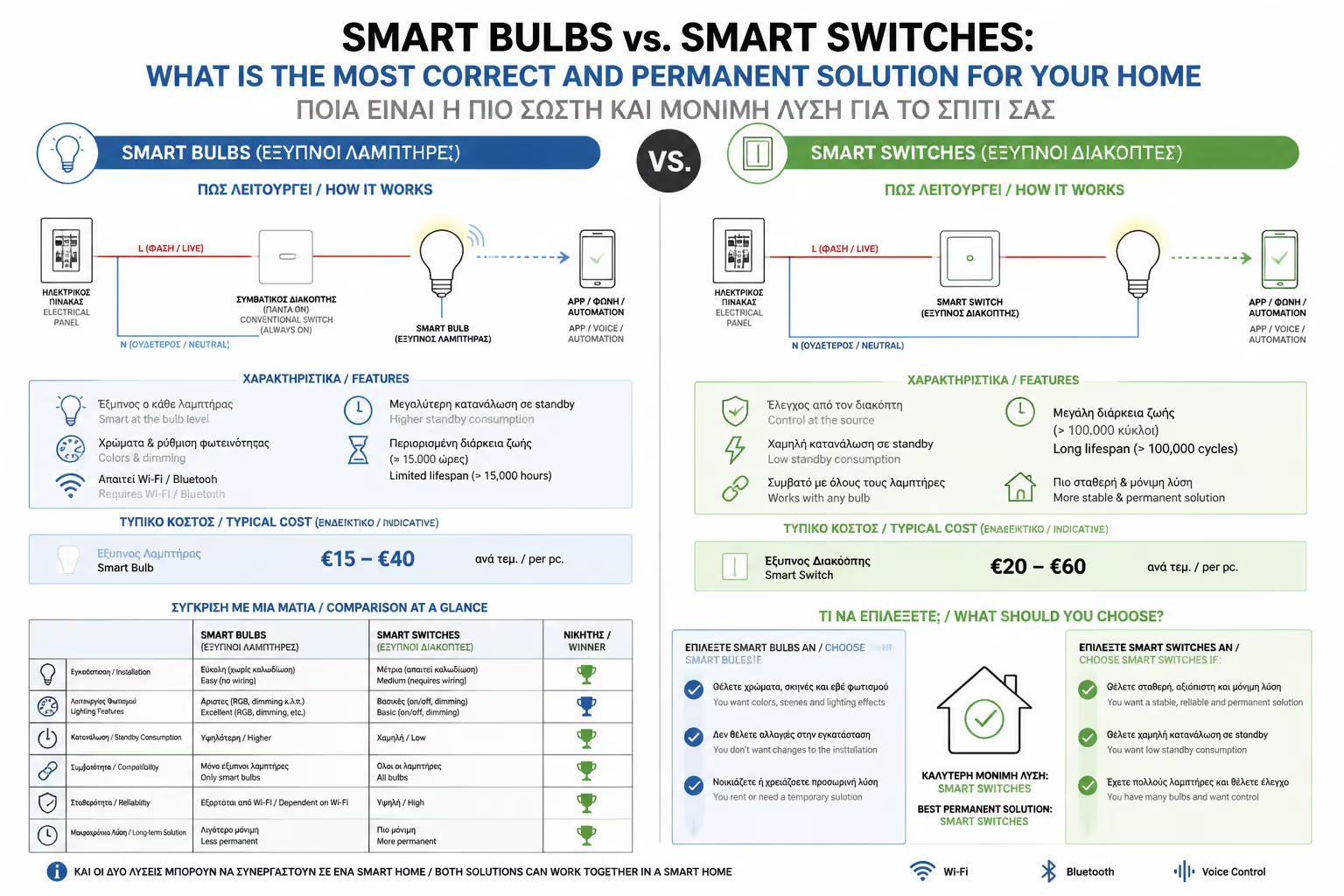
You don't need an electrician. They are the ideal solution for those who rent a house, since when you move, you simply unscrew them and take them with you.
Most smart bulbs allow you to change the color of the light in millions of shades, creating amazing atmosphere.
You don't need a special dimmer on the wall. The lamp dims directly from your mobile.
If your living room has a central light fixture with 5 bulbs or 10 recessed spotlights, buying 10 smart bulbs will cost you a small fortune.
(We'll break it down below, it's the biggest problem).
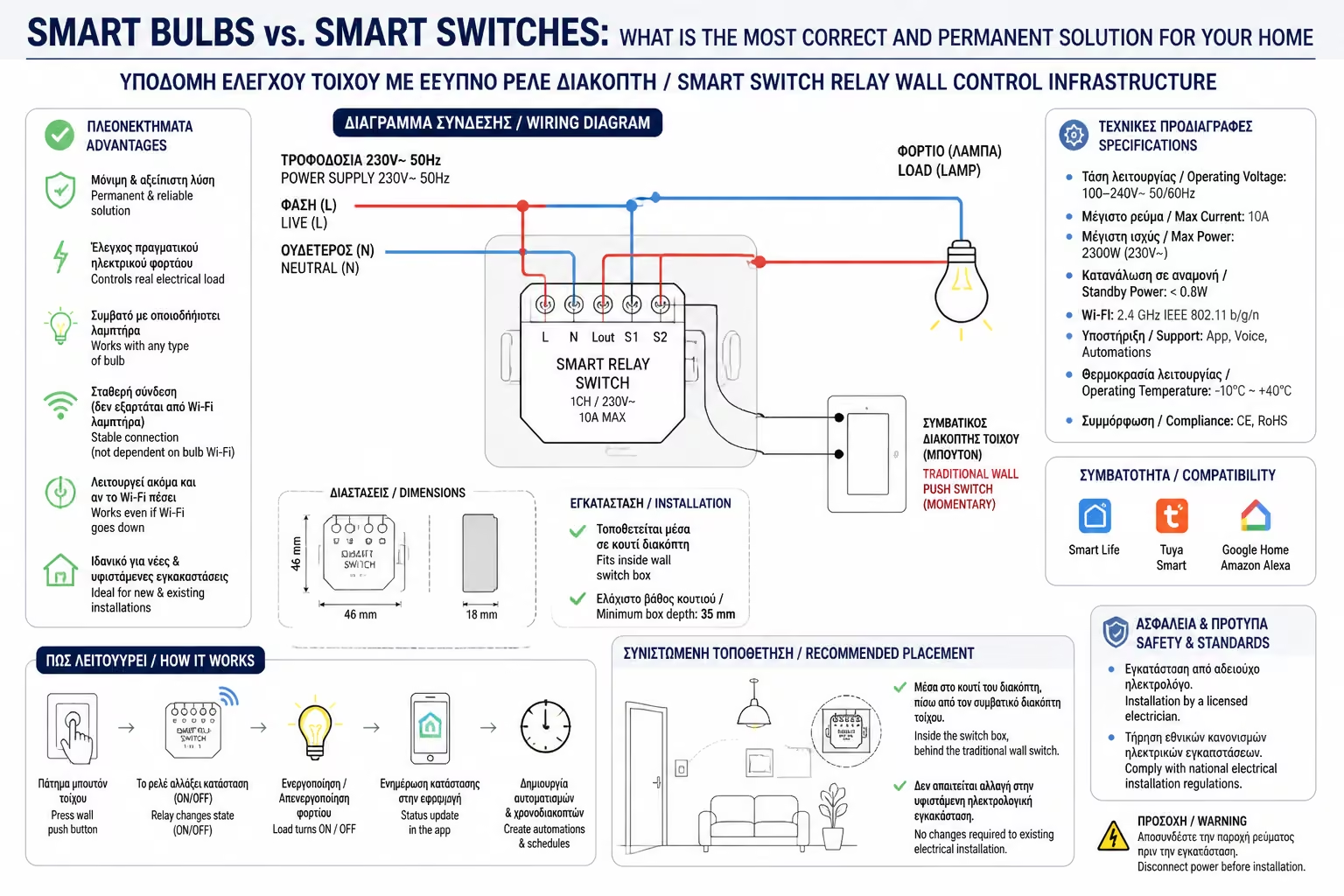
Here, the ceiling lamps remain "dumb" (simple, cheap LED lamps). "Cleverness" is hidden in the wall. This is done either by replacing the entire switch with a smart one (which has a touch screen or buttons), or by placing a tiny Smart Relay hidden inside the wall, right behind your old classic switch.
The switch on the wall works normally! If your grandma comes to visit, she just flicks the switch and the light comes on, no apps or voice commands needed. At the same time, you maintain full control from your mobile phone.
A smart switch (costs €15 - €30) simultaneously controls all 10 spotlights in the living room. You don't have to change everything.
It is a "built" in-house solution that works non-stop.
You have to take down the general, open switches, connect wires (or call an electrician).
Most smart switches, in order for their Wi-Fi to work permanently, need power (Phase and Neutral). But, in old houses, electricians did not run the Neutral wire (usually blue) to the switches. (Solution: There are now smart "No-Neutral" switches on the market specifically for such situations).
Because the bulbs are simple, all the switch can do is On/Off and (if it's a smart dimmer) dim. It doesn't change colors.
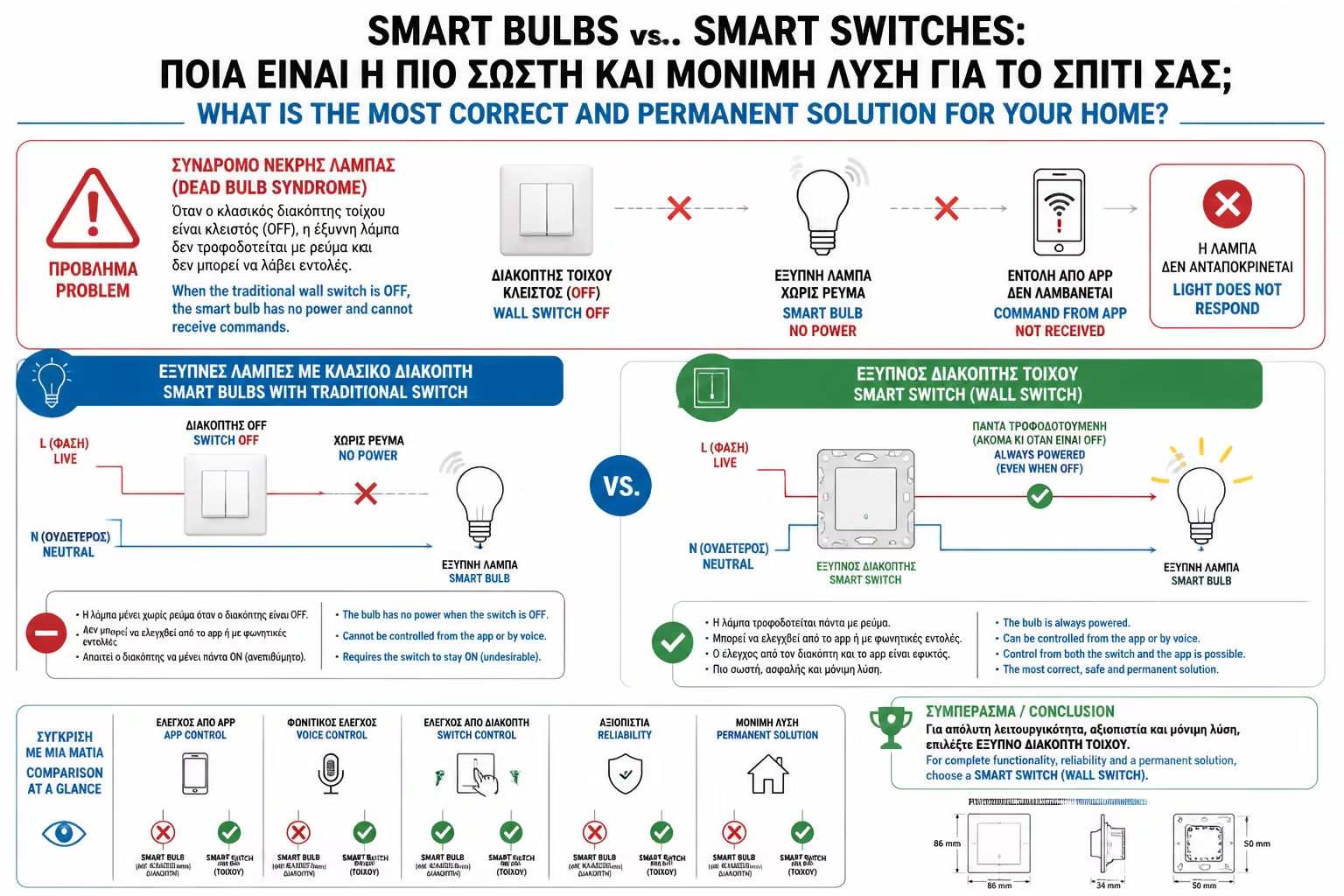
Let's say you chose the easy solution: put a smart lamp in the living room. You sit on the sofa and say: "Alexa, turn off the living room." The lamp goes out perfectly.
A little while later, the wife (or child) walks by, sees the living room dark, and does what she's learned to do all her life: She flips the physical wall switch. Because the switch was already open (to supply power to the lamp), pressing it cuts the power completely.
From that moment on, your "smart" bulb is... dead. She has no power to power her Wi-Fi. If you try to turn it on from your mobile, it will show "Device is Offline". To get your Smart Home working again, someone has to get up and turn the wall switch back on. It's an incredibly irritating experience (UX Nightmare).
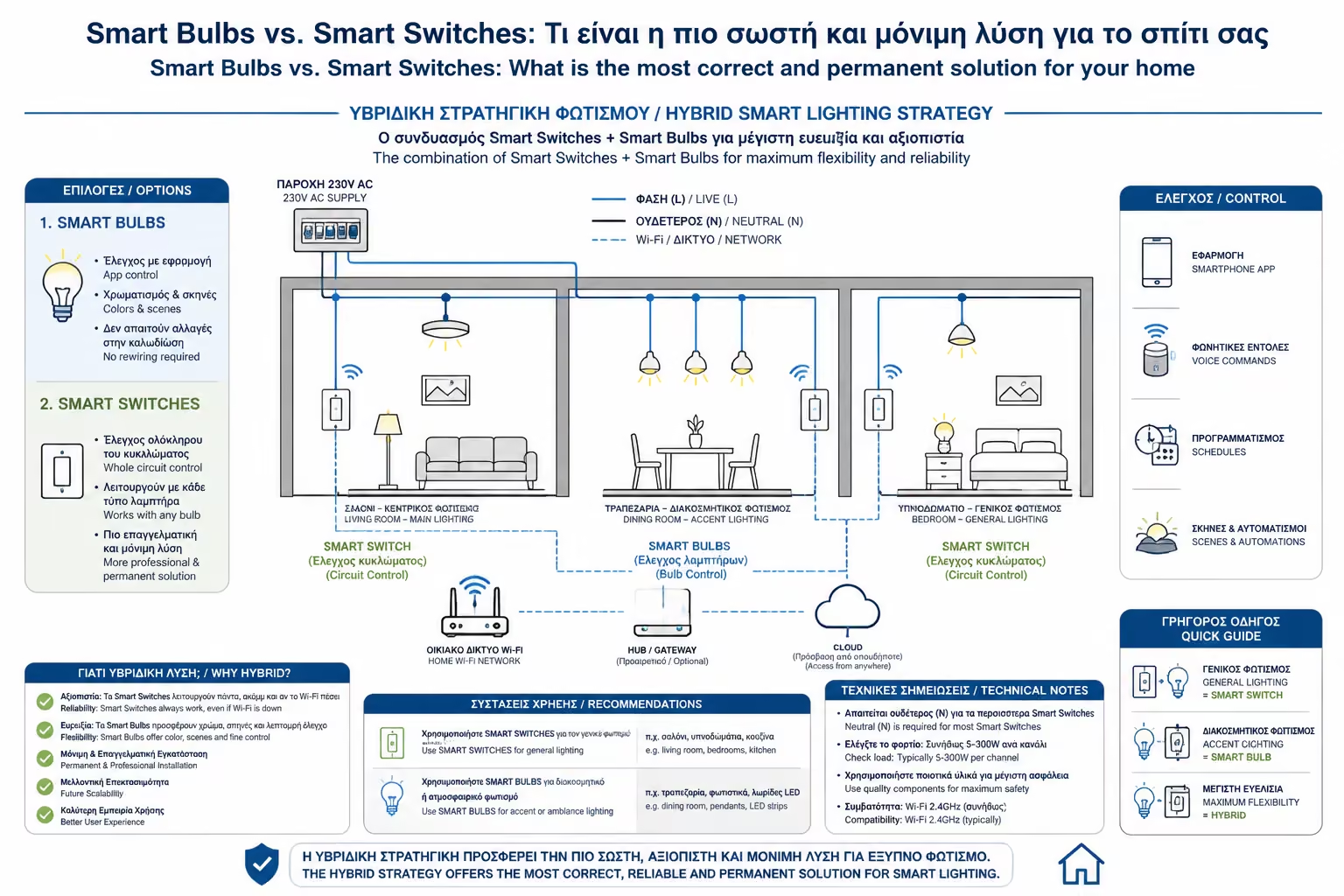
The ideal Smart Home does not "force" people to change habits. This is adapted to man. The golden ratio we apply in modern facilities is as follows:
Return to category.
Go to categoryReturn to the central guide.
Go to guide