Initial Connection
When a newly constructed building gets electricity for the first time (after construction).
If you've ever rented a house, bought property, or tried to change the name on your electricity bill, you've almost certainly come across the phrase: "You need a new electrician's certificate."
The bureaucracy can certainly feel frustrating. It often looks like just another paid formality. In reality, the so-called YDE certificate, formally the Responsible Installer Declaration, is one of the most important safety documents for any home.
Let's see what exactly this technical file is, why HEDNO (the network operator) forces you to provide it, and what the electrician you call actually checks.
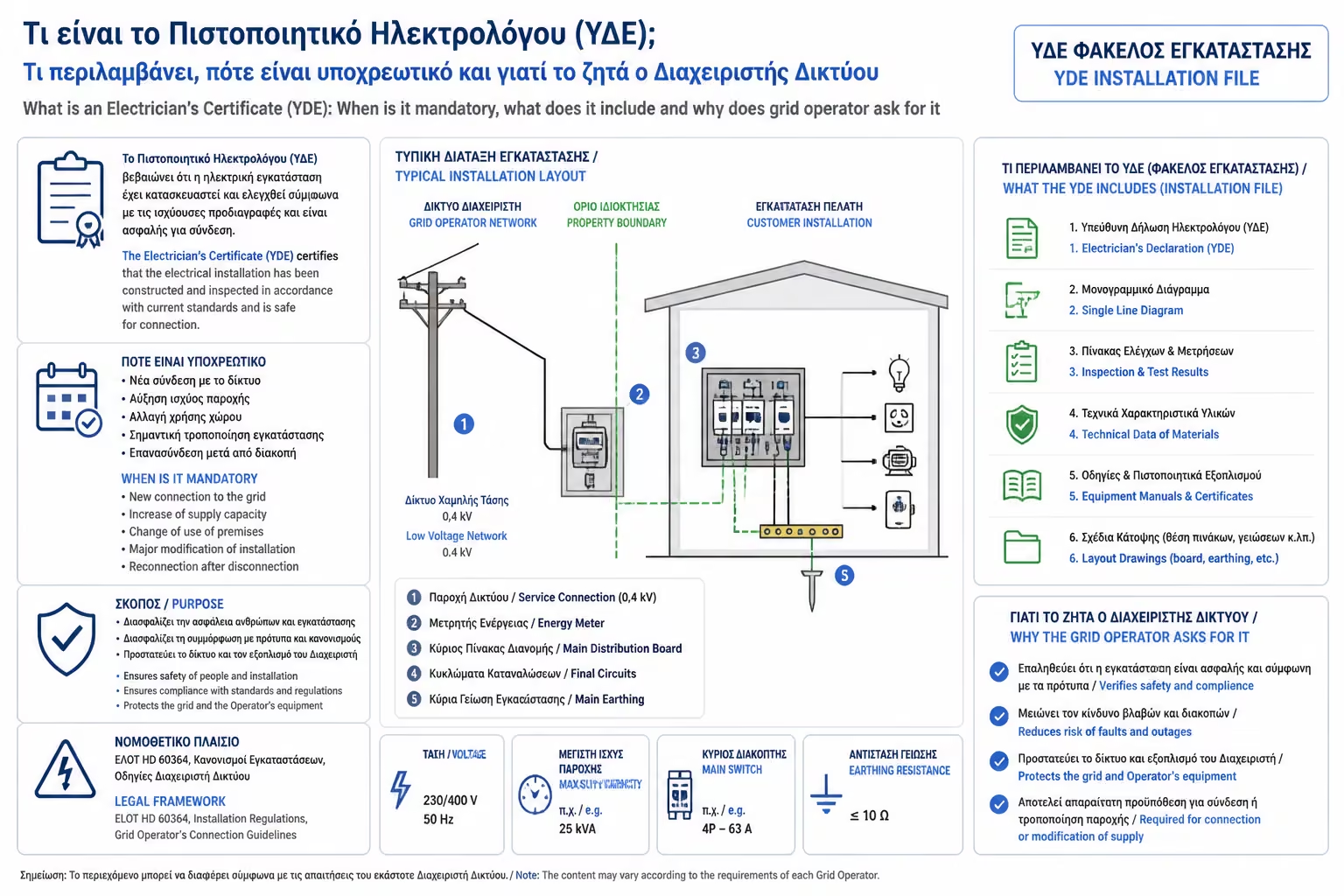
Many people think that the certificate is a simple declaration signed by the electrician. In fact, it is a complete technical file that captures the "x-ray" of your electrical installation.
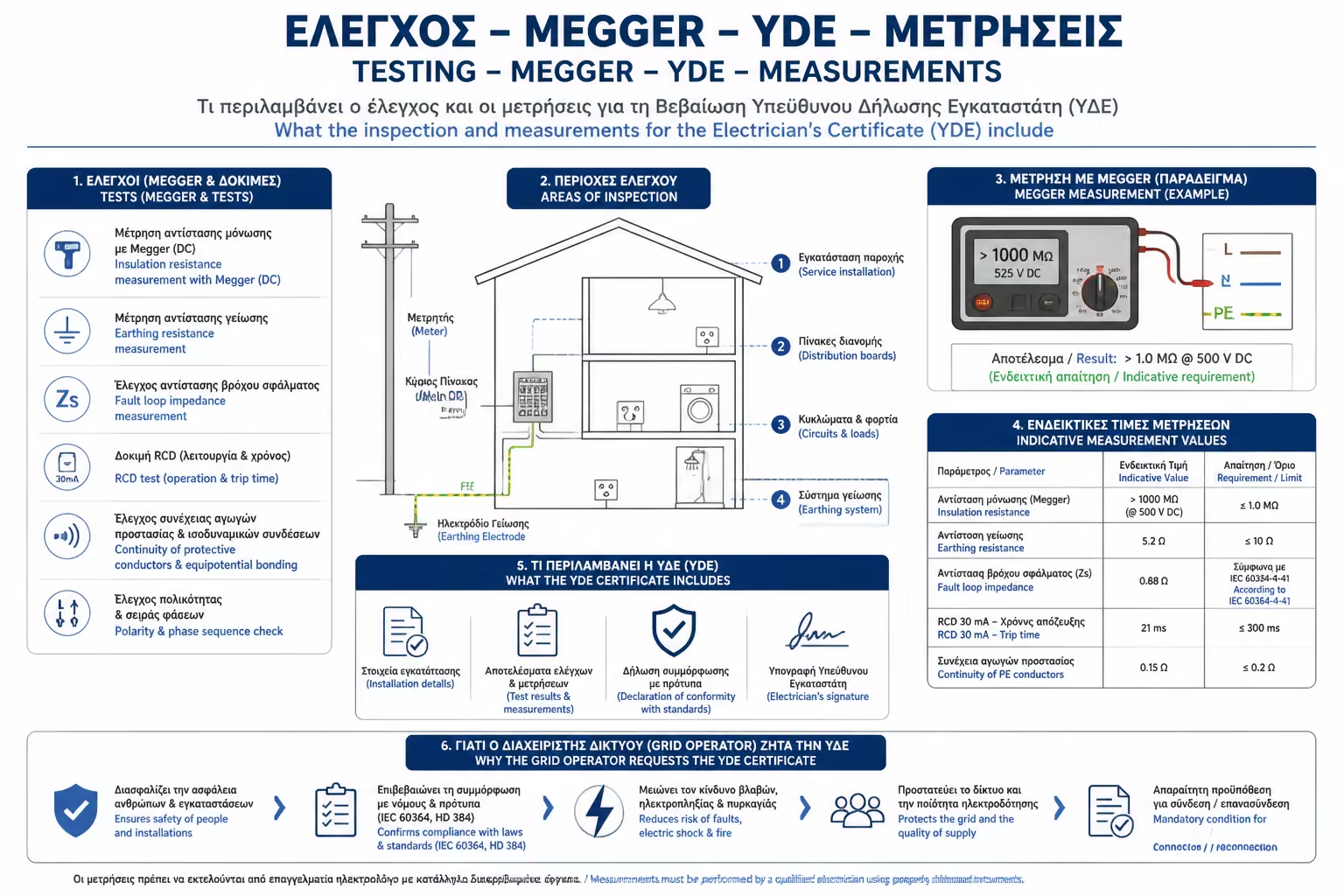
A proper YDE certificate file includes five core documents:
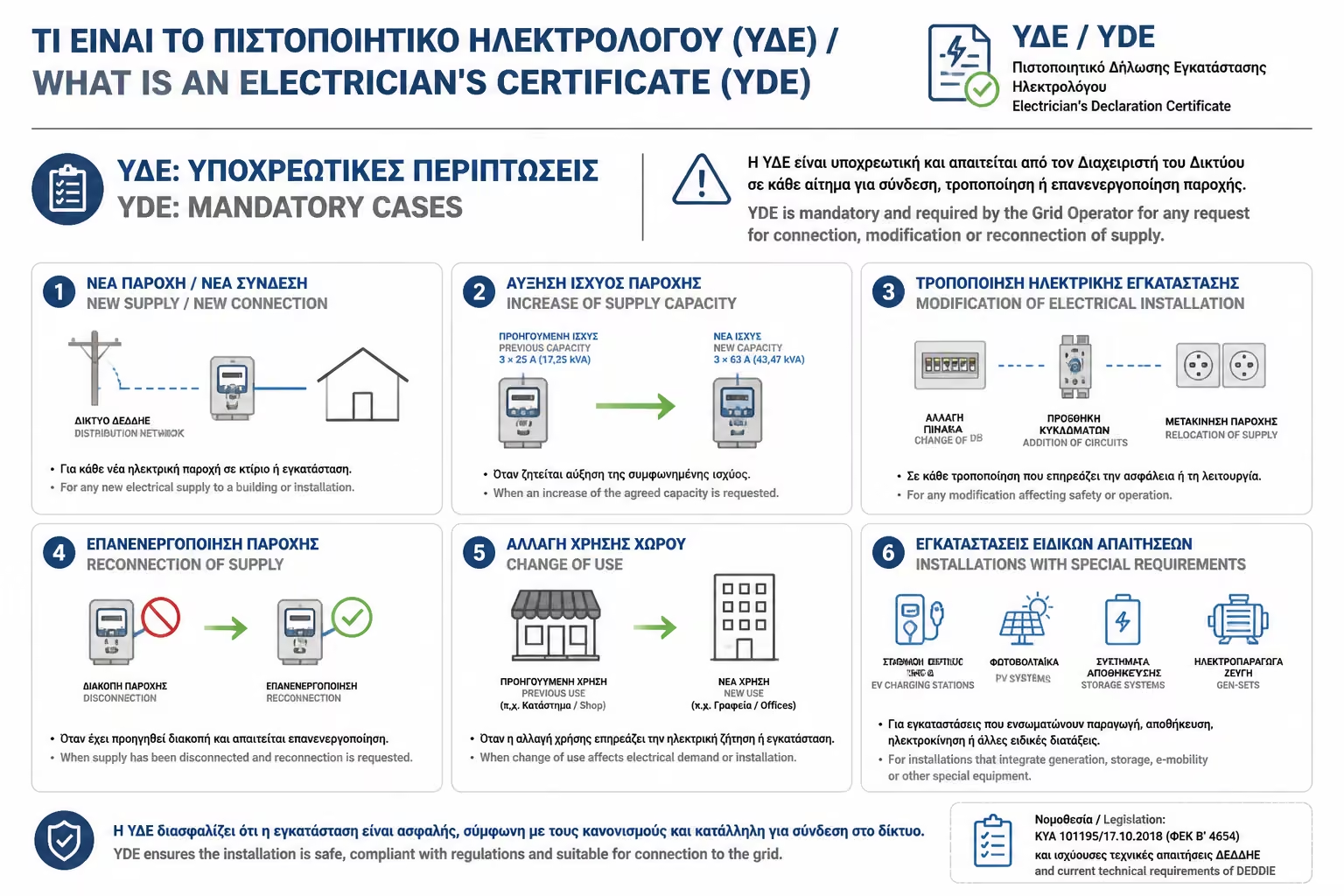
The law is strict and clear. You must call an electrician for a new YDE in the following cases:
When a newly constructed building gets electricity for the first time (after construction).
YDE has an expiration date! For residences it expires at 14 years and for business premises at 7 years (or even less, depending on use).
If you rent a property and want to transfer the electricity account into your name, HEDNO checks its database. If the existing YDE has expired, the account-holder change cannot proceed.
If you request an increase (e.g. from single-phase to three-phase current), power reduction, or change of use (e.g. conversion of a warehouse into a residence).
If you changed the cables, the panel, or added new heavy lines (e.g. for a heat pump or an electric car charger), the old YD is no longer valid, as it does not reflect reality.
It is reasonable to ask: "If I am paying the bill, why does HEDNO care whether my internal wiring is old?"
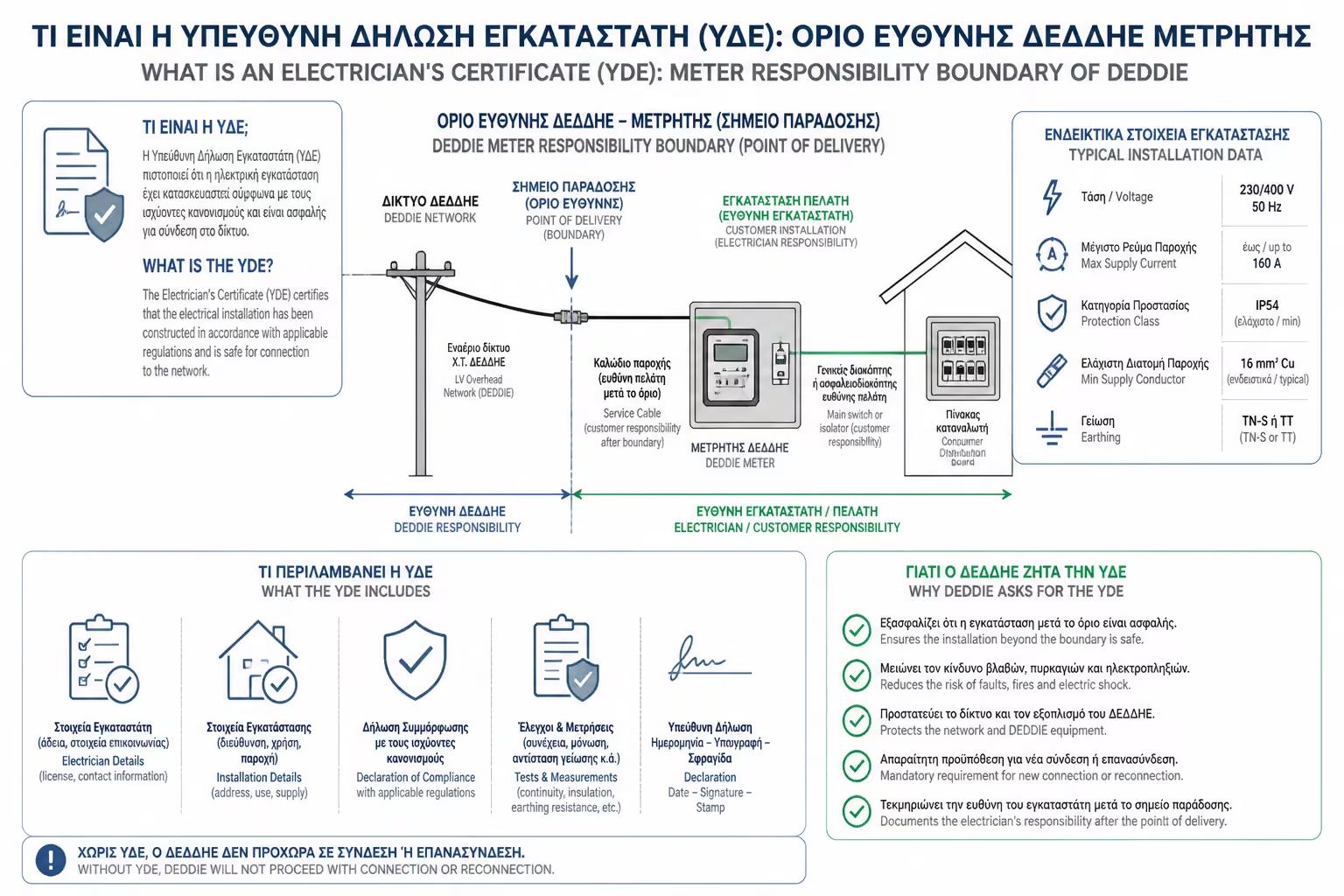
The answer lies in the division of responsibility. The public distribution network belongs to HEDNO, but HEDNO's responsibility ends at your supply meter. Everything downstream of that point, inside the property, is the owner's responsibility.
HEDNO supplies your property with significant electrical load. If your internal installation has leakage currents, short-circuit risk, or inadequate grounding, there is an immediate danger of electric shock or fire. The YDE is the legal document that confirms a licensed professional has inspected the installation and considers it safe to energise.
Issuing a YDE is not something that should be done over the phone or in five minutes with a quick glance at the panel. A careful professional follows a real inspection process.
First comes a visual inspection of the main panel, with the power isolated, to check conductor tightening, signs of overheating, and whether the cable cross-sections match the breaker sizes. Then the electrician uses a dedicated installation tester to perform insulation tests, residual-current-device trip tests, and grounding measurements. In other words, a real YDE is based on measured values, not on guesswork.
If all the tests pass, the electrician draws the floor plan, fills in the numbers on the forms, signs them, stamps them with his trade association and gives them to you to file with your provider.
The Responsible Installer Declaration (YDE) is the closest thing your home has to a formal electrical health certificate. Yes, it is a bureaucratic step and it has a cost, but it is also the legal safety mechanism that protects occupants from poor workmanship, failed grounding, and ageing concealed wiring. Do not look for someone to "just sign"; insist on a proper inspection.
Return to category.
Go to categoryReturn to the central guide.
Go to guide