
What the Electrician’s Certificate (YDE) Is
When it is mandatory, what the inspection includes and why the operator asks for it.
Read more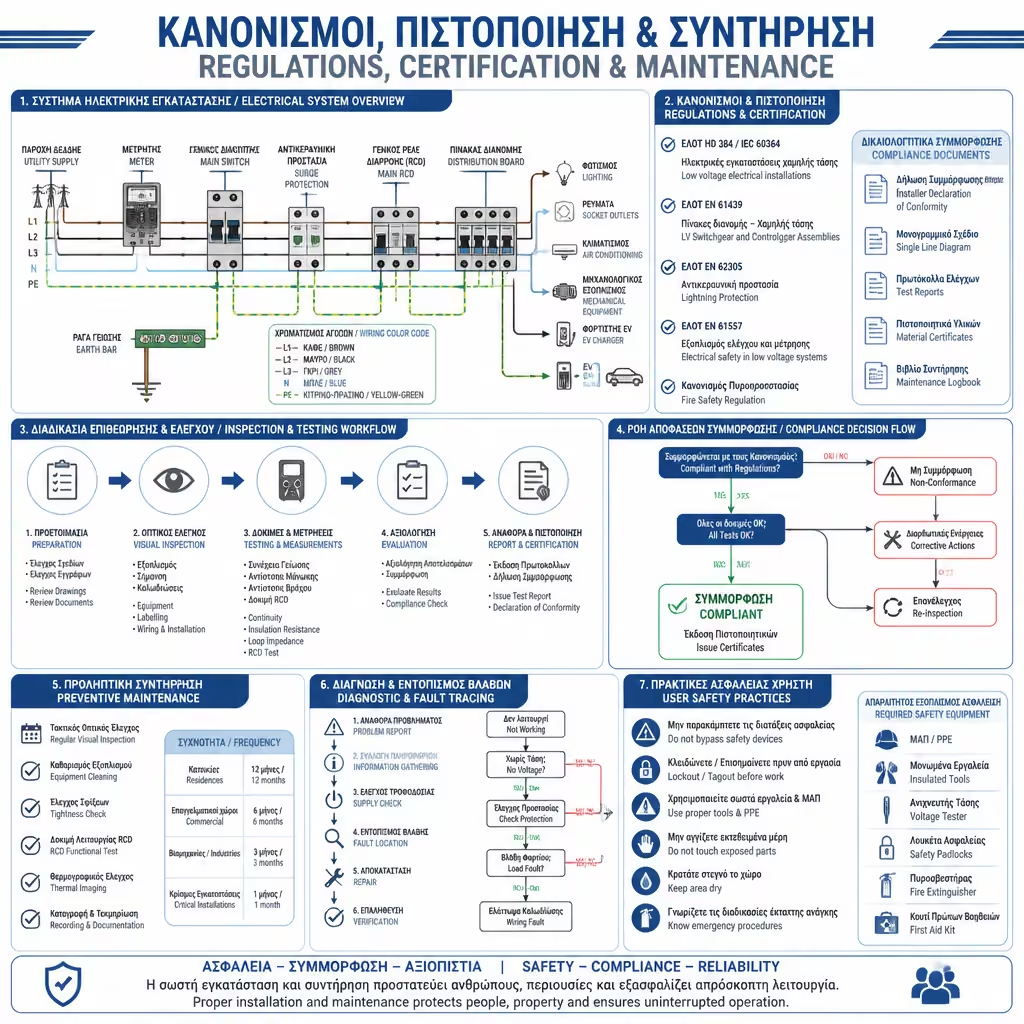
An electrical installation does not stop demanding attention once construction is complete. Time, wear and strict safety rules all require regular checks, correct documentation and fast response to faults. This guide brings together the practical and regulatory side of keeping an installation legal, safe and operational.
The articles in this section help owners, renovators and technical users understand certification, preventive maintenance, diagnostics and user safety in everyday conditions.
Electrical paperwork is not just bureaucracy. It is closely tied to safety, legal supply changes and accountability for the condition of the installation.
When it is mandatory, what the inspection includes and why the operator asks for it.
Read moreRenewal intervals, price logic and the practical timeline owners should expect.
Read more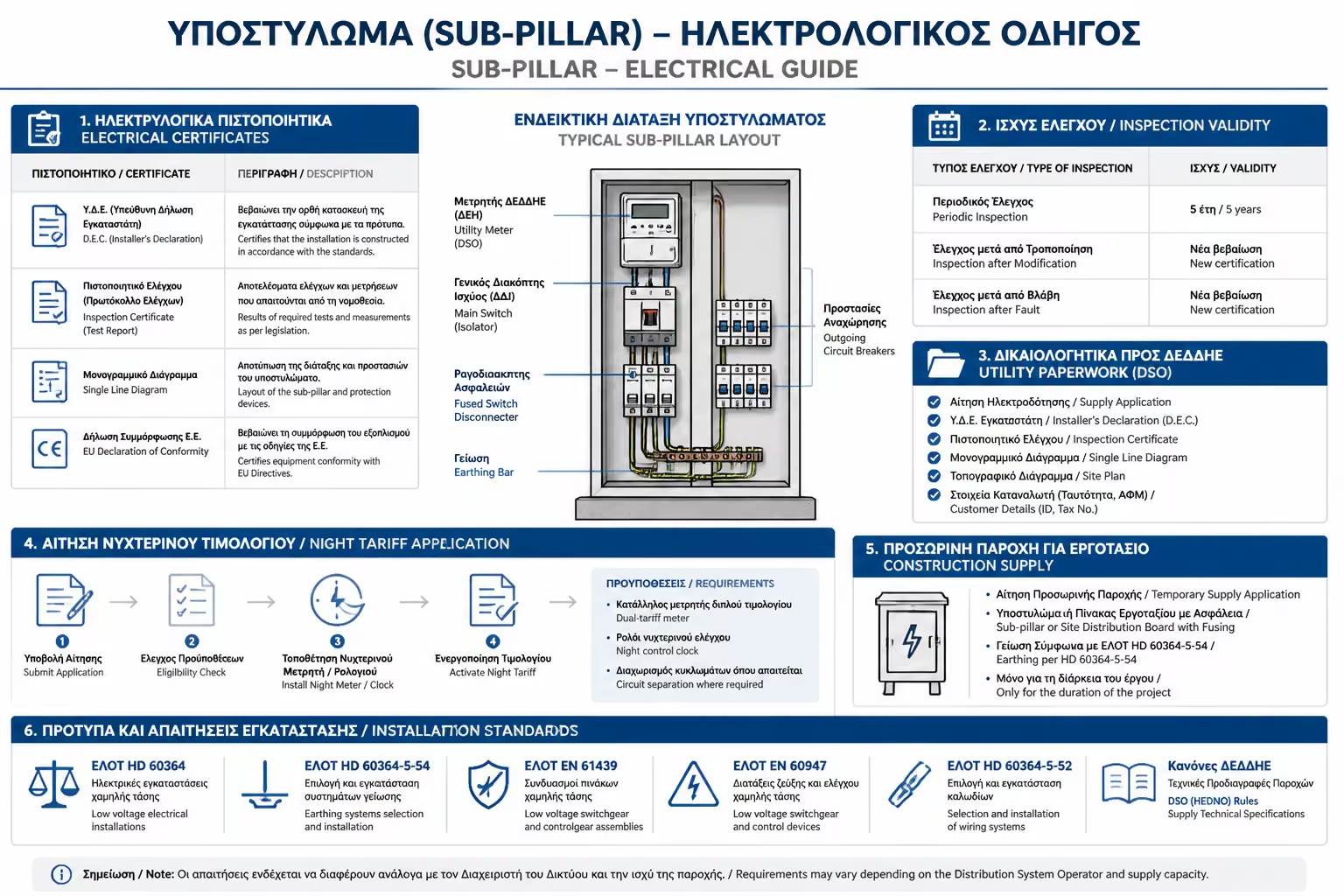
The documents required for supply transfer and when a fresh certificate may be requested.
Read moreHow the application works and what changes at the meter level.
Read moreThe basic route from temporary builder’s supply to permanent connection.
Read moreThe key compliance framework that replaced older domestic installation rules.
Read moreThe legal and financial consequences of tampered meters and illegal bypasses.
Read moreHow older undocumented modifications can be reviewed and integrated into current certification.
Read morePreventive maintenance costs less than emergency repair and far less than a fire or major failure. This section covers the simple but critical routines that extend installation life.
Why it should be used regularly and what it means if the device does not trip.
Read moreHow professionals detect overheating before burning smells and visible damage appear.
Read more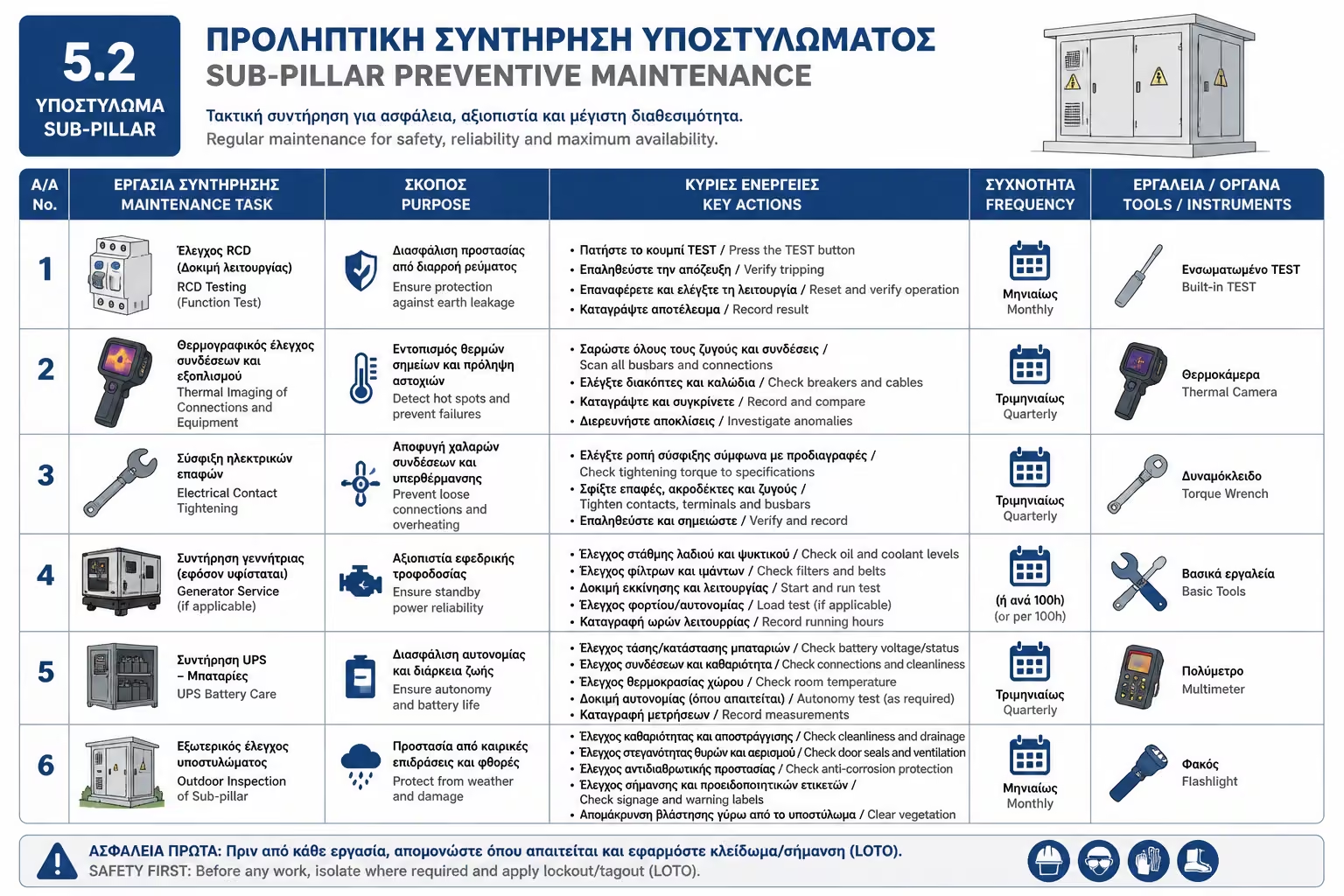
One of the most basic maintenance tasks for preventing dangerous heat build-up and arcing.
Read moreOil, filters and load testing routines that keep backup power usable when needed.
Read moreWhen batteries need replacement and how to recognise ageing or swelling.
Read moreWhy dust becomes a reliability problem and how to clean safely around IT equipment.
Read moreSeasonal inspection of outdoor luminaires before weather exposure increases.
Read moreWhen a loose or worn outlet is no longer an annoyance but a direct risk.
Read moreWhen a fault appears, speed matters. This section focuses on common symptoms, how to interpret them and which early actions are safe and useful.
The most common scenarios and the basic isolation logic used to find the problem circuit.
Read moreOverload versus short circuit and what each one usually looks like in practice.
Read more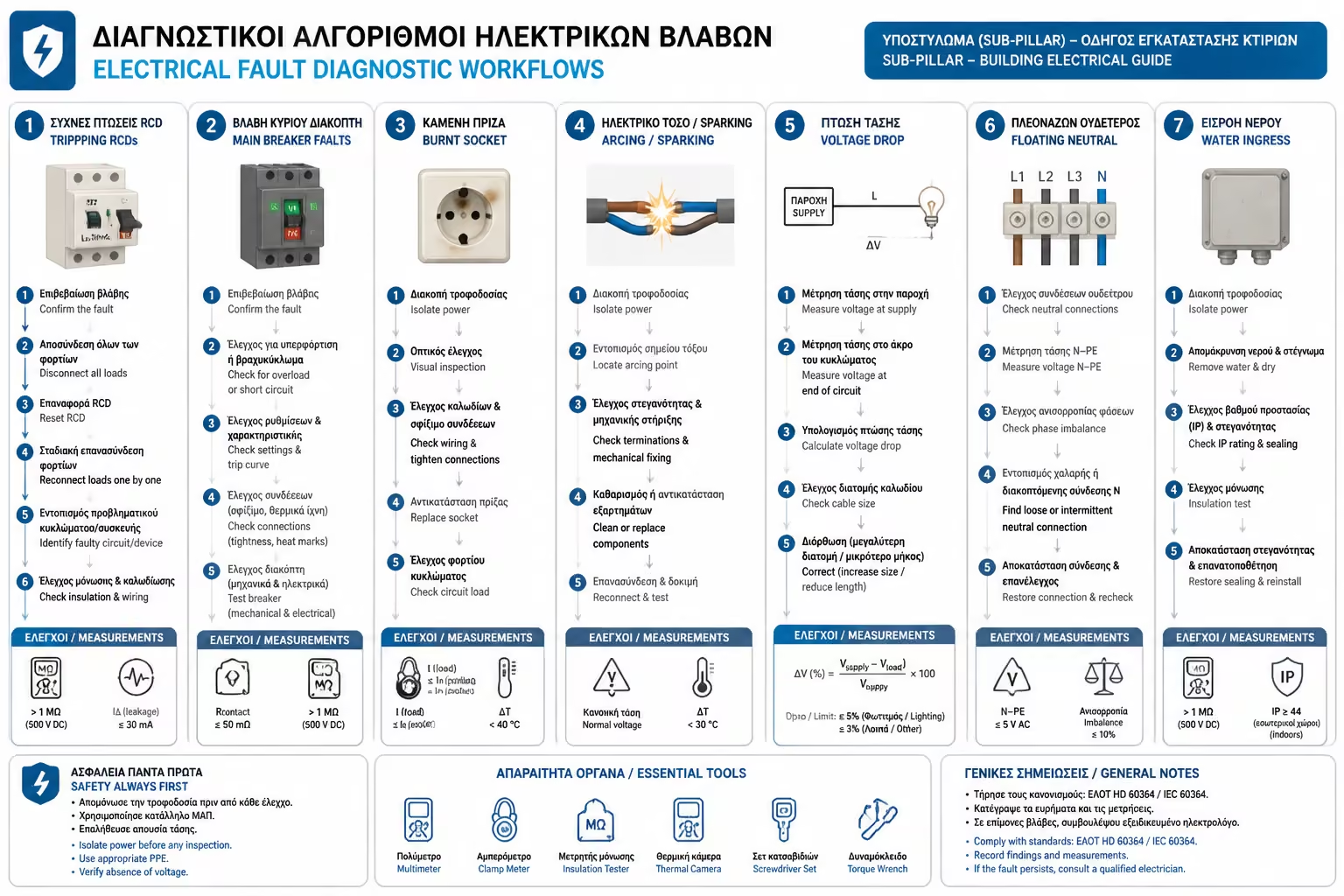
What this smell usually indicates and why power should be isolated immediately.
Read moreWhen a small spark is expected and when it points to a dangerous fault.
Read moreVoltage-drop behaviour and what it can reveal about old or stressed wiring.
Read moreSafe introductory use for checking voltage presence or continuity.
Read moreWhy loss of neutral is dangerous and how it can damage connected equipment instantly.
Read moreThe first critical actions after flooding, leakage or a broken pipe inside the wall.
Read moreElectricity does not forgive mistakes. This final section focuses on safe everyday use, accessibility and the practical habits that reduce risk for families, children and vulnerable users.
Built-in safety shutters versus plug-in caps and what actually works best.
Read moreWhy stacking power strips is unsafe and how current limits get exceeded.
Read more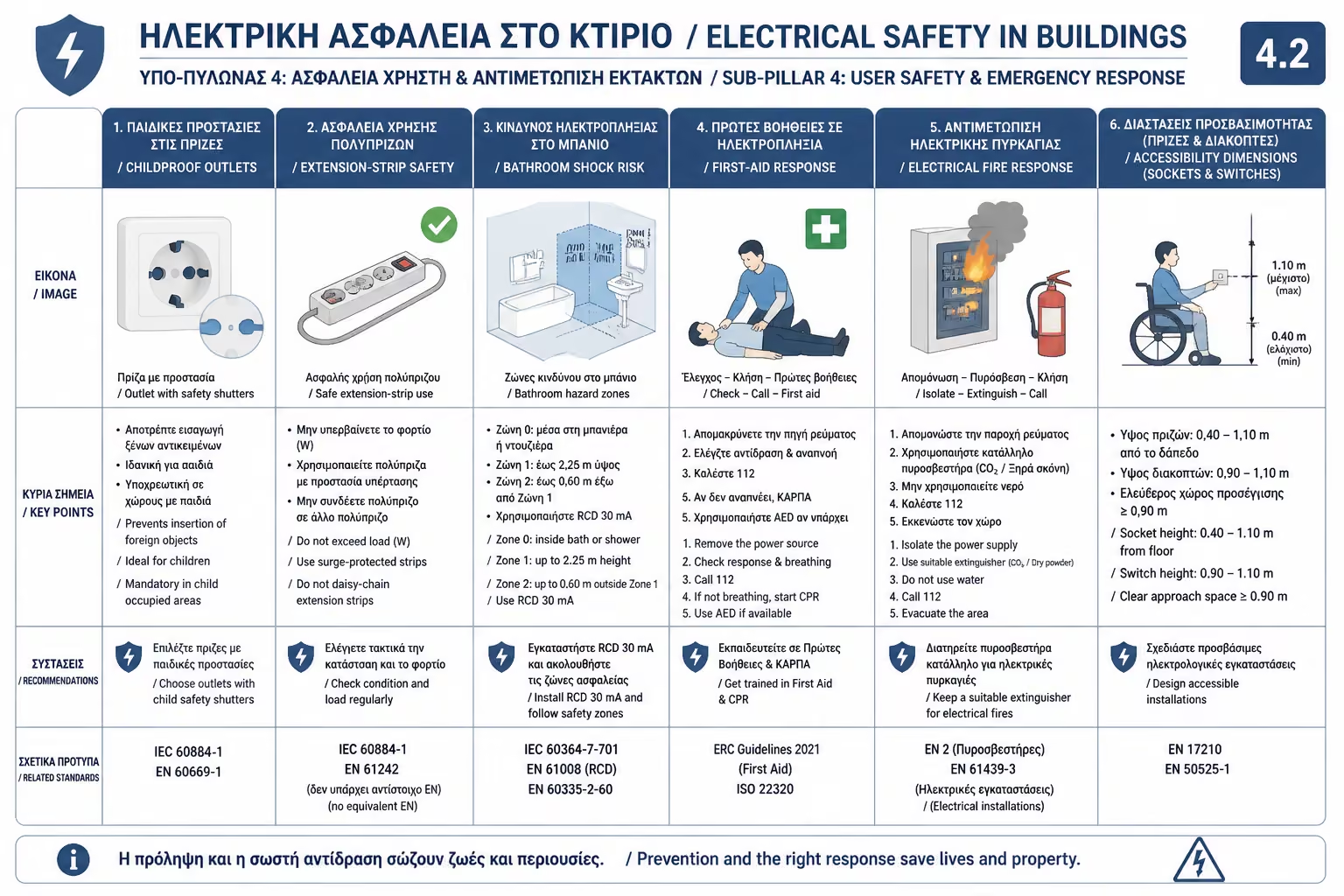
Why wet areas are so sensitive and how protective devices reduce the danger.
Read moreThe correct sequence of actions and the mistakes that must be avoided.
Read moreWhy water must never be used on an energised board and which extinguisher types are appropriate.
Read moreCorrect heights and access rules for switches, outlets and panels in inclusive design.
Read moreThe basic safety rules when electricity, moisture and outdoor conditions intersect.
Read moreSimple cable-management tactics that reduce physical accidents and daily clutter.
Read moreSee the full pillar map covering panels, supply, lighting, smart home, networks and maintenance.
Go to the guideIf you are planning a new installation or a demanding renovation, contact us for proper design support and coordination of all building networks.
Contact us