
The New ELOT 60364 Standard (formerly KEHE & HD 384): What Has Changed in Internal Electrical Installation Rules

If you open the electrical panel of a house built in the 1980s, you may still find old ceramic fuses. If you open a panel from 2010, you will usually see miniature circuit breakers (MCBs) and an RCD. If you open a panel designed in 2026, you may find protection devices that behave almost like small computers.

Technology has changed dramatically. Homes no longer serve only lighting and a few basic appliances. Today they may include EV chargers, inverter-driven heat pumps, photovoltaic systems, server equipment, and automation systems. That change in loads also required the rules to evolve.

The older ELOT HD 384 framework, which replaced the much older KEHE rules, has now given way to ELOT 60364. Let's look at the four major changes this new standard brings and what engineers and electricians should pay attention to in current projects.

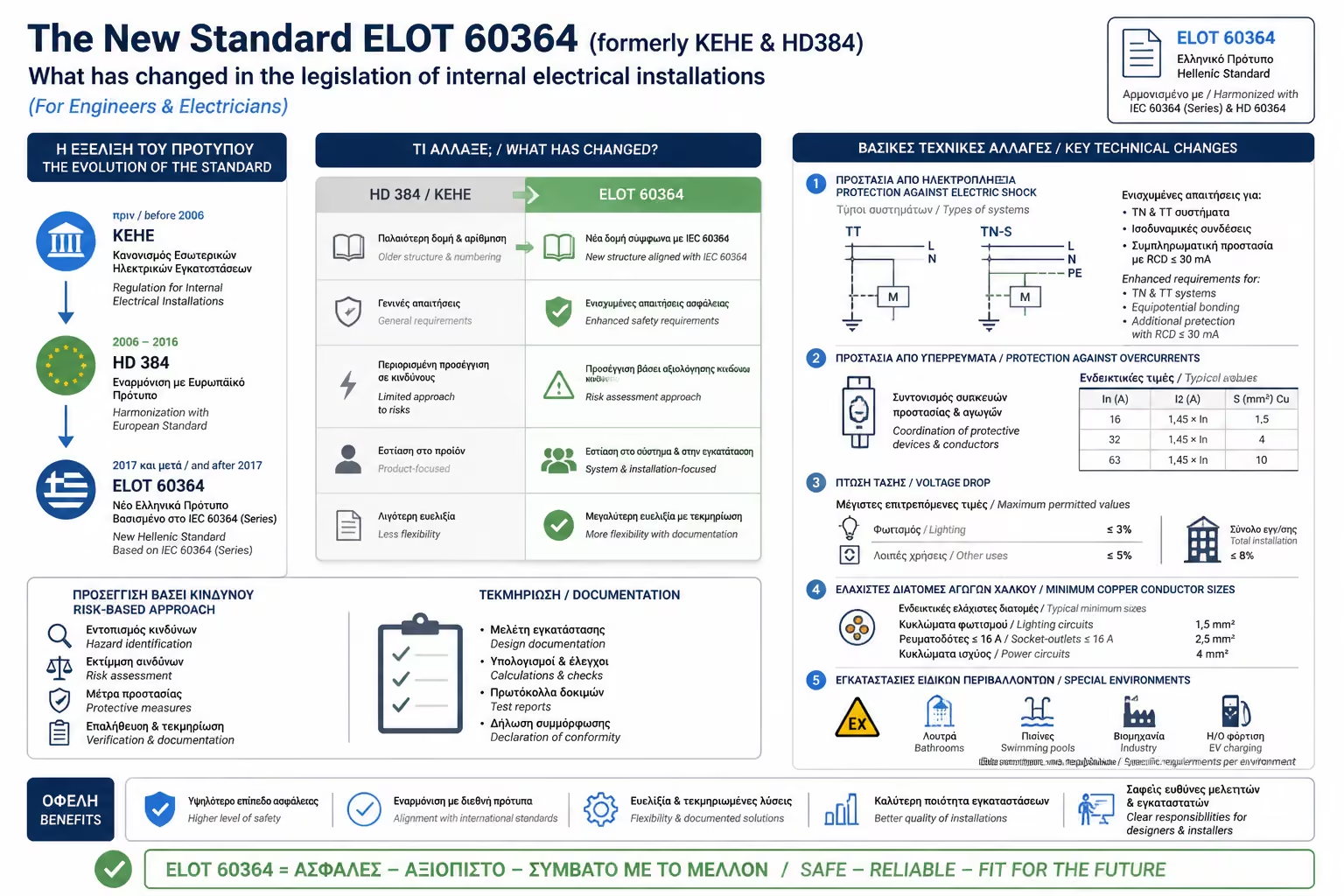
1. The Historical Evolution of the Regulations (To avoid confusion)

To understand what applies to a building, we need to know when it was built. A YDE inspection is assessed primarily against the regulation that was in force when the installation was constructed, subject to some later safety requirements that became mandatory retroactively.

  1. K.E.H.E. (Regulation of Internal Electrical Installations): In force from 1955 until March 2006. A very large share of older Greek buildings was built under this framework.
  2. ELOT HD 384: Mandatory from 2006 onward. It marked a major safety upgrade, especially because it made 30 mA residual-current protection mandatory.
  3. ELOT 60364: The current framework, aligned with the IEC 60364 family of standards and adapted to modern needs such as smart homes, data infrastructure, and electric mobility.
Illustration for 1. The Historical Evolution of the Regulations (To avoid confusion)

2. The 4 Great Changes of ELOT 60364

Illustration for 2. The 4 Great Changes of ELOT 60364

What does the new standard require differently from the electrician designing or installing a modern panel?

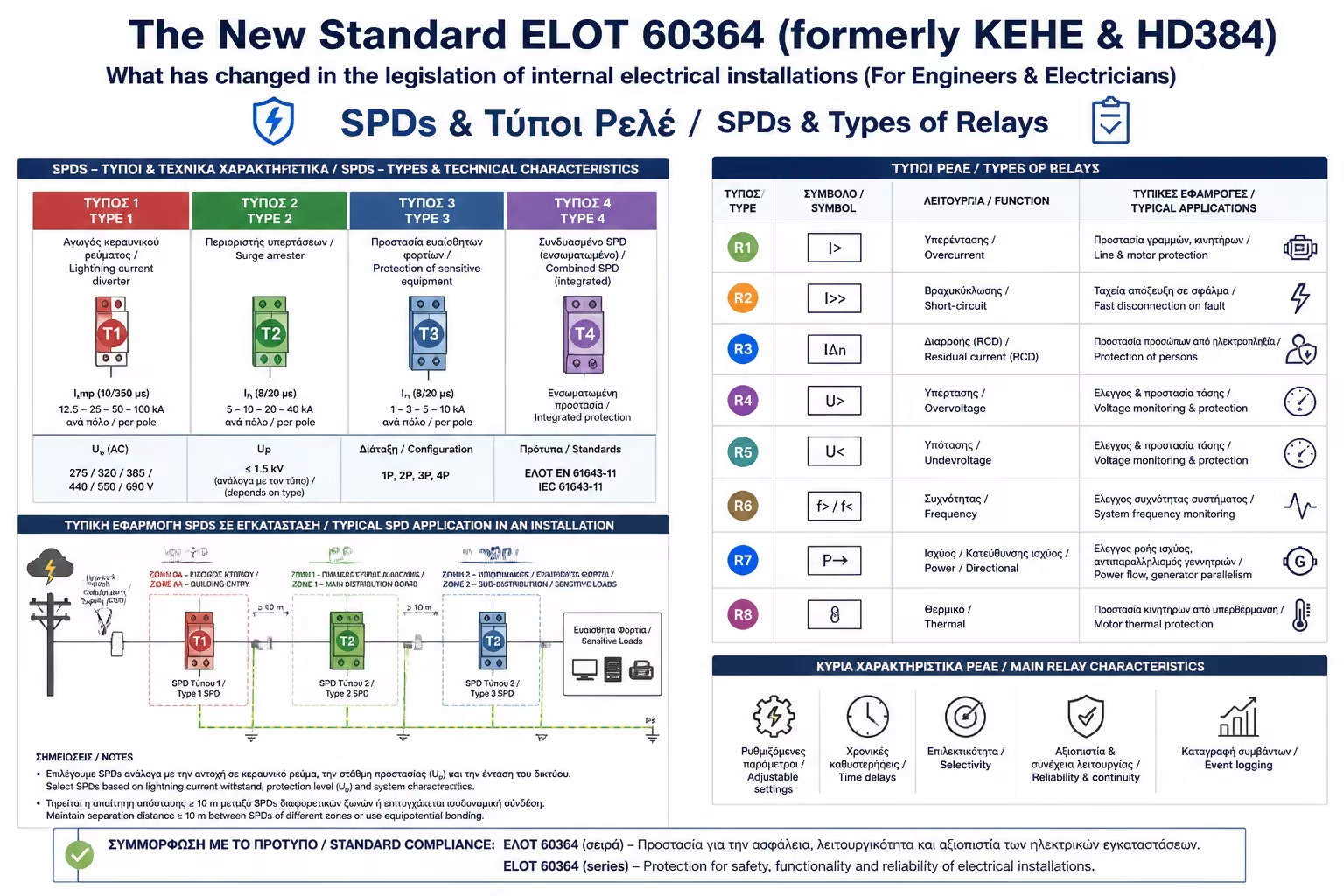
A. Surge Protection Devices (SPDs)

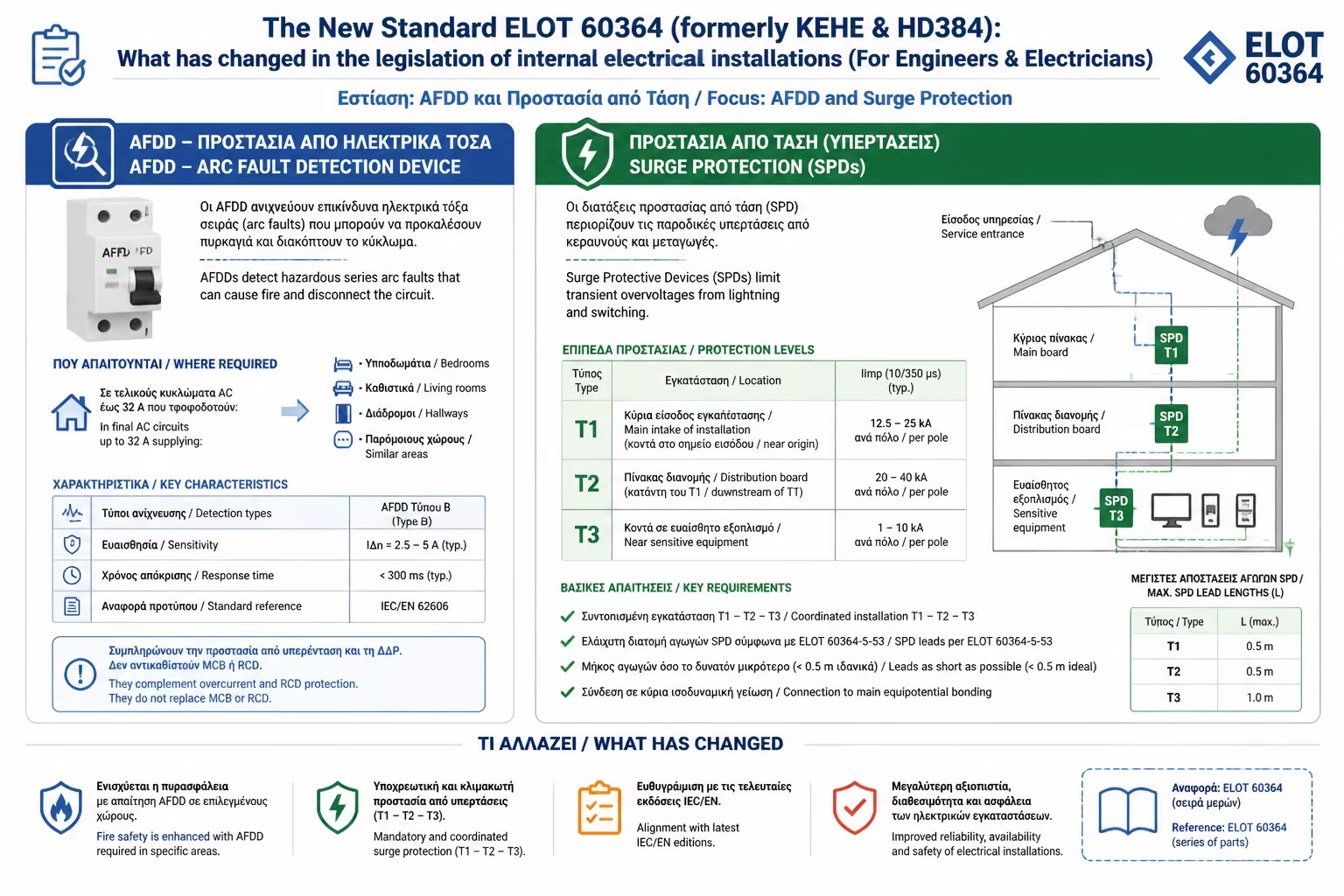
Under HD 384, surge protection at the main board was often optional except in special cases. Under ELOT 60364, Surge Protection Devices (SPDs) become necessary in many more installations, especially where an overvoltage could endanger life, interrupt critical services, damage cultural assets, or stop business operations by destroying sensitive equipment.
B. The End of Type "AC" Relays (The Age of Type A & Type B)

This is one of the most important practical changes. Older AC-type RCDs are designed to detect only pure alternating leakage current. Modern homes, however, are full of inverter-based devices and electronic power supplies. If a fault produces pulsating DC leakage, an AC-type device may fail to respond correctly. For that reason, ELOT 60364 pushes modern installations toward Type A protection, while EV chargers and some photovoltaic applications may require Type B devices or dedicated DC-sensitive protection.

C. Arc Fault Detection Devices (AFDD)

This is where protection technology takes a major step forward. A normal breaker protects against overloads and short circuits, but it may not detect a dangerous series arc caused by a damaged conductor or a loose terminal. AFDDs are designed to detect those arc patterns before they develop into fire. ELOT 60364 recommends, and in some cases effectively requires, their use in sleeping areas, timber constructions, and spaces with increased fire risk.

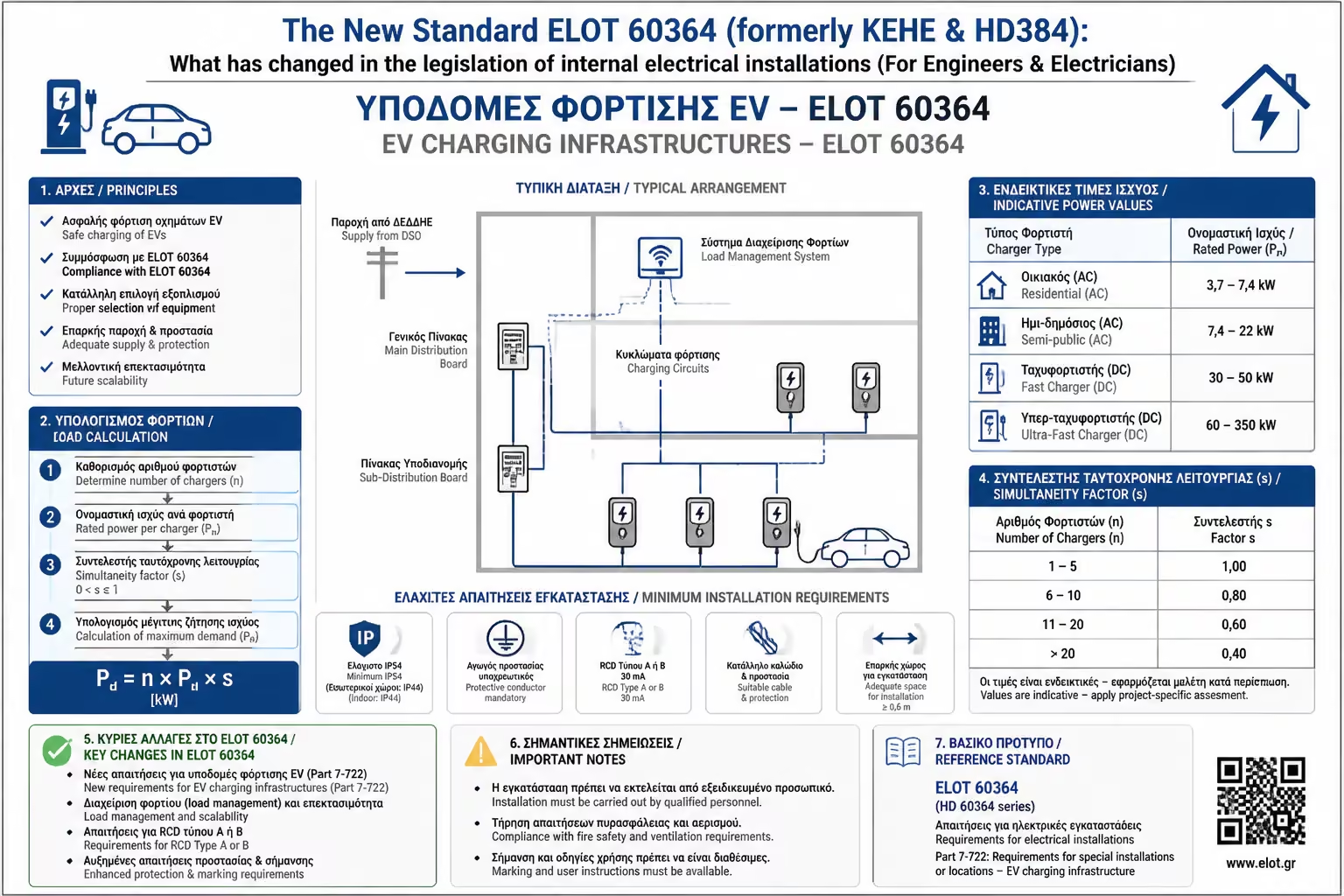
D. Electric Mobility Infrastructure (EV Charging)

The older framework did not meaningfully address home EV charging. ELOT 60364, especially Part 7-722, sets explicit rules: each charger needs a dedicated circuit, protective arrangements must be correctly designed, and DC leakage protection has to be considered carefully so the installation remains safe.

3. What does this mean for Old Houses? (Retrospectivity)

The law is usually not retroactive. If your house was built in 1995 (according to KEHE), you are not legally obliged to tear down the walls and change the panel to put in AFDDs and lightning rods to pass the YDE inspection.

When the electrician comes for the reissue check, he will check the installation based on the standard that was in place when it was built.

Illustration for 3. What does this mean for Old Houses? (Retrospectivity)

The Unique Mandatory Exception

The RCD is the key exception. Even if a house was built under KEHE, later safety rules made residual-current protection effectively mandatory for all buildings. If the installation lacks the required protection, the YDE cannot be issued until the problem is corrected.

Summarizing

Illustration for Summarizing

ELOT 60364 is the practical rulebook for modern electrical installations. It gives more weight to fire prevention, surge protection, compatibility with electronic loads, and safe integration of new technologies such as EV charging. If you are building or renovating today, it is not enough to ask for a panel that merely "works"; the goal is a panel designed to current safety standards.

--- Next Step: In the next article of this category, we move from regulations to violations. We will look at electricity theft and HEDNO fines, including the legal and financial consequences of a tampered meter or illegal connections.

Related Articles

Preview