If it is Single Phase
The master switch is tight. It usually takes up the space that would be taken up by 2 simple fuses side by side (in the language of electricians, it is "bipolar"). It has a single, relatively narrow lever to raise and lower.
You are moving to a new apartment or have just bought a second-hand property. You want to apply for a new electricity contract or are thinking of buying a large electrical appliance. The first question the operator will ask you at the telephone service is: "What supply does the property have? Single phase or three phase?"
Often, the previous owner does not know, and you are not an electrician to open wires. The good news is that you don't have to be a techie or call a professional to find out. Your electrical installation is full of visual "signs".
As engineers, we made this simple, practical guide to identify your current type in less than 1 minute using 4 different methods.
Open the door of the electrical panel inside the house. Look to the upper-upper left, where the Master Switch is (usually the largest component, often with a red or black lever). The difference in size "shouts" the type of supply:
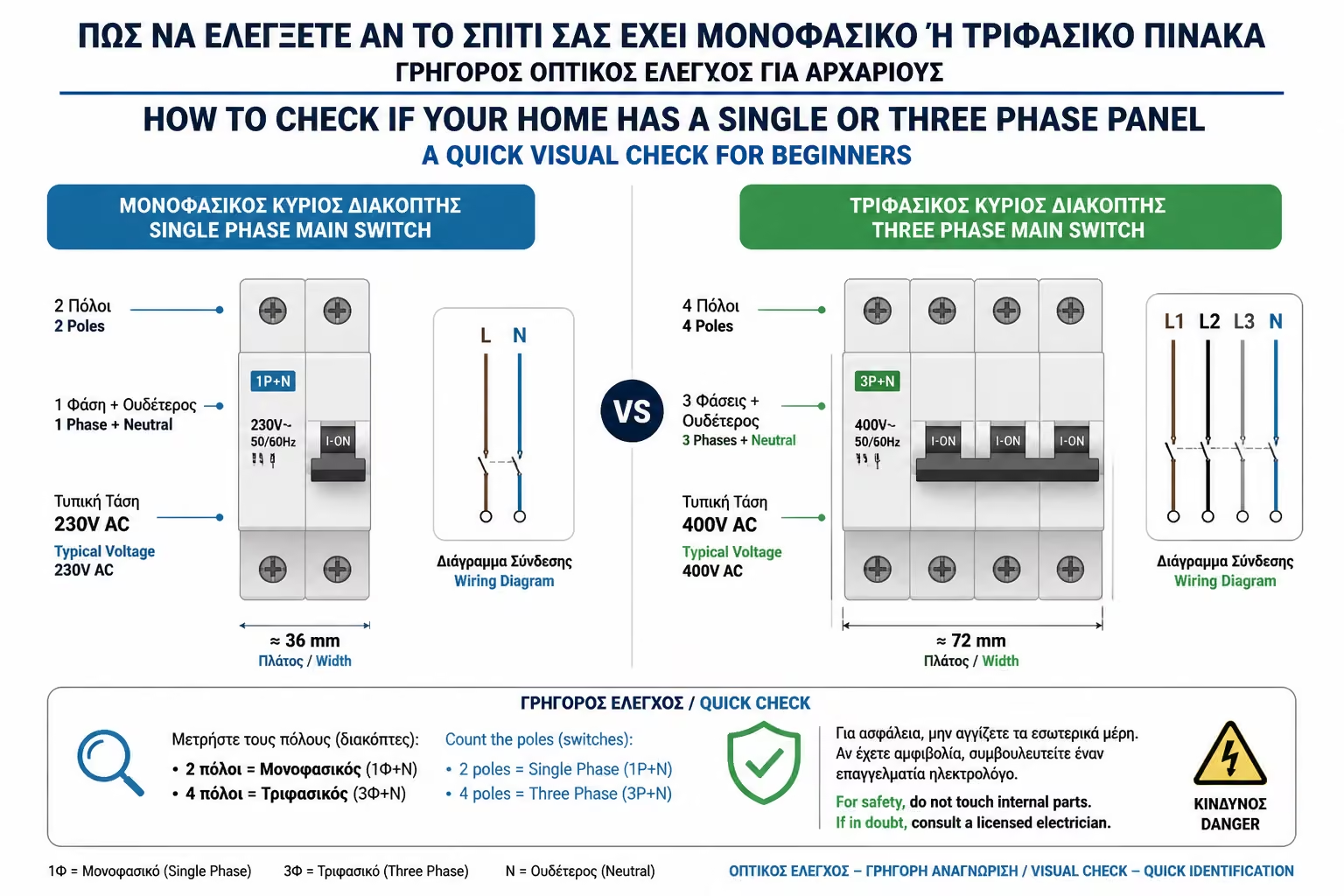
The master switch is tight. It usually takes up the space that would be taken up by 2 simple fuses side by side (in the language of electricians, it is "bipolar"). It has a single, relatively narrow lever to raise and lower.
The master switch is bulky. It occupies the space that 4 simple fuses would take (it is "four-pole"). Its plastic lever is very wide, because it essentially joins four separate switches internally that all go up and down together.
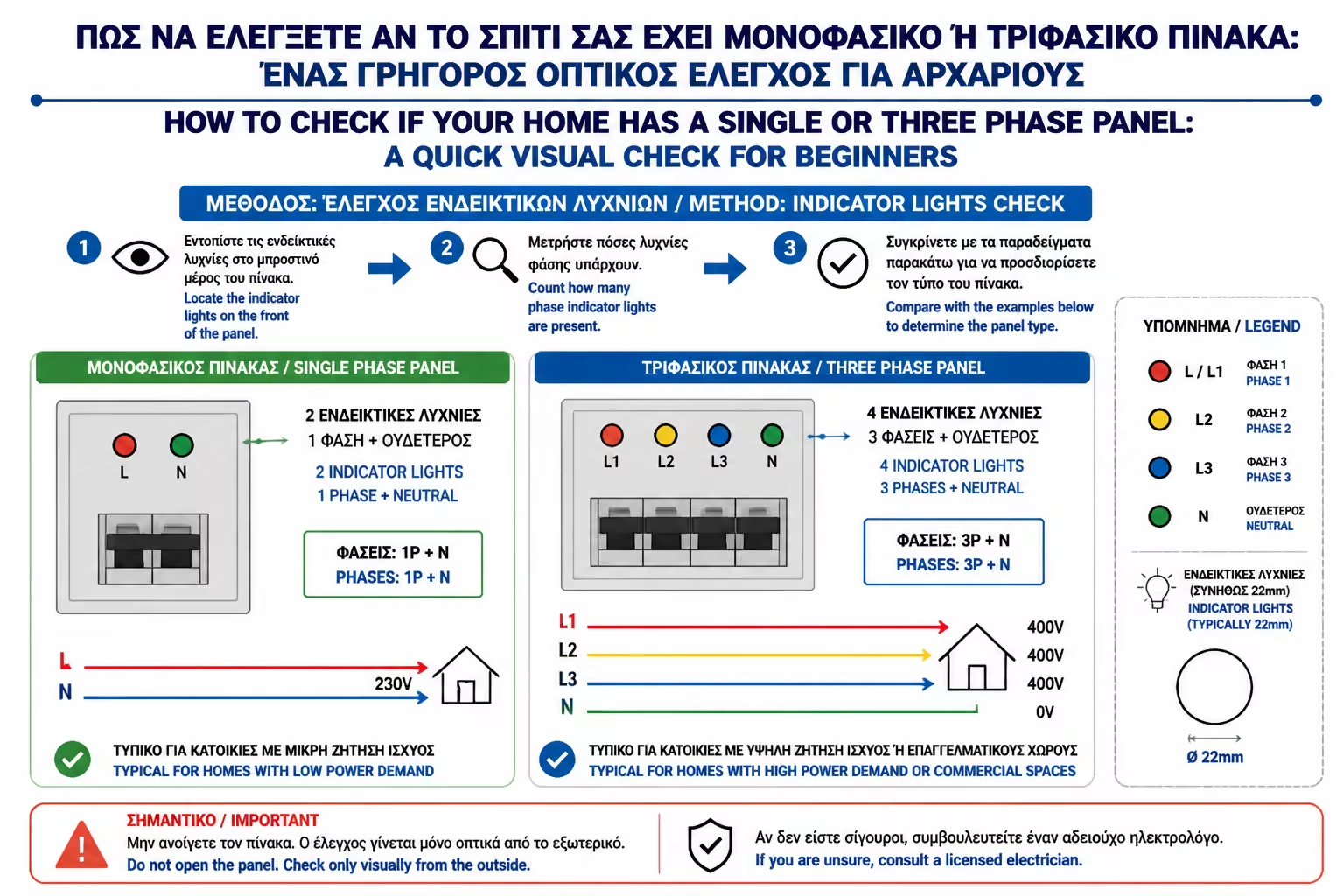
This is probably the most beginner-friendly way, as long as the board is not completely ancient. Right next to the Master Switch, there are some indicator lights (usually red, orange or green).
The house is almost certainly Single Phase. It lights up to show you that "one" phase is bringing power from the street.
The house is three-phase. Each light corresponds to one of the three phases of the network (L1, L2, L3).
If you have 3 lights, but one is off, it doesn't mean it "became" single phase. It means either that the light bulb burned out, or that DEDDIE has a fault and "lost" one phase in your neighborhood!
If the house is locked and you don't have access to the internal panel, you can find the answer by going down to the ground floor of the apartment building or checking the "box" (meter) on the sidewalk.
Find the clock that corresponds to your apartment and look at the labels and letters on the dial (whether it's the old analog with the rotating disc, or the new digital):
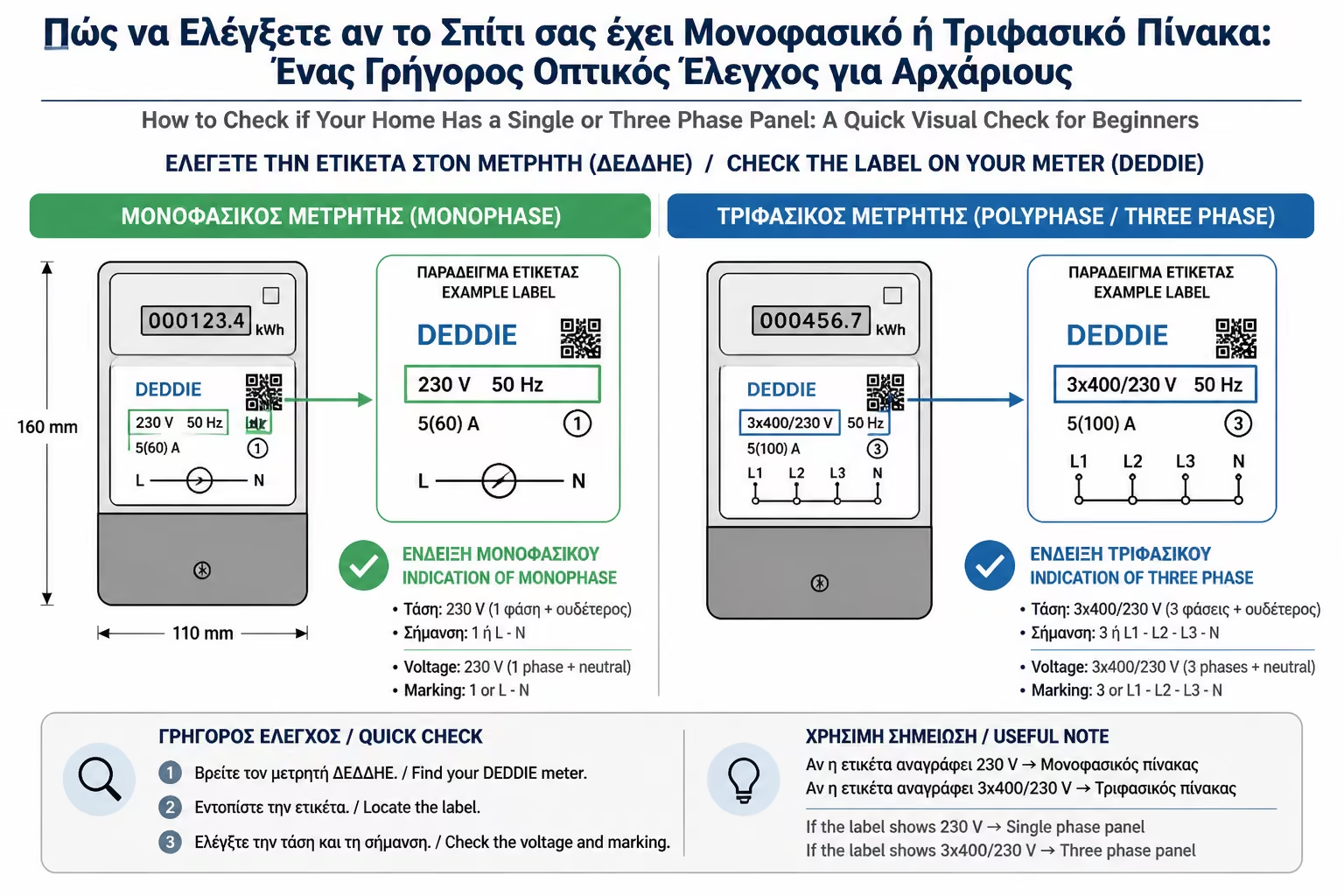
You will see it say "Monophase", or "1-Phase", or the 1Φ symbol. Also if you look at the operating voltage it will just say 220V or 230V.
You will see it say "Polyphase", "Three-phase", or the 3Φ symbol. The clearest sign is that the voltage will say 3x230/400V (or 3x220/380V in older ones). Also, the physical size of a three-phase meter is noticeably larger.
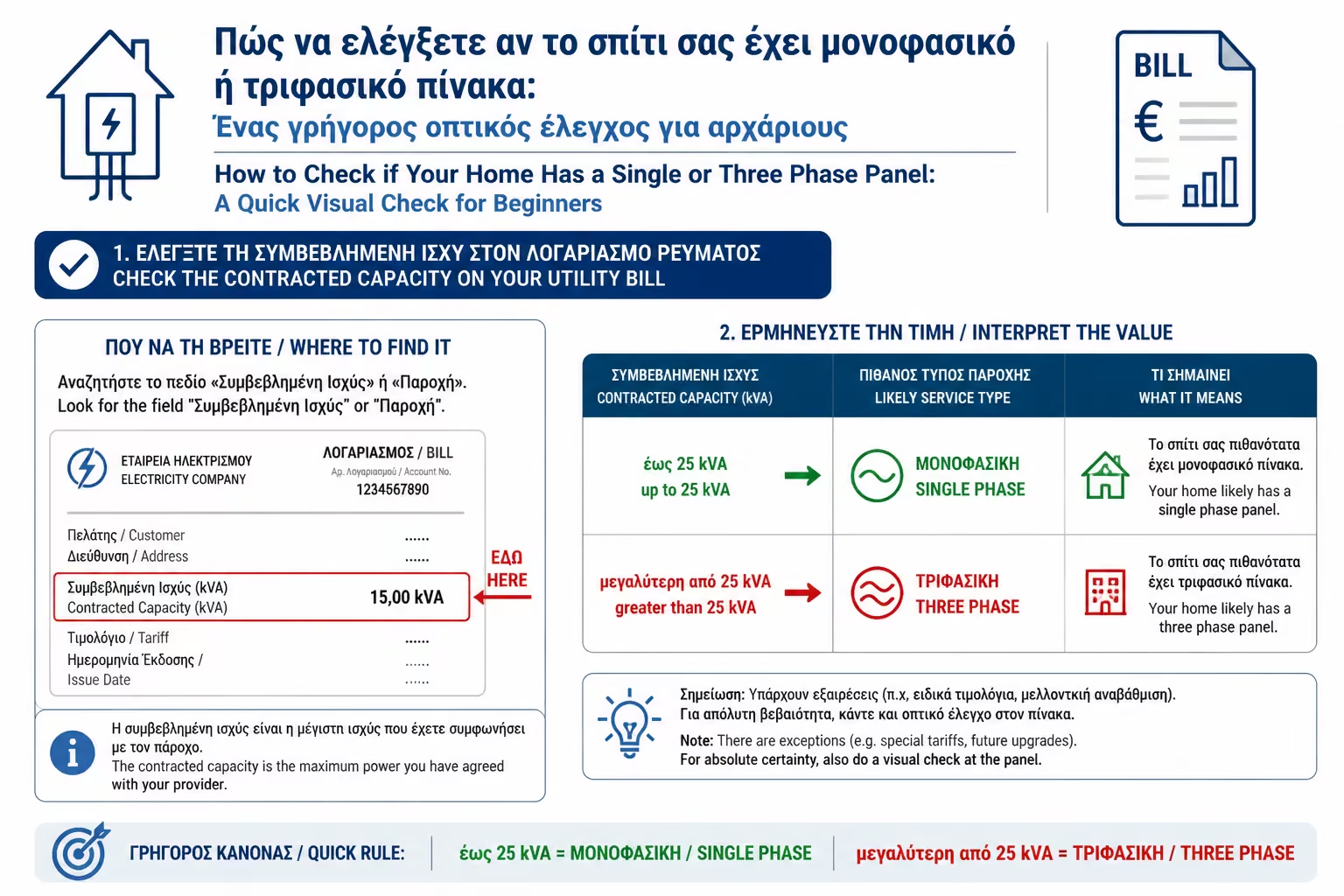
If you have your hands on an old electricity bill for the property (any provider), the answer is printed there, as long as you know where to look.
Go to the section of the bill that lists the technical characteristics of the connection (usually where it says "Type of Provision" or "Agreed Power"):
The house is single-phase. (Also often listed as "Delivery 1" or "Delivery 2").
The house is 100% Three Phase. (Also listed as "Delivery 3", "Delivery 4", etc.).
As you can see, there is no mystery surrounding furnishing your home. Whether you check the thickness of the master switch, count the light bulbs, or just look at the bill, the information is readily available. Now you're ready to talk to your carrier or order your new devices with confidence!
Next Step: We have seen how the three-phase current looks like in the table. But how is this powerful current transferred to specialized devices? Certainly not with the simple, classic wall outlet. Continue to the next article: Three Phase Outlets & Industrial Plugs (CEE): What they are, where they fit and how to connect safely, to learn about the world of "red plugs".
Return to category.
Go to categoryReturn to the central guide.
Go to guide