
Single-Phase or Three-Phase?
A practical guide to choosing the right supply by comparing your current and future energy needs.
Read more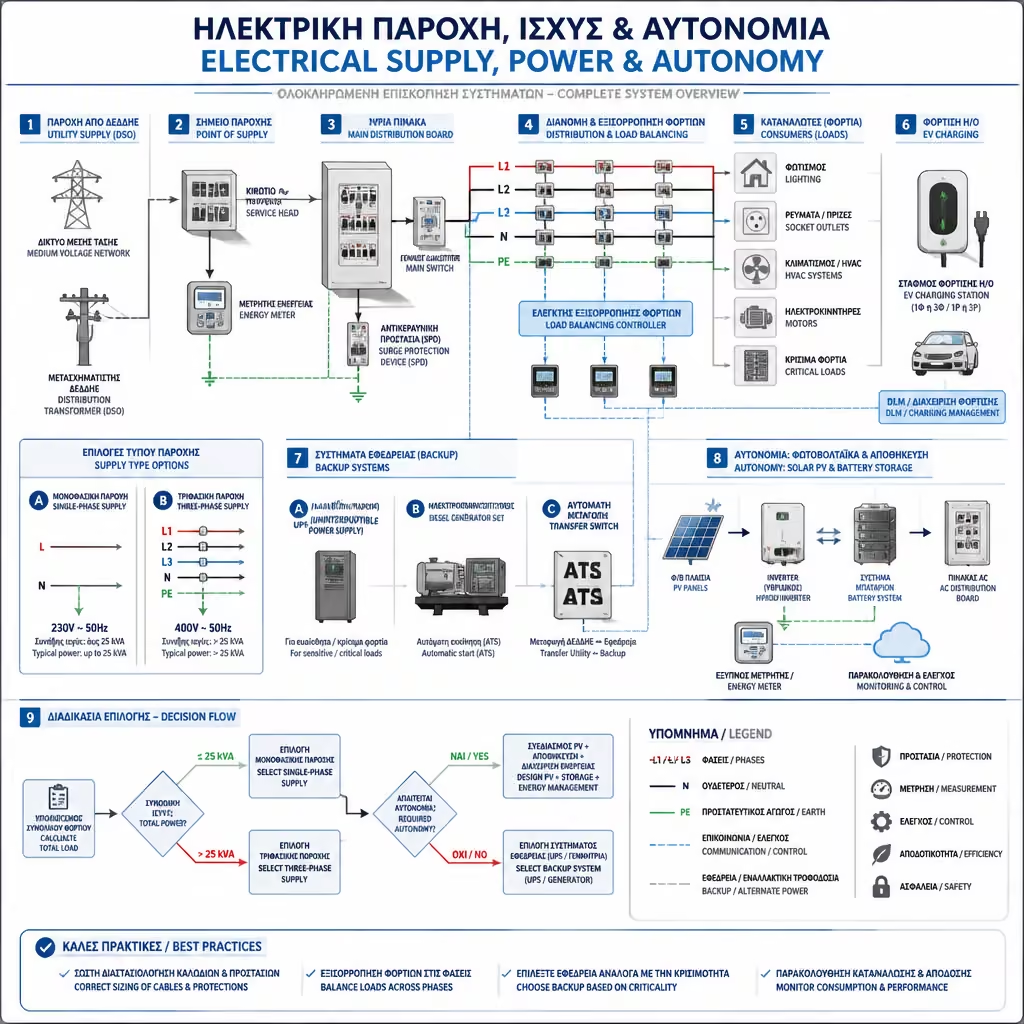
As modern buildings become fully electrified with heat pumps, EV charging and smart equipment, power management becomes a central design issue. This guide explains how to secure the capacity you actually need without nuisance trips, weak infrastructure or unnecessary fixed utility costs. It covers the single-phase versus three-phase decision, utility capacity upgrades, backup generators, UPS systems and solar self-generation.
This section collects the supporting articles that help you plan stable, scalable and resilient power infrastructure for both homes and demanding mixed-use properties.
This is the first major decision for any property. Learn the limits of single-phase supply, when three-phase becomes necessary and how the utility-side process works step by step.
A practical guide to choosing the right supply by comparing your current and future energy needs.
Read moreHeat pumps, wallboxes and simultaneous heavy loads: when single-phase supply reaches its real limits.
Read more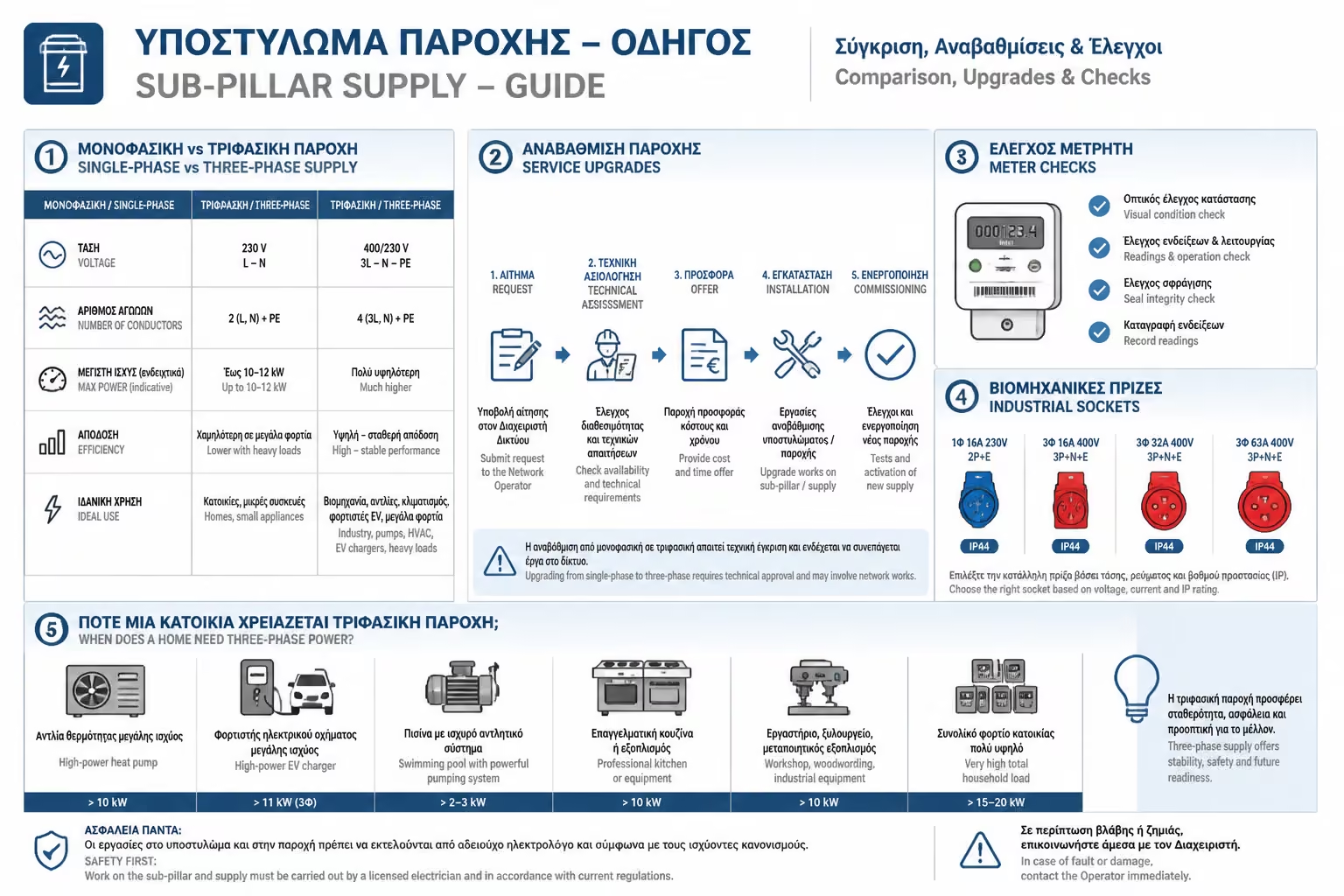
The process, the required documents and the costs involved when you need a larger available supply.
Read moreWhat works in practice, what the charging-speed limits are and how dynamic management helps.
Read moreWhen it makes sense as a cost-saving move and when technical constraints make it a bad idea.
Read moreA quick visual inspection of the panel and meter, useful for beginners, tenants and buyers.
Read moreWhat the red industrial sockets are used for and how they are connected safely.
Read moreBehind a stable installation sits accurate power math. This section explains why proper load estimation and phase balancing are essential if you want the system to perform without constant main-breaker trips.
The basics of kVA versus kW, plus practical sizing examples for residential properties.
Read moreWhy a three-phase installation can still trip even when total capacity looks adequate, and how to distribute loads properly.
Read more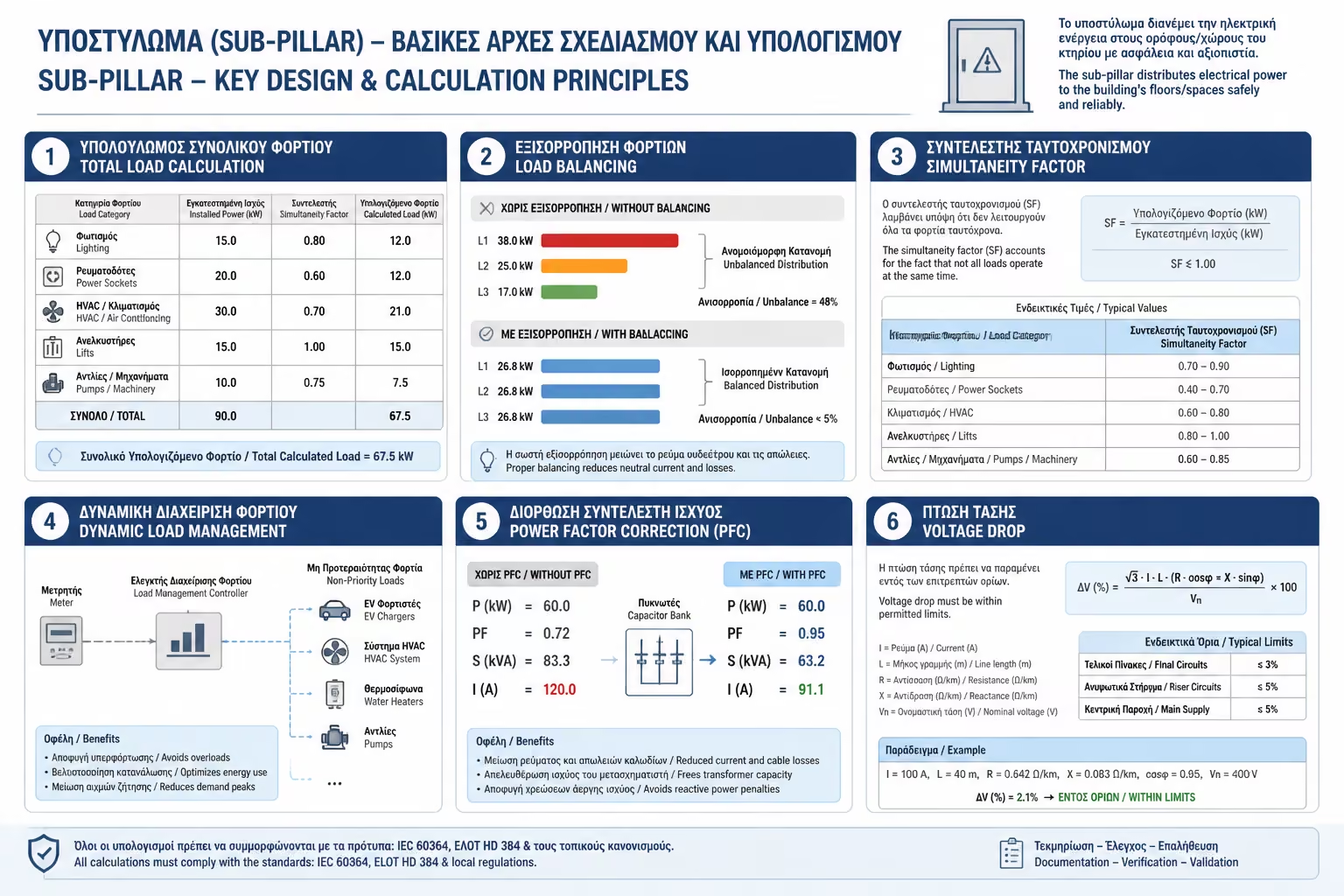
The engineer’s shortcut for realistic circuit sizing so systems are not overbuilt without reason.
Read moreHow a smart EV charger communicates with the main board and automatically reduces charging current when needed.
Read moreWhat reactive power is, why businesses can be penalised for it and how capacitor banks correct the issue.
Read moreWhich appliances draw the highest current and why they require dedicated circuits.
Read moreHow voltage drop is calculated, how it affects equipment and why it matters over longer cable runs.
Read morePower cuts and voltage disturbances can shut down work or damage sensitive equipment. This part shows how to organise backup and conditioning systems that match your operational risk.
Line-interactive versus online topologies and what to choose for PCs, servers and critical household systems.
Read moreA relatively low-cost but effective protection layer for sensitive electronics and inverter-driven equipment.
Read more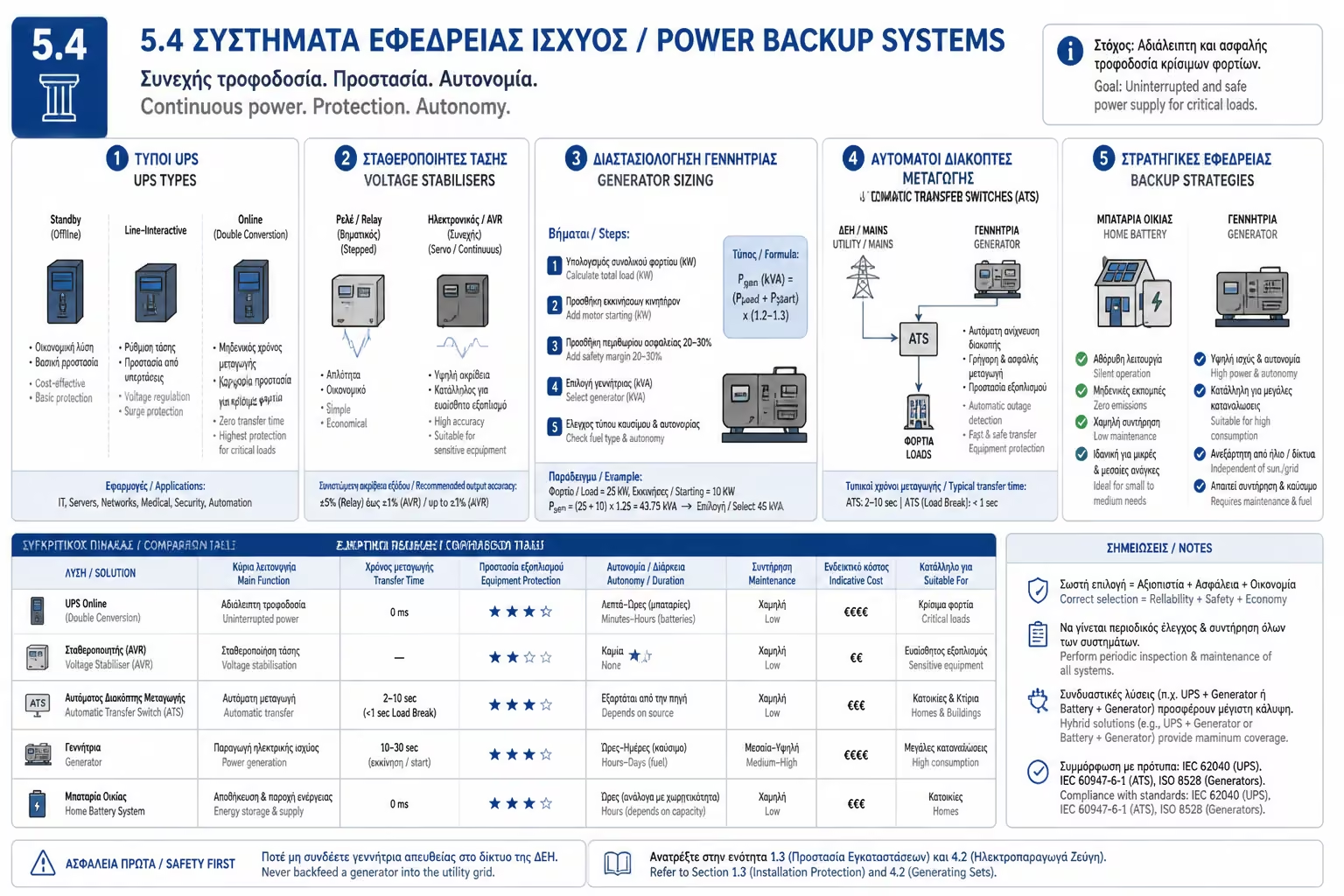
Diesel, petrol and inverter generators compared so you can match the machine to your backup scenario.
Read moreA practical sizing guide so the genset can comfortably handle emergency loads such as lighting, refrigeration and heating.
Read moreHow ATS equipment detects grid failure, starts the generator and transfers the load safely.
Read moreThe legal and technical rules for safe manual changeover without back-feeding the public grid.
Read moreUp-front cost, runtime and operational trade-offs between stored electricity and fuel-based backup.
Read moreGenerating your own electricity is one of the most important long-term investments a property can make. Understand the current regulatory framework, the panel-board requirements and the infrastructure choices that support solar and storage systems.
What applies in Greece today and how the rule changes affect project economics and payback.
Read moreWhich protections, disconnectors and metering equipment your electrician must add for a compliant connection.
Read more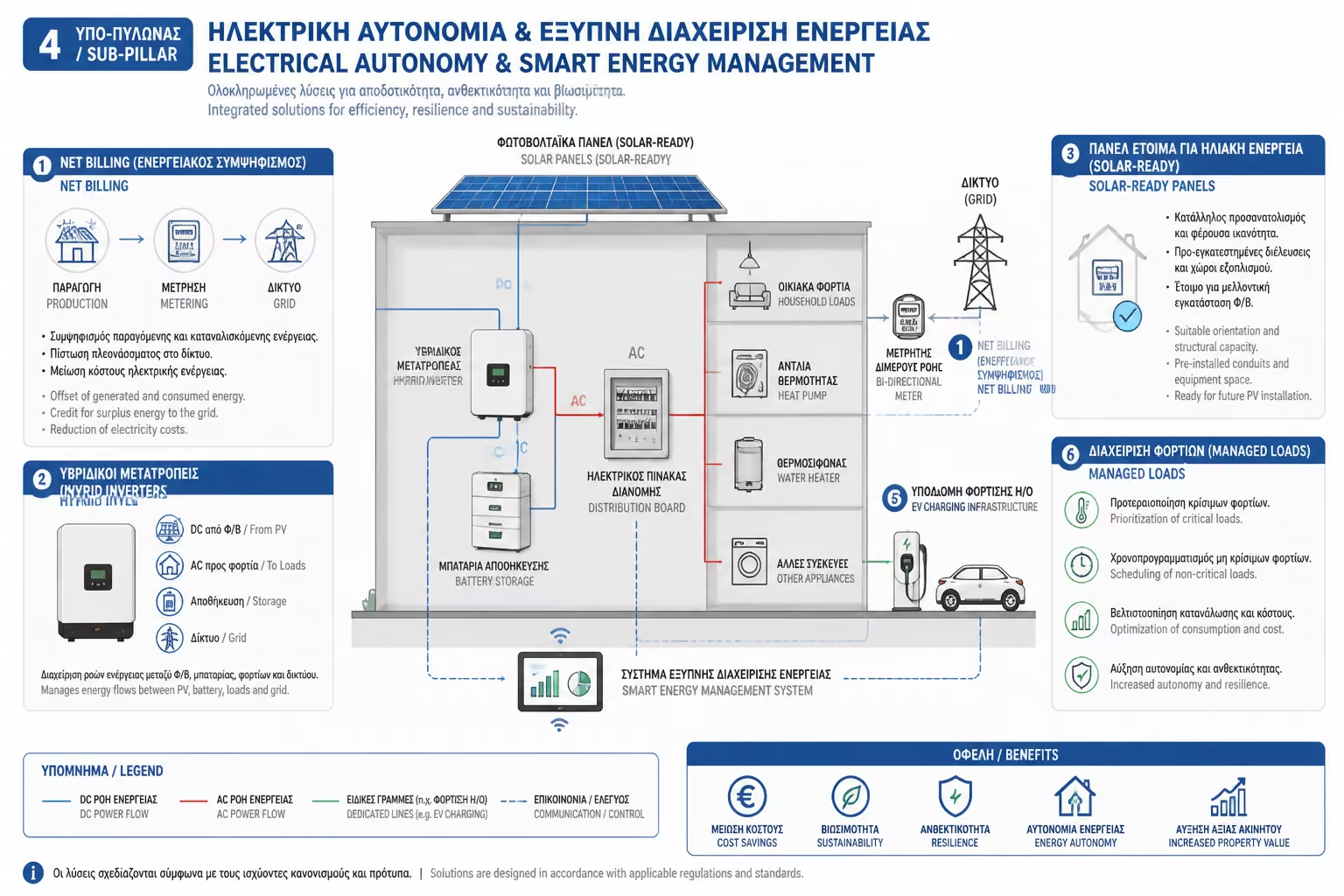
What they are, how they manage grid, panels and batteries at the same time and why they are central to modern systems.
Read moreAC coupling versus DC coupling explained in practical terms.
Read moreHow to route conduits from roof to service spaces during construction for an easier future installation.
Read moreAre plug-and-play units legal, how do they connect and what should you check in the panel first?
Read moreHow to build the electrical and battery side of a remote property with no utility connection at all.
Read moreThe legal power limits for single-phase systems and when a supply upgrade becomes mandatory.
Read moreSee the full pillar map covering panels, supply, lighting, smart home, networks and maintenance.
Go to the guideIf you are planning a new installation or a demanding renovation, contact us for proper design support and coordination of all building networks.
Contact us