Automated Codes (API Integrations)
Good locks are linked directly to your Airbnb account (or your PMS). Once a reservation is made, the system automatically generates a PIN code and sends it to the guest.
You saw the visitor from your mobile via the IP Doorbell. But what if you want to open the door for him? Or, even more often, what if you're an Airbnb host and you need to hand over the keys to a tourist whose flight arrives at 03:00 in the morning?
For decades, the security of our property has relied on a piece of chipped metal (the key), which can easily be lost, stolen or duplicated. Today, Smart Locks turn the physical key into a Digital Credential.
Many owners hesitate to install them for fear of being "hacked" or "running out of battery" and being locked out. As engineers, we're going to demystify the technology, see how it applies to Greek armored doors and why, ultimately, they make your home much safer than it was yesterday.
In the US, doors are often wooden with simple deadbolts. There they change the whole mechanism. In Greece, 90% of apartments have heavy, Armored Security Doors with multiple pins and European (umbilical) cylinders. Picking the lock of such a door is prohibited.
That's why leading companies in Europe (such as Austria's Nuki, Yale with the Linus model, and SwitchBot) have created "Retrofit" locks.
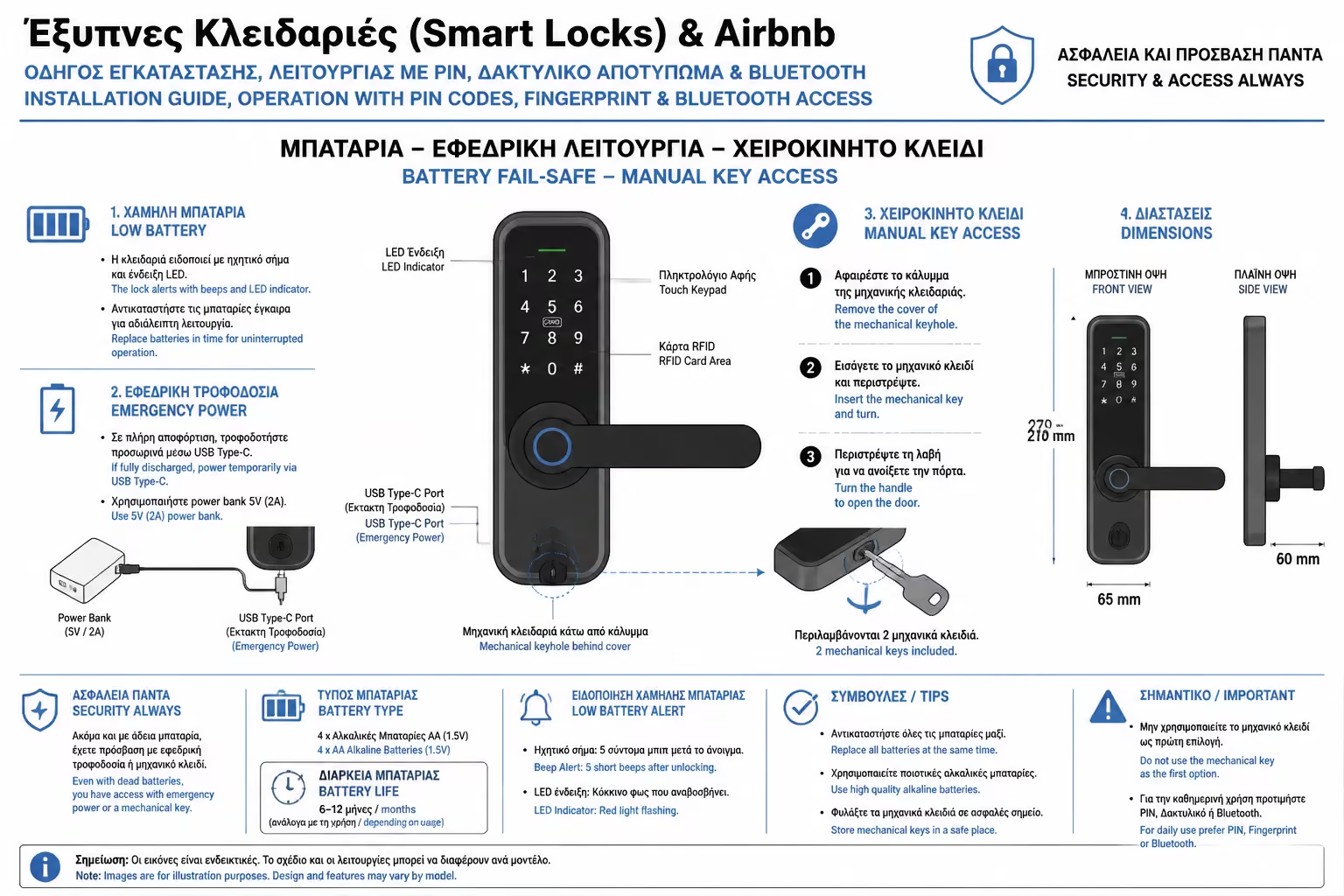
(⚠️ The Golden Rule of Installation: The cylinder (umbilical) of your door must necessarily have a "Double Clutch / Emergency Function". This means that if there is a key forgotten from the inside, you can insert a second key from the outside and open normally. This is your absolute mechanical safety in case of motor failure).
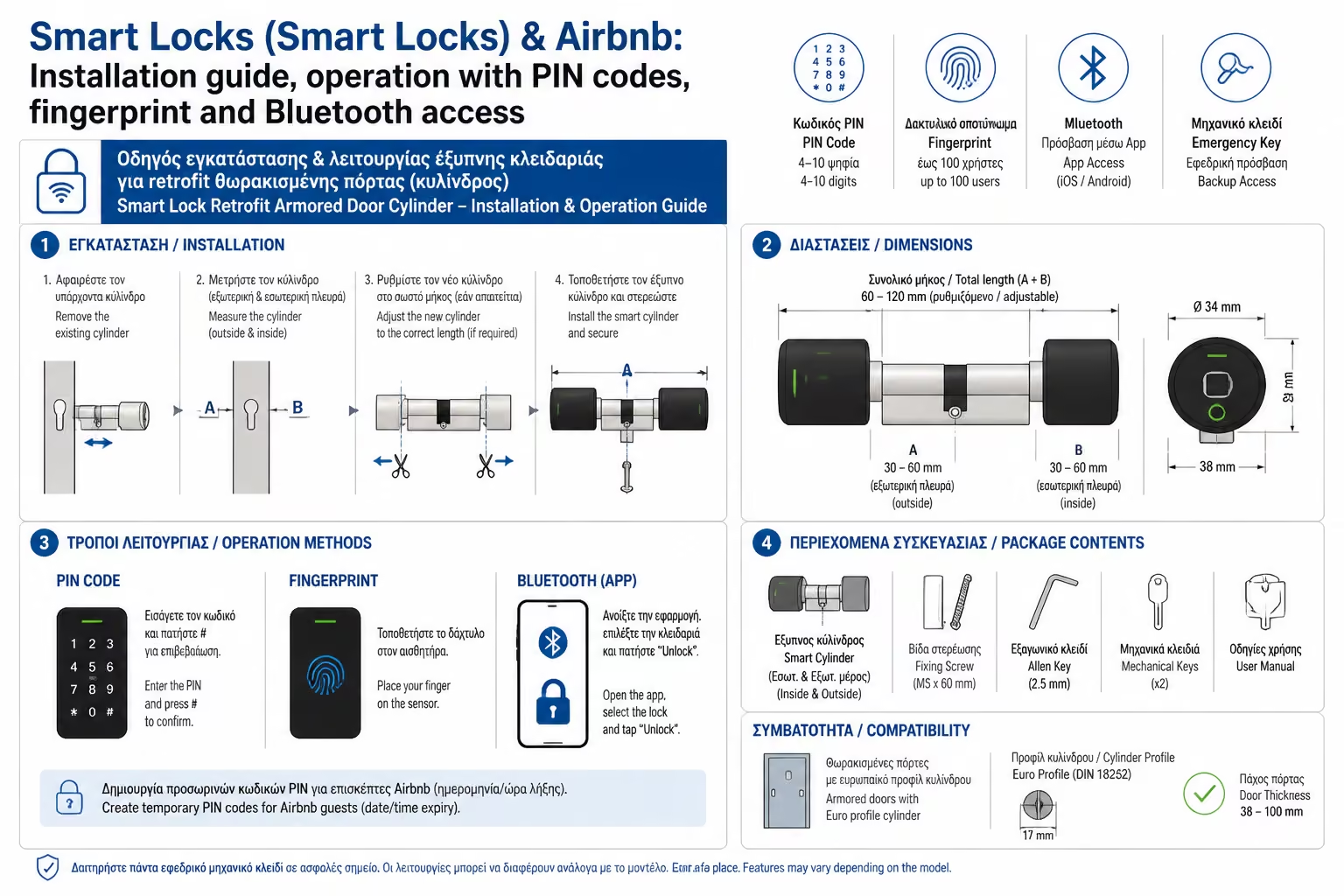
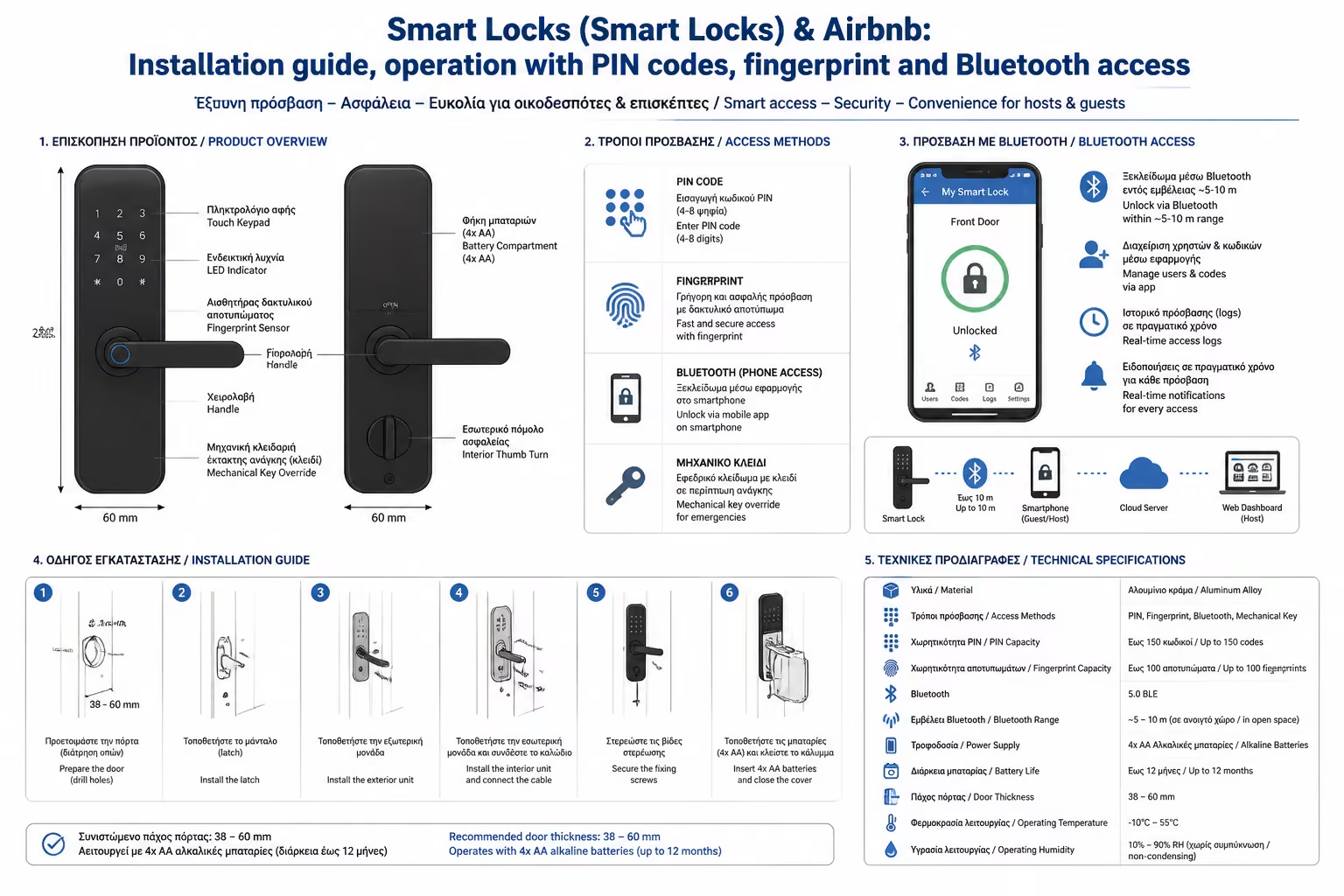
Forget rummaging through your pockets for keys. Modern Smart Locks offer multiple levels of access (often via external, wireless accessories that stick next to the door):
If you're a short-term rental manager, Smart Lock isn't a "gadget," it's the ultimate tool for reducing operating expenses.
No more Lockboxes that get stuck on the bars or get hacked. No more wasted hours waiting for the visitor whose flight was delayed.
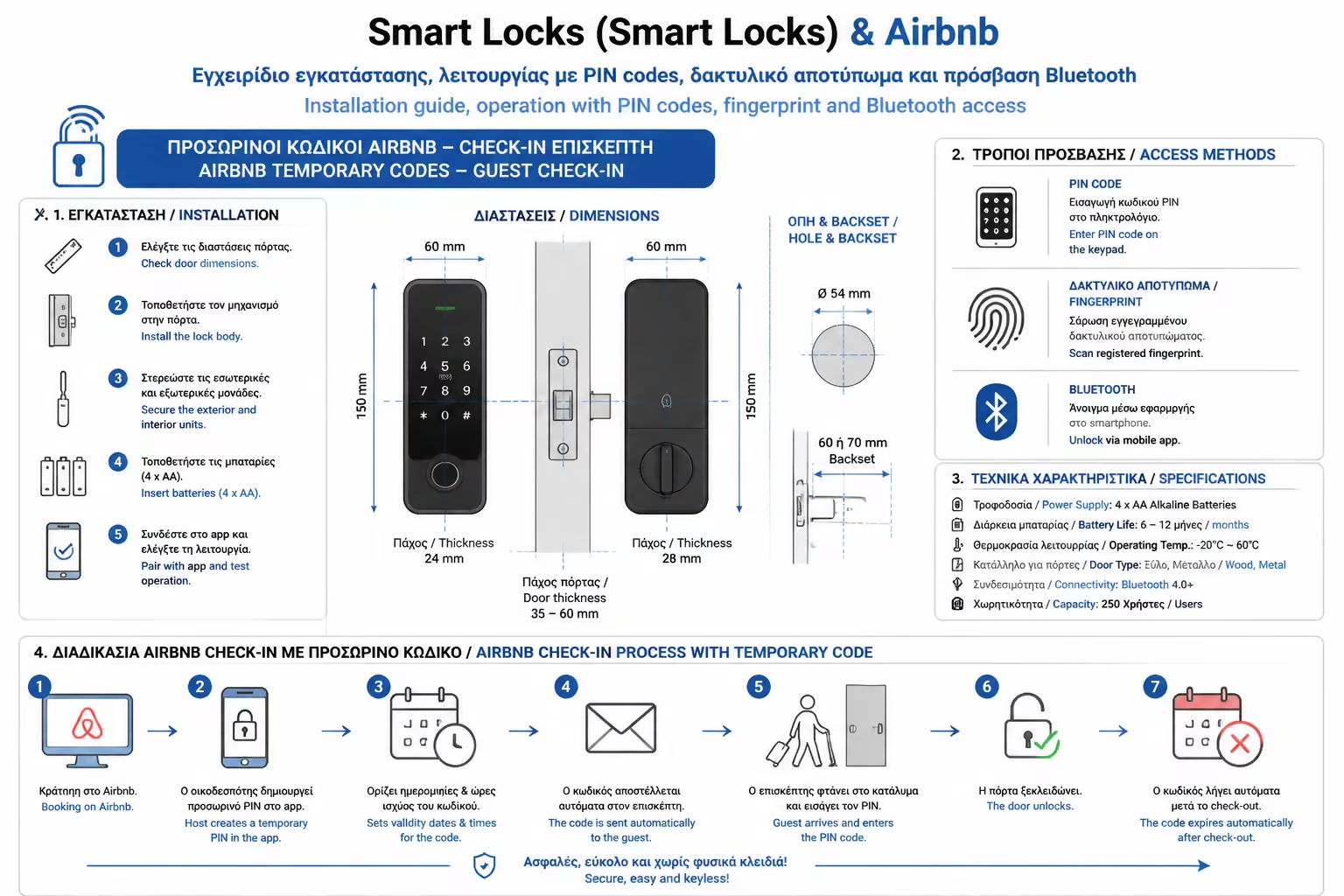
Good locks are linked directly to your Airbnb account (or your PMS). Once a reservation is made, the system automatically generates a PIN code and sends it to the guest.
The most important thing! The guest's code is automatically "activated" on the day of Check-in at 14:00, and permanently deleted on the day of Check-out at 11:00. Even if the visitor keeps the code, they cannot re-enter your home.
You see live on your mobile the exact time the door was opened, knowing if the guest arrived safely or if the cleaner finished her shift.
"What if the power or internet goes out?" Smart Lock communicates with your mobile phone and its accessories (Keypad) via Bluetooth, which is local. It also works with its own built-in batteries (AA or rechargeable packs). Even in a general blackout in the neighborhood without internet, your fingerprint and PIN will open the door normally.
"Am I running out of battery?" Batteries last from 6 to 12 months. The system does not "die" suddenly. When the battery reaches 20%, you'll start getting notifications on your phone, and the lock will often flash red every time you open it. Even if you ignore the warnings for weeks, you always have your physical key in your bag.
"Can she be hacked?" Communication is encrypted with banking security standards (End-to-End Encryption, AES-256). Realistically, a burglar isn't going to bring a laptop and Bluetooth eavesdropping equipment into your stairwell to break encryptions of millions of combinations. It will simply bring a crowbar to break the umbilical (which is why the good, steel safety cylinder remains mandatory).
A Smart Lock does not reduce the security of your home; on the contrary, it increases it. How many times have you left in a hurry, just pulled the door behind you (closing only the tongue) and left, leaving the house virtually unlocked? The smart lock features an Auto-Lock function: As soon as the door is closed, the motor takes over and turns the bolt, fully "locking" your armored door, every time, without exception. It is the ultimate upgrade for your everyday peace of mind.
Next Step: We've secured the front door, but real security in a modern home requires detecting a breach before an intruder even gets to the door.
If you're planning a new home now, we're moving on to the most critical infrastructure guide: New Home Alarm Wiring (Pre-wiring): What wires to run for radars, traps, keypads and sirens during construction.
Return to category.
Go to categoryReturn to the central guide.
Go to guide