
Closed storage for most day-to-day items
The Storage Mistake: How a Beautiful Minimal Bathroom Ends Up Looking Cluttered
Minimal bathrooms are extremely popular. Clean lines, calm colors, very few visible objects, and a strong sense of order make the result look elegant and high-end.
In everyday life, though, a bathroom never stays as empty as it looks on the handover day. Toothbrushes, razors, creams, shampoos, towels, toilet paper, cleaners, and small appliances all need a real place to live.
When storage has not been planned properly, those items spread across the sink, the shower area, the toilet cistern, and any shelf that happens to be available. A bathroom designed to feel calm and clean starts looking untidy almost immediately.
The problem is not minimal design itself. The problem is minimal design with no serious storage strategy behind it.
1. Why a Minimal Bathroom Needs Better Storage
Many homeowners confuse minimal with “less furniture.” In practice, a successful minimal bathroom does not have fewer needs. It simply hides those needs better and organizes them more intelligently.
Everyday objects do not disappear. They just need a defined place so they do not take over every visible surface.
Smart drawers with real usable capacity
A mirror that also contributes storage, not only style
Recesses or shelves inside the shower for bathing products
A proper place for towels and toilet paper
Space for cleaners, appliances, and backup products
If these are not accounted for from the beginning, the bathroom quickly fills up with objects that were never given a place in the design.
2. The Most Common Mistake: Beautiful Vanity, Almost No Storage
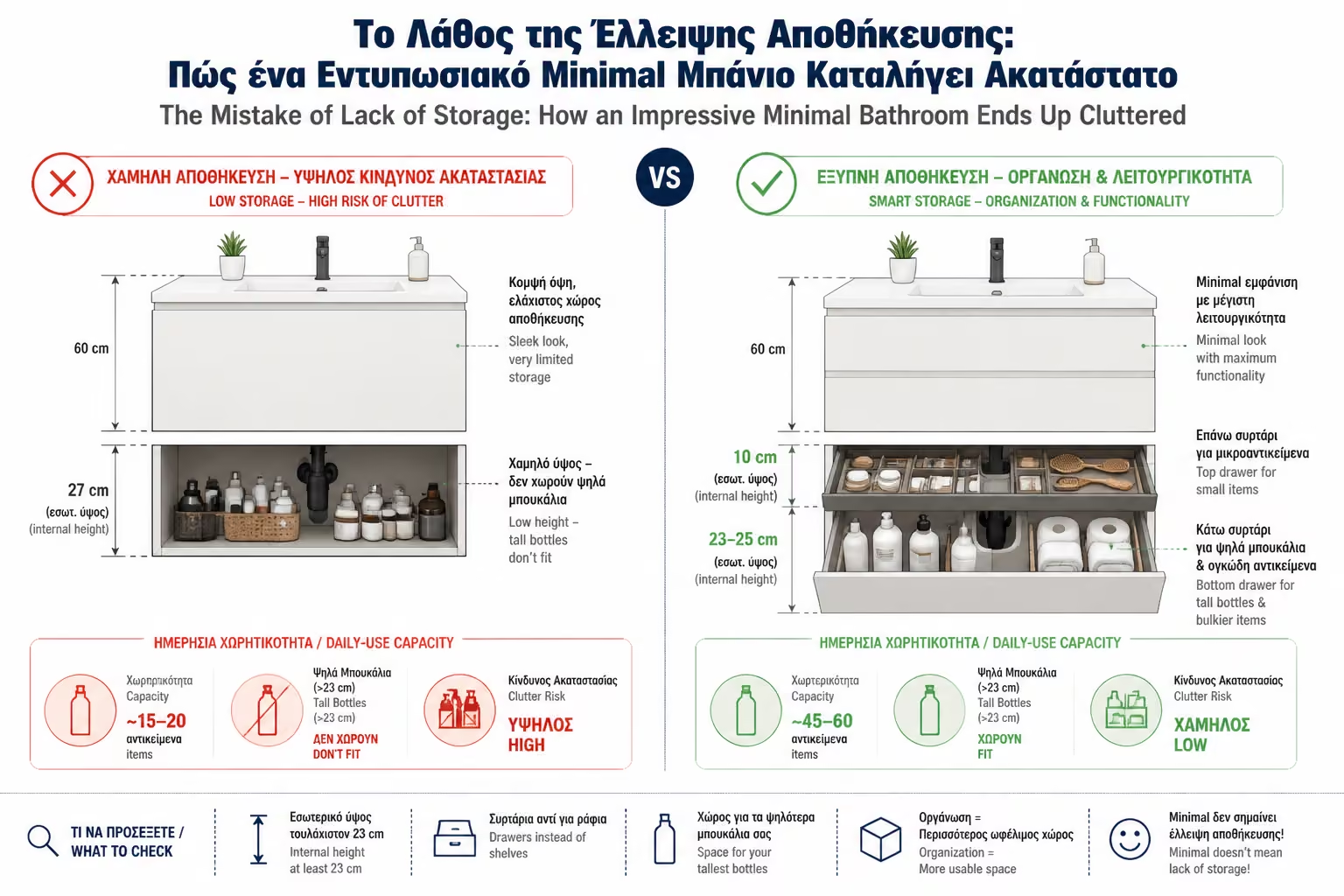
The vanity is usually the bathroom’s main storage point. Even so, many people choose it almost entirely based on appearance.
A slim, minimal vanity can look elegant, but if it has shallow depth, awkward drawers, or poor internal organization, it will fail in daily use.
Creams and toothbrushes left on the sink
Hair dryer or shaver stored in plain sight
Shampoo bottles gathered around the shower
Toilet paper stacked on top of the cistern
Cleaners shoved under the sink with no order
Towels hanging wherever free space is found
How many drawers it has and how practical they really are
Whether the depth is actually sufficient
Whether upright bottles and appliances fit inside
Whether there are internal dividers or organizers
Whether the drawers open comfortably in the available space
Whether the vanity blocks the toilet or the path to the shower
What happens next
The bathroom does not become cluttered because the owner is careless. It becomes cluttered because no proper space was designed for the items used every single day.
How to avoid it
Before choosing a vanity, assess real storage performance and not only the visual style. In many cases, a simpler but better-organized piece is the stronger choice.
3. Drawers or Cupboards? What Is More Practical
Older bathrooms often relied on cabinet doors. Today, drawers are usually more practical for everyday bathroom items because they provide better visibility and better organization.
You can immediately see what is inside
You do not need to bend deeply or search the back
They are easy to organize with trays and dividers
They use the available volume more efficiently
They are more convenient for items you use every day
Tall bottles and containers
Cleaning products
Toilet paper rolls
Bucket or small cleaning tools
Bulkier items that are not needed constantly
Why drawers usually win
Drawers work better for daily products because they keep them ordered, visible, and easy to reach.
When cupboards still make sense
Cupboards remain useful when you want to hide larger or less attractive items. In many bathrooms, the best answer is a combination of both.
4. Mirror Cabinet: The Most Underrated Storage Solution
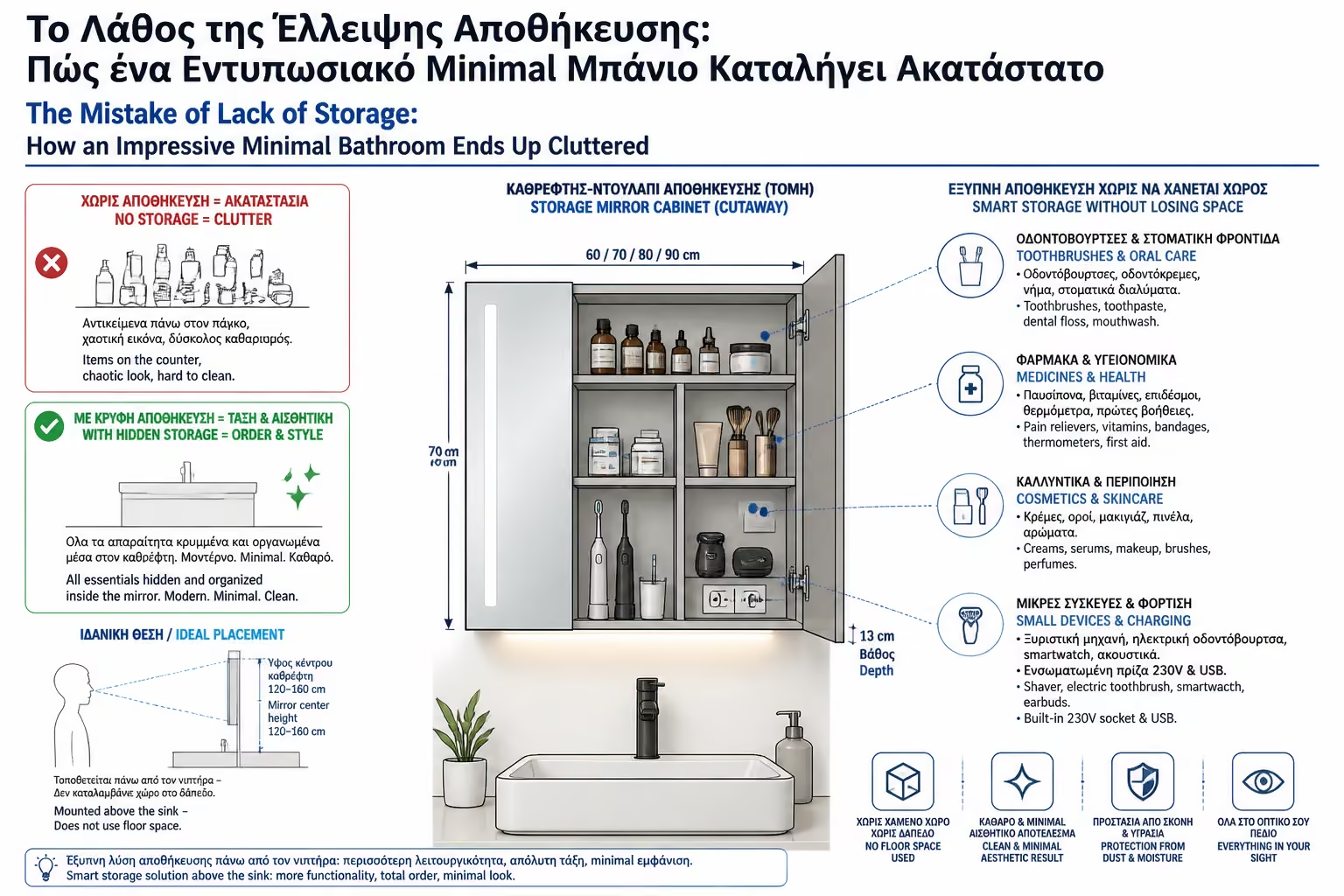
Every bathroom needs a mirror. But a simple large mirror often wastes a valuable storage opportunity, especially in small spaces.
A mirrored cabinet adds useful capacity without taking up floor space and without making the room feel heavier.
Toothbrushes and toothpaste
Medicines and cosmetics
Razors and contact-lens supplies
Small bottles used every day
Items that would otherwise crowd the sink
The actual cabinet depth
Whether the doors open comfortably
Whether the lighting is sufficient
Whether there is a socket inside or nearby
Whether the height suits the user properly
Whether it protrudes too much into the room
Why it is ideal in a small bathroom
It uses the wall above the sink, which will already be occupied by a mirror anyway. That keeps the countertop clear and the floor free.
What to remember
In a very small bathroom, even 10 to 15 cm of hidden storage depth can make a noticeable difference in daily order.
5. Shower Niches: The Recess That Must Be Planned Early
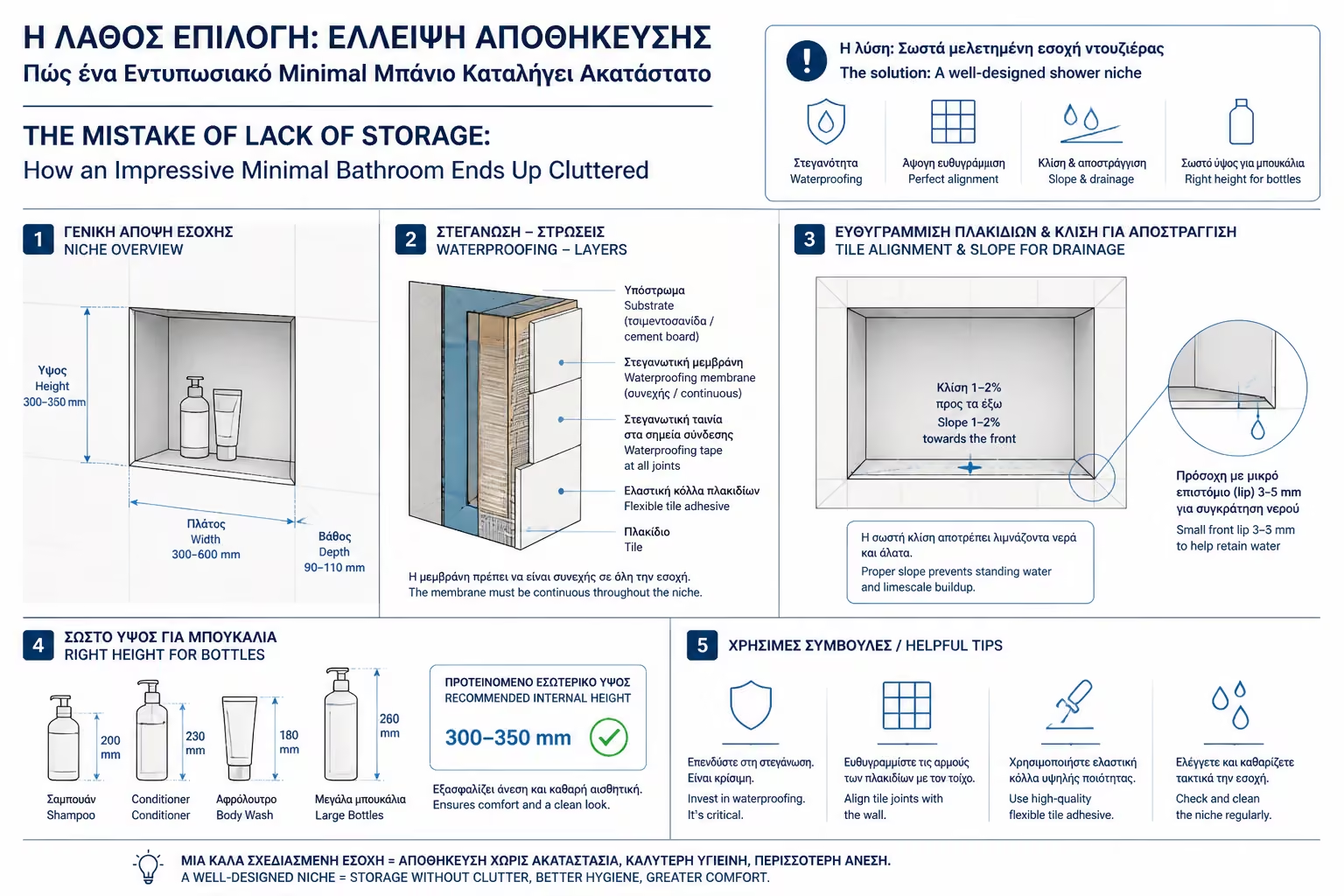
A shower niche is one of the most practical storage solutions for shampoos and bath products.
When designed correctly, it replaces temporary shelves and keeps the shower zone cleaner, calmer, and far more organized.
Shampoo and body wash bottles
Conditioner and hair products
Sponges and razors
Small products used every day in the shower
The wall construction and available build-up
The waterproofing strategy
The tile size and layout
The final cuts and alignment
The water runoff detail
The finished visual result
The correct placement inside the shower
Enough height for the bottles you actually use
A slight slope so water does not sit inside
Proper sealing and waterproof continuity
Clean coordination with the tile layout
A practical depth instead of an arbitrary one
Why it must be decided early
A niche is not just a decorative touch. It is a small construction inside a wet zone, so it has to be planned before the tiling and waterproofing are finalized.
What goes wrong when it is improvised
A poorly executed niche can create moisture risk, awkward tile cuts, and a messy appearance that undermines the whole bathroom.
6. Shelves: When They Help and When They Create Clutter
Shelves can absolutely add storage, but they need restraint. Too many open shelves can make the bathroom look busy even when it is technically clean.
A few neatly folded towels
Decorative objects used sparingly
Small organizer baskets
A few frequently used items with visual discipline
They are not ideal for lots of mixed bottles, cleaners, and personal products, because everything stays visible all the time.
Cleaning products
Toilet paper rolls
Medicines
Backup supplies
Personal items you do not want exposed
Products that create visual noise
What open shelves do well
Open shelving works best when it holds very few items and supports easy access without turning into a display of clutter.
Where closed storage wins
Closed cabinets are better for anything visually messy, rarely beautiful, or simply too varied to leave on display.
The right balance
A functional bathroom usually needs both: a little open access and much more closed storage to keep the space calm.
7. Towel Storage: The Point People Often Forget
Many people plan the bathroom without deciding where towels will actually live.
A hand towel near the sink
A bath towel near the shower exit
Storage for clean folded towels
Possibly a towel rail or heated towel element
When no provision exists, towels end up on the door, on the shower screen, on temporary hooks, or in inconvenient corners.
A towel rail near the sink
A hook or bar near the shower exit
A proper place for clean towels
A heated towel rail if the project includes heating
Hooks behind the door where that layout makes sense
The practical rule
A towel should be where you need it, not wherever a piece of wall happened to remain free after the design was finished.
8. Toilet Paper, Brush, and Cleaners: The Uncomfortable Items That Still Need Design
Beautiful renders rarely show toilet paper rolls, toilet brushes, cleaners, and other unglamorous objects. In real life, those items still exist and still need a proper place.
If you do not plan for them, they end up in random visible locations.
Toilet brush
Spare toilet paper rolls
Small bin
Cleaning products
Cloths and consumables
Detergents and refill items
Small utility bags or backup supplies
Inside the vanity if capacity allows
Inside a slim cabinet
Inside a shallow storage column
Inside baskets placed within a cupboard
In closed storage above the cistern
In the mirrored cabinet for the smaller items
The real meaning of good storage
Good bathroom storage is not only about displaying attractive items neatly. It is mostly about hiding the objects you would rather not see at all.
9. Hidden Storage in Small Bathrooms
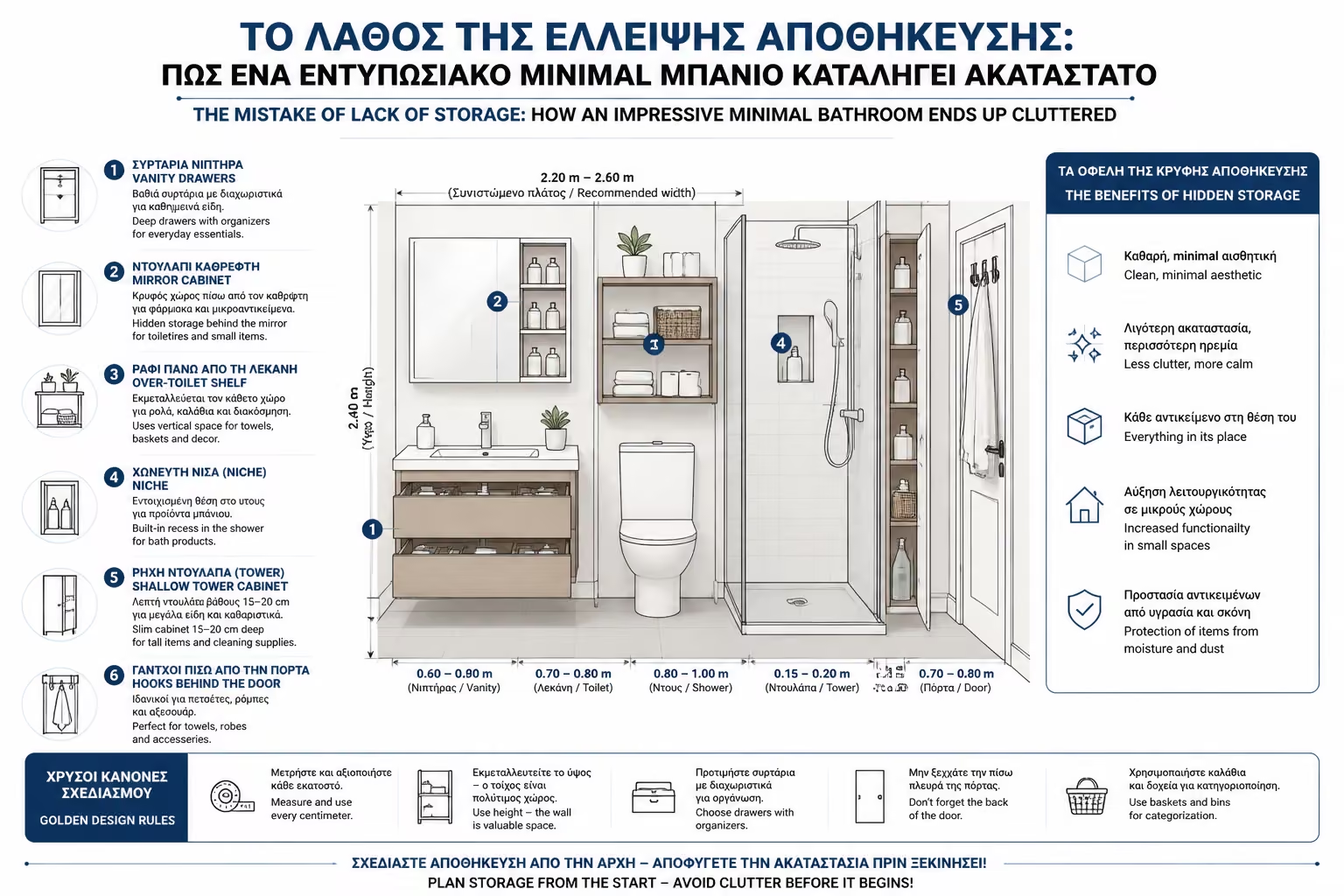
Storage is harder in a small bathroom, but it is far from impossible. It just requires a more intelligent use of every available zone.
The key is to keep the floor as clear as possible. The more objects sit on the floor, the smaller and more cluttered the bathroom looks.
Wall-hung vanity with drawers
Mirrored cabinet above the sink
Shallow storage column
Shelf or cabinet above the cistern
Niche inside the shower
Hooks behind the door
Baskets inside closed cupboards
Low-depth furniture that still works in practice
Built-in shelves where the construction allows them
The main design principle
In a small bathroom, hidden vertical storage almost always performs better than adding more objects at floor level.
10. The Trap of Too Much Open Storage
A common reaction to limited storage is to add several open shelves. That does not always solve the problem.
Open shelving looks good when it holds only a few disciplined items. In daily life, it often ends up full of mixed packages, bottles, and random products.
The result is visual clutter, even in an otherwise clean bathroom.
The objects are few and carefully selected
Baskets or containers are used consistently
Folded towels are part of the visual composition
The overall image stays coherent and controlled
The shelf is outside the heavily wet zone
Many small mixed products will end up there
The shelf sits too close to the shower and gets wet
It will collect dust and moisture easily
No one will have time to keep it perfectly arranged
It is being used as a replacement for closed storage
The real takeaway
A minimal bathroom usually needs more closed storage, not more open display space.
11. How to Calculate How Much Storage You Actually Need
Before locking the layout, do a simple exercise: think through, or physically collect, everything you truly use in the bathroom.
| Category | Where should it go |
|---|---|
| Everyday small items | Mirror cabinet or top drawer |
| Shower products | Niche or shower shelf |
| Towels | Shelf, column, or cupboard |
| Cleaning products | Closed low cabinet |
| Toilet paper | Closed storage or basket |
| Hair dryer / appliances | Drawer or cabinet near a socket |
| Backup products | Tall or shallow cabinet |
If you cannot assign a clean location to every category, then the bathroom does not have enough storage, no matter how good it looks on the drawing.
12. Where Storage Can Go Without Ruining the Design
Storage does not have to make the bathroom feel heavy or crowded. When it is planned correctly, it can strengthen the minimal result and keep the floor visually clean.
Above the sink
With a mirrored cabinet or a slim storage element.
Below the sink
With drawers or a closed vanity unit.
Above the cistern
With a shallow cabinet or shelf, especially if the toilet is floor-mounted.
Inside the shower
With a niche or a proper shelf that does not retain water.
Behind the door
With hooks for towels or bathrobes.
In dead corners
With shallow shelving or a narrow storage column.
High on the wall
With a closed cabinet for backup items that are not used every day.
13. What Must Be Decided Before the Tiles Go In
Some storage solutions can be added later. Others must be decided while the project is still open and flexible.
Whether the shower will include a niche
Where the mirror will sit and whether it will be a cabinet
Whether the mirror needs lighting or a socket nearby
Where hooks and towel rails will be fixed
Whether there will be a shelf above a concealed cistern
Whether the wall needs reinforcement for wall-hung furniture
Where the vanity will sit and how far the drawers can open
If these decisions are left until later, you may end up drilling finished tiles, improvising weak solutions, or accepting compromises you did not want.
14. Traps in Niches and Recesses
Niches are extremely useful, but they should never be built casually. Because they sit inside a wet zone, the risk is technical and not merely aesthetic.
Height that is too small for real bottles
Wrong location that gets constantly soaked
Poor waterproofing execution
No slope at the bottom surface
Too many awkward tile cuts
A recess in a wall that does not support the build-up
A niche that collides with pipes or installations
Measure the bottles you actually use
Decide whether you want one or two levels
Coordinate the height with the tile dimension
Demand correct waterproof sealing
Provide a small runoff slope for water
Check that the wall actually allows the detail
The bottom line
A well-designed niche is excellent. A badly executed niche becomes a likely point of moisture problems and frustrating maintenance.
15. Example: A Minimal Bathroom That Becomes Messy
A homeowner chooses a very clean design: a slim vanity, a large mirror with no cabinet, a shower with no shelf, no tall cupboard, and only a few visible accessories. On handover day, the bathroom looks stunning.
Two weeks later, everyday life exposes the design gap.
Shampoo bottles on the shower floor
Toothbrushes left on the sink
Hair dryer sitting out in view
Cleaning products under the sink with no order
Toilet paper rolls stacked on the cistern
Towels hanging behind the door
The bathroom did not fail aesthetically. It failed functionally. If the plan had included a mirrored cabinet, a shower niche, proper drawers, and one small closed storage column, the same minimal style could have remained tidy in real life.
16. Storage Checklist Before You Freeze the Design
Before the renovation starts, answer the following questions honestly.
| Question | Yes / No |
|---|---|
| Is there space for everyday sink products? | Yes / No |
| Is there a place for shampoo and body wash in the shower? | Yes / No |
| Has storage for towels been planned? | Yes / No |
| Is there a place for toilet paper? | Yes / No |
| Is there a closed cabinet for cleaners? | Yes / No |
| Is there room for a hair dryer or shaver? | Yes / No |
| Can the mirror become a storage cabinet? | Yes / No |
| Does the shower need a niche? | Yes / No |
| Do the drawers open comfortably? | Yes / No |
| Is there enough storage without filling the floor? | Yes / No |
If many answers are “no,” the bathroom will probably become cluttered in daily use, no matter how attractive it looks in the original concept.
17. Where It Is Worth Spending More
Storage is one of the areas where spending a bit more often pays off, especially in a small bathroom.
A vanity with good drawers and reliable mechanisms
A mirrored cabinet
A properly designed niche
Moisture-resistant materials
Wall-hung furniture that is easier to clean beneath
Internal drawer organization
You do not need the most expensive vanity on the market. You need one that actually works.
18. Where You Can Save Money
If the budget is tight, you can cut costs without sacrificing proper storage.
A ready-made vanity instead of a custom one
A standard-size mirrored cabinet
Simple internal baskets and affordable organizers
Simple towel rails and hooks
Shelves only in non-wet zones
A simple niche without expensive decorative tile accents
What you should not do is remove storage completely just to preserve a visually “clean” image.
💡 The Engineer's Advice
A minimal bathroom does not mean a bathroom without storage. It means a bathroom with storage that is hidden well and organized properly. Before choosing the vanity, the mirror, and the shower setup, think about the items you use every day and exactly where they will go. If the design gives them no place, they will end up on the sink, on the floor, or around the shower. The best moment to plan storage is before the tiles are installed. For niches, lit mirrors, sockets, and wall-hung furniture in particular, the decisions need to be made early. The bathroom should look beautiful on day one, but more importantly it should still work well after months of daily use.
Conclusion
Lack of storage is one of the most common mistakes in bathroom renovation. A bathroom can be striking, minimal, and modern, but if it has no place for daily items, it will quickly become messy.
A functional vanity with real storage capacity
A mirrored cabinet where it makes sense
A niche or shelf inside the shower
A proper place for towels
Storage for toilet paper
A closed cabinet for cleaners
Room for a hair dryer and small appliances
Smart use of the walls and not only the floor
A minimal bathroom does not fail because it contains few things. It fails when the design has not decided where real-life things are supposed to go. Proper storage is what keeps the bathroom clean, calm, and functional every day.
Related Articles
Bathroom Washing Machine Placement: Safety, Ergonomics and Smart Concealment Bathroom Spatial Mistakes: Doors That Slam on the Basin, Narrow Cubicles, and Spaces That Don't Work The 10 Biggest Bathroom Remodeling Mistakes: The Ultimate Guide to Homeowner Regrets After the Project Bathroom Doors & Opening Direction: The Hidden Driver of Ergonomics
Bathroom Renovation & Design Guide
Return to category.
Go to categoryCentral Guide
Return to the central guide.
Go to guide