
Steam from the shower
Mistakes in Choosing Bathroom Furniture: Materials That Swell, Rot, and Deteriorate from Moisture
Bathroom furniture is one of the most visible parts of a renovation, but also one of the most misunderstood. Many people choose it almost entirely by color, style, mirror design, and price.
But a bathroom is not a dry room. It contains humidity, steam, cleaning chemicals, splashing water, and often poor ventilation. That means the furniture should not be judged only by how it looks in the showroom, but by how it survives months and years of real use.
The common failures usually appear later: swollen doors, opened edges, damaged base strips, moisture inside the cabinet, loose mechanisms, and bottom panels ruined by floor water.
1. Why Bathroom Furniture Is Not Ordinary Furniture
Bathroom furniture lives in much harsher conditions than bedroom or living-room furniture. It has to cope with water, steam, and heavy daily use.
Water around the sink
Splashing from faucets
Moisture on the floor
Cleaning products and limescale
Temperature swings
Poor ventilation in many bathrooms
Constant daily use
That is why the vanity must be designed for a wet environment. It is not enough for it to look nice or be cheap. It must be able to survive the way a bathroom is actually used.
2. The Biggest Mistake: Buying on Price Alone
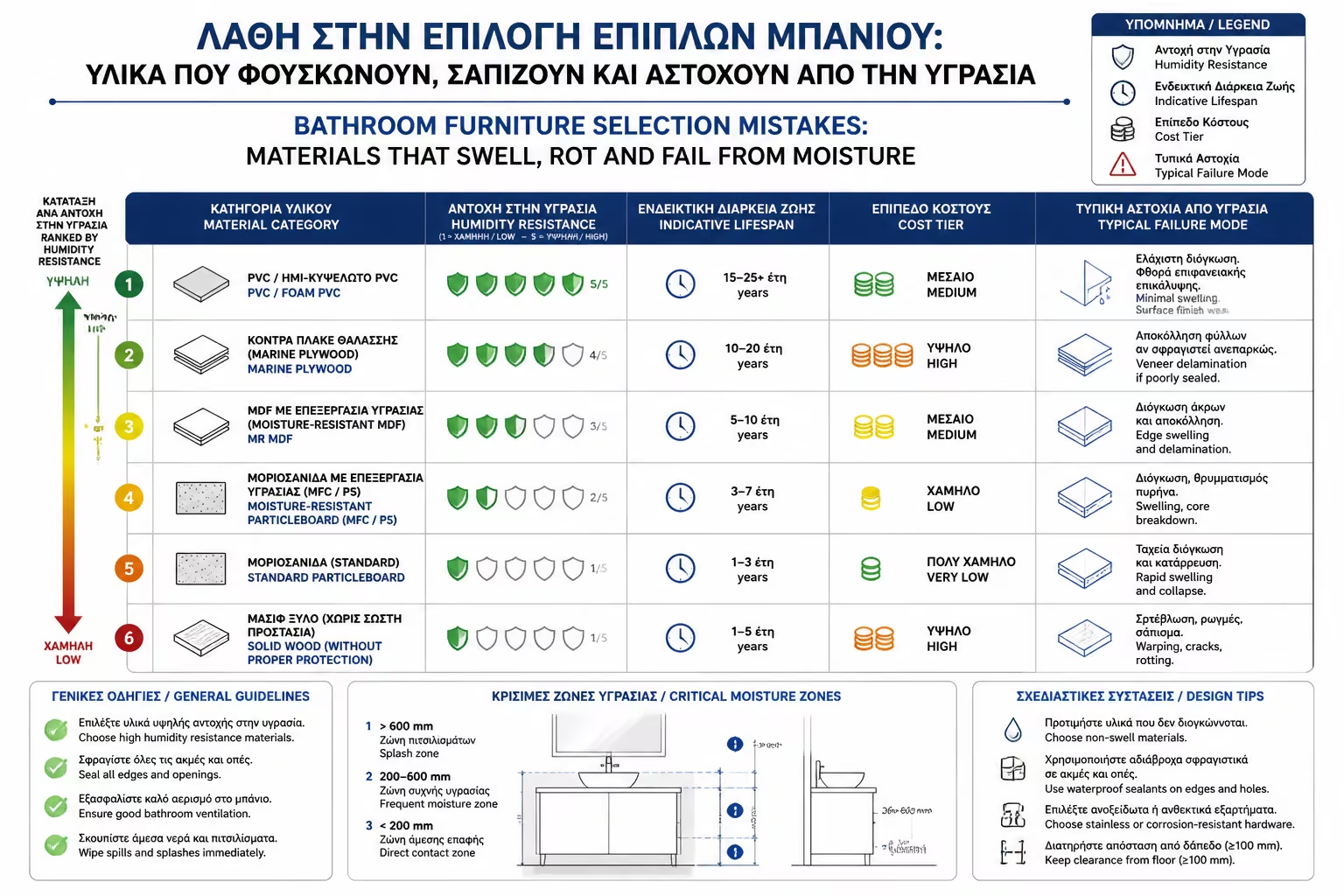
Bathroom furniture comes in very different price bands because it differs in material, mechanisms, countertop type, sink integration, paint quality, edge protection, and moisture resistance. Comparing only the look and the price is one of the riskiest ways to shop.
A budget vanity can be a good choice if it is truly suitable for a bathroom. A cheap vanity made from the wrong material can fail very quickly.
Swollen doors
Detached base strips
Worn corners
Loose hinges
Drawers that stop closing properly
Mold on the rear side
Lower panels that have soaked up water
Surfaces damaged by cleaners
3. The Plain Chipboard Trap
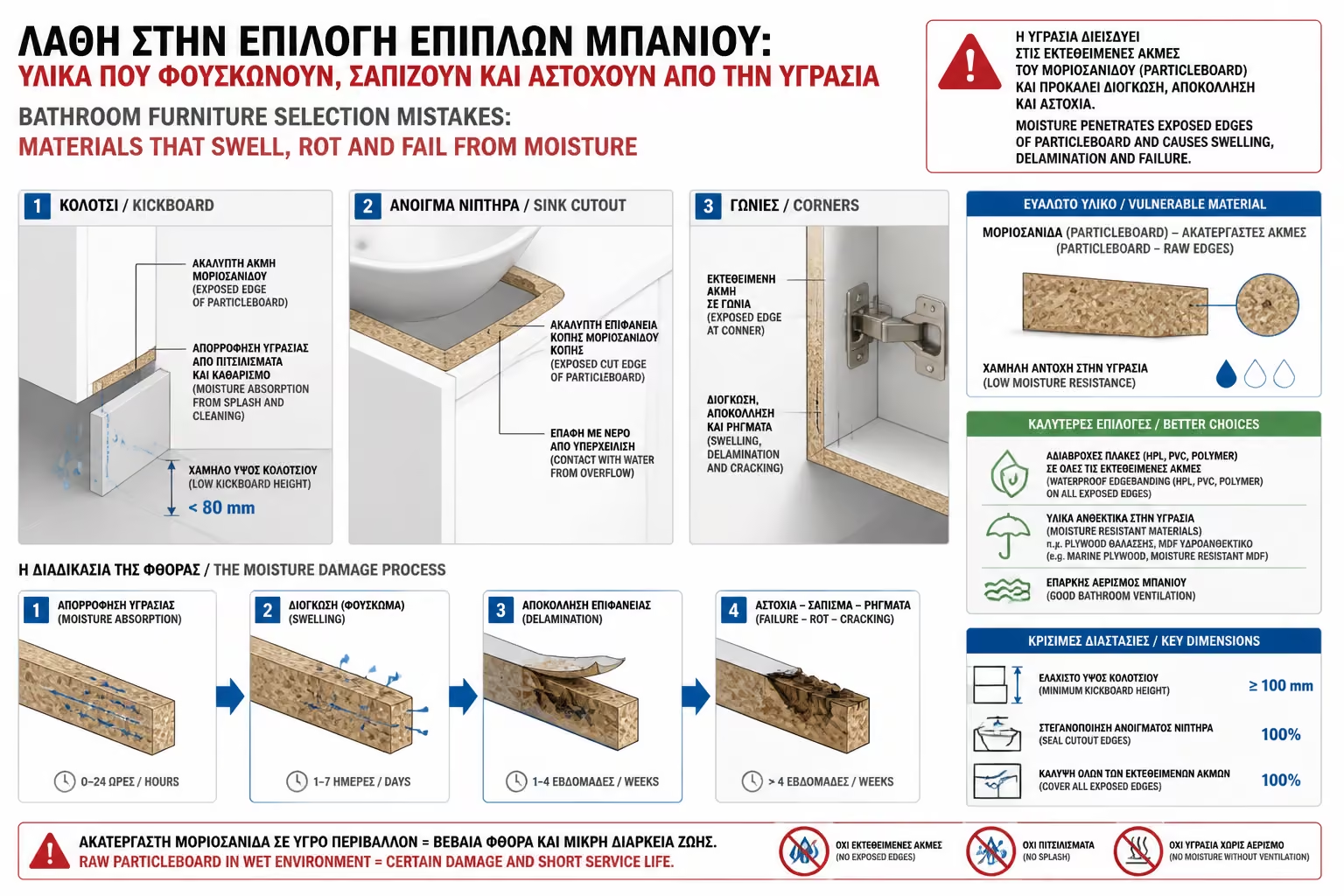
Plain chipboard is common in furniture production, but it needs extreme care in a bathroom. Once water gets into the edges, drill holes, or bottom area, swelling can begin very quickly.
The weak point is usually not the broad visible face. It is the small vulnerable areas that were left exposed or protected carelessly.
Most vulnerable points
Bottom edges of doors
Corners
Pipe cut-outs
Areas around the sink
Countertop joints
The rear side
The bottom touching the floor
When it becomes high risk
In a windowless bathroom
With weak ventilation
When the unit stands on the floor
When the sink splashes heavily
When the shower leaks water outwards
When the vanity is too close to the shower zone
When the edges are not sealed properly
4. Melamine: Not All Melamine Is Equal
Melamine is popular because it is affordable and available in many finishes. Its real durability, however, depends on the board quality, the core material, the edging, and how well the joints are protected.
Board quality
Core material
Finish quality
Base strips and visible edges
Protection of holes and joints
Installation quality
Distance from splashing water
Bathroom ventilation
The correct question is not simply “is it melamine?” but “is it properly built for a bathroom and properly protected in the weak areas?”
5. MDF: Better or Not?
MDF is often used in painted or lacquered bathroom furniture and can produce a smoother, more refined finish. It still requires proper protection.
Advantages
Smoother painted surfaces
Stronger visual finish in many designs
Better support for modern detailing
Can work well when properly protected
Disadvantages
Does not like direct water exposure
Is sensitive to damaged edges and impacts
Needs good-quality paint
Needs correct edge sealing
Can swell when moisture gets inside
MDF makes sense when the build quality is good, the edges are protected, the vanity is not repeatedly soaked, and the bathroom is ventilated properly.
6. PVC and Synthetic Materials: More Moisture Resistant
PVC and other synthetic materials have a clear advantage in high-humidity bathrooms because they do not absorb water the way wood-based products do.
Where they fit best
Small bathrooms
Bathrooms without windows
Holiday homes
Secondary bathrooms
Very humid rooms
Family bathrooms with children
Vanities close to the shower
Trade-off
You gain moisture resistance and easy cleaning. Depending on the product, you may lose some premium feel, and the mechanism quality still needs careful checking.
7. Solid Wood in the Bathroom: Beautiful but Demanding
Natural wood can look excellent in a bathroom, but it is not a “fit it and forget it” material. In a demanding room, it needs proper treatment, protection, and maintenance.
When it can work
With proper surface protection
With good ventilation
Away from direct wetting
When the owner accepts some maintenance
When it becomes risky
In a bathroom without a window
With poor airflow
Very near the shower
Without reliable splash protection
When the user wants zero maintenance
8. Wall-Hung or Floor-Standing Vanity?
The wall-hung versus floor-standing decision is not only aesthetic. It affects cleaning, exposure to moisture, and long-term durability.
A wall-hung vanity avoids direct contact with the wet floor, is easier to clean underneath, and makes a small bathroom feel lighter. A floor-standing unit may provide more storage, but its lower section needs much better protection.
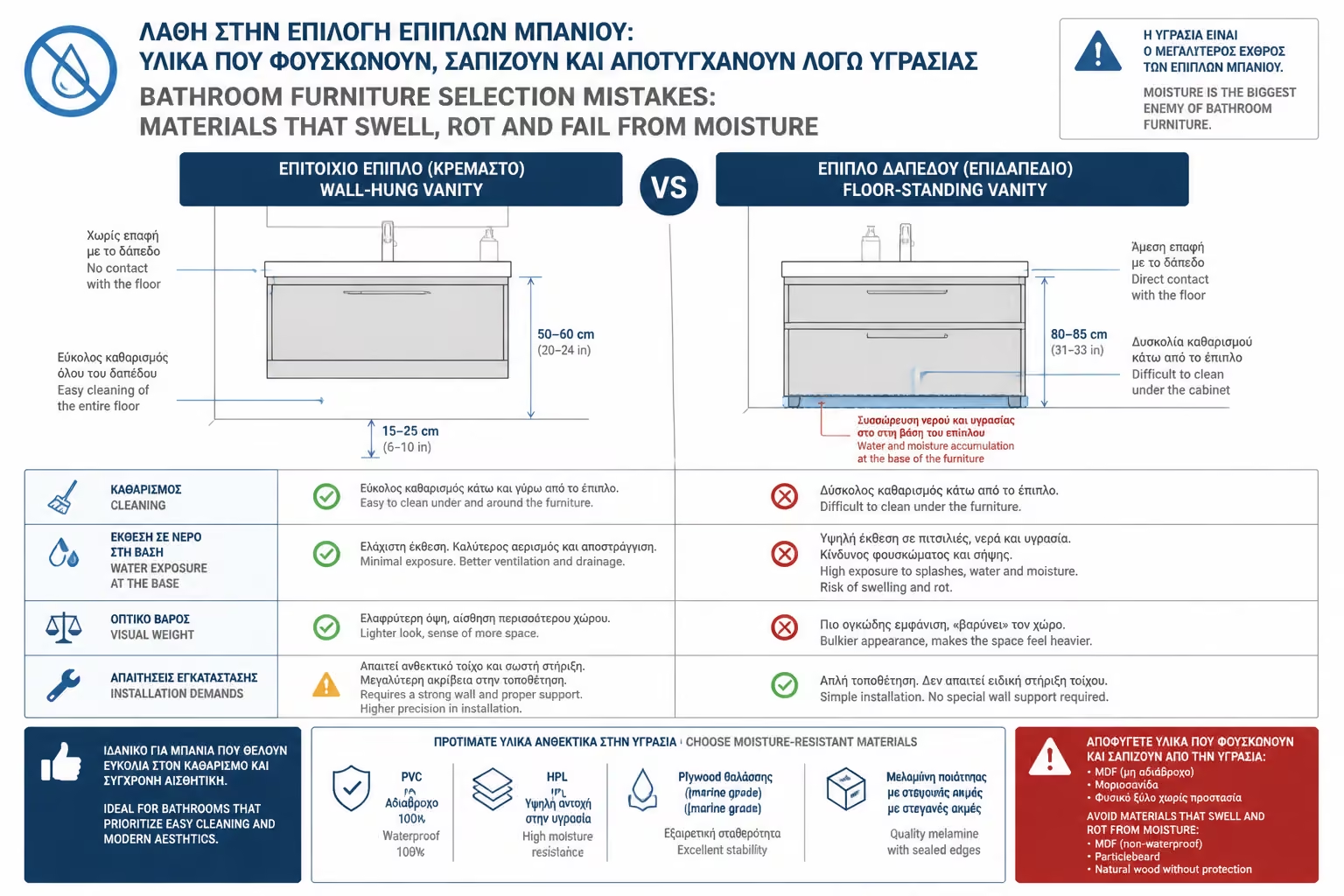
A wall-hung unit avoids wet-floor contact
It is easier to clean underneath
It feels lighter in small rooms
A floor-standing unit needs protected feet and a protected base
9. The Bottom Fails First
Many bathroom vanities do not fail from the top. They fail from below, where water from mopping, splashes, floor humidity, and small everyday mistakes keep attacking the material.
Prefer wall-hung installation where possible
Keep a safe distance from the shower zone
Use a shower enclosure that actually contains water
Wipe water after use
Protect the lower section if the unit stands on the floor
10. Countertop and Sink: A Frequent Problem Area
The zone around the sink is stressed every day by water, soap, cleaning products, and constant opening and closing. If the countertop is unsuitable or the sink joint is poor, moisture quickly reaches the vanity body.
Common mistakes
A sink that splashes too much
Poor silicone around the sink
A countertop that absorbs water
Unprotected faucet holes
A weak countertop-wall junction
What to check
The sink depth
Whether the faucet splashes
Whether joints are sealed properly
Whether the countertop is moisture resistant
Whether a wall upstand or splash protection is needed
11. Mechanisms, Hinges, and Drawer Runners
The material is only part of the story. The mechanisms matter too. In a damp bathroom, cheap hinges and weak runners wear out much faster.
Rust
Loosening over time
Squeaks
Stiff opening
Misaligned doors
Drawers that no longer close well
Before buying, ask whether the mechanisms are adjustable, whether they have soft-close, and whether they can be replaced later.
12. Distance from the Shower and Water Exposure
The closer the vanity is to the shower, the stricter the material choice should be. Risk rises sharply in small bathrooms, walk-in showers, poor shower sealing, and layouts with bad floor slopes.
Choose a more moisture-resistant material
Prefer a wall-hung vanity where possible
Use a properly functioning enclosure
Check floor slopes so water does not run toward the furniture
Seal edges and joints carefully
13. Ventilation and Bathroom Furniture
Even a good vanity ages faster when the bathroom is badly ventilated. Constant humidity stresses doors, drawers, back panels, hinges, mirrors, and the inside of cabinets.
Use the right extractor fan
Let it run after the shower
Do not shut the room while it is full of steam
Wipe water around the furniture
Ventilate cabinet interiors when needed
The best material in the world cannot fully compensate for a bathroom that stays damp for hours every day.
14. Custom or Ready-Made Furniture?
Both can be correct solutions. The real question is not whether the unit is ready-made or custom, but whether it fits the room and uses the right material for bathroom conditions.
Ready-made furniture
Usually costs less, is available immediately, and often comes as a package with sink and mirror. The downside is more limited sizing and fewer material options.
Custom furniture
Fits difficult spaces better, can improve storage, and offers more choice in materials and mechanisms. It normally costs more and depends heavily on the skill of the maker.
Custom is not automatically better if it is made from the wrong material. Ready-made is not automatically bad if it is built correctly.
15. What to Ask Before You Buy
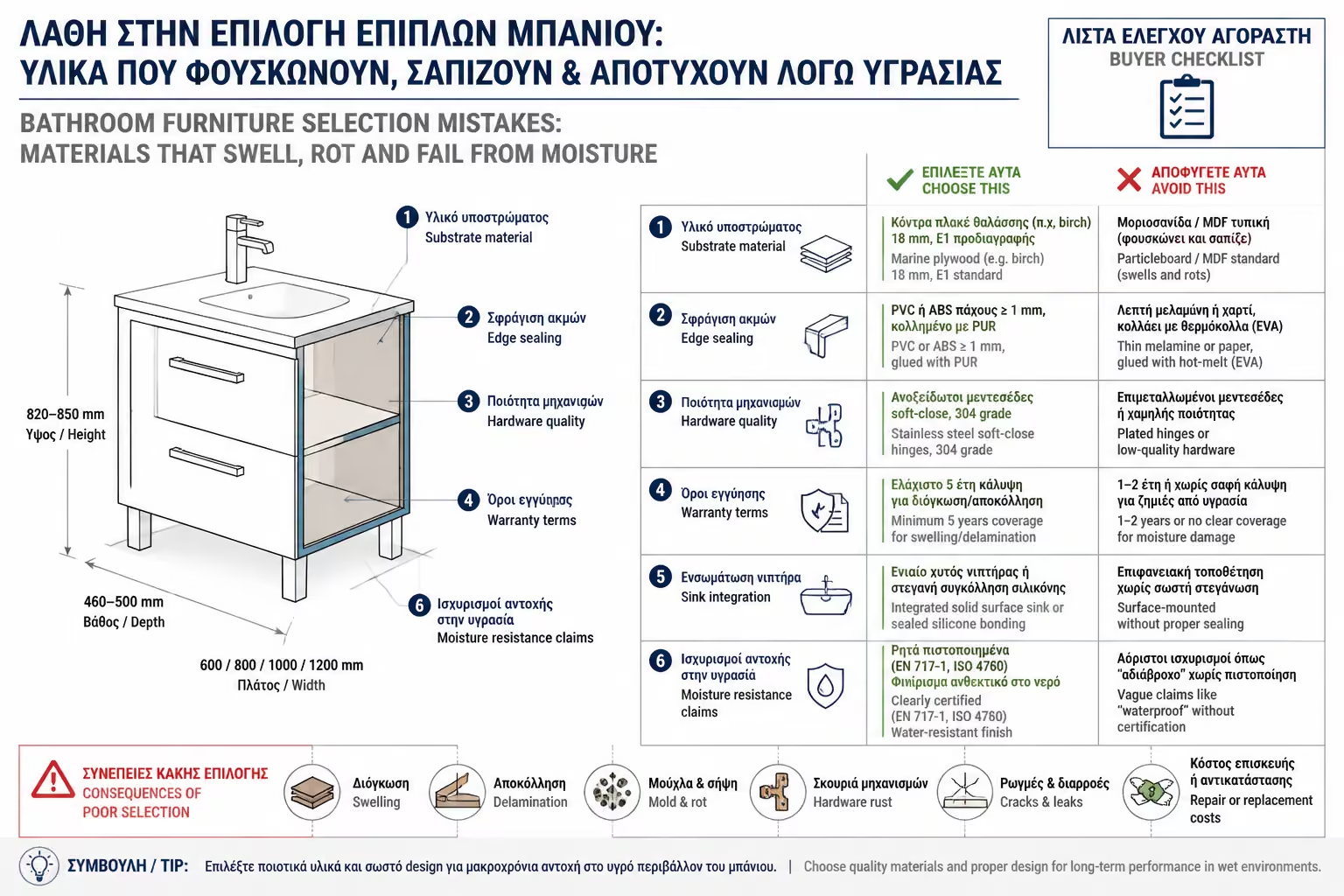
Before ordering bathroom furniture, make sure you get clear answers to the following. Vague answers usually mean higher risk.
What material is it made from?
Is it genuinely suitable for bathrooms?
What happens if it gets wet?
Is it wall-hung or floor-standing?
How are the base strips and edges protected?
What mechanisms does it use?
Can it handle a bathroom without a window?
Is the countertop moisture resistant?
Is the sink-countertop joint protected?
Is there a warranty?
What does the warranty exclude?
Can hinges and runners be replaced later?
How should it be cleaned properly?
16. What to Avoid
Plain chipboard in a high-humidity bathroom
A vanity standing directly on the floor without protection
Exposed, poorly finished edges
Poor sealing around the sink
Very cheap mechanisms
Furniture too close to the shower without proper protection
Too little storage for the real use pattern
Bad layout that stops doors and drawers from opening correctly
Materials that never clearly state bathroom suitability
17. Indicative Option Categories
| Category | When it makes sense | What to watch |
|---|---|---|
| Budget ready-made unit | Limited budget, simple bathroom | Material, edges, water exposure |
| Good-quality melamine | Standard bathroom with good ventilation | Joints, base strips, lower edges |
| Painted/lacquered MDF | Higher visual finish | Water protection and impact resistance |
| PVC / synthetic | High-humidity bathrooms | Mechanism quality and overall feel |
| Solid wood | Premium aesthetic | Maintenance, ventilation, protection |
| Custom-built | Difficult layouts or special needs | Correct material for wet conditions |
18. Checklist Before You Order Bathroom Furniture
| Question | Yes / No |
|---|---|
| Is the material suitable for a bathroom? | Yes / No |
| Are the base strips and edges protected properly? | Yes / No |
| Is the unit wall-hung or protected from floor water? | Yes / No |
| Does the sink avoid excessive splashing? | Yes / No |
| Is the countertop moisture resistant? | Yes / No |
| Are the mechanisms good quality? | Yes / No |
| Is there enough storage? | Yes / No |
| Do drawers and doors open properly in the space? | Yes / No |
| Is there good ventilation in the bathroom? | Yes / No |
| Do you understand the warranty coverage? | Yes / No |
If several answers are “no,” the choice needs to be reconsidered.
19. Where It Is Worth Spending More
If your budget is tight, you do not automatically need the most expensive vanity. There are, however, specific areas where cutting too much usually backfires.
Moisture-suitable material
Proper edge protection
Good mechanisms
Wall-hung installation where possible
A durable countertop
Practical drawer layout
Real storage capacity
Easy cleaning
You can often save money on decorative complexity. You should not save it by downgrading moisture resistance.
20. A Typical Failure Example
A homeowner chooses a cheap vanity because the color matches the tiles. The bathroom has no window, the extractor is weak, the unit stands on the floor, and it sits close to the shower.
The bottom starts to swell
The door no longer closes properly
The edges begin to open
The inside smells damp
The hinges loosen
The problem was not only the low price. It was the combination of the wrong material, poor placement, constant humidity, and inadequate ventilation.
💡 The Engineer's Advice
Bathroom furniture should not be chosen the way you choose ordinary household furniture. It lives in humidity, splashing water, steam, and daily wear. Do not look only at color, design, and price. Ask what the unit is made from, how the edges are protected, whether it is truly suitable for a bathroom, whether it stands on the floor, and what kind of warranty is offered. If the bathroom has no window or has weak ventilation, avoid materials that swell easily. In those cases, the right material and proper ventilation matter more than dramatic design. If you need to cut cost, cut it in styling, not in moisture resistance.
Conclusion
Bathroom-furniture mistakes usually reveal themselves only after the renovation is finished, when everyday humidity begins testing the materials and joints.
Construction material
Moisture resistance
Base strips and edges
Countertop and sink
Mechanisms
Distance from the shower
Contact with the floor
Ventilation
Warranty
Real storage capacity
The right bathroom vanity is not necessarily the most expensive one. It is the one that fits the room, survives moisture, and remains functional after years of use. Beauty matters in a bathroom, but durability matters more.
Related Articles
The Mistake of Lack of Storage: How an Impressive Minimal Bathroom Ends Up Cluttered Underestimating Ventilation: How Steam Damages Bathroom Paint, Furniture and Grout The 10 Biggest Bathroom Remodeling Mistakes: The Ultimate Guide to Homeowner Regrets After the Project How to Reduce Bathroom Renovation Cost Without Sacrificing Quality
Bathroom Renovation & Design Guide
Return to category.
Go to categoryCentral Guide
Return to the central guide.
Go to guide