
Water left on the floor
Waterproofing Mistakes: The Invisible Threat Behind Bathroom Tiles
Waterproofing is one of the most important parts of a bathroom renovation and, at the same time, one of the least visible once the project is finished.
When the bathroom is delivered, you see the tiles, grout lines, shower enclosure, toilet, vanity and taps. What you do not see is what sits under the tiles, behind the shower, in the corners, around the drain and in the zones that receive water every single day.
If proper waterproofing has not been done there, the bathroom may look perfect on day one while already hiding a future problem: mold, swelling, damp patches in the next room, unpleasant odors, or even damage to the apartment below.
The worst part is that by the time moisture becomes visible, it has usually already moved below the finished surface. At that point, the repair is no longer small. It may require tile removal, drying, new waterproofing and wall restoration.
1. Why Waterproofing Is So Important in the Bathroom
The bathroom is the part of the home with the most intense daily contact with water. That does not mean only shower spray. It also means steam, splashes, standing water and repeated wetting of sensitive junctions.
Steam building up every day
Soap and shampoo working constantly on the surfaces
Heavy wetting in the shower zone
Moisture sitting in grout joints and transitions
Splashes around the sink and taps
Condensation on walls and ceiling
Tiles protect the finished surface, but they do not make the bathroom watertight on their own. Water finds paths through joints, corners, cracks, drains and pipe penetrations. That is why proper waterproofing has to be completed before the tiles are installed.
2. The Big Mistake: "Tiles Are Waterproof, So No Waterproofing Is Needed"
This is one of the most dangerous misunderstandings in a bathroom renovation. Yes, most tiles have very low absorbency and tolerate water well. But a bathroom is not made only of tile faces.
Grout joints are not a permanent waterproof barrier on their own
Wall-to-floor corners are sensitive movement points
Drains and pipe penetrations are classic failure zones
Cut edges around fixtures and taps do not forgive rough workmanship
Shower enclosure junctions work under daily water exposure
Once water moves below the finish, it can travel through plaster, adhesive, screed or masonry. The first visible symptom may not even appear inside the bathroom. It may show up on the adjacent wall or on the ceiling below.
3. Where More Attention Is Needed
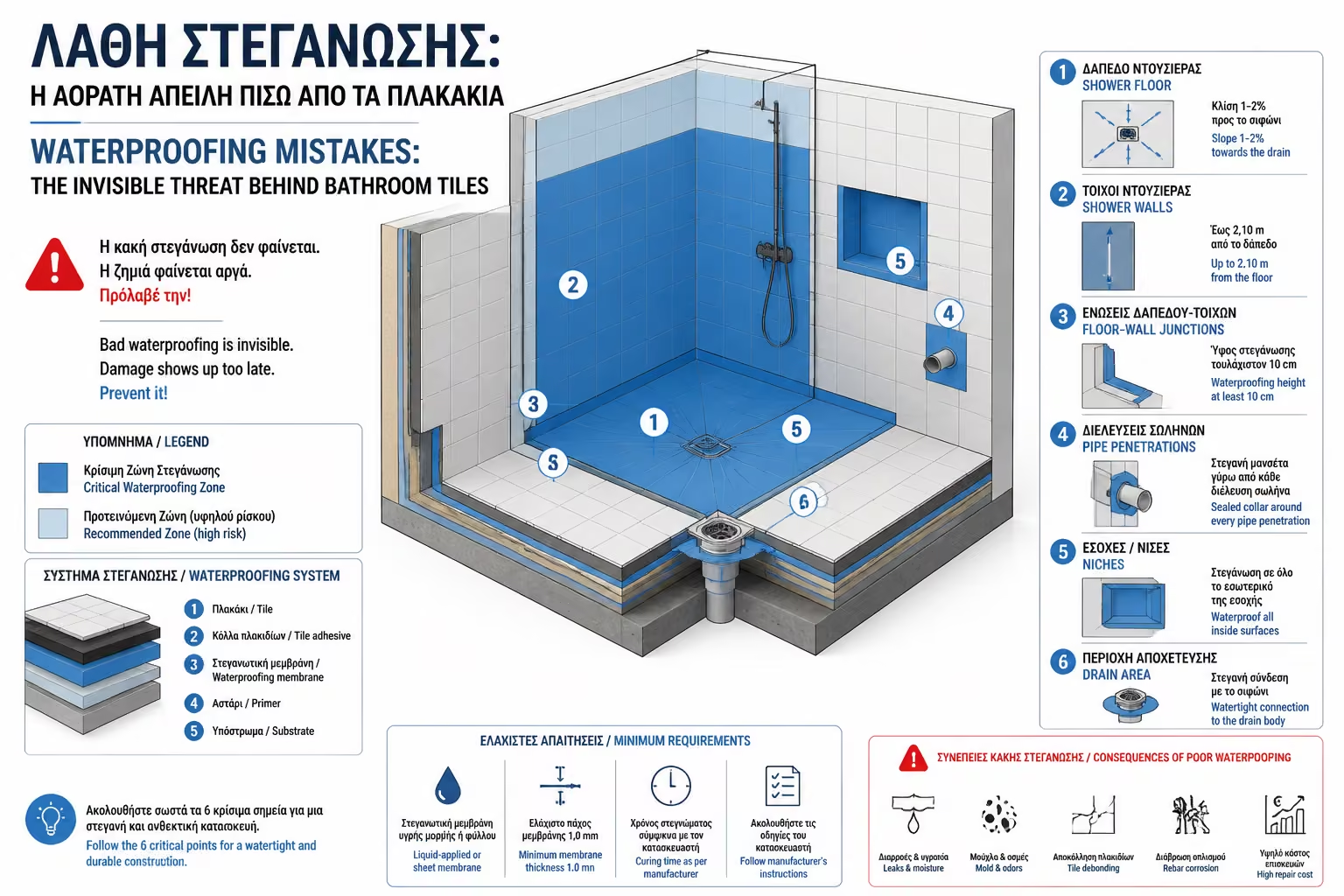
Not every part of the bathroom is exposed to the same level of water stress. Some zones work at the limit every day, and those are the areas where the technical detailing has to be strongest.
In a bathroom with a built shower or a walk-in layout, the demand is even higher because the water is no longer confined to a ready-made tray or bathtub. It spreads across the floor and the working shower walls.
The shower zone itself
The walls directly behind the shower
The shower floor
Wall-to-floor corners
The area around the drain
The area around tap and mixer penetrations
The junction between enclosure and wall
The perimeter of a bathtub, if there is one
Walls that border a bedroom, corridor or other dry room
4. What Happens When Waterproofing Is Skipped
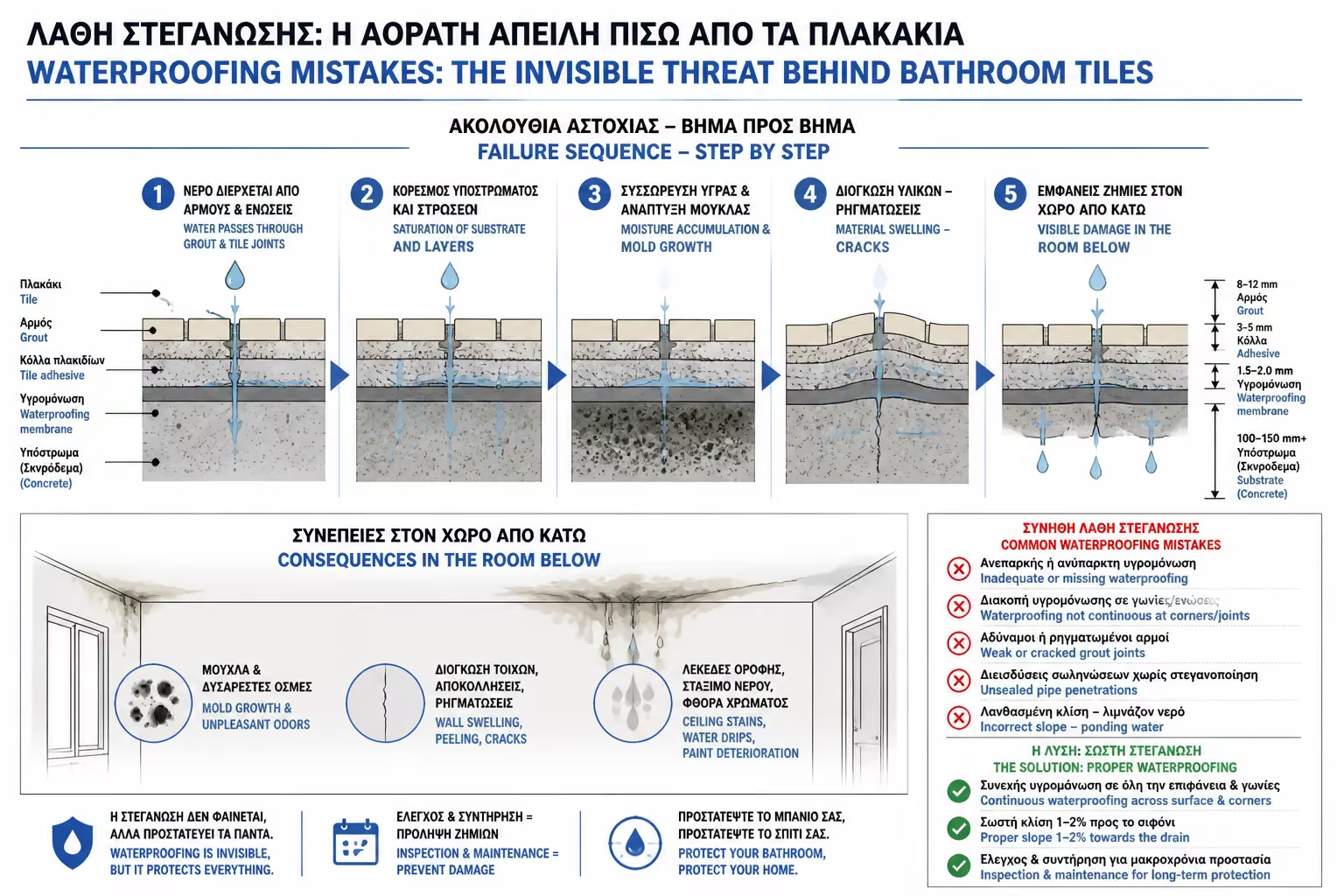
When waterproofing is not done properly, water follows the easiest path. At first, nothing may look wrong and the owner may assume the bathroom is performing normally.
Over time, though, the damage migrates behind the visible finish and starts showing up wherever the underlying layers can no longer cope.
Blackened grout lines
A persistent damp smell
Mold in corners
Blistering paint in the next room
Peeling plaster or paint
Swollen skirting boards
Moisture behind wardrobes or furniture
Marks on the ceiling below
Loose or detached tiles
Salt marks or stains at the joints
The hardest part is that these failures often appear months later, when the bathroom is already closed and the only real fix means opening it back up.
5. Why Damp Often Shows Up in the Next Room
Many owners get confused when they see damp in a bedroom, corridor or wall next to the bathroom. Water does not always become visible where it first entered.
Behind a wardrobe standing against a bathroom wall
Low on the corridor wall
Behind the skirting board in a bedroom
On the ceiling of the apartment below
In a poorly ventilated corner
That is why bathroom-related moisture may first look like a paint or ventilation issue when the real cause is failed waterproofing behind the visible surface.
6. The Shower Zone Is the Most Critical Point
The shower is the point that receives the greatest water load. "Good adhesive" or "good grout" is not enough on its own. What matters is a correct waterproof layer under the tiles and careful detailing at every junction.
The shower floor
The wall-to-floor junction
The vertical corners
The drain connection
The water supply penetrations
The joints around the mixer
The line where the enclosure sits
The base of any fixed glass panel
Any niche or recess
If any of those points is done badly, water can move behind the finished surface without you noticing it immediately.
7. The Most Common Waterproofing Mistakes
The most common failures are not dramatic at the moment they happen. They are small omissions or rushed steps that turn expensive later.
1. No waterproofing at all
The most dangerous case is assuming that "tiles and grout are enough", especially in a shower used every day.
2. Waterproofing only the floor and not the walls
Water in the shower does not stay on the floor. It constantly hits walls, corners and service penetrations.
3. Neglecting the corners
Corners are among the most sensitive points because that is where surfaces meet and small movements tend to happen.
4. Poor detailing around the drain
The drain is a high-risk point because it combines joints, concentrated water and demanding geometry.
5. Applying over an unfit substrate
If the waterproofing is applied on a wet, weak or dirty base, its performance is compromised from the start.
6. Ignoring the required application times
Many waterproofing products need specific intervals between coats and proper curing before tiling.
7. Puncturing the waterproofing later without care
Even a correct system can be ruined by holes for enclosures, accessories or shelves if they are not sealed properly afterward.
8. How Much Does Proper Waterproofing Cost?
In relation to the total cost of a bathroom renovation, waterproofing is not the biggest figure. It is, however, one of the tasks with the highest technical value.
In a typical bathroom, waterproofing in the shower zone and other critical points may sit inside the preparation stage together with plaster repair, slope forming and substrate work.
As an indicative range, the combined package of preparation, slopes and waterproofing may come in at roughly 300 to 600 euros for a simple bathroom, depending on the size, the chosen materials and the condition of the substrate.
If the project includes a more demanding built shower, a wet-room layout or a problematic base, the cost can go higher. Even then, prevention almost always costs less than repairing moisture damage later.
9. What Skipping It Can Cost
If waterproofing is omitted or done badly, the repair can become far more expensive than the small saving made at the start.
| Problem | What may be required |
|---|---|
| Moisture behind tiles | Tile removal, drying, new waterproofing and reinstallation |
| Swollen wall in the next room | Plaster removal, drying, anti-mold treatment, replastering and repainting |
| Mold in corners | Cause investigation, cleaning, and possibly new waterproofing or ventilation work |
| Dampness in the apartment below | Leak tracing, bathroom repair and restoration of the neighbor's damage |
| Tile detachment | Removal, substrate repair and new installation |
| Failure around the drain | Opening the floor, repairing waterproofing and restoring drainage performance |
In serious cases, an omission that saved a little money at the beginning can multiply the cost later.
10. Waterproofing Does Not Replace Proper Ventilation
Waterproofing protects the structure from water passing behind the surfaces. It does not solve every moisture problem on its own.
Steam lingering in the room
Mold on the ceiling
Black marks in corners
Damage to bathroom furniture
Fogged mirrors
A permanent damp smell
That is why both are needed:
Proper waterproofing in the wet zones
Proper ventilation for the steam load
In bathrooms without a window, an extractor fan is not a luxury. It is a basic functional requirement.
11. What the Quote Must State Clearly
A renovation quote should state clearly whether waterproofing is included and exactly where it will be applied. A vague sentence that hides the technical scope is not enough.
It is not enough for a quote to say only: "Surface preparation will be carried out."
Waterproofing in the shower zone
Waterproofing on the floor where required
Application in the corners
Application around the drain
The waterproofing material to be used
The number of coats where relevant
The drying time before tiling
If waterproofing is not mentioned at all, ask before you agree. In many suspiciously cheap quotes, it is one of the first things that gets left out.
12. What to Ask the Contractor or Tiler
Before tiling begins, the right questions are often more useful than a vague promise that "everything will be done properly."
Will the shower zone be waterproofed?
Will the waterproofing run up the walls?
How will the corners be treated?
How will the drain area be handled?
Which material will be used?
How many coats will be applied?
How long must it dry before the tiles go in?
What happens if the wall is weak or damp?
How will holes for the enclosure or accessories be sealed?
Is there a warranty for this specific work?
If the answer is "it isn't necessary," ask for a technical explanation, not just confidence.
13. When Waterproofing Is Essential
Waterproofing becomes especially important whenever the bathroom has elevated technical risk or heavy daily exposure.
There is a built shower
There is a walk-in shower
The bathroom is used every day
The bathroom borders a bedroom or corridor
There is previous dampness
There is an apartment below
There is an old drain or a new drainage layout
The floor receives water beyond a small confined tray
There are corners and recesses inside the shower zone
A niche is being built
In those cases, leaving waterproofing out is not a small saving. It is a serious technical mistake.
14. When Extra Caution Is Needed
There are situations where simply applying a waterproofing product is not enough if the substrate has not first been restored properly.
The wall is weak or crumbly
There is existing dampness
The plaster powders or rubs off
There are cracks
There is mold
There has already been a leak
The floor slopes are wrong
The drain is old or unsuitable
The wall is plasterboard without the right protection
Old layers of materials remain and need proper removal
In these cases, the cause has to be solved first and the base prepared correctly. Waterproofing should not be laid on top of an existing unresolved problem.
15. Mistakes in Niches and Recesses
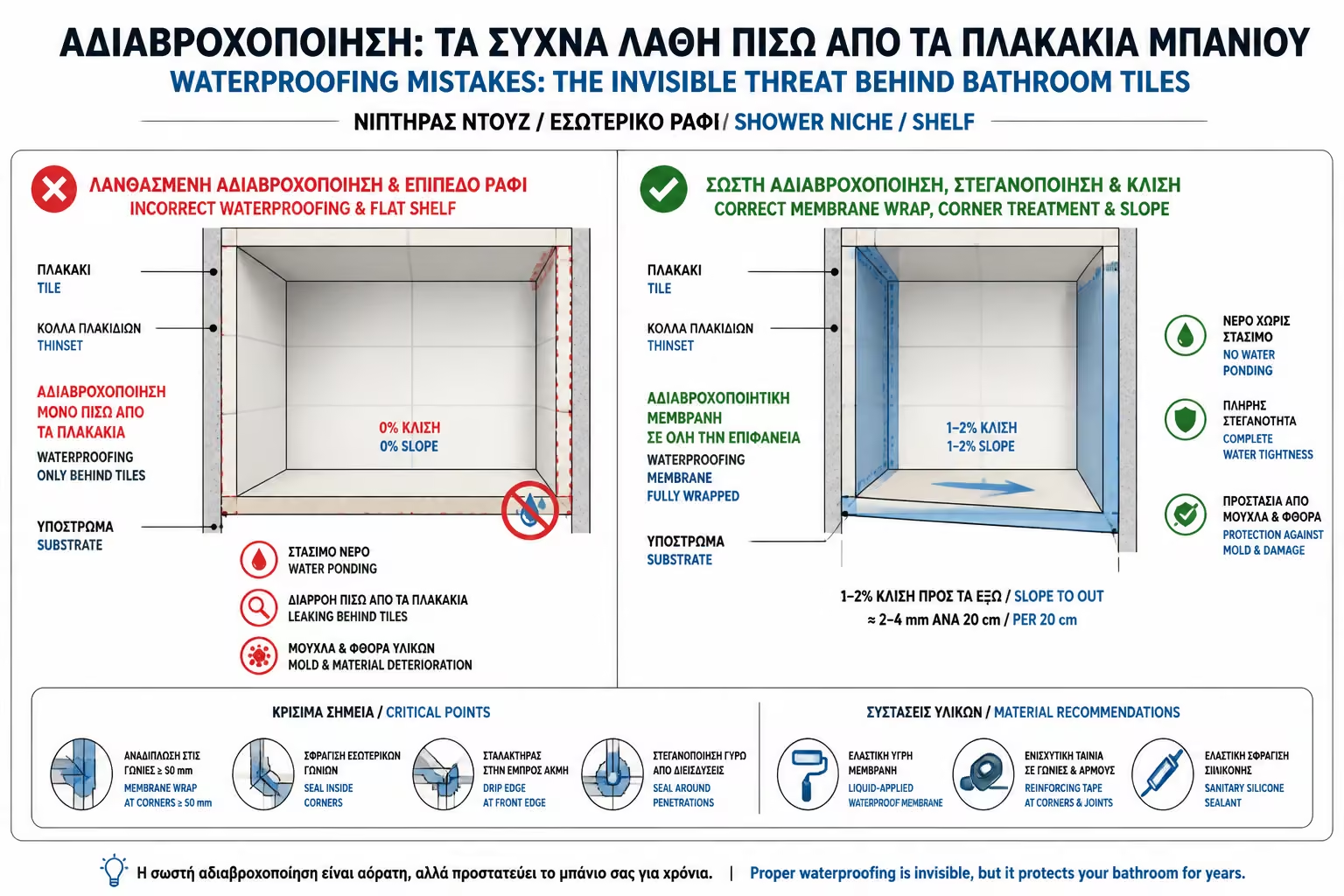
Shower niches are attractive and practical, but they are also high-risk details when they are not waterproofed correctly.
They introduce multiple corners, horizontal ledges, tile cuts and water-retention points. That means they need proper planning before tiling, not an improvised solution in the middle of the job.
Internal corners
A horizontal surface that can hold water
Tile cuts
Grout joints in exposed positions
Points where water may remain
To make the detail technically sound, the following should be planned in advance:
A correct location that does not interfere with use
A properly built niche shell
Waterproofing before tiling
Careful corner treatment
A slight outward slope at the bottom
Avoidance of rough, excessive cuts
Proper final grouting
A niche is only practical when it is also technically correct. Otherwise, it becomes a permanent moisture trap.
16. A Practical Check Before the Wall Closes
Before tiling begins, the owner does not need to perform a technical inspection personally. They do need proof that the work was actually done.
Photos before the tiles are installed
A note of which material was used
Confirmation that the corners were covered
Confirmation that the drain area was waterproofed correctly
Confirmation of the drying time allowed
Written reference in the quote or contract
Photos taken before the wall closes are especially valuable because they show what was done in a place that will never be visible again afterward.
17. Waterproofing Checklist
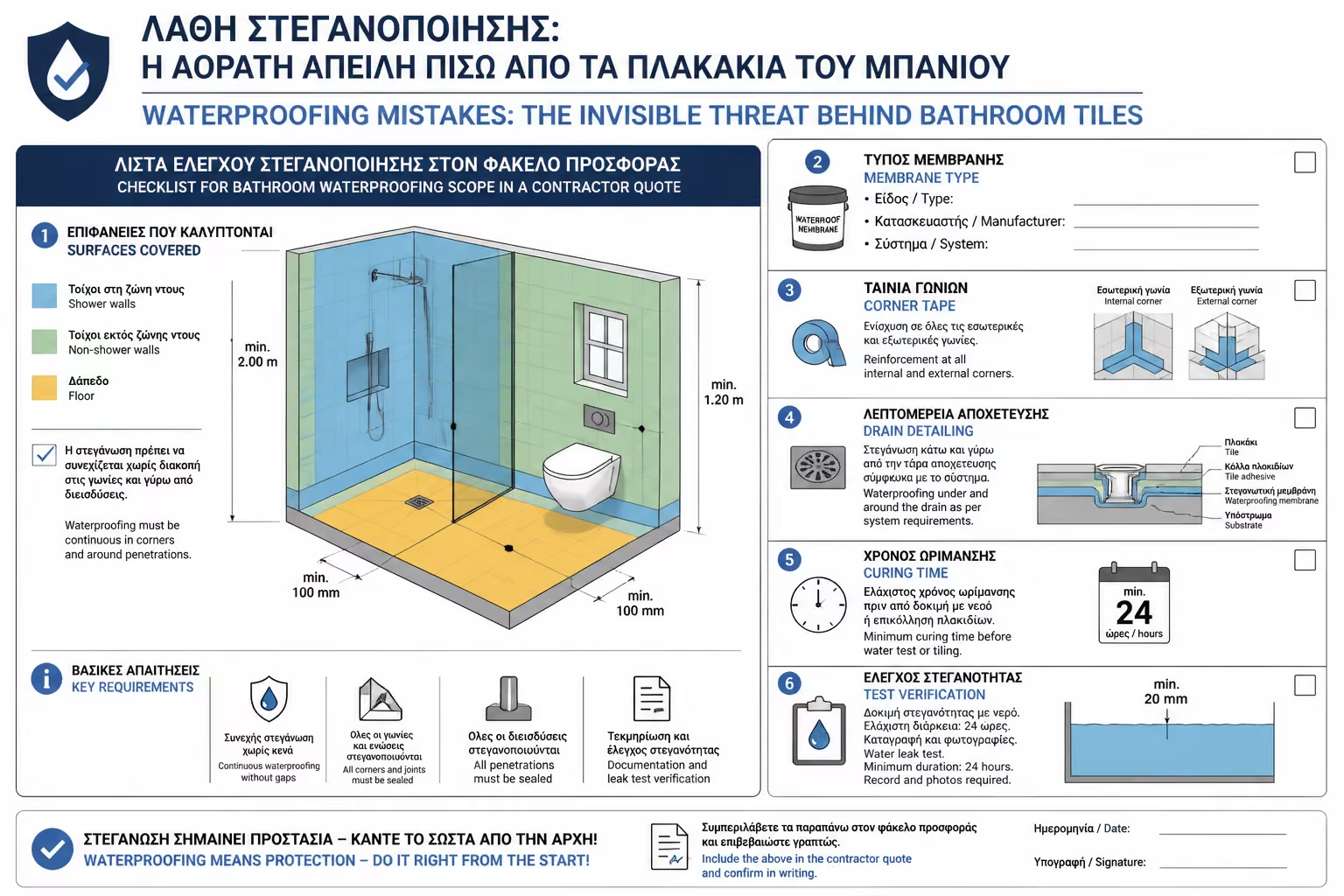
| Question | Yes / No |
|---|---|
| Is waterproofing included in the quote? | Yes / No |
| Is it included in the shower zone? | Yes / No |
| Does it run up the shower walls? | Yes / No |
| Have the corners been properly detailed? | Yes / No |
| Has the drain area been treated correctly? | Yes / No |
| Has the substrate been prepared properly? | Yes / No |
| Have the drying times been respected? | Yes / No |
| Is there proper bathroom ventilation? | Yes / No |
| Have any niches been waterproofed correctly? | Yes / No |
| Are there photos before the tiles were installed? | Yes / No |
If most of the answers are "no," there is a serious risk of future dampness and the project should be reviewed before the bathroom is closed up.
💡 The Engineer's Advice
Waterproofing is not a decorative upgrade and it is not an optional luxury. It is a basic protection layer for the bathroom.
Tiles and grout alone are not enough to stop water over time. What matters most is what has been done underneath the visible finish.
In any bathroom renovation, especially when there is a shower, a built solution or a walk-in layout, insist that waterproofing is stated clearly in the quote. Ask where it will be applied, which material will be used, and how the corners and drain will be treated.
If you need to cut cost, do not do it by removing waterproofing. Cut from tiles, the mirror, the vanity or accessories. Waterproofing is one of the elements that must be done correctly from the beginning.
Conclusion
Waterproofing mistakes are among the most dangerous bathroom-renovation mistakes precisely because they do not usually show themselves immediately.
A bathroom may look brand new, but if waterproofing behind the tiles and the shower has been handled badly, water can migrate into the masonry and later appear as mold, swelling, dampness or damage in the adjacent room.
The shower zone
The shower floor
The corners
The drain connection
The service penetrations
The shower enclosure junctions
The niches
The walls bordering other rooms
Proper waterproofing costs far less than repairing moisture damage after the project is complete. Before the tiles go in, make sure it has been specified, applied correctly and recorded in the quote or contract.
In a bathroom, the most important work is not only what you can see. It is what will never be visible again once the walls are closed.
Related Articles
The 10 Biggest Bathroom Remodeling Mistakes: The Ultimate Guide to Homeowner Regrets After the Project The Old Plumbing Trap: Why Old Piping Under New Tile Is the Biggest Risk Wrong Floor Slopes: The Bad Work That Leaves Water Pooling After Every Shower DIY Failures: Which Bathroom Renovation Jobs You Should Not Do Yourself
Bathroom Renovation & Design Guide
Return to category.
Go to categoryCentral Guide
Return to the central guide.
Go to guide